Natural Slate
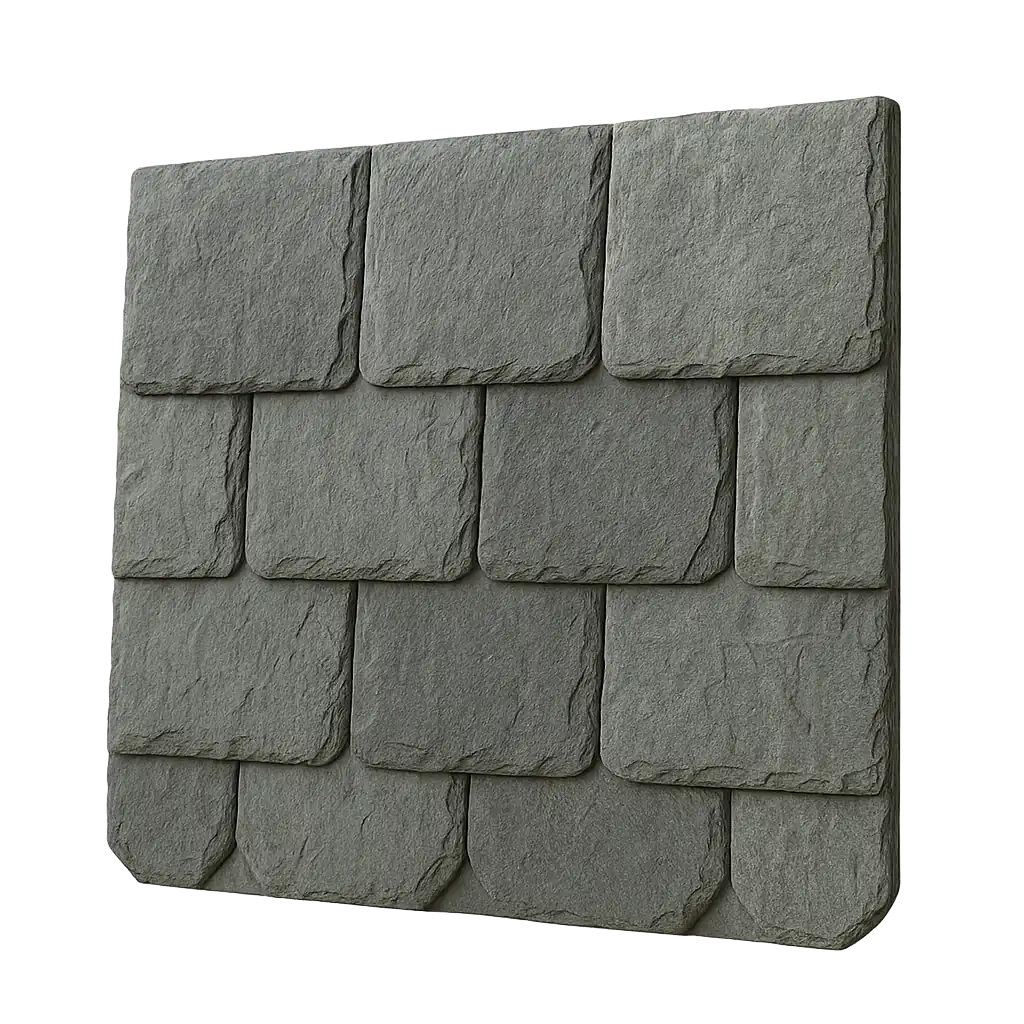
Timeless elegance and unmatched longevity.
 Skip to content
Timeless elegance and unmatched longevity.

Rustic warmth with natural insulation.
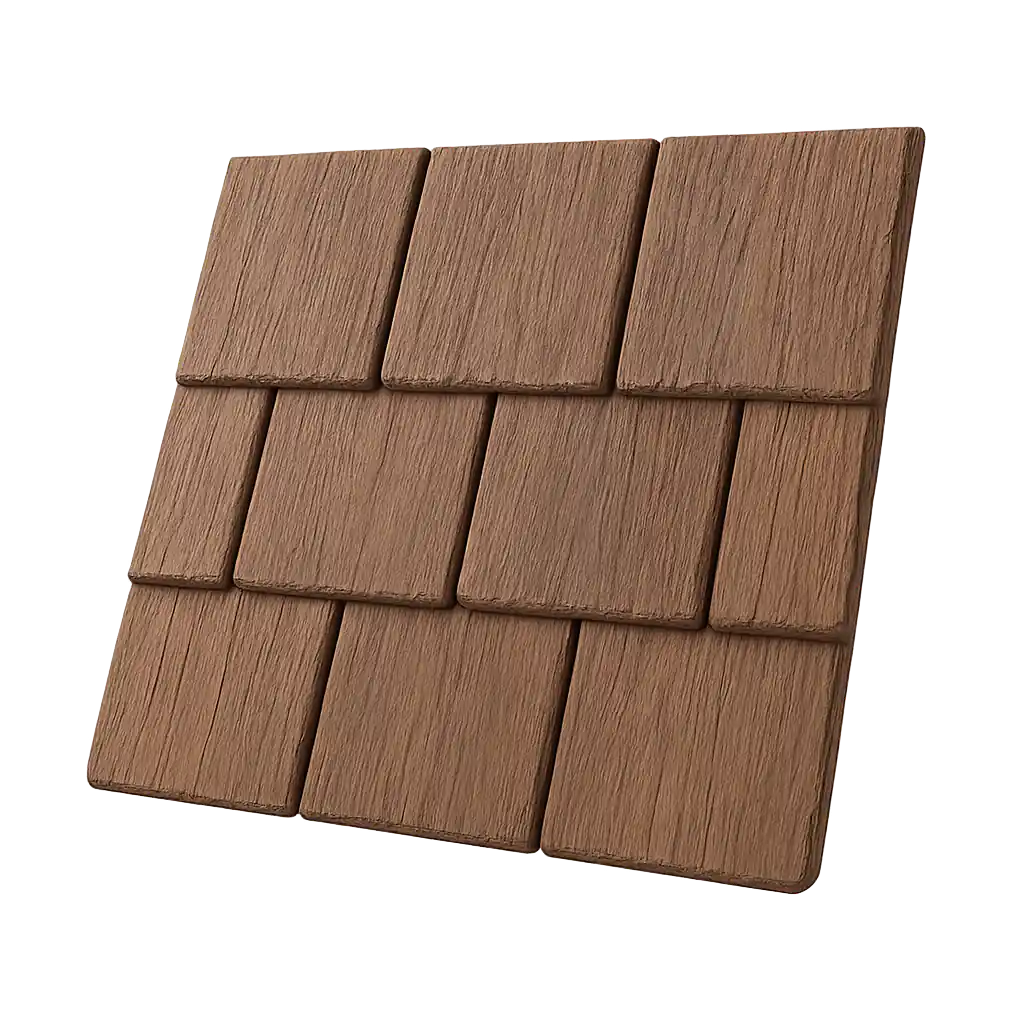
Slate & shake looks, modern performance.
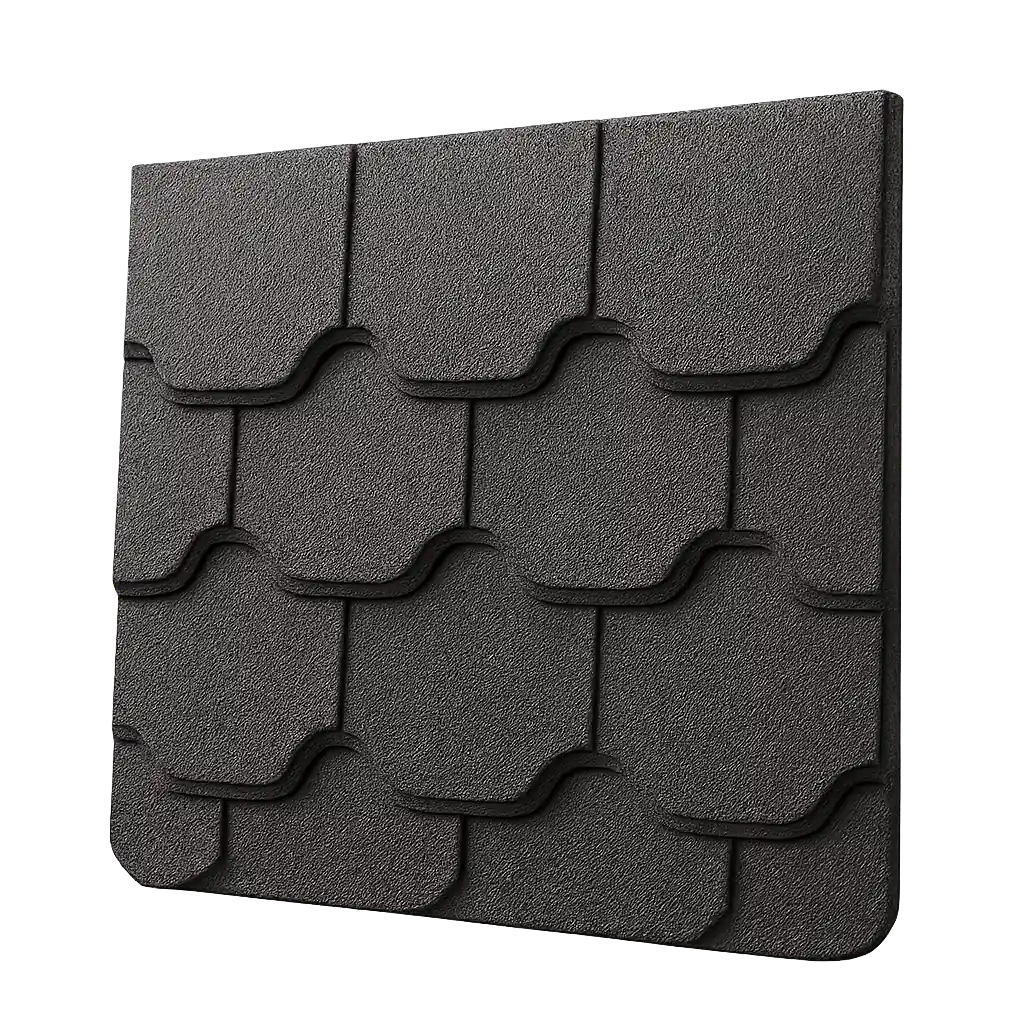
Architectural shingles with slate-like appeal.
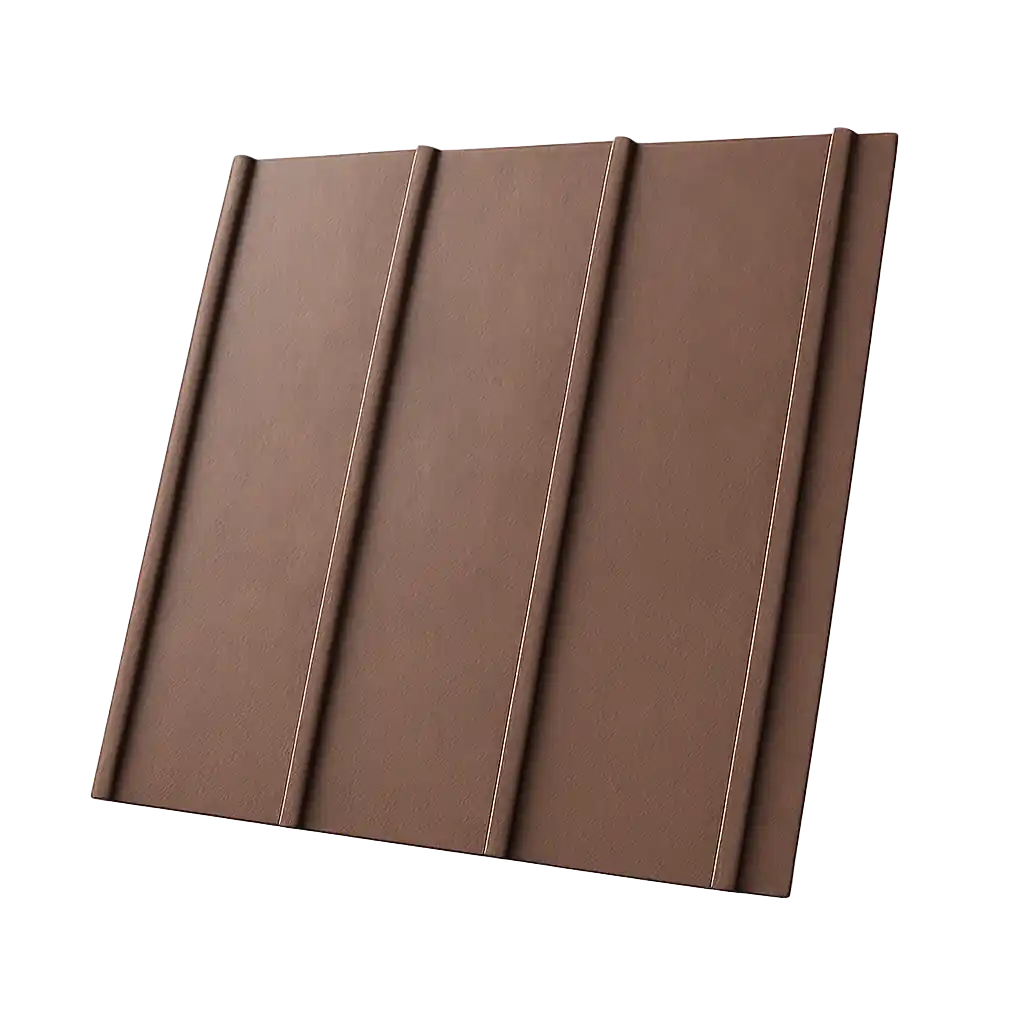
Energy-efficient, modern, and long-lasting.
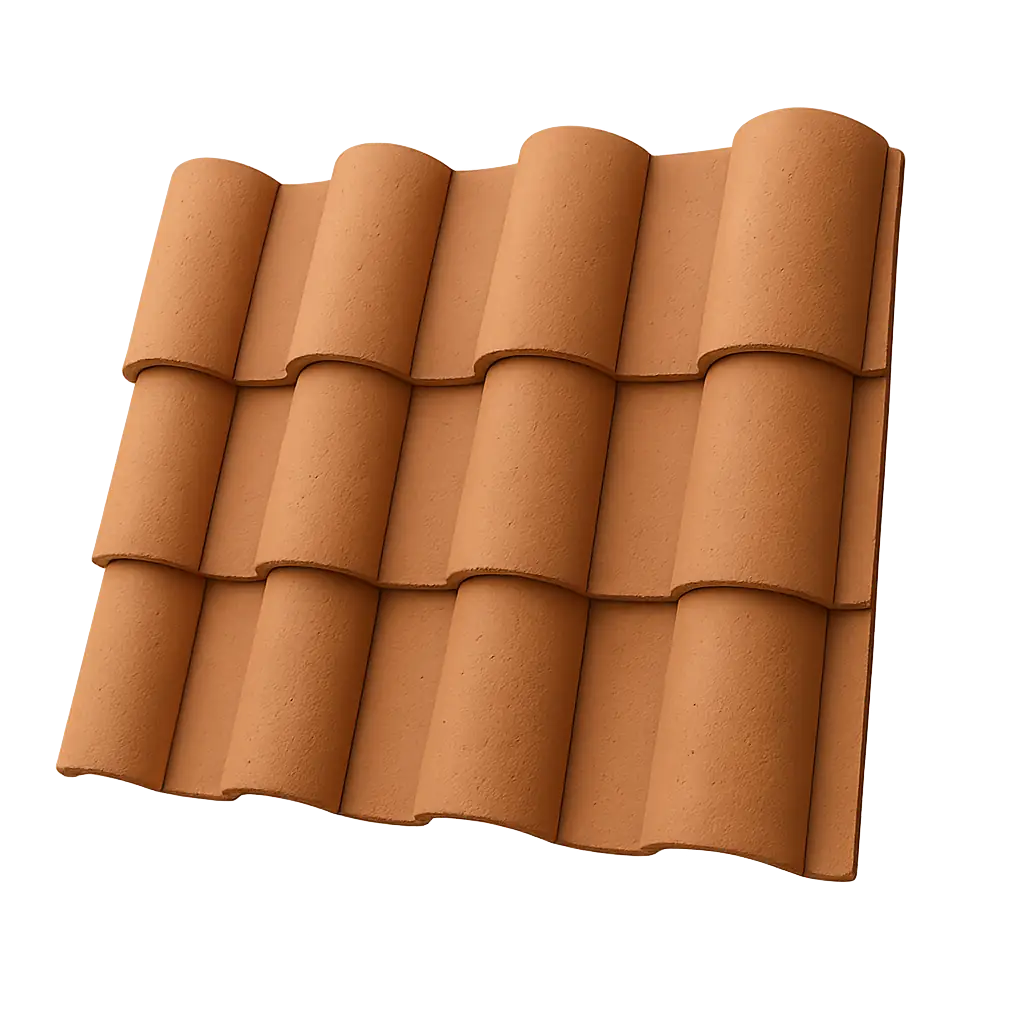
Mediterranean beauty, natural fire resistance.
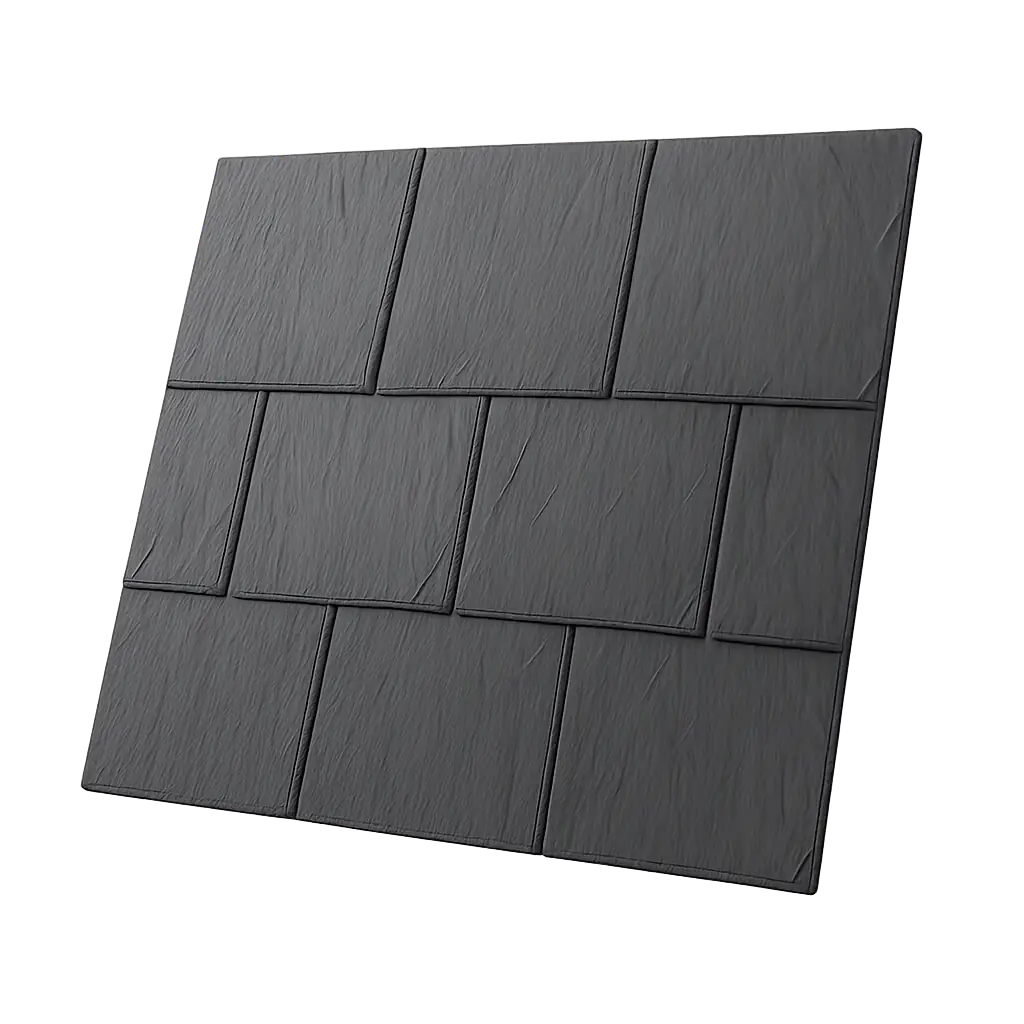
Lightweight durability with classic charm.
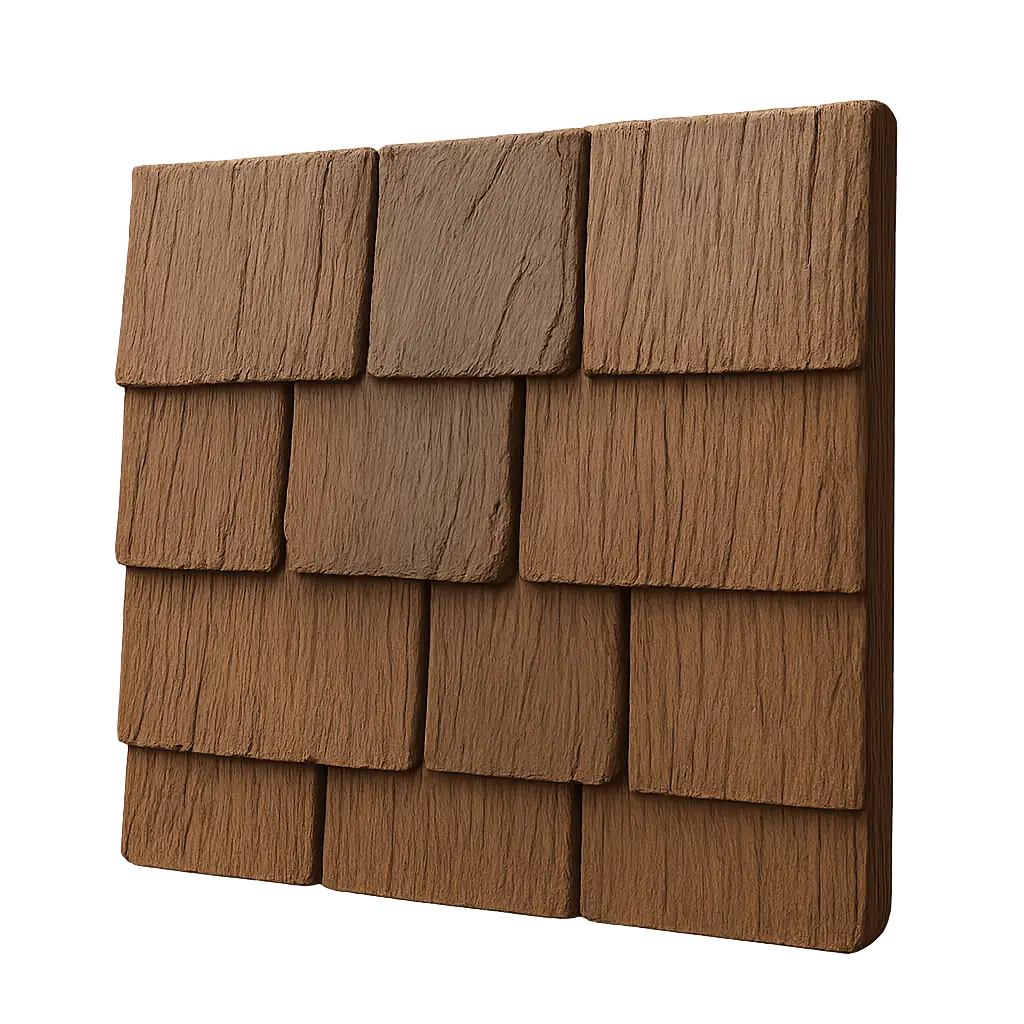
Wood shake appearance, no rot or warping.

The gold standard for low-slope protection.

Eco-friendly composites with authentic detail

Classic layered look, durable protection.
Share
Share
Manufacturer brochures promise big numbers. “50-year shingles.” “Lifetime slate.” “Centuries of protection.”
But Chicago weather doesn’t care about marketing claims.
The freeze-thaw cycles, summer storms, hail events, and brutal temperature swings in the Chicagoland area test roofing materials in ways that mild climates simply don’t. What lasts 50 years in Arizona may only last 30 here. And what fails in 15 years elsewhere might actually hold up better in our dry winters.
So what can Chicago homeowners actually expect from premium roofing materials? Here’s what roofing professionals observe in the field, not what gets printed on a warranty card.
Roofing manufacturers test their products in controlled lab settings. They run accelerated aging tests, UV exposure simulations, and impact resistance checks. These tests matter. They establish baselines and allow for product comparisons.
But they don’t replicate your roof.
Your roof faces:
This is why two identical roofs, installed the same year with the same materials, can have wildly different lifespans.
Manufacturer claims: 30 to 50 years
What contractors typically see in Chicagoland: 20 to 30 years, sometimes less
Cedar shake has a long history on Chicago’s North Shore. Drive through Winnetka, Kenilworth, or Barrington Hills and you’ll see dozens of cedar roofs. Many of them are showing their age.
Cedar is beautiful. It weathers to a silver-gray that many homeowners love. But it’s also organic material fighting an uphill battle against Midwest conditions.
What shortens cedar’s life here:
Many cedar roofs installed in the late 1980s and early 1990s are now at or past their functional lifespan. Homeowners who expected 40 years are finding themselves facing replacement at 28 or 32 years.
This isn’t a knock on cedar. It’s a reality check. Cedar can be a great choice, but only if you understand the maintenance commitment and realistic timeline.
Manufacturer claims: 75 to 200 years (depending on slate origin)
What contractors typically see: 60 to 150+ years for quality slate, 40 to 60 years for lower-grade material
Natural slate is the closest thing to a “forever roof” that exists. Some slate roofs in the eastern U.S. have lasted 150 years or more. Chicago has historic slate roofs from the early 1900s still performing today.
But not all slate is equal.
Slate quality varies dramatically by source:
What affects slate lifespan in Chicago:
A well-maintained natural slate roof on a stable structure with quality flashings can outlast any homeowner. But “slate” alone isn’t a guarantee of longevity. The source, installation, and ongoing care all matter.
Manufacturer claims: 50 years (Class 4 impact-rated products)
What contractors can observe so far: Too early for definitive data, but early indicators are positive
Here’s where honesty matters: synthetic roofing products like DaVinci and Brava have only been widely installed for about 20 to 25 years. We simply don’t have 50-year field data yet.
What we can say:
Positive indicators:
Unknown factors:
Synthetic products offer a compelling middle ground: the look of natural materials with lower maintenance and better impact resistance. But homeowners should understand they’re investing in a product without multi-generational field proof. The engineering and testing are sound. The real-world long-term data is still being written.
Manufacturer claims: 30 to 50 years (depending on product line)
What contractors typically see: 15 to 25 years for most products, 25 to 30 for premium lines
Asphalt shingles remain the most common roofing material in America for good reason: they work, they’re affordable, and installation is straightforward.
But the “50-year shingle” marketing can mislead homeowners.
The reality:
What accelerates asphalt failure in Chicago:
Asphalt shingles are a solid, practical choice. Just calibrate expectations. A “50-year” warranty is prorated and conditional. Your actual roof will likely need attention well before that.
Manufacturer claims: 40 to 70 years
What contractors observe: 30 to 50+ years for standing seam, less predictable for metal shingles
Metal roofing is gaining popularity in Chicagoland, especially for contemporary homes and as a cedar shake alternative. Standing seam metal, in particular, offers excellent performance.
Advantages in Chicago’s climate:
Concerns:
Well-installed standing seam metal can last 40 to 50 years or more. But the “installed properly” part carries more weight with metal than most other materials.
Manufacturer claims: 50 to 100 years
What contractors see: 50 to 75 years for quality clay, less predictable for concrete
Clay tile is less common in Chicagoland than in the Southwest or Florida, but you’ll find it on Mediterranean-style homes and historic properties. When installed correctly, it lasts.
Chicago-specific considerations:
Tile is a strong choice for the right home. But it’s a niche material in this market, and finding experienced installers matters more than usual.
After three decades of observing roofs in Chicagoland, patterns emerge. Material selection matters. But these factors often matter more:
Installation quality. A mid-range material installed perfectly will outperform a premium material installed poorly. Every time.
Ventilation. Inadequate attic ventilation is the single most common contributor to premature roof failure. Heat buildup in summer and moisture accumulation in winter attack roofing materials from below while weather attacks from above.
Flashing details. Most leaks happen at transitions: chimneys, valleys, skylights, vent pipes, walls. Flashing quality determines whether these vulnerable areas last 15 years or 50.
Maintenance. Some materials need more than others, but no roof is truly “maintenance-free.” Periodic inspection and prompt repair of minor issues prevents major failures.
Pitch and complexity. Low-slope areas hold water and debris longer. Complex roofs with many valleys, hips, and penetrations have more potential failure points than simple gable roofs.
If you’re facing a roof replacement, these realities should inform your thinking:
Be skeptical of lifespan marketing. Manufacturer claims are best-case scenarios under ideal conditions. Chicago conditions are not ideal. Expect 20% to 40% less life than the brochure promises.
Factor in maintenance costs. Cedar may cost less upfront than synthetic, but add 30 years of maintenance and the economics shift. Slate lasts longest but requires specialized care.
Match material to your timeline. If you’re planning to sell in 10 years, your calculation differs from someone planning to age in place for 30 years.
Invest in installation. The gap between a good installer and a mediocre one shows up in years 10 through 30. Saving $5,000 on installation can cost $15,000 in early replacement.
Get an honest assessment. A trustworthy contractor will tell you what your home actually needs, not just what generates the highest invoice.
Every roof is different. Age, material, installation quality, exposure, and maintenance history all affect how much life remains.
If you’re wondering about your current roof’s condition or weighing material options for a replacement, a professional assessment can provide the specific answers that general guidelines can’t.
Request a professional roof evaluation from a contractor who will give you honest information, not a sales pitch.
Wolf Development specializes in premium roofing systems across Chicago’s North Shore and western suburbs. With experience across cedar shake, natural slate, synthetic materials, and specialty roofing, we help homeowners make informed decisions based on their specific homes and goals.
Timeless elegance and unmatched longevity.
Rustic warmth with natural insulation.
Slate & shake looks, modern performance.
Architectural shingles with slate-like appeal.
Energy-efficient, modern, and long-lasting.
Mediterranean beauty, natural fire resistance.
Lightweight durability with classic charm.
Wood shake appearance, no rot or warping.
The gold standard for low-slope protection.
Eco-friendly composites with authentic detail
Classic layered look, durable protection.