Natural Slate
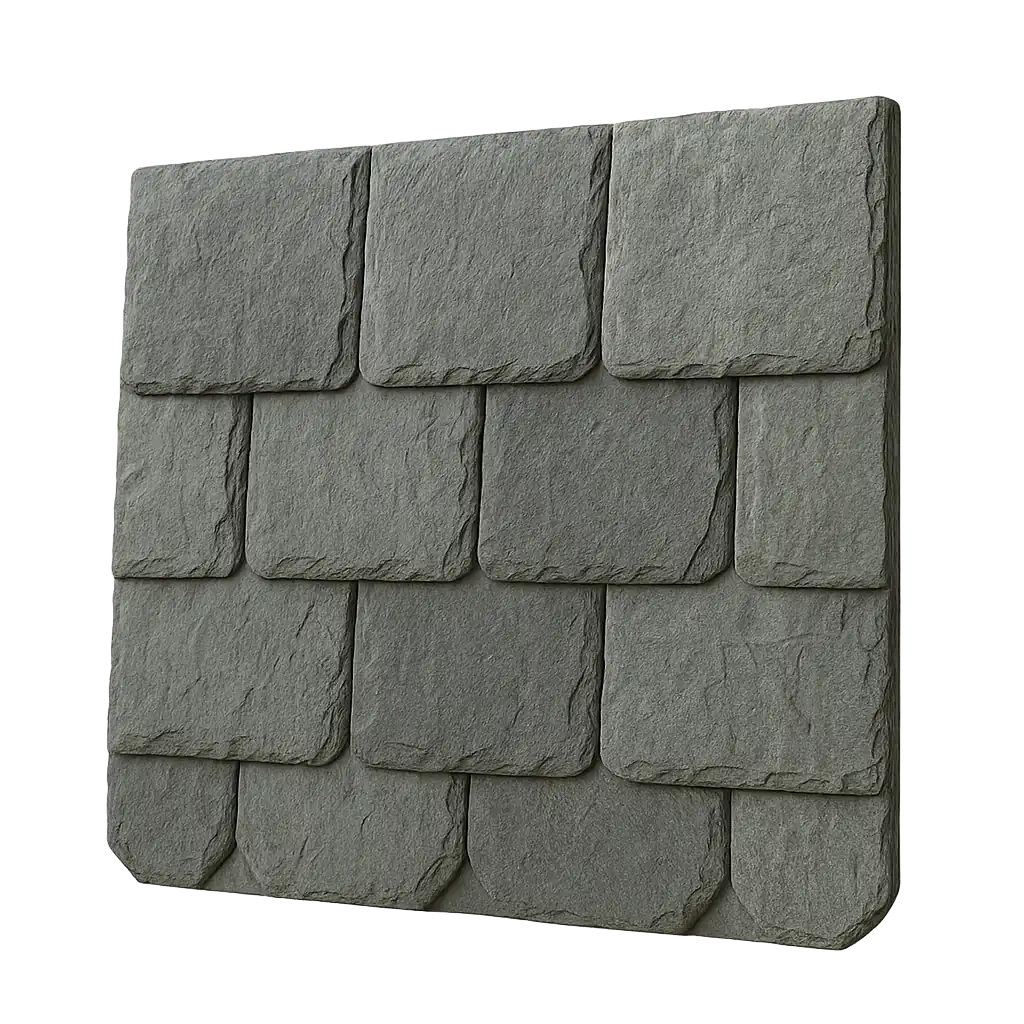
Timeless elegance and unmatched longevity.
 Skip to content
Timeless elegance and unmatched longevity.

Rustic warmth with natural insulation.
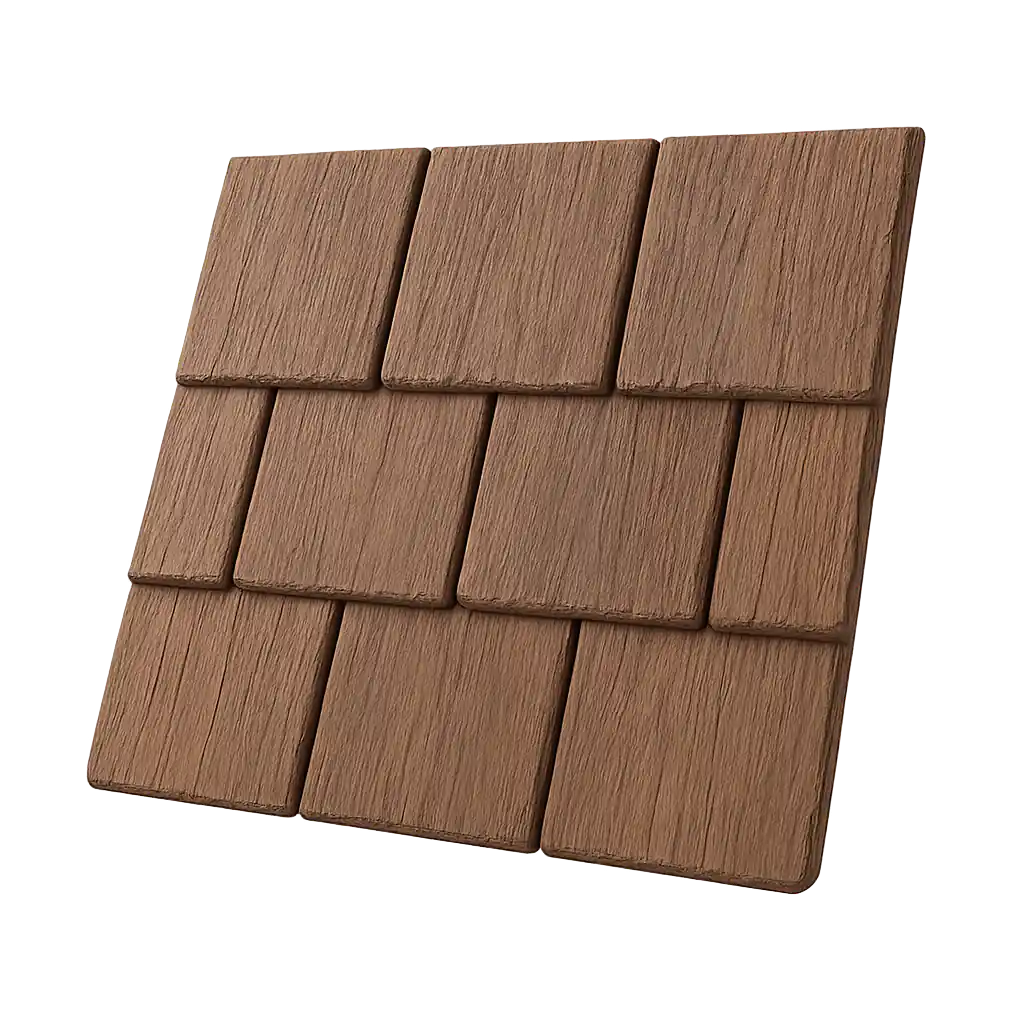
Slate & shake looks, modern performance.
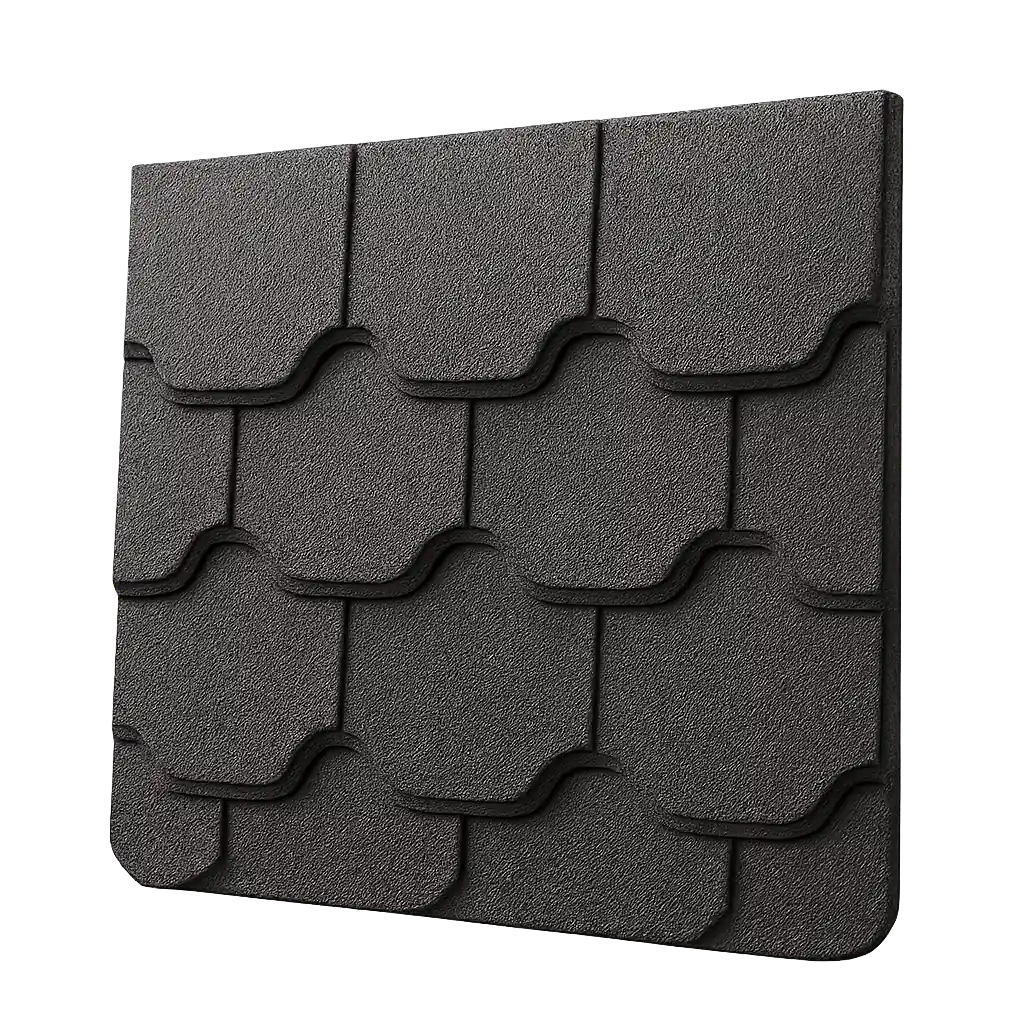
Architectural shingles with slate-like appeal.
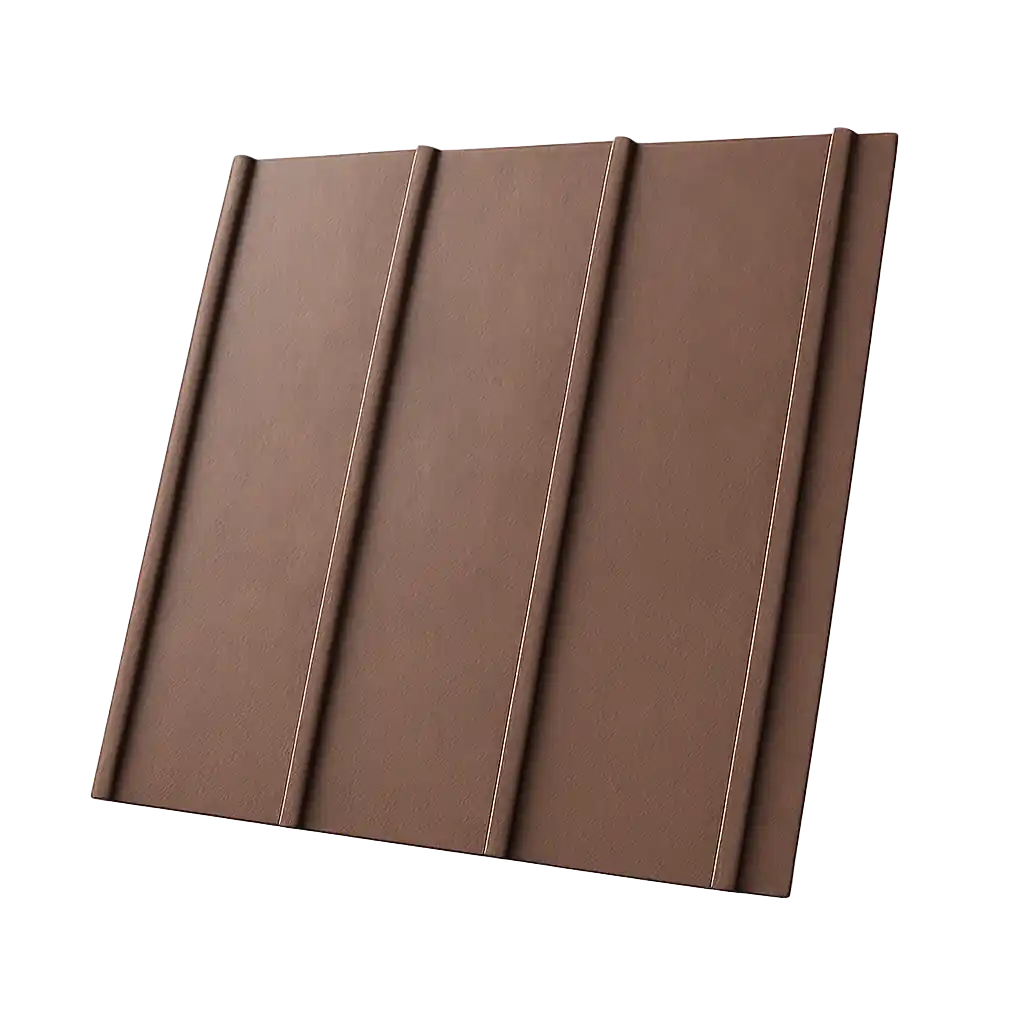
Energy-efficient, modern, and long-lasting.
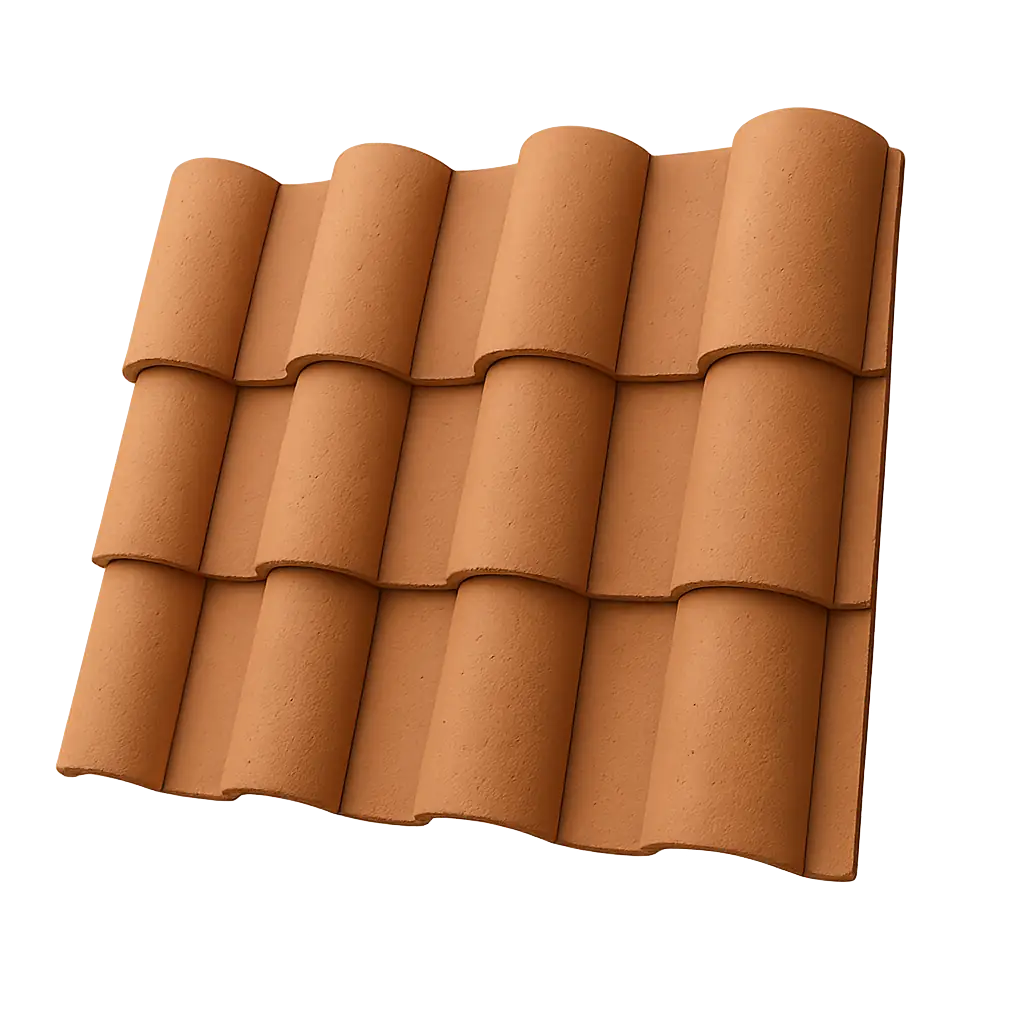
Mediterranean beauty, natural fire resistance.
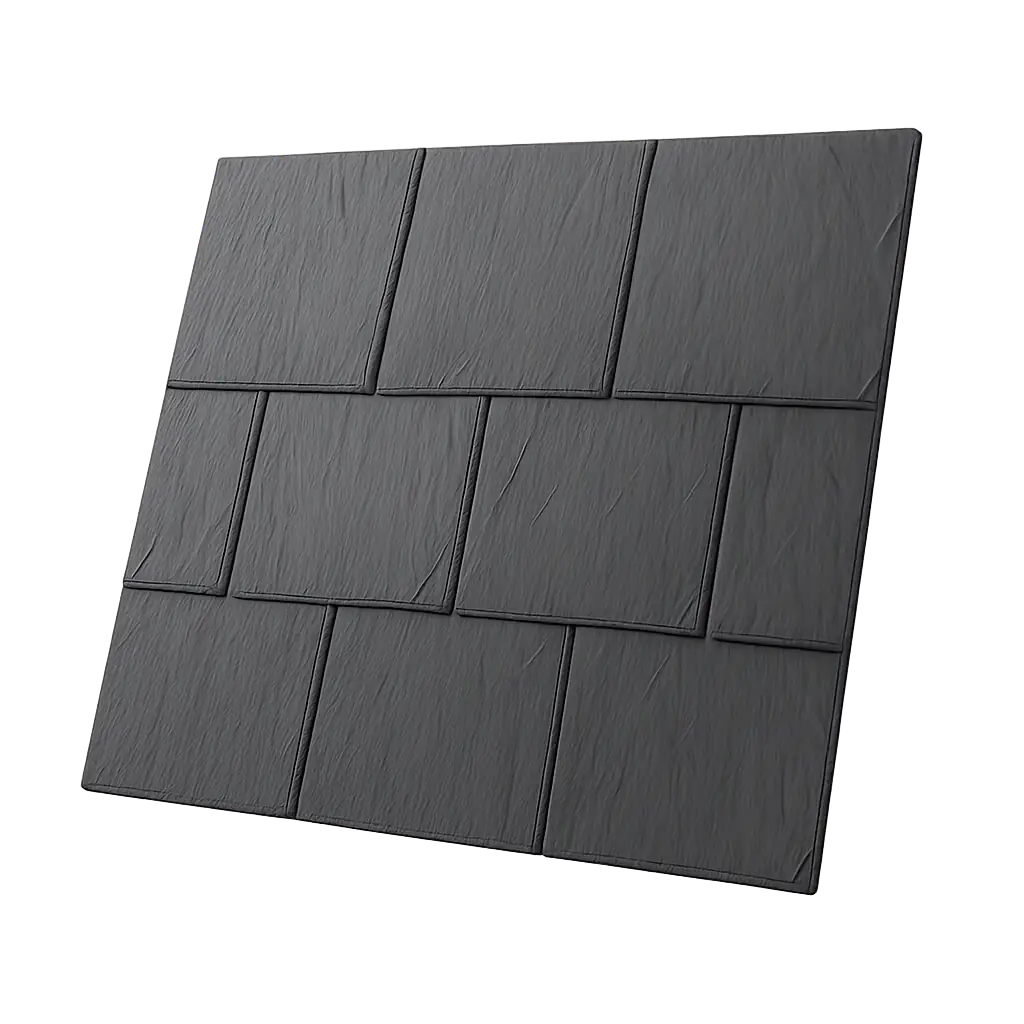
Lightweight durability with classic charm.
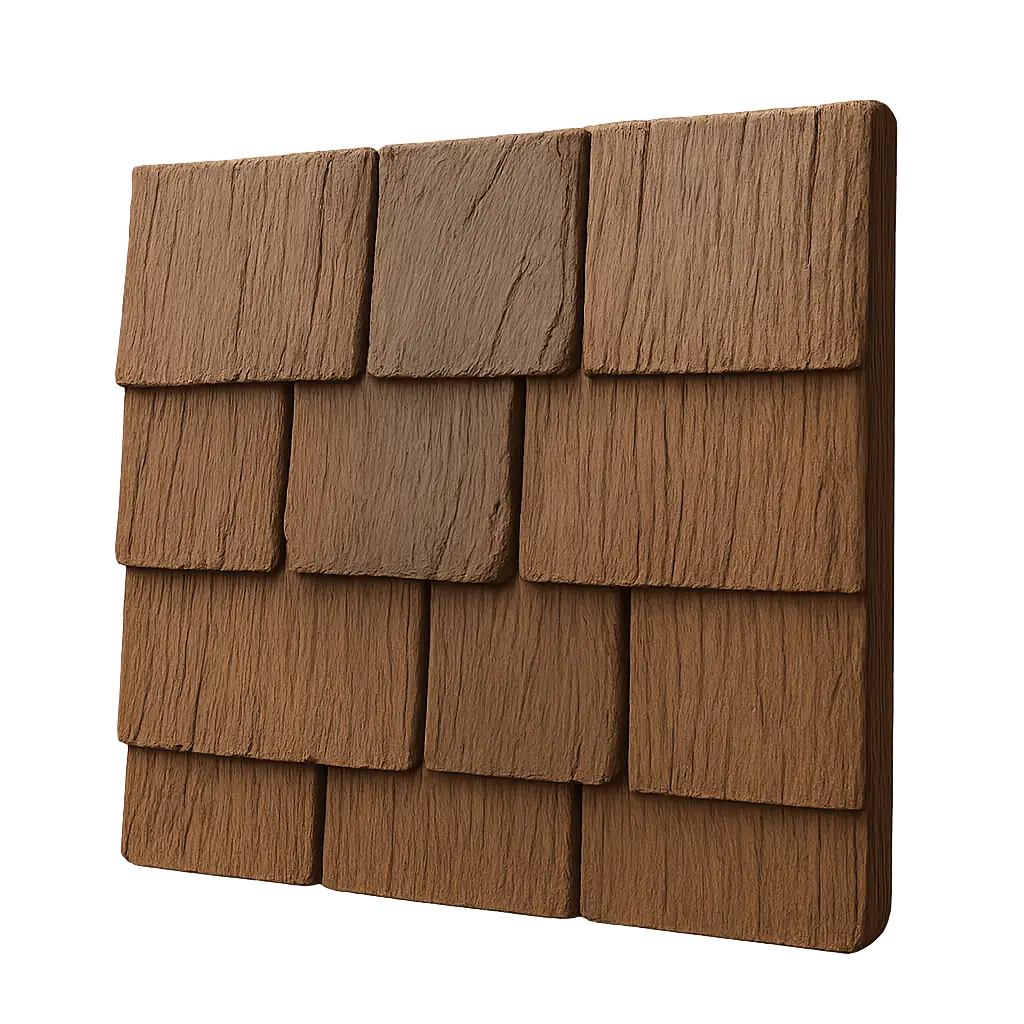
Wood shake appearance, no rot or warping.

The gold standard for low-slope protection.
Eco-friendly composites with authentic detail

Classic layered look, durable protection.
Share

Share
National roofing cost averages are almost useless for Chicago homeowners planning a cedar shake replacement.
The figures you find online blend data from every region, climate, and market. They mix basic ranch homes with complex multi-story structures. They combine budget materials with premium products.
The result? Numbers that don’t match any actual quote you’ll receive.
If you own a home in Barrington, Winnetka, Hinsdale, or another North Shore or western suburb community, you’re operating in a specific market with specific cost factors. Here’s what cedar shake replacement actually costs in this area in 2026, what creates the price spread between contractors, and how to evaluate the quotes you receive.
For a typical Chicago-area home with a cedar shake roof, replacement costs in 2026 generally fall into these ranges:
Replacing cedar shake with new cedar shake:
Replacing cedar shake with synthetic shake (DaVinci, Brava):
Replacing cedar shake with architectural asphalt shingles:
These ranges are wide because roofing costs depend on far more than square footage. Two homes with identical roof areas can have quotes $30,000 apart based on the factors below.
When homeowners collect multiple quotes, they often see significant variation. One contractor quotes $55,000. Another quotes $78,000. A third comes in at $62,000.
This isn’t random. Each number reflects specific choices about materials, methods, and service levels. Understanding what drives these differences helps you compare quotes fairly.
Not all cedar shake is the same.
Cedar grades:
Source matters:
The cedar on a $52,000 quote may not be the same cedar on a $68,000 quote. Ask specifically about grade, source, and thickness.
Cedar shake is heavy. Removing an old cedar roof generates significant debris that must be loaded, hauled, and disposed of properly.
Factors affecting tear-off costs:
A quote that seems low may exclude adequate allowance for tear-off complexity. Ask what’s included and what might create additional charges.
The roof deck is the structural layer beneath your shingles or shakes. On older cedar roofs, deck problems are common.
What inspectors often find under old cedar:
Honest contractors address deck condition in their quotes. Some include an allowance for typical repairs. Others quote the roofing work separately and price deck repairs per sheet of plywood if needed.
Understanding why decks fail helps you evaluate what’s actually needed versus what’s being oversold.
Red flag: A contractor who quotes without inspecting the attic or discussing potential deck issues is either inexperienced or planning to surprise you with charges later.
Square footage alone doesn’t capture the work involved in a roofing project. Two 3,000 square foot roofs can require vastly different labor hours.
Complexity factors:
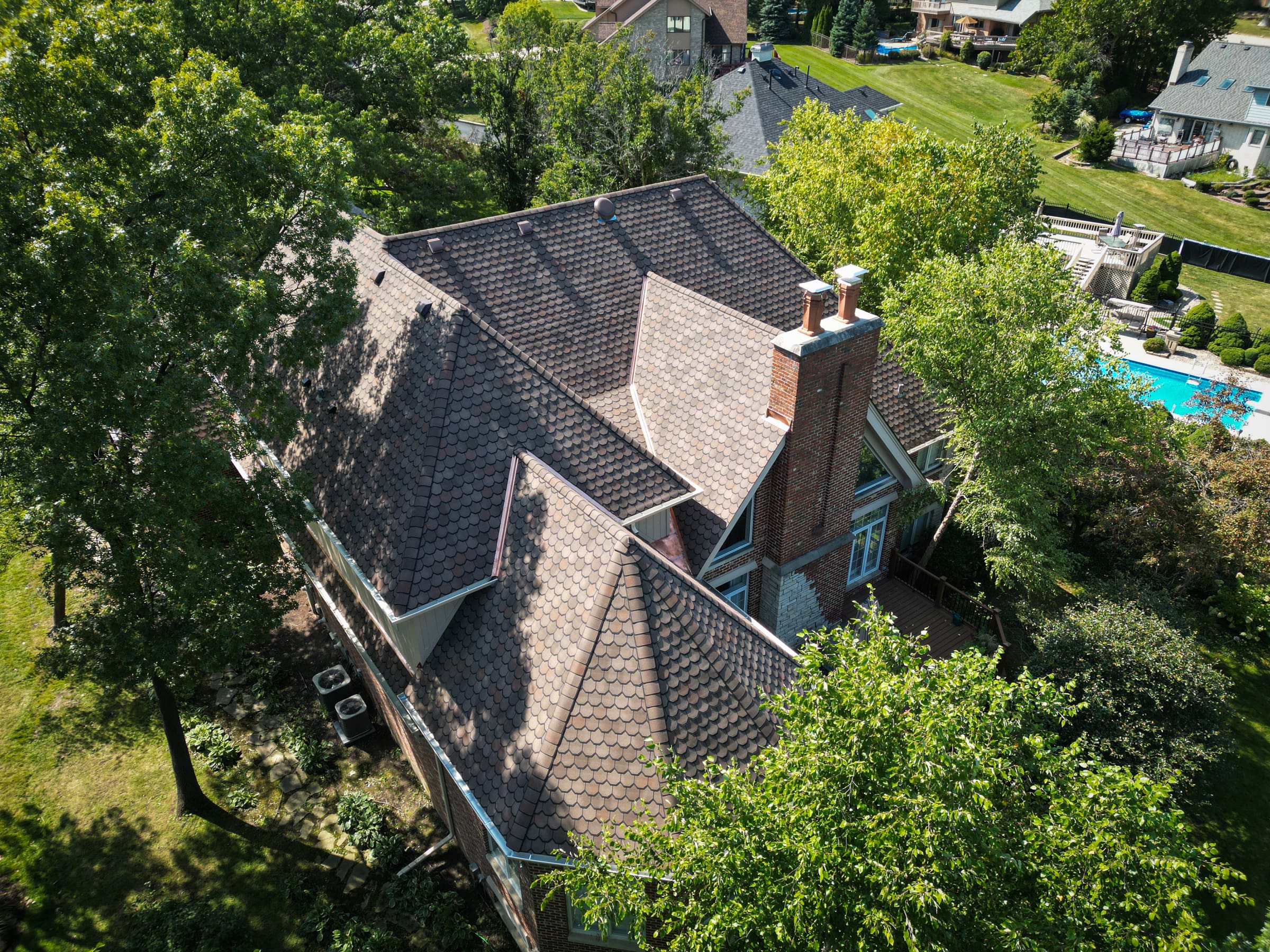
Homes in established North Shore neighborhoods often have complex rooflines. Colonial Revivals, Tudors, and custom designs from the 1920s through 1990s frequently feature steep pitches, multiple dormers, and intricate details.
A flat-rate-per-square-foot quote on a complex roof means the contractor either hasn’t looked carefully or is planning to cut corners.
Flashings protect every vulnerable transition point on your roof. Material choice affects both cost and longevity.
Flashing options:
If you’re investing in a cedar shake or synthetic roof meant to last 30 to 50 years, installing aluminum flashings that might fail in 15 years doesn’t make sense. But copper flashings add meaningful cost to a project.
Ask what flashing material is specified. “We use quality flashings” isn’t an answer. Get the specific material named.
Proper attic ventilation extends roof life and prevents moisture problems. As inspection data consistently shows, inadequate ventilation is one of the leading causes of premature roof failure.
Ventilation work that may be needed:
Some contractors include ventilation assessment and correction in their scope. Others treat it as an add-on. Either approach can be legitimate, but you need to know what you’re comparing.
A roof quote that ignores ventilation may deliver a lower number but sets up the new roof for shortened life.
Labor is the least visible cost factor and often the most important.
What separates installation quality:
Two quotes with similar line items can represent very different installation quality. This is hard to evaluate from paperwork alone, which is why references from similar completed projects matter.
Beyond general cost factors, certain situations create price variation for individual homeowners.
Timing and scheduling:
Project bundling:
Geographic location:
Home characteristics:
When you receive multiple quotes, direct price comparison often misleads. A lower number isn’t better if it represents lesser materials, excluded work, or inexperienced installation.
Create an apples-to-apples comparison:
The best value often isn’t the lowest price. It’s the price that reflects quality materials, complete scope, skilled installation, and a contractor who stands behind their work.
Before committing to any contractor, get clear answers to these questions:
About materials:
About the work:
About protection:
About the company:
A contractor who answers these questions confidently and completely deserves serious consideration. One who deflects, gets vague, or pressures you to decide quickly deserves skepticism.
Cedar shake replacement is a significant investment. For many Chicago-area homeowners, it’s one of the largest single expenditures they’ll make on their home.
The goal isn’t to find the cheapest option. It’s to find the right option: appropriate materials, thorough workmanship, and a contractor who will execute properly and stand behind the result.
Understanding what affects roof lifespan helps you weigh the long-term economics, not just the upfront cost.
If you’re evaluating cedar shake replacement or considering alternatives like synthetic shake that offer similar aesthetics with different maintenance requirements, professional guidance helps you match the right solution to your specific home and goals.
Request a detailed assessment and estimate that explains not just the price, but what’s driving it and what you’ll receive for your investment.
Wolf Development provides premium roofing services throughout Chicago’s North Shore and western suburbs. We specialize in cedar shake, synthetic shake, slate, and other high-end roofing systems for discerning homeowners who expect quality materials, skilled installation, and straightforward communication.
Timeless elegance and unmatched longevity.
Rustic warmth with natural insulation.
Slate & shake looks, modern performance.
Architectural shingles with slate-like appeal.
Energy-efficient, modern, and long-lasting.
Mediterranean beauty, natural fire resistance.
Lightweight durability with classic charm.
Wood shake appearance, no rot or warping.
The gold standard for low-slope protection.
Eco-friendly composites with authentic detail
Classic layered look, durable protection.