Natural Slate
Timeless elegance and unmatched longevity.
 Skip to content
Timeless elegance and unmatched longevity.

Rustic warmth with natural insulation.
Slate & shake looks, modern performance.
Architectural shingles with slate-like appeal.
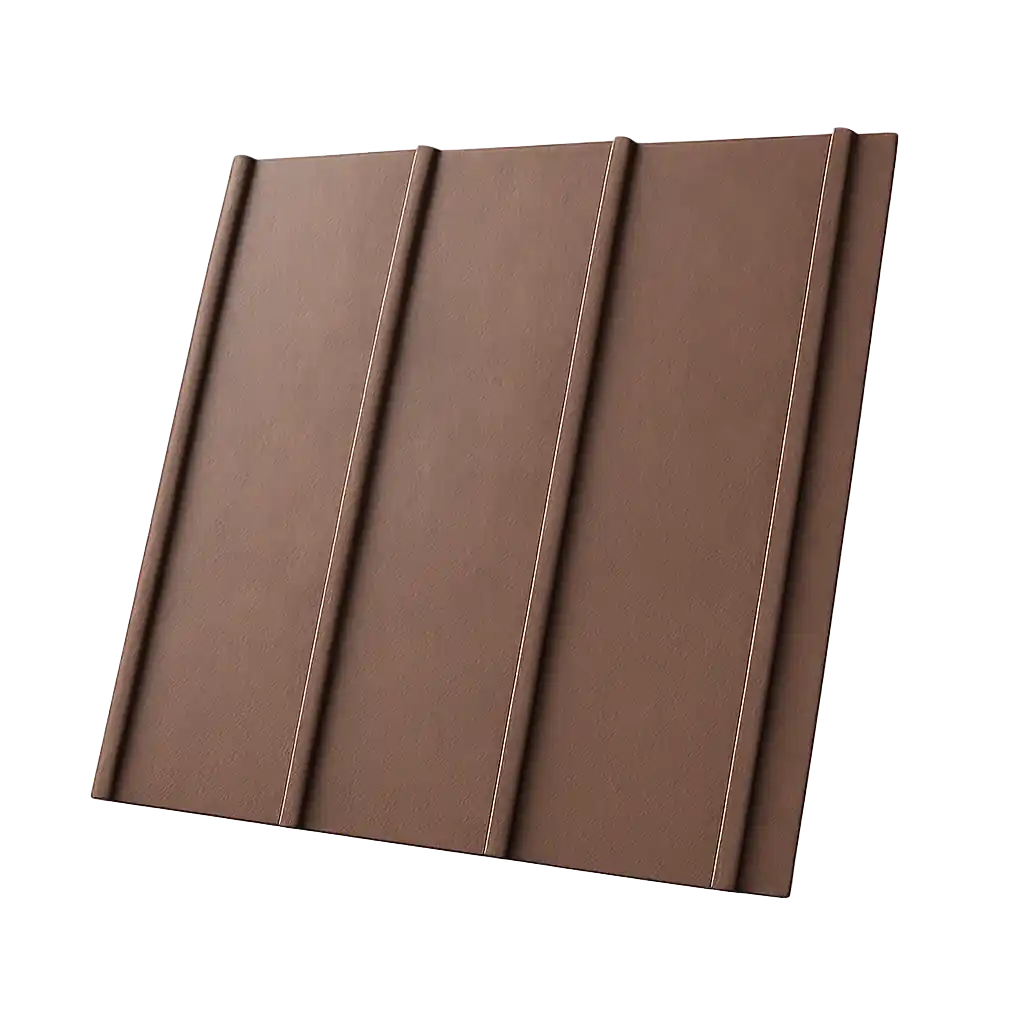
Energy-efficient, modern, and long-lasting.
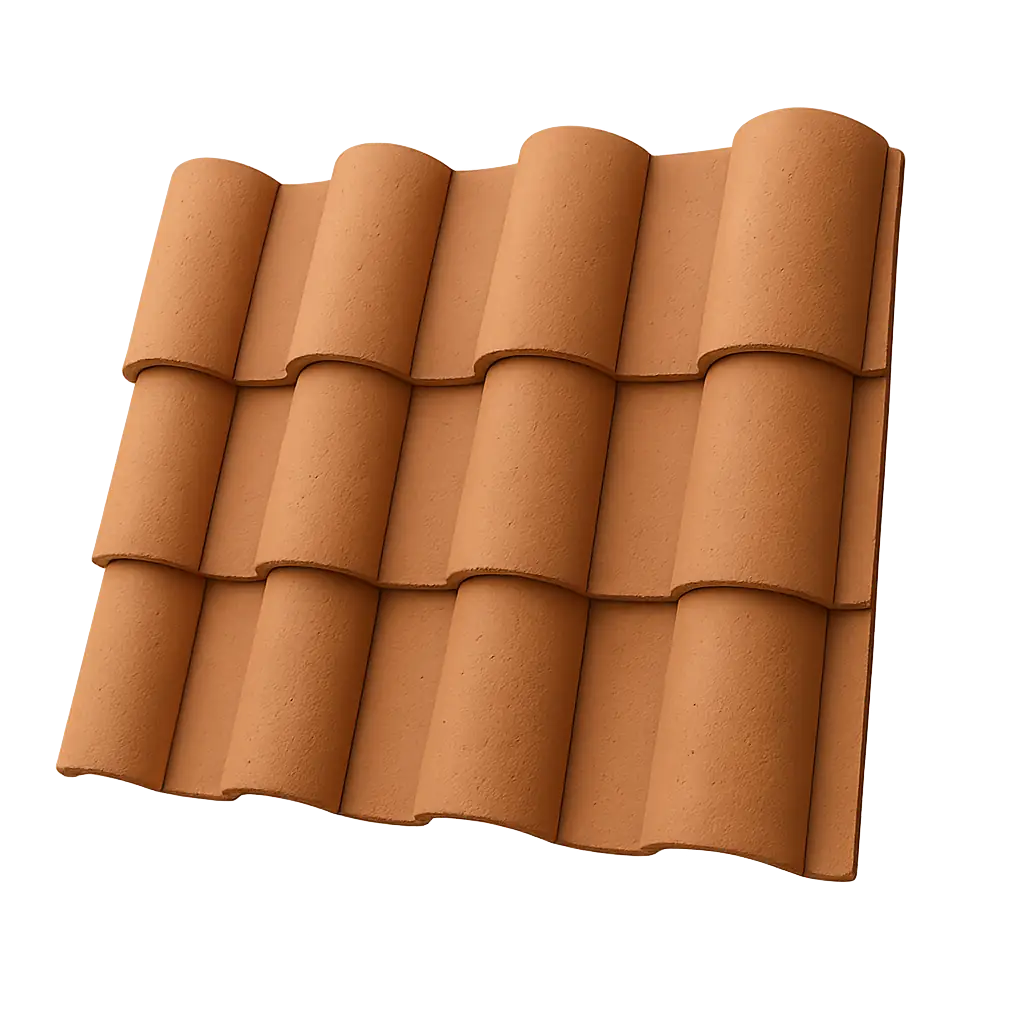
Mediterranean beauty, natural fire resistance.
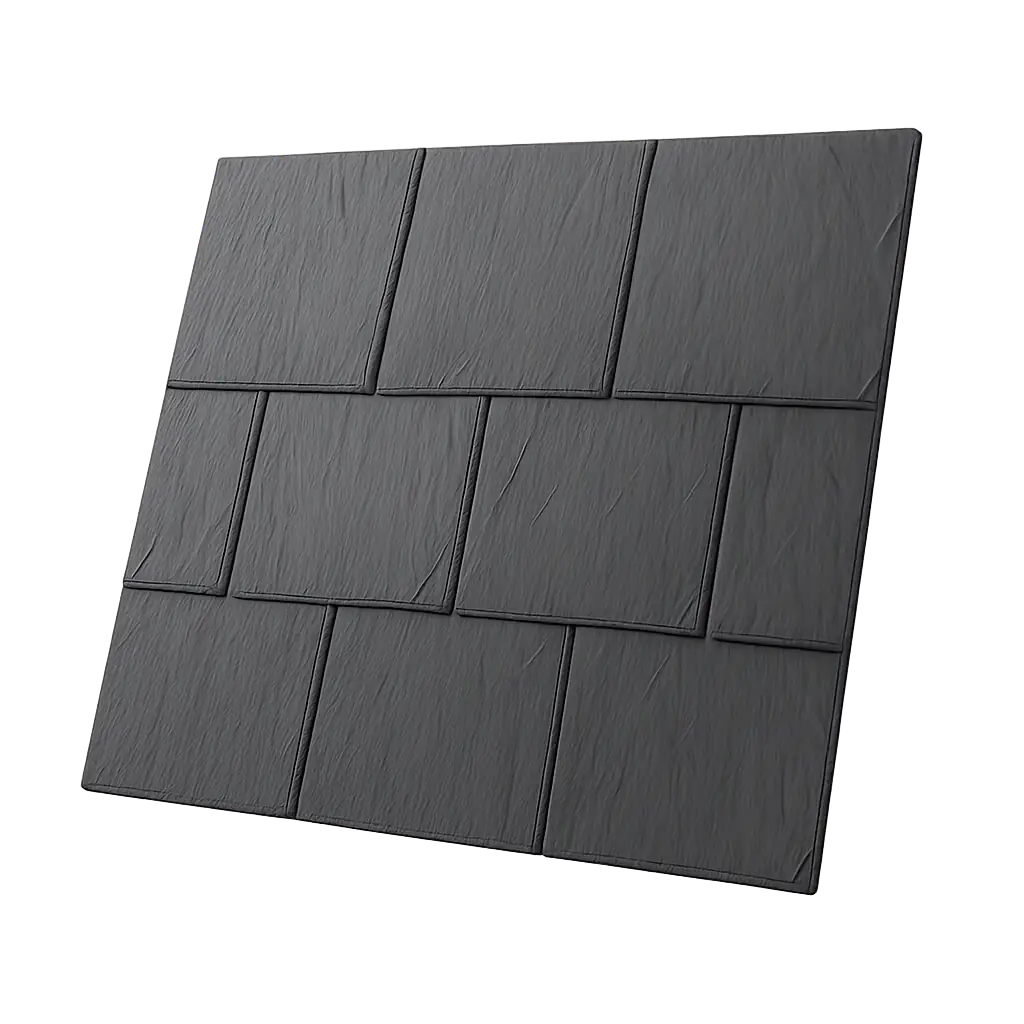
Lightweight durability with classic charm.
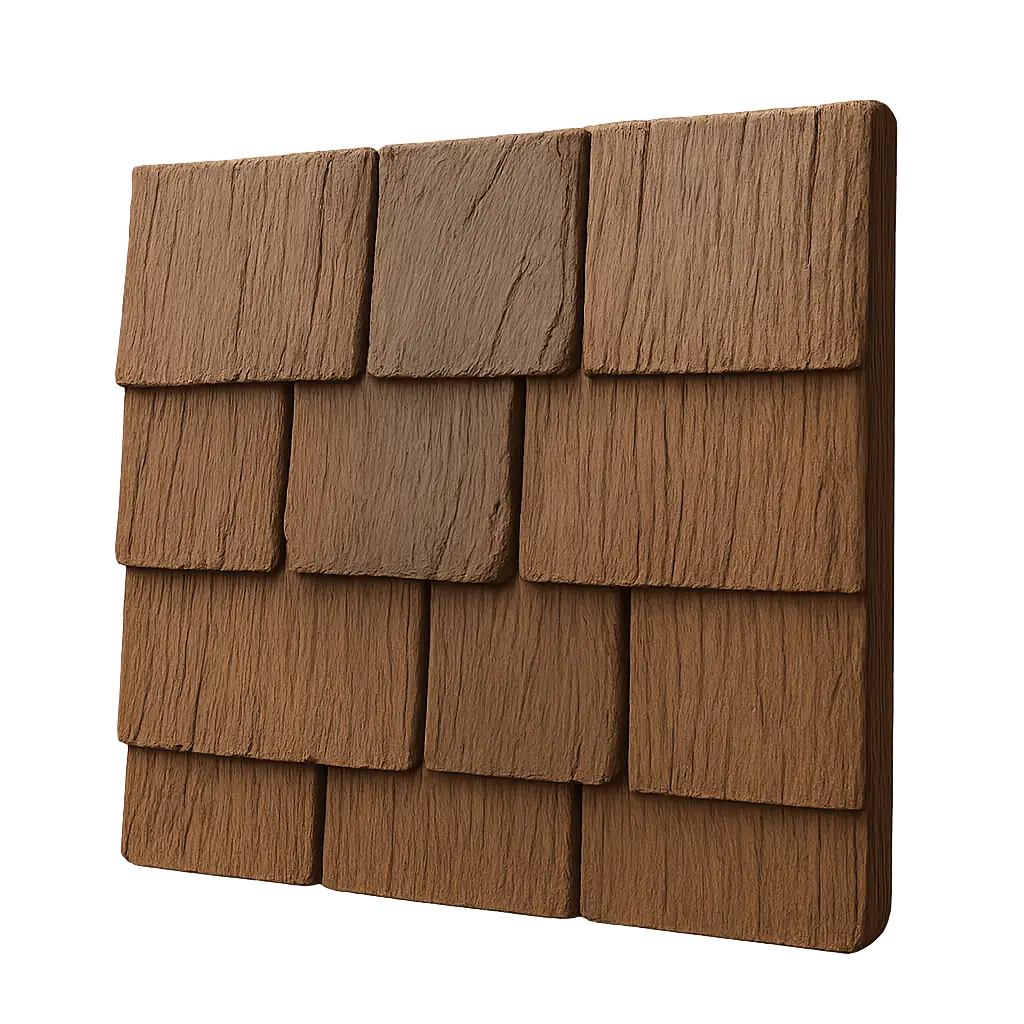
Wood shake appearance, no rot or warping.

The gold standard for low-slope protection.

Eco-friendly composites with authentic detail

Classic layered look, durable protection.
Share

Share
“You’ll get it all back when you sell.”
Homeowners hear this constantly when considering major improvements. Contractors say it. Real estate agents say it. Friends and neighbors say it.
For roofing, it’s partially true. But the full picture is more complicated than the reassurance suggests.
A new roof does add value. It removes a major concern for buyers, supports higher pricing, and can accelerate sale timelines. But whether you “get it all back” depends on multiple factors: what material you choose, what neighborhood you’re in, what condition the old roof was in, and what buyers in your market actually care about.
Here’s how Chicago-area homeowners should think about roofing investments and resale value.
Home improvement ROI statistics get quoted constantly. “A new roof returns 60% to 70% of cost.” Or “Roof replacement is one of the best investments for resale.”
These numbers come from national surveys that blend every market, price point, and situation into single averages. They’re not wrong, exactly. They’re just not useful for your specific decision.
A roof replacement in suburban Phoenix and a roof replacement in Winnetka are completely different projects with different costs, different buyer expectations, and different value impacts. National averages blur these differences into meaninglessness.
What matters is how roofing investment plays out in your specific market. And in Chicago’s affluent suburbs, the dynamics differ from national patterns in important ways.
Understanding buyer psychology in the North Shore and western suburbs helps explain how roofing affects value.
In premium markets, buyers don’t add value for a good roof. They subtract value for a bad one.
When someone is considering an $850,000 home in Barrington Hills or a $1.2 million home in Hinsdale, they expect the roof to be sound. A quality roof doesn’t make them pay more. It simply removes a reason to pay less.
But a failing roof? That triggers significant price reduction, extended negotiation, or buyers walking away entirely.
This asymmetry matters. Roof replacement often “returns” value not by adding dollars to your sale price but by preventing dollars from being subtracted.
A home with a 25-year-old cedar shake roof showing visible deterioration might sell for $60,000 to $100,000 less than the same home with a sound roof. The buyer is pricing in replacement cost plus hassle, risk, and uncertainty. Replace the roof before listing, and you eliminate that discount. You don’t necessarily sell for more than comparable homes with good roofs. You just avoid selling for less.
Buyer expectations vary by community and price point.
In neighborhoods where cedar shake is traditional and expected, a new cedar or synthetic shake roof maintains value. Switching to architectural shingles might save money on the installation but could actually reduce appeal to buyers who expect the neighborhood aesthetic.
In communities with diverse roofing materials, the calculation shifts. A premium synthetic or metal roof might add perceived value beyond basic shingles.
In historic districts or architecturally controlled communities, material choice may be restricted. A slate restoration might be the only appropriate option, regardless of comparative costs.
Understanding what buyers in your specific neighborhood expect and value shapes the right investment decision.
Nearly every home sale in this market involves a professional inspection. Inspectors evaluate roof condition, estimate remaining life, and flag concerns.
A roof nearing end of life will be called out. That finding goes into negotiation. Buyers will either demand price reduction, request replacement before closing, or ask for escrow holdbacks to cover future replacement.
The amounts involved aren’t small. On a premium home, roofing-related negotiation can easily reach $40,000 to $80,000 or more, depending on the roof size, material, and complexity.
Proactive replacement before listing eliminates this negotiation entirely. The inspection report says the roof is new. Done. No discount demanded, no contingencies, no uncertainty.
Several variables determine how much value your roofing investment creates or protects.
The worse your current roof, the more value replacement creates.
If your existing roof is 10 years old and performing well, replacement before sale adds modest value. Buyers see a functioning roof with remaining life. They don’t discount heavily.
If your existing roof is 30 years old, visibly deteriorating, or has known issues, replacement changes the picture dramatically. You’re converting a major liability into a non-issue.
The delta matters. Going from “concerning” to “excellent” creates more value capture than going from “acceptable” to “excellent.”
How soon you’re selling affects the calculation.
Selling within 1 to 2 years: You capture the full “new roof” perception. Buyers see recent installation, full warranty transfer, and decades of remaining life. Value impact is maximized.
Selling in 5 to 10 years: You capture partial value. The roof is no longer “new” but is still in good condition with substantial remaining life. Some premium persists, but it diminishes.
Not planning to sell: The value calculation becomes secondary to personal benefit. You’ll enjoy the new roof yourself. Future value impact is speculative and distant.
If roof replacement is needed regardless of sale plans, timing closer to your eventual sale date maximizes value capture. If the roof can reasonably last another five years and you’re selling in two, waiting may be financially optimal, letting the next owner decide on materials and timing.
But this calculation assumes the current roof won’t cause problems or create liability before sale. Roofs that look acceptable can fail suddenly. The risk of postponement isn’t zero.
What you install affects both cost and value impact.
Matching existing neighborhood standards: If you’re replacing cedar shake with cedar shake in a neighborhood full of cedar, you’re maintaining expected value. Buyers don’t pay a premium. They simply don’t discount.
Upgrading materials: Installing synthetic shake or slate in a neighborhood of asphalt shingles might add some value, but likely not dollar-for-dollar with the higher cost. Some buyers appreciate the upgrade. Others are indifferent. Few will pay the full premium reflected in your cost difference.
Downgrading materials: Replacing cedar or slate with basic asphalt shingles in an upscale neighborhood can actually hurt value. Buyers in premium markets expect premium finishes. A material downgrade signals deferred maintenance thinking or financial stress, neither of which helps your sale.
The cost-per-year analysis matters for your own long-term ownership. For resale, neighborhood context matters as much or more.
How you document the roofing project affects buyer perception.
Valuable documentation includes:
Buyers want proof that the work was done properly by a reputable contractor. A folder with complete documentation supports the value of your investment. Vague claims of “new roof” without paperwork create doubt.
Warranty transfer is particularly important. If the manufacturer warranty follows the property and the workmanship warranty transfers to new owners, that’s a tangible benefit worth documenting clearly.
While specific ROI percentages are unreliable, patterns emerge from how homes actually sell in Chicago’s premium suburbs.
Properties with disclosed roof issues or obvious deterioration sit on market longer than comparable homes with sound roofs. In a competitive market, buyers have options. They gravitate toward homes without major pending expenses.
Extended market time has costs beyond inconvenience. Price reductions accumulate. Buyer perception shifts. A home that lingers appears less desirable regardless of the reason.
Lenders and appraisers evaluate roof condition. A roof near failure can complicate financing, particularly for buyers using certain loan programs with property condition requirements.
Appraisers may note roof condition and adjust valuation accordingly. If the appraisal comes in low due to roof concerns, the sale price may need to adjust or the buyer needs to cover the gap in cash.
A new roof removes these complications entirely.
Insurance companies increasingly scrutinize roof age and condition. Older roofs, particularly wood shake roofs, face coverage limitations, higher premiums, or outright declination in some cases.
When a buyer can’t obtain affordable insurance on a property, the sale falls through or requires significant price adjustment.
A new roof with impact-resistant ratings (Class 4 synthetic products, for example) can actually reduce insurance costs for the new owner. This is a tangible, ongoing financial benefit that some buyers factor into their calculations.
Rather than chasing unreliable ROI percentages, use this framework for your decision.
If the roof is failing, leaking, or approaching end of life, replacement isn’t optional. It’s maintenance. The only question is timing and material choice.
In this case, the value consideration is secondary. You’re doing necessary work. You’ll capture some value at sale. The exact amount matters less than addressing the underlying need.
Estimate the discount buyers would demand if you sold with the current roof condition. Consider:
If this discount approaches or exceeds your replacement cost, the math favors proactive replacement.
Research recent sales in your area. What roofing materials do comparable homes have? What condition were those roofs in? Did homes with new roofs sell faster or at premiums?
Your real estate agent should have insight here. So should roofing contractors who work regularly in your community.
If you’re selling soon, you capture maximum value from a new roof. If you’re selling in 10 years, the calculation is murkier. The roof will still have remaining life, but it won’t carry the “new” premium.
Consider whether current roof condition can safely bridge to your sale window without failure or accelerating deterioration.
A new roof adds value to your Chicago-area home, but not in the simple “spend X, get X back” equation that people often assume.
The value shows up in several ways:
Whether you “get it all back” depends on your starting point, your material choice, your neighborhood context, and your timing. Understanding the realistic lifespan and costs of different materials helps you make an informed decision rather than guessing.
If you’re weighing a roofing investment with resale value in mind, an honest assessment of your current roof’s condition and remaining life provides the foundation for smart decision-making.
Wolf Development serves homeowners throughout Chicago’s North Shore and western suburbs with premium roofing installation and consultation. We help clients understand their options and make informed decisions whether they’re planning to stay for decades or preparing for sale.
Timeless elegance and unmatched longevity.
Rustic warmth with natural insulation.
Slate & shake looks, modern performance.
Architectural shingles with slate-like appeal.
Energy-efficient, modern, and long-lasting.
Mediterranean beauty, natural fire resistance.
Lightweight durability with classic charm.
Wood shake appearance, no rot or warping.
The gold standard for low-slope protection.
Eco-friendly composites with authentic detail
Classic layered look, durable protection.