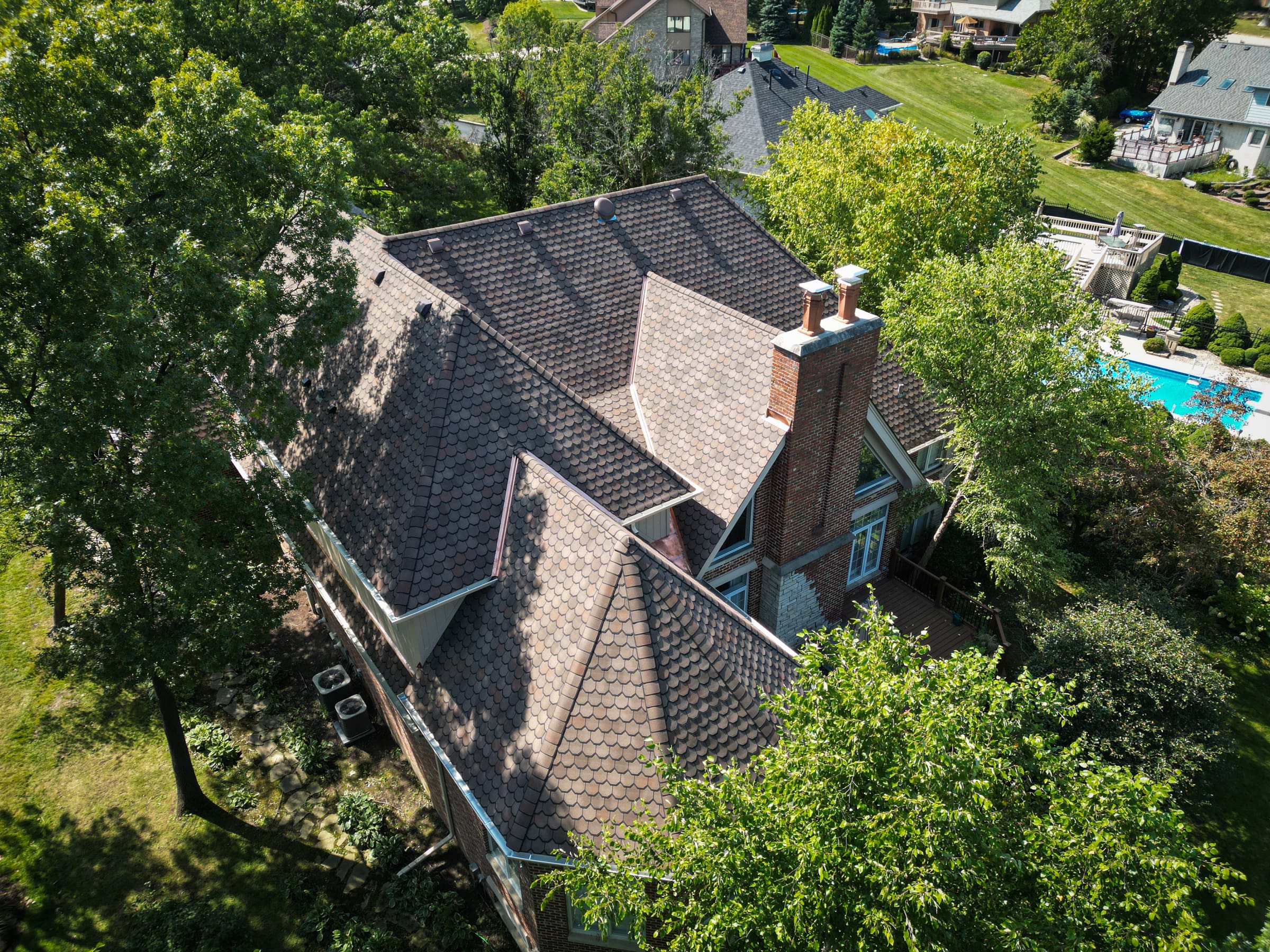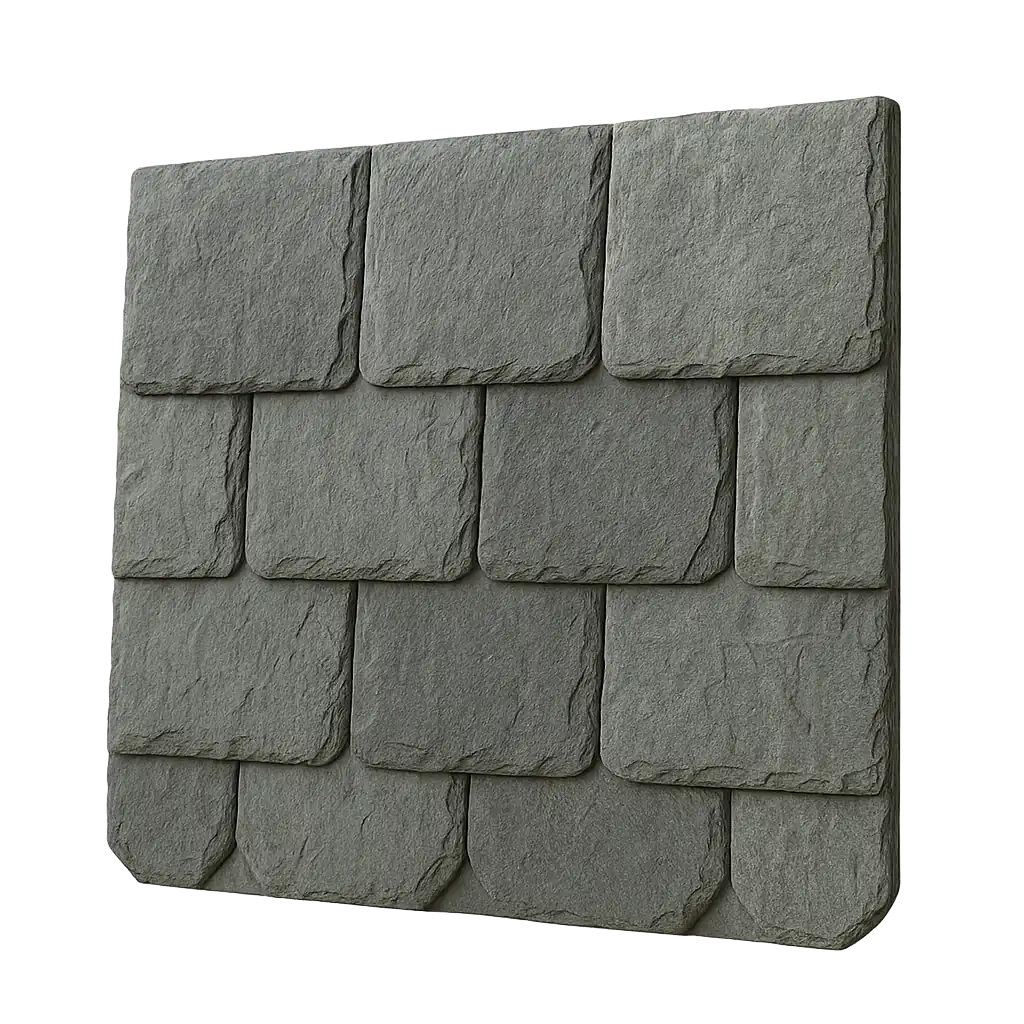
Natural Slate
Timeless elegance and unmatched longevity.
 Skip to content
Timeless elegance and unmatched longevity.

Rustic warmth with natural insulation.
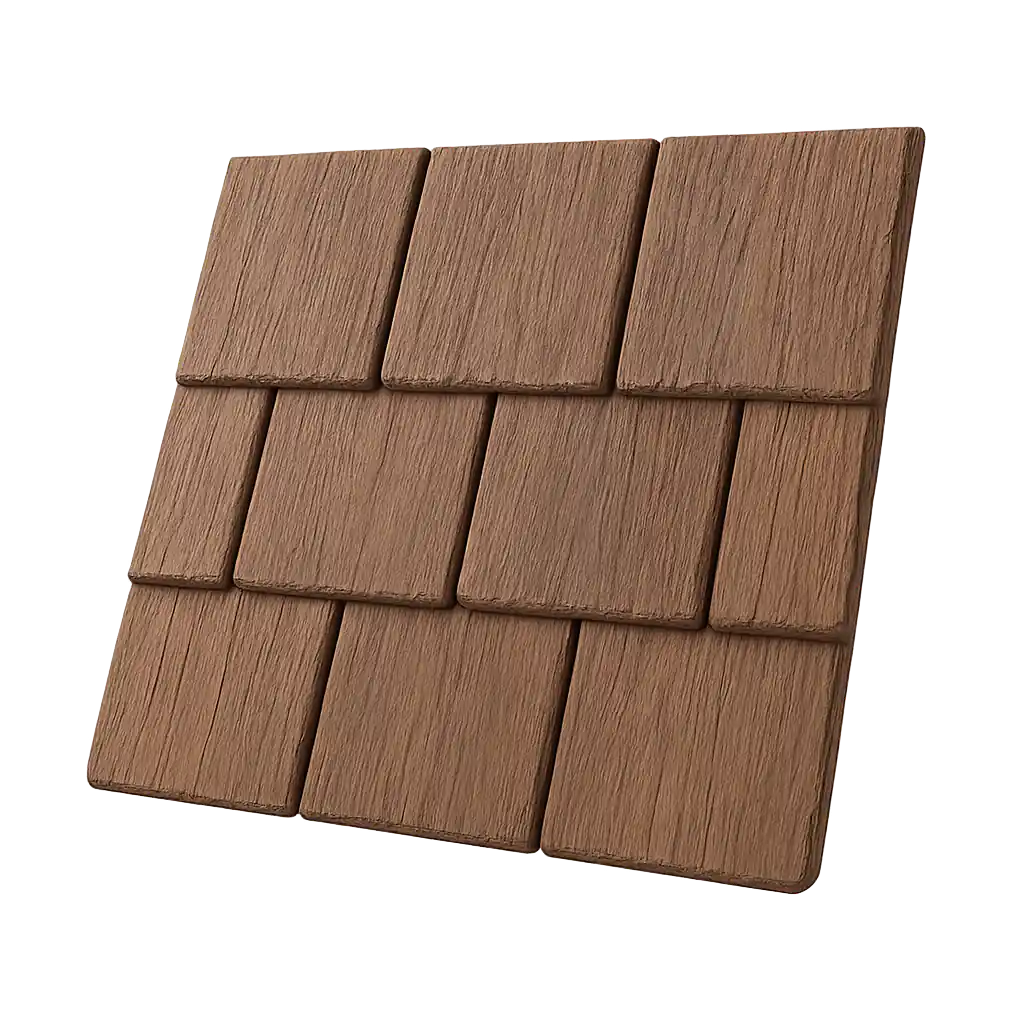
Slate & shake looks, modern performance.
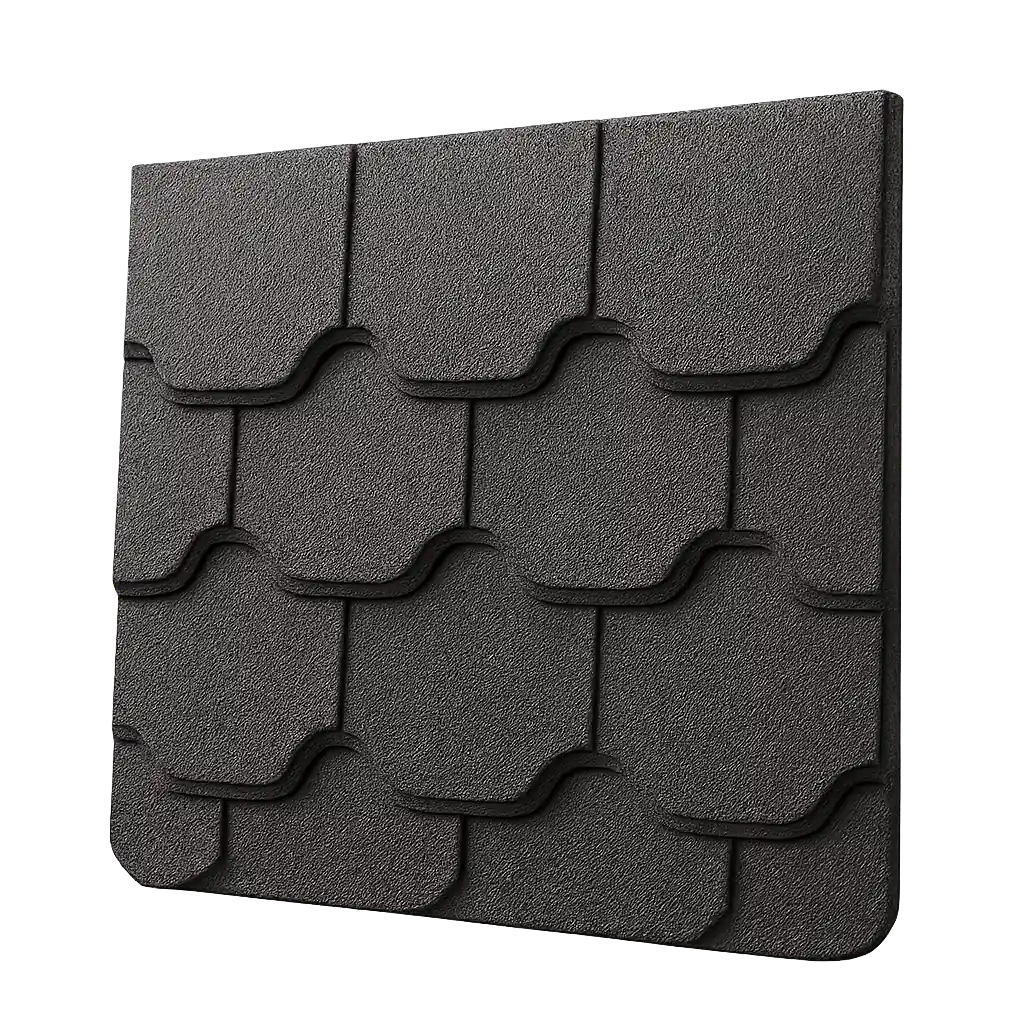
Architectural shingles with slate-like appeal.
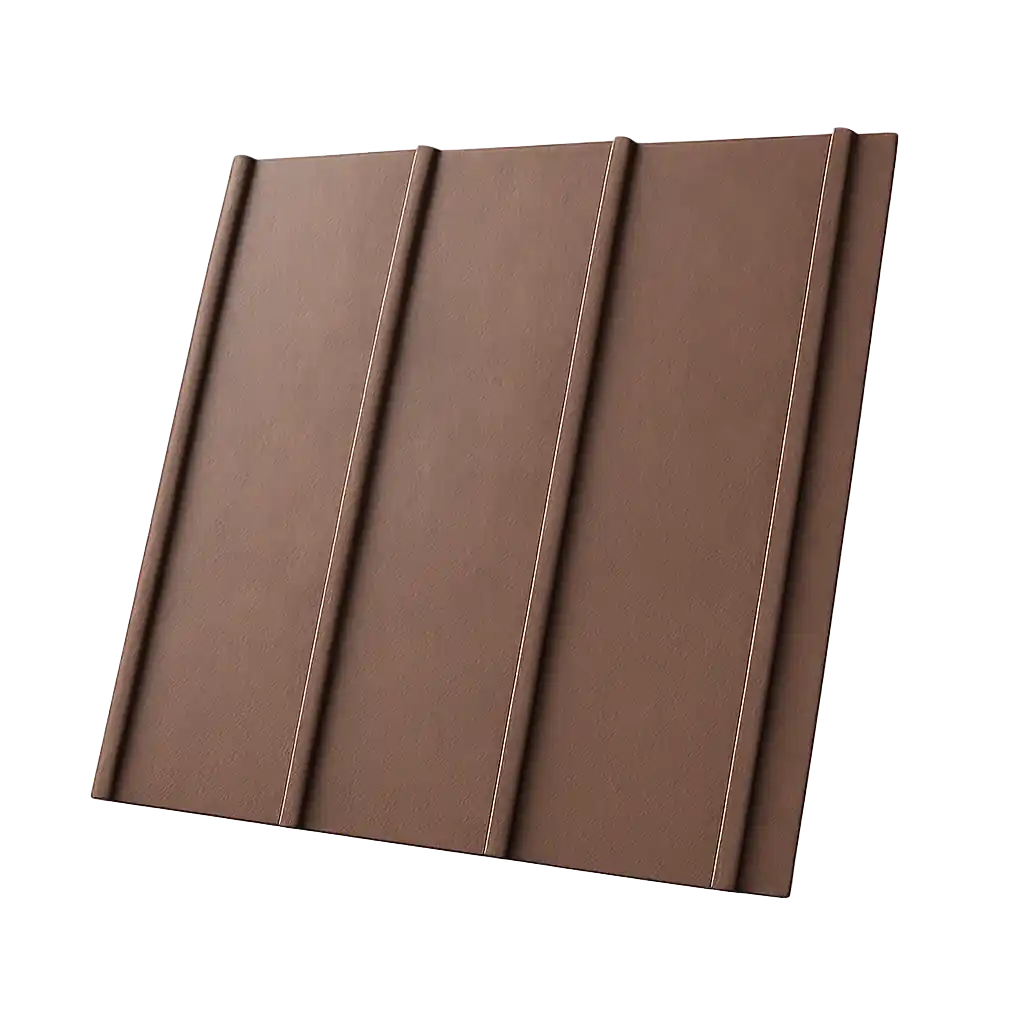
Energy-efficient, modern, and long-lasting.
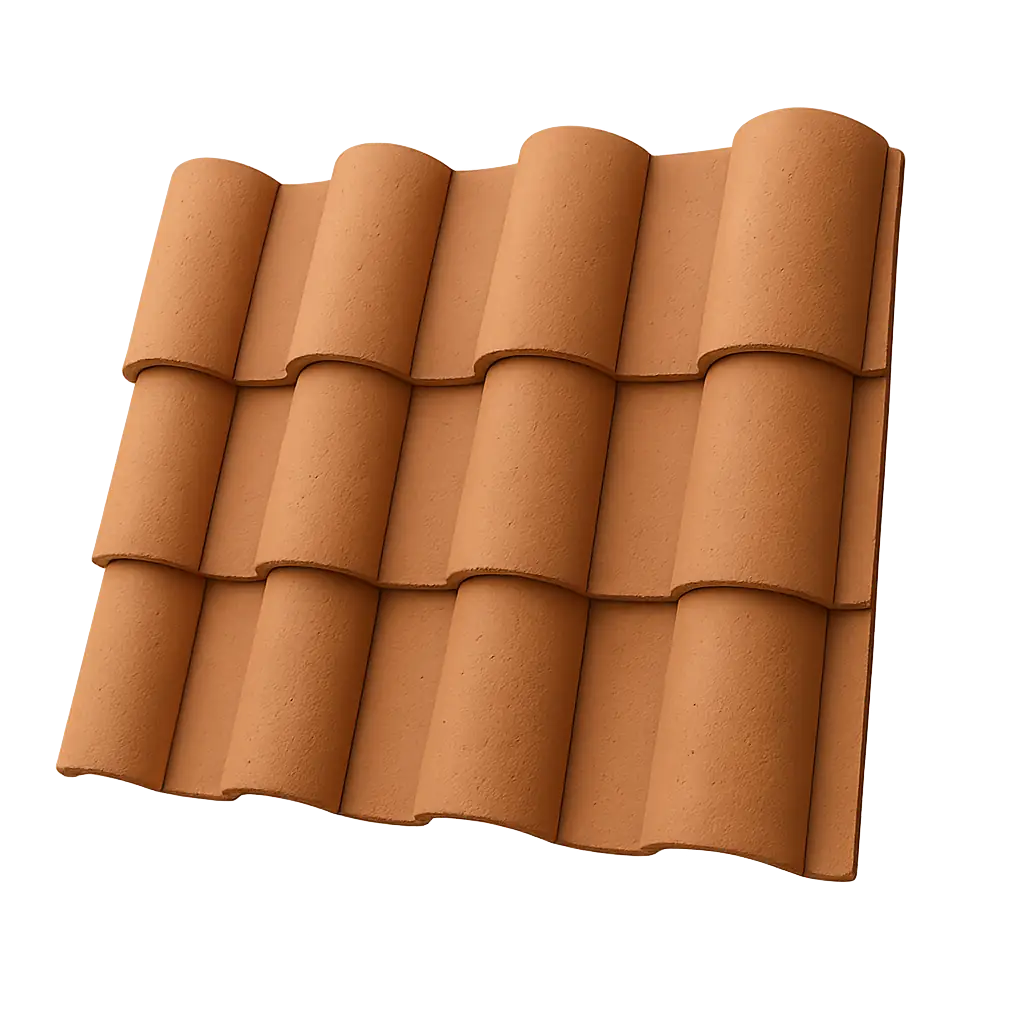
Mediterranean beauty, natural fire resistance.
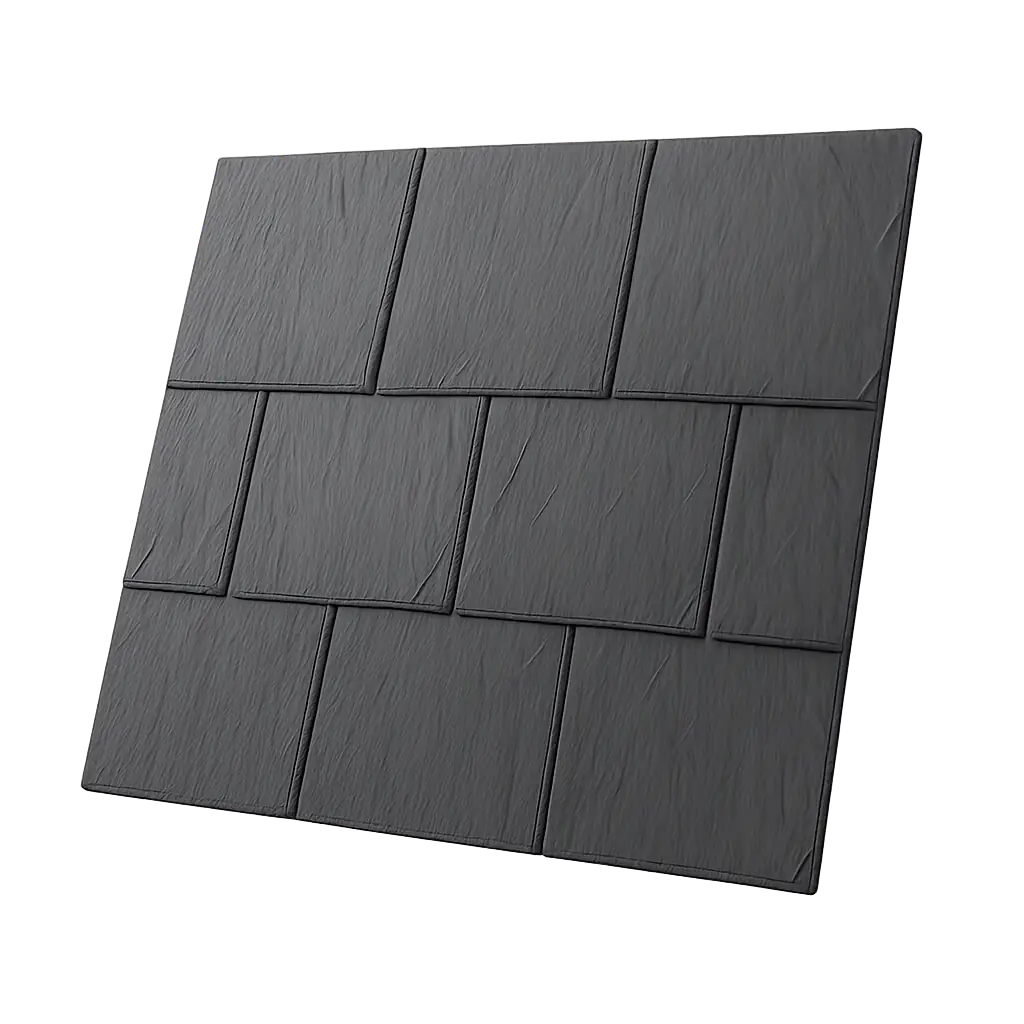
Lightweight durability with classic charm.
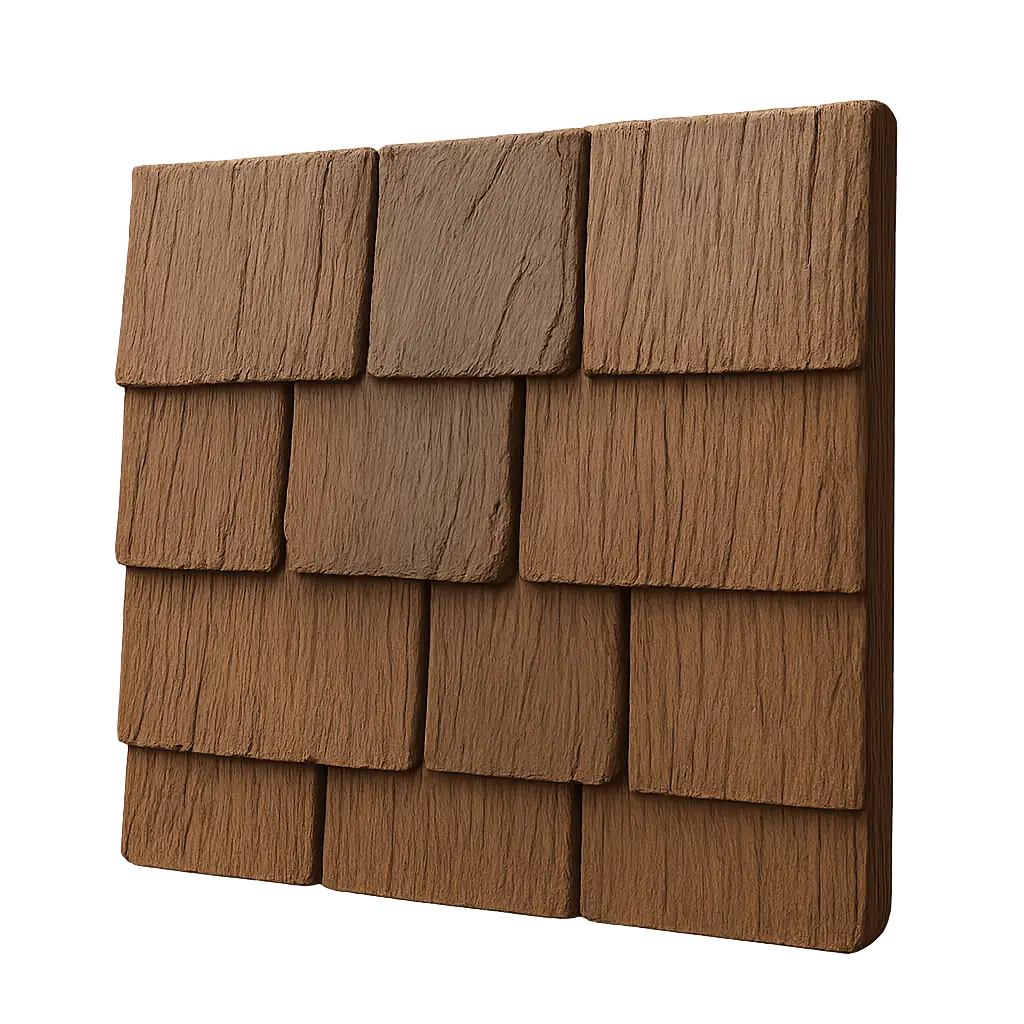
Wood shake appearance, no rot or warping.

The gold standard for low-slope protection.
Eco-friendly composites with authentic detail

Classic layered look, durable protection.
Share

The sales pitch sounds reassuring.
“This roof comes with a 50-year warranty.”
“We offer a lifetime guarantee on materials.”
“You’re protected for decades.”
These statements aren’t lies. But they’re not the full truth either. Roofing warranties are written by lawyers and designed by companies whose financial interest lies in paying as few claims as possible.
The bold print creates confidence. The fine print creates exits.
Understanding how roofing warranties actually work helps you see past the marketing and focus on what truly protects your investment: quality materials, proper installation, and a contractor who stands behind their work.
Most roofing projects involve two separate warranties. They cover different things, come from different sources, and have very different real-world value.
This covers defects in the roofing material itself. If shingles crack prematurely due to manufacturing flaws, if synthetic tiles delaminate because of production errors, or if metal panels fail at the seams due to defective coatings, the manufacturer warranty applies.
Manufacturer warranties are what get advertised. “50-year shingles.” “Lifetime slate.” These are manufacturer claims about their products.
This covers installation errors. If your roof leaks because flashings were installed incorrectly, if shingles blow off because nails were placed in the wrong zone, or if problems arise from inadequate ventilation, the manufacturer isn’t responsible. The installer is.
Workmanship warranties come from your contractor, not the material manufacturer. They’re only as reliable as the company offering them.
These two warranties interact in important ways. And the gaps between them are where most claims fall through.
The headline number on a manufacturer warranty rarely reflects what you’d actually receive if you filed a claim. Here’s why.
Most roofing warranties are prorated. This means the coverage decreases over time based on how long the roof has been installed.
Here’s how proration typically works:
Year 1 to 10: Full coverage (though “full” still has limits) Year 11 to 20: Coverage reduced to 60% to 80% of original value Year 21 to 30: Coverage reduced to 30% to 50% of original value Year 31 to 50: Coverage reduced to 10% to 20% of original value
That “50-year warranty” at year 35? It might cover 15% of material cost. Not replacement cost. Not labor. Just a fraction of the material value, calculated using the manufacturer’s pricing, which may differ from what you’d actually pay.
Run the math on a hypothetical claim:
This isn’t a flaw in the system. It’s the system working exactly as designed.
Most manufacturer warranties cover materials only. They explicitly exclude labor costs.
On a typical roofing project, labor represents 50% to 70% of the total cost. A warranty that covers only materials covers 30% to 50% of what you’d actually spend on a replacement.
Some manufacturers offer “enhanced” or “extended” warranties that include labor coverage. These typically require:
Miss any of these requirements and you have the standard materials-only warranty, regardless of what you thought you purchased.
Warranty documents contain extensive exclusion clauses. Common exclusions that void coverage include:
Weather events: Most warranties exclude “acts of God” including hurricanes, tornadoes, hail over certain sizes, and extraordinary wind events. The specific thresholds vary, but extreme weather often falls outside coverage.
Improper ventilation: If your attic ventilation doesn’t meet manufacturer specifications, the warranty may be void. This determination is made after a claim is filed, not when the roof is installed.
Structural issues: Settlement, movement, or defects in the underlying structure that affect the roof typically void coverage.
Foot traffic damage: If damage results from people walking on the roof (for maintenance, antenna work, gutter cleaning), coverage may be excluded.
Nearby vegetation: Damage from falling branches, accumulated debris, or moss and algae growth from overhanging trees is often excluded.
Improper cleaning: Using pressure washers or harsh chemicals to clean the roof can void the warranty.
Failure to maintain: Vague language about “reasonable maintenance” creates grounds for denial if the manufacturer believes maintenance was inadequate.
Alterations: Adding skylights, solar panels, satellite dishes, or any penetration after installation may void coverage.
Color changes: Fading, weathering, and color variation are typically not considered defects and aren’t covered.
Acts of third parties: Damage caused by other contractors, utility workers, or anyone other than the original installer is excluded.
Read your warranty document carefully. The exclusions section is often longer than the coverage section.
When you sell your home, what happens to your roof warranty?
Most manufacturer warranties have transfer restrictions:
If you’re buying a home with a “new roof” and the seller mentions the warranty, verify that it actually transfers, what coverage remains, and whether proper transfer procedures were followed.
If manufacturer warranties have problems, workmanship warranties have bigger ones. At least manufacturers are large, stable companies likely to exist when you file a claim. Contractors are a different story.
The average roofing contractor doesn’t stay in business for 25 years. Companies close, owners retire, businesses merge or dissolve.
That “25-year workmanship warranty” from a local contractor is only as good as the company’s continued existence. If the company closes in year 8, your warranty closes with it.
This isn’t a criticism of contractors. It’s just reality. Small businesses have finite lifespans. Banking on a workmanship warranty from a company that may not exist when you need it is risky.
Some indicators of contractor stability:
None of these guarantee longevity. But a contractor who’s been operating successfully for 15 years is more likely to reach year 25 than one who opened last month.
Workmanship warranties often contain subjective language. “Proper installation.” “Reasonable wear.” “Normal conditions.”
Who determines if installation was proper? Who defines reasonable wear? When a problem arises, the contractor who might have to pay for repairs is often the one making these determinations.
The burden of proof typically falls on the homeowner. You need to demonstrate that the problem results from faulty workmanship, not material failure, weather, lack of maintenance, or “normal” conditions. This can require independent inspection and documentation.
Without clear, specific warranty language about what’s covered and how claims are resolved, disputes become he-said-she-said arguments that rarely favor the homeowner.
Many workmanship warranties have maintenance requirements. “Annual inspection required.” “Must document regular maintenance.” “Homeowner responsible for clearing debris and maintaining gutters.”
Did you schedule that annual inspection? Can you prove it? Do you have documentation?
Most homeowners don’t. And many contractors know this. It provides an easy basis for claim denial even when the underlying problem is clearly installation-related.
If warranties are unreliable, what should homeowners focus on instead?
Choose materials from established manufacturers with track records spanning decades. Premium products from companies like DaVinci or CertainTeed have longer histories and better likelihood of honoring legitimate claims than newer, cheaper alternatives.
The warranty matters less than the product quality. A roof that performs as expected for 35 years without needing a warranty claim is better than a roof that fails at year 15 with a warranty that covers 30% of material cost.
Most roof failures trace back to installation problems, not material defects. A properly installed roof with mid-grade materials outperforms a poorly installed roof with premium materials.
Focus on finding a contractor with:
The installation quality determines whether you’ll ever need the warranty. Get that right, and the warranty becomes insurance you’re unlikely to claim.
If warranties exist, maximize your protection:
Registered warranties are easier to claim than unregistered ones. Documentation proves coverage when disputes arise.
A warranty is not a promise that nothing will go wrong. It’s a partial reimbursement mechanism with significant limitations.
Understanding what your roof should realistically last helps you plan appropriately. A roof that fails “early” at year 18 when the warranty said 30 years may still fall within normal variance for your climate and material. The warranty might provide some compensation. It won’t make you whole.
The best protection is a roof that doesn’t fail. Invest in quality materials and installation rather than relying on warranty fallbacks.
When evaluating roofing proposals, ask specific warranty questions:
About manufacturer warranty:
About workmanship warranty:
Contractors who answer these questions clearly and completely are demonstrating transparency. Those who brush them off or give vague reassurances deserve skepticism.
Warranties matter less than the industry wants you to believe. The lengthy terms and bold claims are marketing tools designed to create confidence at the moment of sale.
What actually protects your investment:
If you’re evaluating roofing options and want straightforward answers about materials, installation quality, and realistic protection, a conversation with an experienced contractor provides more value than hours of warranty document review.
Wolf Development provides premium roofing services throughout Chicago’s North Shore and western suburbs. We believe in transparent communication about what our products and services actually deliver, not inflated marketing claims. Our workmanship warranty is backed by over a decade of continuous operation serving Chicago-area homeowners.
Timeless elegance and unmatched longevity.
Rustic warmth with natural insulation.
Slate & shake looks, modern performance.
Architectural shingles with slate-like appeal.
Energy-efficient, modern, and long-lasting.
Mediterranean beauty, natural fire resistance.
Lightweight durability with classic charm.
Wood shake appearance, no rot or warping.
The gold standard for low-slope protection.
Eco-friendly composites with authentic detail
Classic layered look, durable protection.