Natural Slate
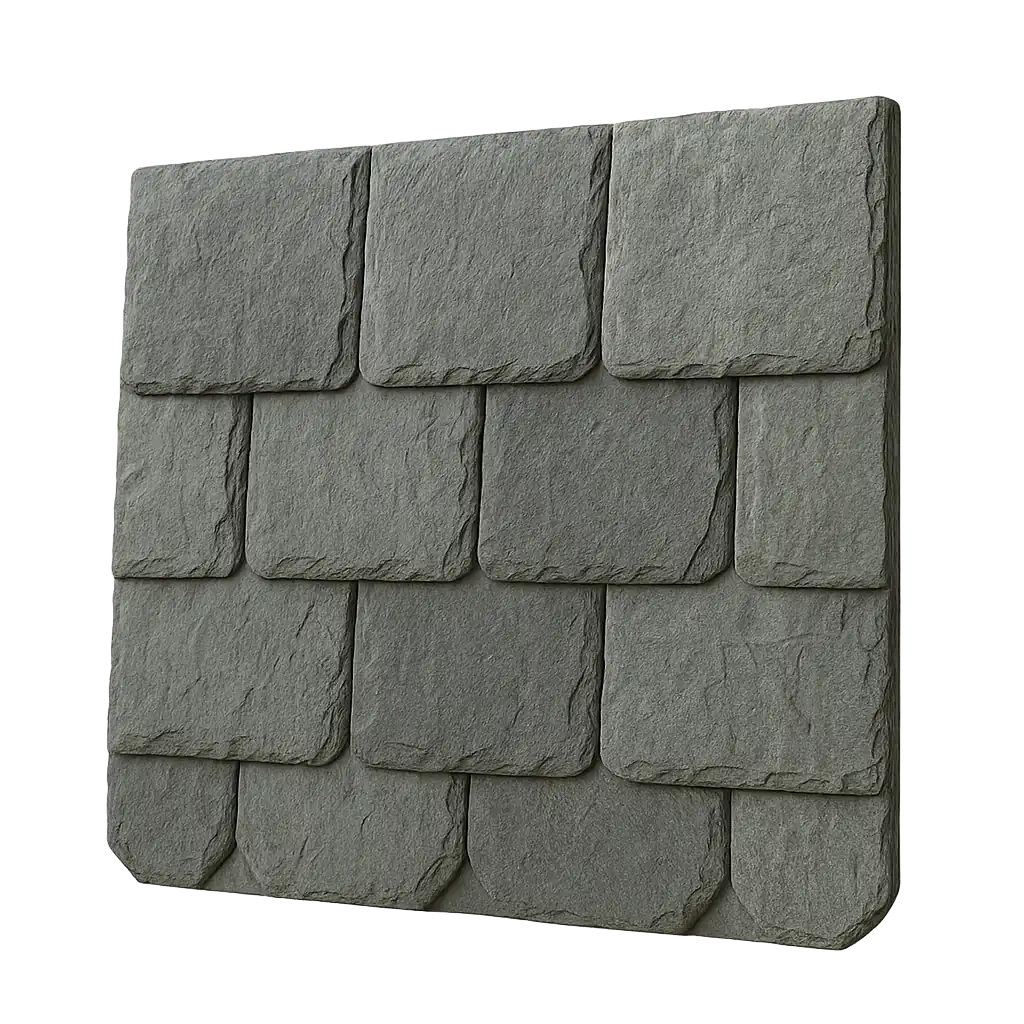
Timeless elegance and unmatched longevity.
 Skip to content
Timeless elegance and unmatched longevity.

Rustic warmth with natural insulation.
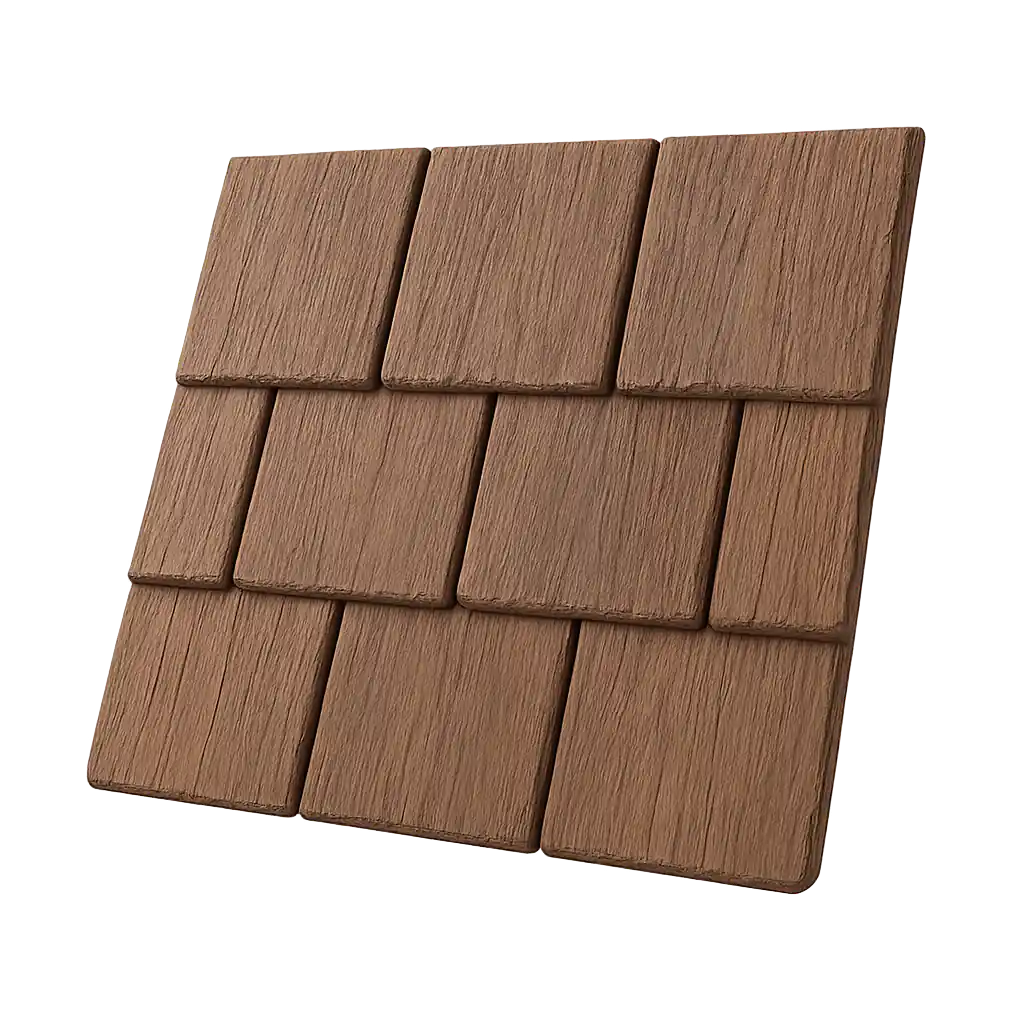
Slate & shake looks, modern performance.
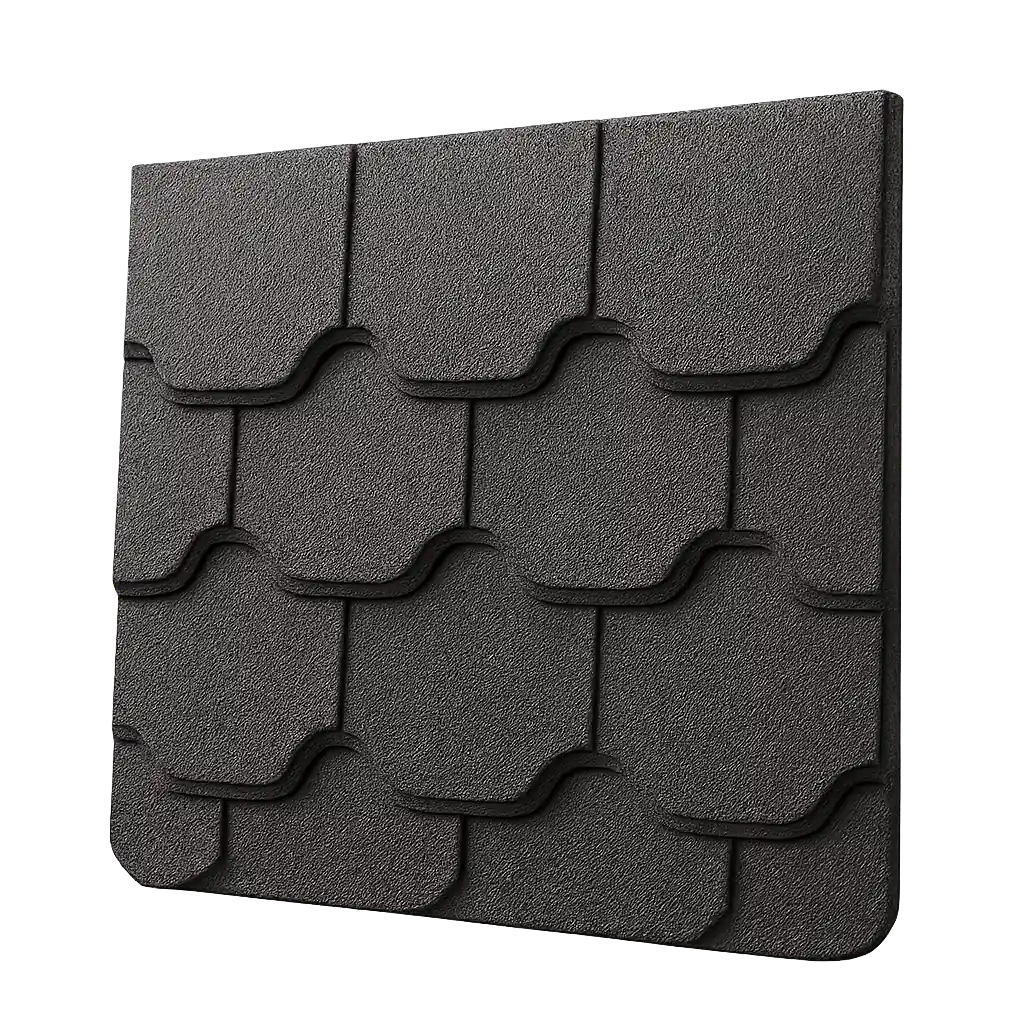
Architectural shingles with slate-like appeal.
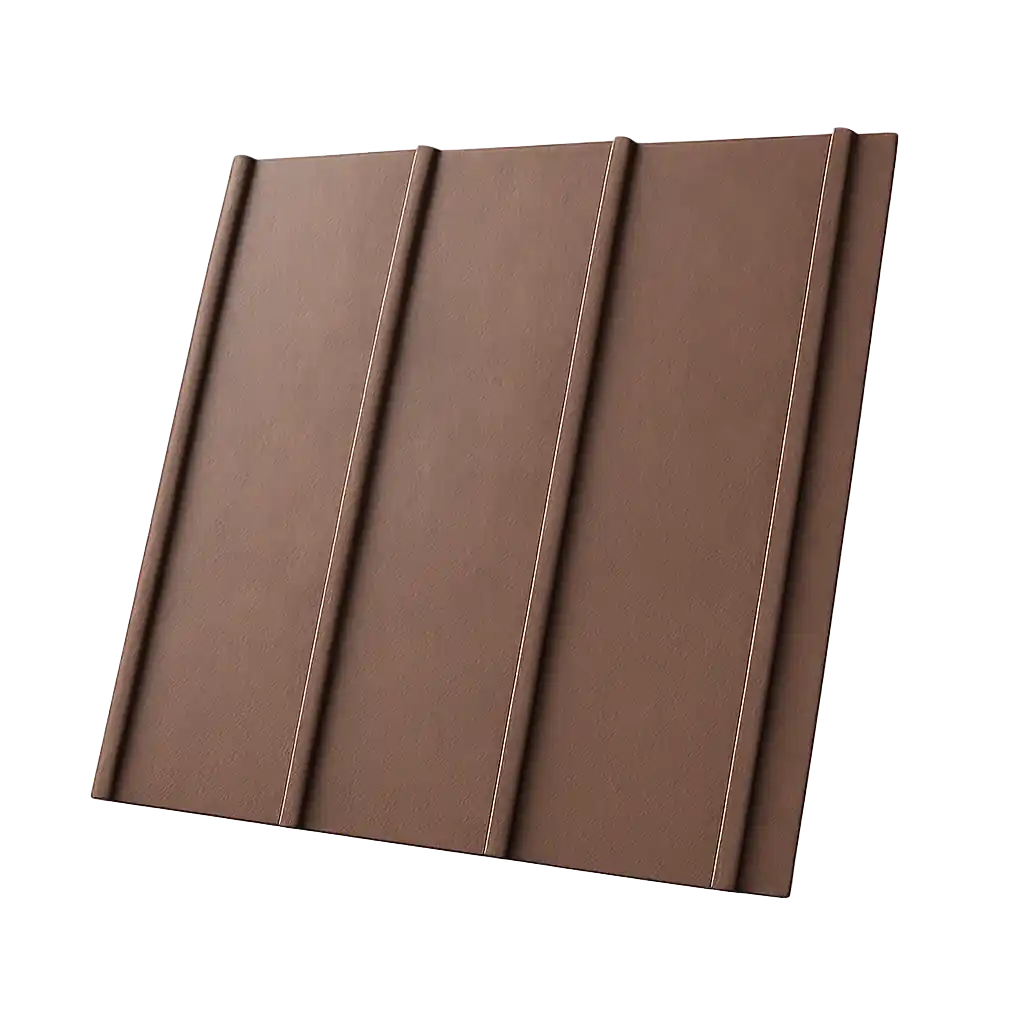
Energy-efficient, modern, and long-lasting.
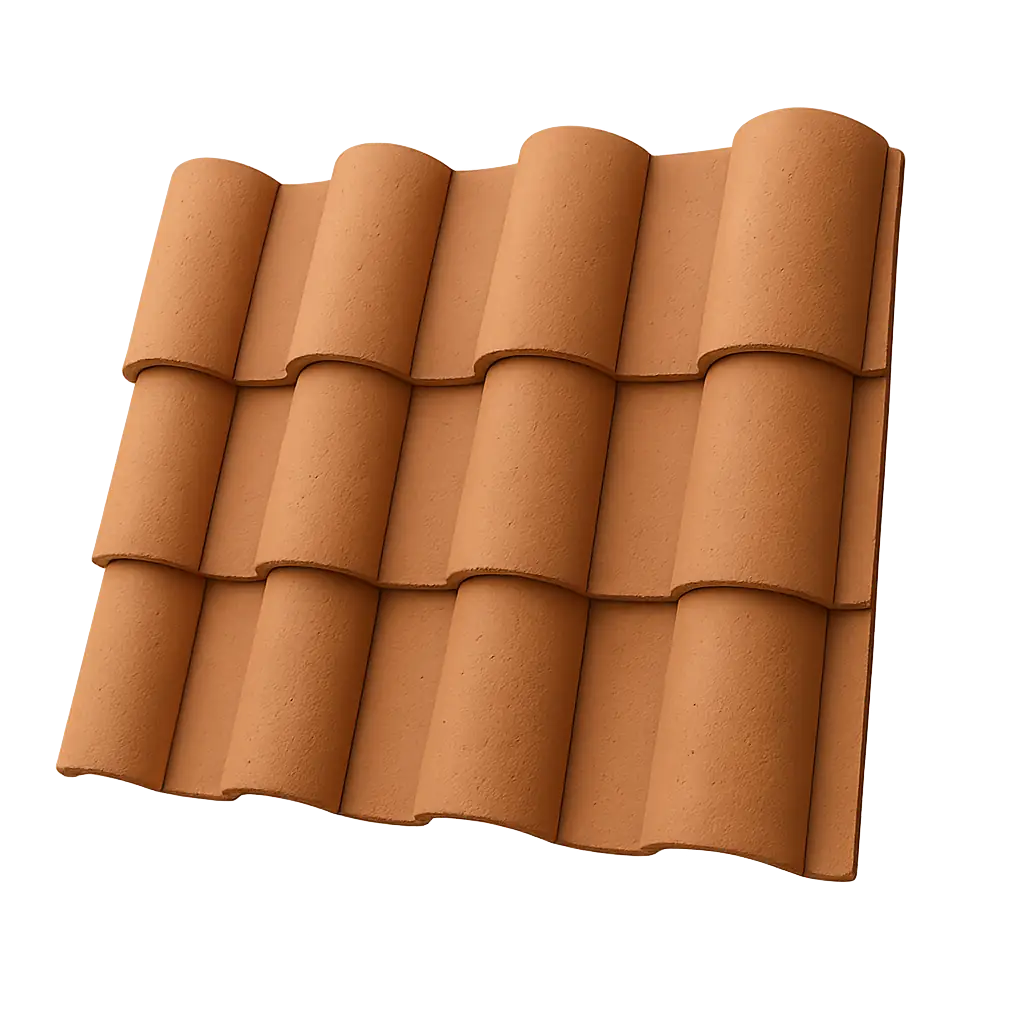
Mediterranean beauty, natural fire resistance.
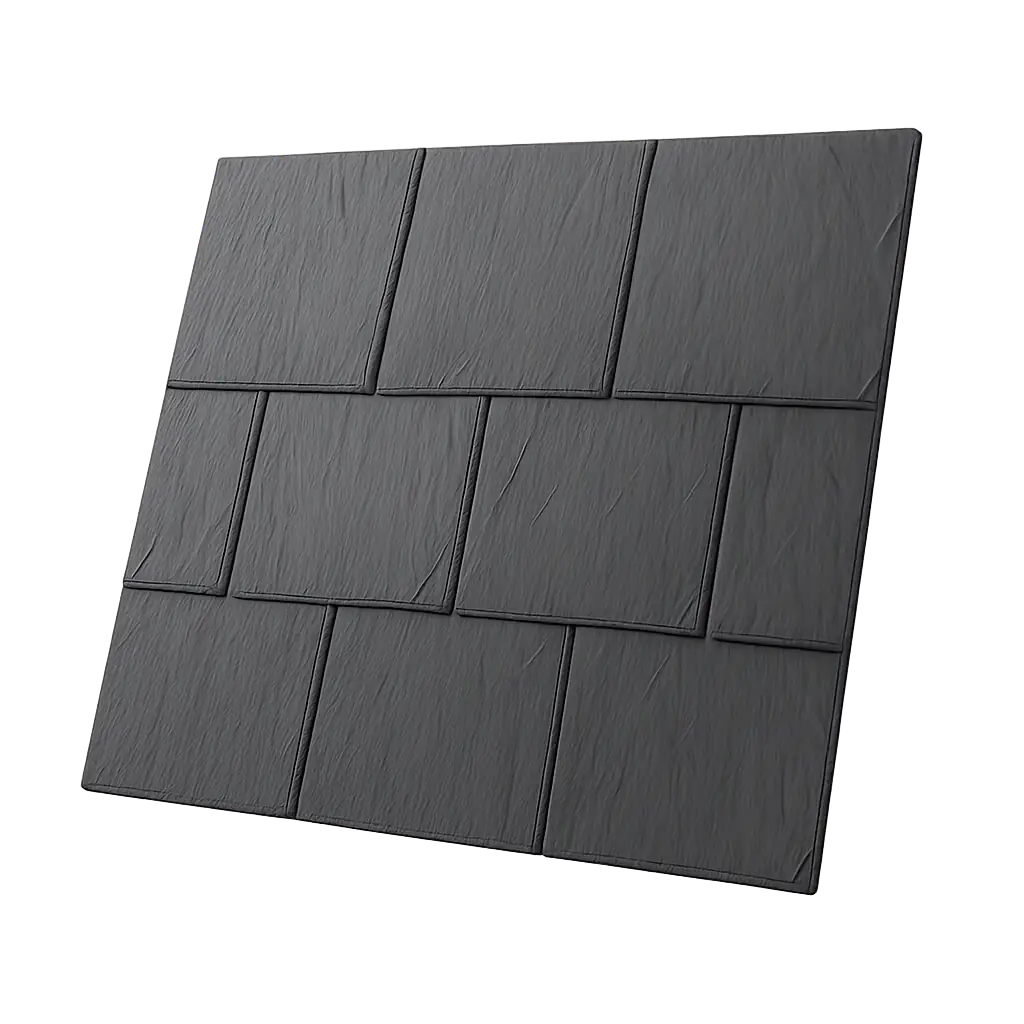
Lightweight durability with classic charm.
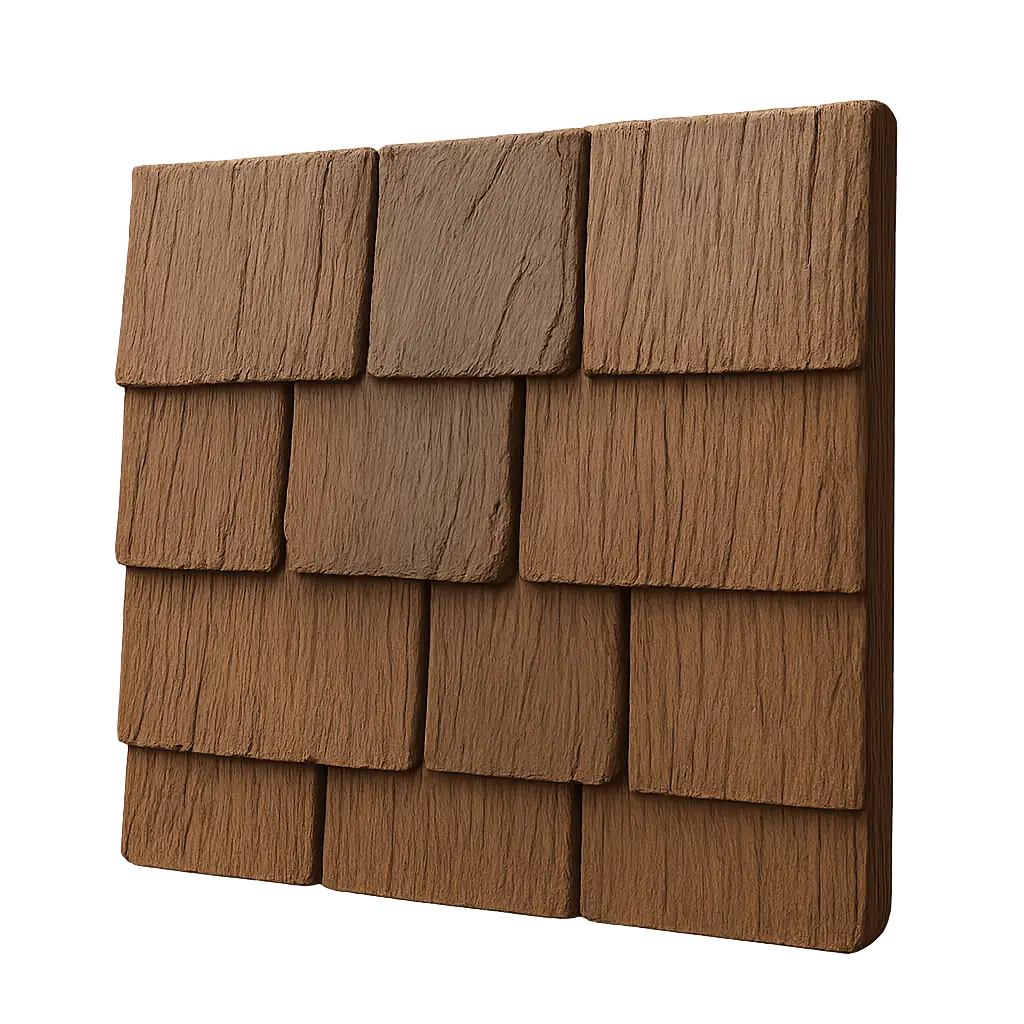
Wood shake appearance, no rot or warping.

The gold standard for low-slope protection.

Eco-friendly composites with authentic detail

Classic layered look, durable protection.
Share

Talk to homeowners in Kenilworth, Winnetka, or Barrington Hills about roofing prices, and you’ll hear a version of the same complaint: “I’m paying more because of my zip code.”
They’re not wrong. A roofing project on a comparable home can cost significantly more in an affluent suburb than it does 20 miles west. But the reasons behind that price gap are more complicated than “they charge more because they can.”
Some of the cost difference is legitimate. Some of it isn’t. And if you’re about to invest in a luxury roof replacement, knowing the difference saves you money without sacrificing quality.
Every suburb sets its own permit fees for roofing work. In some towns, the fee is a flat $150. In others, it’s calculated as a percentage of the project value, which means a $60,000 roof replacement triggers a much larger permit cost than a $15,000 one.
Some municipalities also require additional inspections for certain roofing materials, and those inspections come with their own fees. This is a real cost difference that has nothing to do with the contractor.
Homes in Barrington Hills, Lake Forest, and Hinsdale tend to be larger, with steeper pitches, more complex rooflines, and architectural details that require careful work. Dormers, valleys, turrets, and multiple roof planes all add labor hours.
A 2,000-square-foot ranch with a simple gable roof is a fundamentally different project than a 5,500-square-foot Colonial Revival with eight dormers, three chimneys, and a 12:12 pitch. The material quantities are different. The safety requirements are different. The crew size and project timeline are different.
This is a legitimate cost driver. More complexity means more time, more skill, and more risk.
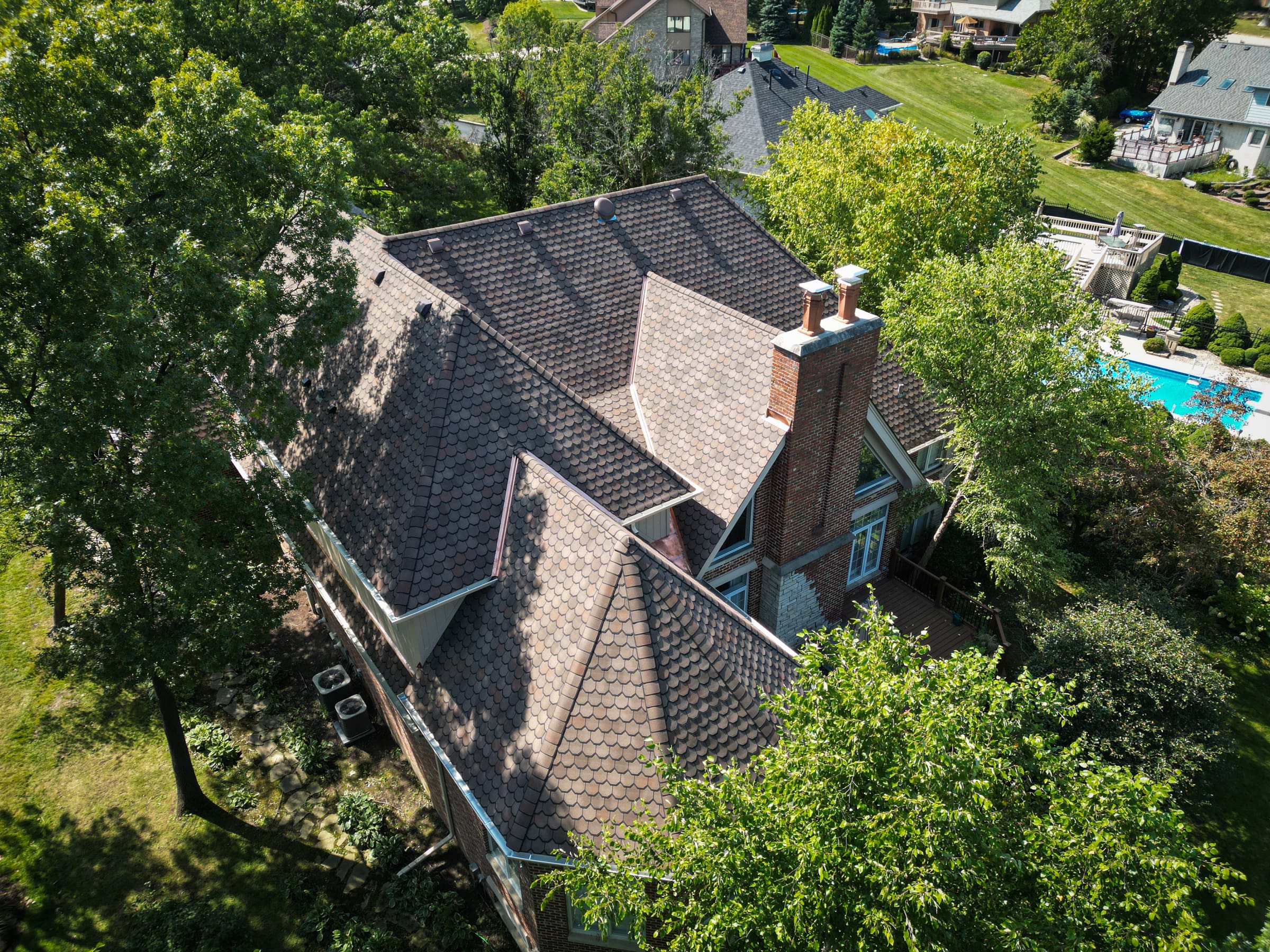
Homeowners in affluent suburbs aren’t typically calling for three-tab asphalt shingles. They’re requesting natural slate, DaVinci synthetic shake, standing seam metal with copper accents, or designer shingle systems like Grand Manor. These materials cost more to purchase and require more expertise to install correctly.
A DaVinci synthetic slate roof, for example, requires different fastening patterns, underlayment systems, and ventilation planning than a standard architectural shingle. The installer needs training specific to that product. That training represents a real investment by the contractor, and it’s reflected in the price.
Large estates with long driveways, mature landscaping, and specific access restrictions add logistical costs. Materials need to be staged carefully. Dumpsters need to be placed where they won’t damage a driveway or lawn. Crews may need to work around landscape features, outdoor living areas, or secondary structures.
Some HOAs and municipalities also impose work-hour restrictions, limiting roofing crews to specific days and times. A project that could be completed in five working days might stretch to seven or eight due to scheduling constraints, and that extended timeline adds labor cost.
Some contractors adjust their pricing based on the neighborhood rather than the project. Same crew, same materials, same scope of work, but a higher price because the home is in Glencoe instead of Schaumburg.
This is hard to prove on any individual estimate because the line items look the same. But homeowners who get multiple bids often notice that the spread between estimates is wider in affluent areas than it is in middle-market suburbs. One company quotes $55,000. Another quotes $82,000 for the same scope on the same house.
Some of that spread reflects genuine differences in quality, materials, and warranty coverage. But some of it is simply a contractor betting that a homeowner in a wealthy suburb will pay more without questioning it.
Another pattern: contractors who consistently recommend higher-end solutions than the project requires. Does a detached garage need the same premium underlayment system as the main house? Does every valley need copper flashing, or is that a cosmetic upsell? Is the full ice-and-water shield coverage actually code-required, or is it a line item that sounds important but isn’t necessary for your specific roof geometry?
These questions aren’t about cutting corners. They’re about understanding whether each line item serves a structural purpose or exists primarily to increase the invoice total.
Not three estimates from any three contractors. Three estimates from contractors who specialize in the material you’re considering. A company that primarily installs asphalt shingles will either decline your slate project or price it with a risk premium because they’re outside their expertise. Either way, their estimate won’t reflect market rate for that material.
Ask every contractor to break their estimate into the same categories: tear-off and disposal, underlayment and ice-and-water shield, primary roofing material (with quantity), flashing (type and quantity), ventilation, labor, permits, and warranty terms.
When you compare three estimates with the same line-item structure, the overpriced items become visible fast. If one contractor’s “underlayment” line is triple the others and they can’t explain why, that’s information you need.
A crew of experienced installers who are employees of the company you hired costs more than a subcontracted crew brought in for that project. But that cost difference reflects a real quality difference. The question isn’t “why is this more expensive?” The question is “are the other estimates cheaper because they’re using less experienced labor?”
Our approach uses trained crews who work directly under project management, because the material is only as good as the installation behind it.
Make sure every estimate specifies the exact product, not just the category. “Synthetic shake” could mean a dozen different products at a dozen different price points. You want the manufacturer name, product line, color, and profile. This prevents a bait-and-switch where a contractor quotes premium materials but installs a lower-tier alternative.
The flip side of overpaying is just as dangerous. The cheapest estimate in an affluent suburb often comes from a contractor who is cutting costs somewhere. Common places to cut:
Underlayment. Using a single layer of synthetic felt where ice-and-water shield is required by code or best practice.
Flashing. Reusing old step flashing or chimney flashing instead of replacing it. This is one of the most common sources of leaks on a new roof.
Ventilation. Not adding or correcting attic ventilation to meet the manufacturer’s requirements. This can void the material warranty.
Cleanup and disposal. Leaving old nails in the yard, not using magnetic sweepers, or dumping tear-off debris improperly.
A roof project priced well below market for your area should raise the same questions as one priced well above it. In both cases, the answer is in the line items.
A fairly priced premium roofing project in the Chicago suburbs reflects the real cost of quality materials, skilled labor, proper permits, and contractor overhead (insurance, equipment, training, warranty reserves). It doesn’t include a zip code surcharge. And it doesn’t cut corners to hit an artificially low number.
If you’re comparing estimates and want to understand exactly what you’re paying for, request a detailed consultation. We break down every line item and explain why it’s there.
Timeless elegance and unmatched longevity.
Rustic warmth with natural insulation.
Slate & shake looks, modern performance.
Architectural shingles with slate-like appeal.
Energy-efficient, modern, and long-lasting.
Mediterranean beauty, natural fire resistance.
Lightweight durability with classic charm.
Wood shake appearance, no rot or warping.
The gold standard for low-slope protection.
Eco-friendly composites with authentic detail
Classic layered look, durable protection.