Natural Slate
Timeless elegance and unmatched longevity.
 Skip to content
Timeless elegance and unmatched longevity.

Rustic warmth with natural insulation.
Slate & shake looks, modern performance.
Architectural shingles with slate-like appeal.
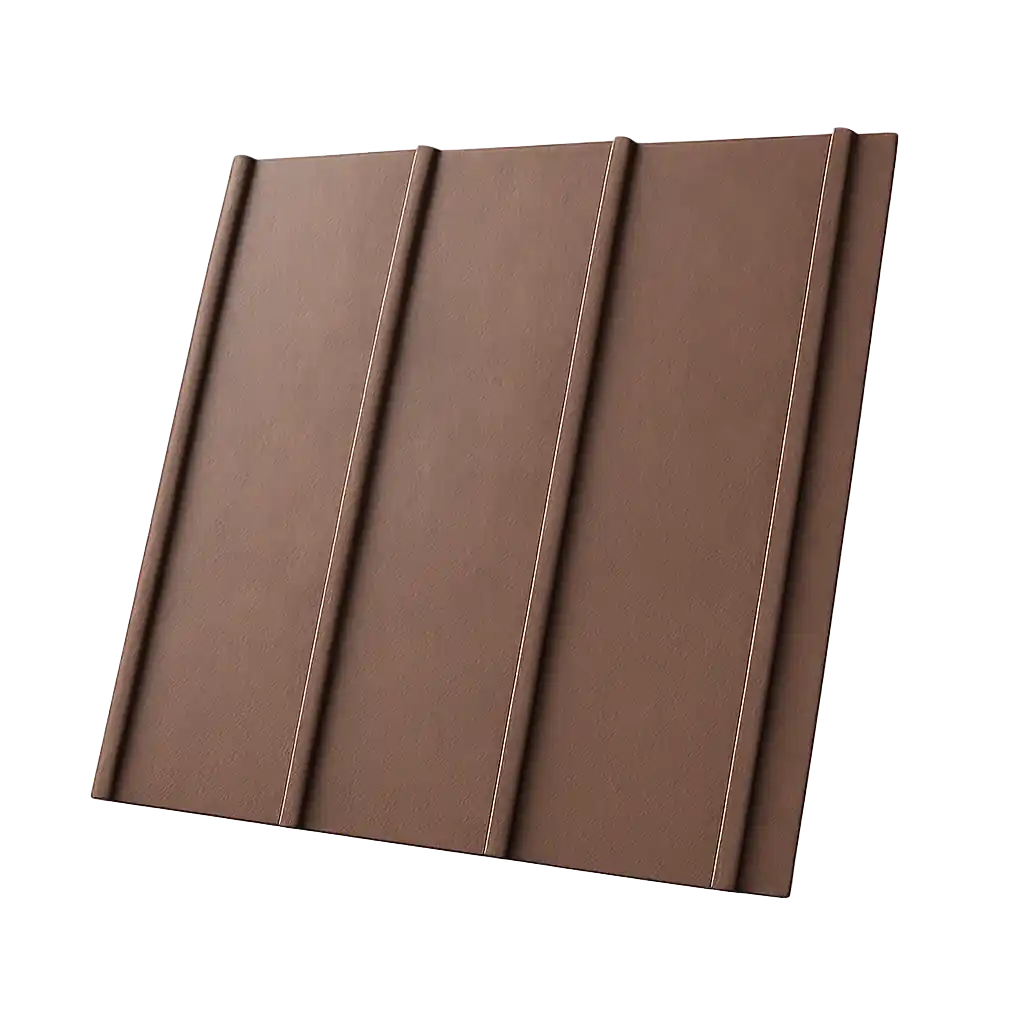
Energy-efficient, modern, and long-lasting.
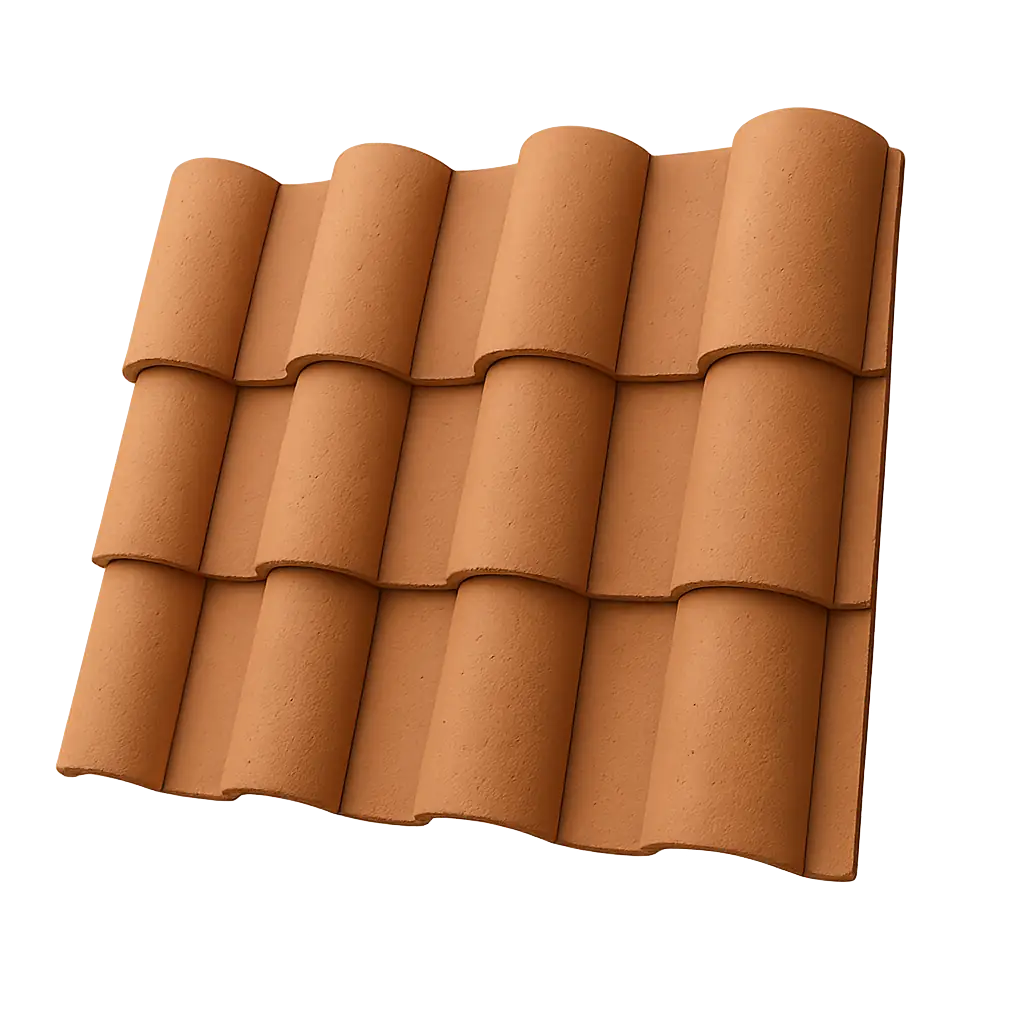
Mediterranean beauty, natural fire resistance.
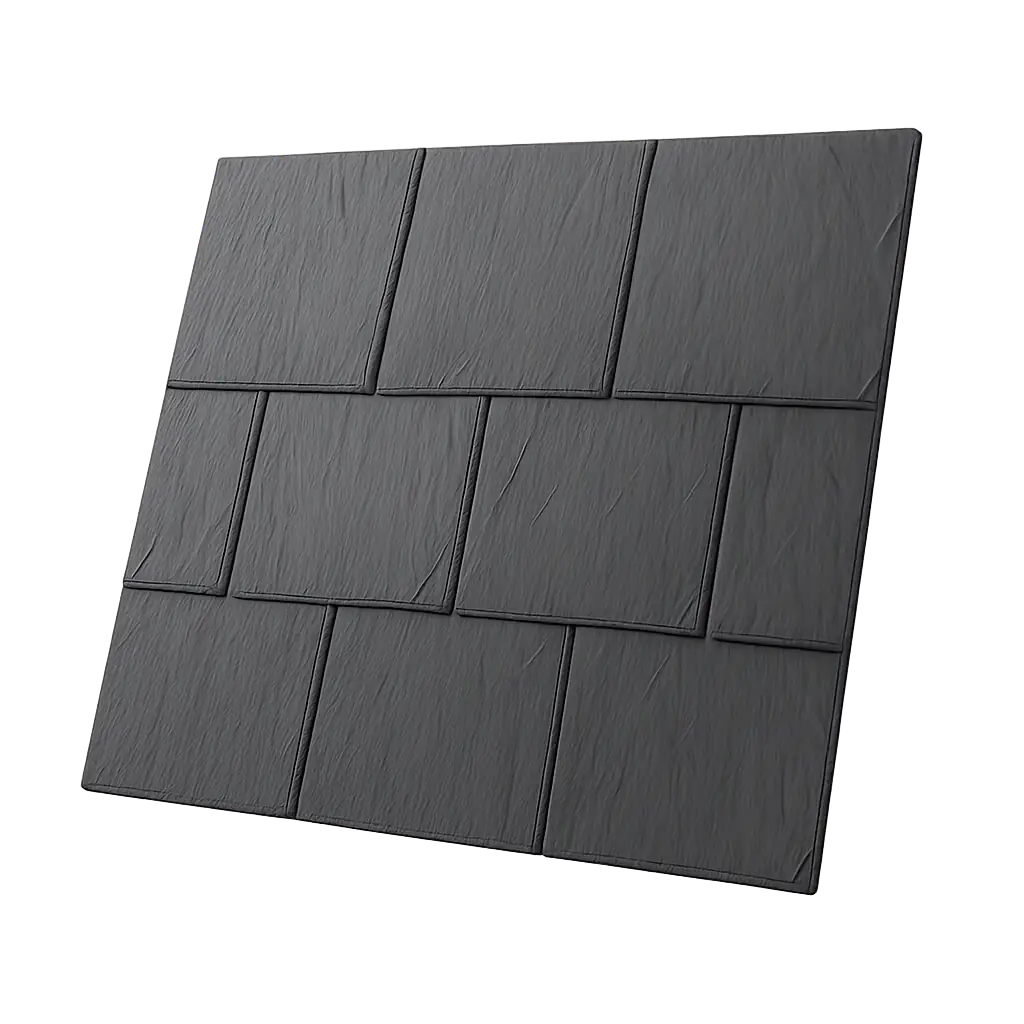
Lightweight durability with classic charm.
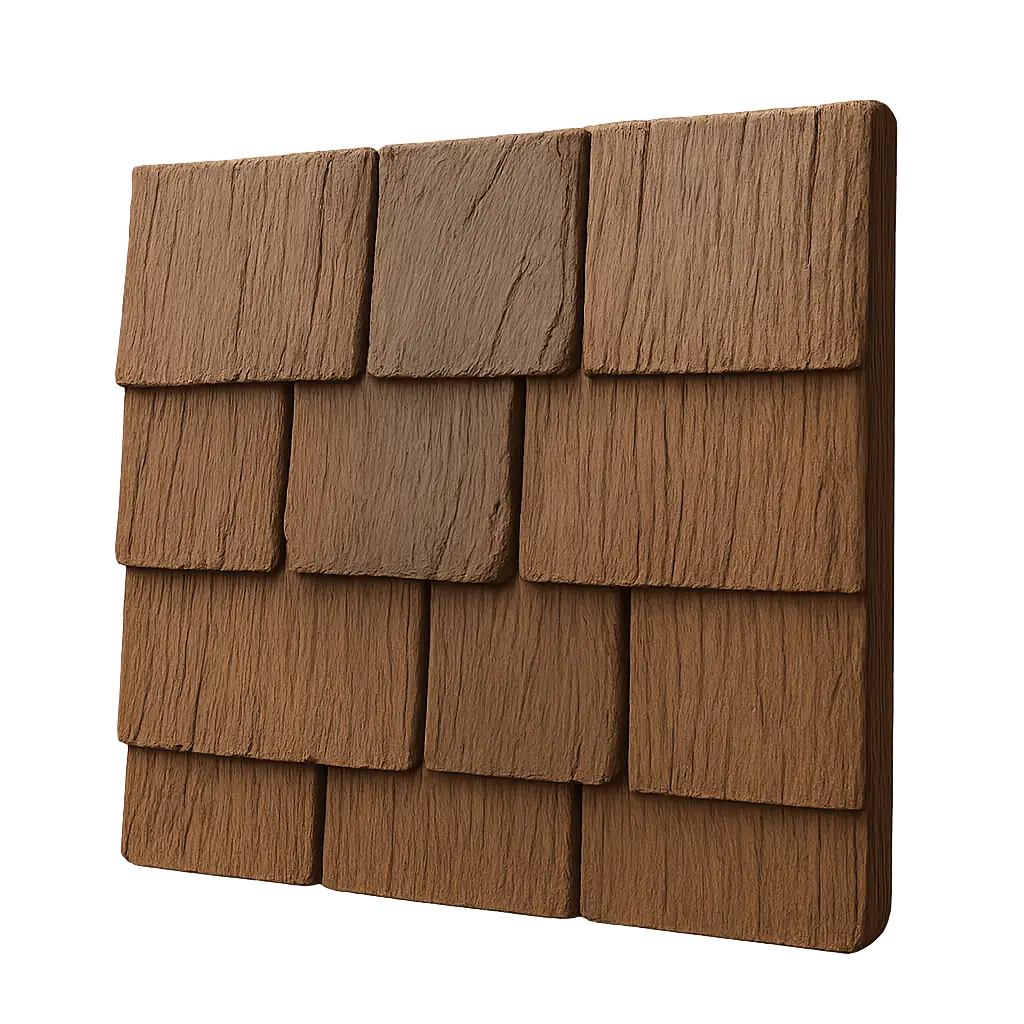
Wood shake appearance, no rot or warping.

The gold standard for low-slope protection.
Eco-friendly composites with authentic detail

Classic layered look, durable protection.
Share

Share
A good roofing contractor welcomes questions. They’ve invested in training, insurance, and quality materials, and they want you to know about it.
The rest of the industry? They’d prefer you focus on price, sign quickly, and not look too closely at the details.
Here are 10 questions that separate the two groups. Ask all of them. Pay attention to how the contractor responds, not just what they say.
This is the question most homeowners forget to ask, and it’s one of the most important.
Many roofing companies operate as sales and project management organizations. They sell the job, then hire a subcontracted crew to do the actual work. That crew may have no direct training relationship with the company. They may work for multiple contractors in the same week.
This doesn’t automatically mean bad work. But it does mean the company you hired has less direct control over who’s on your roof and how they do the job.
A company that employs its own installation crews, trains them on specific materials, and manages them on site has a different level of accountability. This is a core part of how we operate because premium materials require consistent installation quality.
What a good answer sounds like: A clear, specific description of their crew model. Names of crew leads. An explanation of how they train and supervise.
What a bad answer sounds like: “We use experienced crews.” Vague. No specifics. No willingness to elaborate.
Every roofing contractor should carry general liability insurance and workers’ compensation coverage. But carrying it and proving it are two different things.
Ask for the Certificate of Insurance (COI). Then call the insurance company directly to confirm the policy is active and hasn’t lapsed. This takes five minutes and protects you from a scenario where an uninsured contractor’s employee gets injured on your property.
What a good answer sounds like: “Absolutely. Here’s our COI. The agent’s number is right on it.”
What a bad answer sounds like: “We’re insured, don’t worry.” No documentation offered. Reluctance to provide contact info.
Premium roofing materials from companies like DaVinci, Brava, and CertainTeed have certification programs. Contractors who go through these programs learn the correct installation methods for that specific product and qualify for enhanced warranty coverage.
A contractor who installs DaVinci synthetic roofing without DaVinci certification may void the manufacturer’s warranty. The homeowner often doesn’t find this out until they file a claim years later.
What a good answer sounds like: Specific certifications named, with the ability to verify them through the manufacturer.
What a bad answer sounds like: “We’ve installed that product before.” Experience and certification are not the same thing.
This is where many roofing disputes start. The old roof comes off, the contractor discovers rotted decking or damaged sheathing, and the homeowner gets hit with an unexpected bill.
A transparent contractor addresses this before the project starts. They’ll explain how deck damage is priced (usually per sheet of plywood replaced), include a contingency note in the estimate, and commit to calling you before proceeding with any unplanned work.
What a good answer sounds like: “We include a line item for potential deck repair at $X per sheet. If we find damage, we call you, show you photos, and get approval before we do anything.”
What a bad answer sounds like: “We’ll deal with it if it comes up.” No pricing. No process. No commitment to communication.
Most municipalities in the Chicago suburbs require a building permit for a full roof replacement. The permit triggers a municipal inspection after the work is done, which is an independent quality check that protects the homeowner.
Some contractors skip permits to save time and money. This can create problems when you sell the home, file an insurance claim, or discover a defect that a municipal inspector would have caught.
What a good answer sounds like: “Yes, we pull permits for every project. Here’s how that process works in your municipality.”
What a bad answer sounds like: “That’s not really necessary for this kind of work.”
Roofing warranties have two layers: the material warranty from the manufacturer and the workmanship warranty from the contractor. Both have exclusions.
Material warranties can be voided by improper installation, inadequate ventilation, or unauthorized modifications. Workmanship warranties often exclude damage from “acts of God,” and some expire if the contractor goes out of business.
Ask to see the full warranty document before signing the contract. Read the exclusions. Ask the contractor to walk you through the scenarios that would void coverage.
What a good answer sounds like: A detailed explanation of both warranty layers, with the actual documents provided for review.
What a bad answer sounds like: “You get a lifetime warranty.” That phrase, without context, is almost meaningless.
Attic ventilation is one of the most overlooked factors in roof longevity. Every major roofing manufacturer specifies ventilation requirements as a condition of their warranty. Insufficient ventilation traps heat and moisture, which accelerates material breakdown from the inside.
A contractor who replaces your roof without evaluating and correcting ventilation is installing a product that may fail ahead of schedule, and the manufacturer may deny your warranty claim because of it.
What a good answer sounds like: “We inspect your attic ventilation as part of our roof inspection process. If it doesn’t meet manufacturer specs, we include the correction in the scope.”
What a bad answer sounds like: “The ventilation is fine.” No inspection. No specifics.
Longevity matters in roofing. A company that has operated in the same market for 10 or 20 years has a track record you can check. They’ve survived economic cycles, material shortages, and the test of time.
But general experience doesn’t equal material-specific expertise. A company that has installed 500 asphalt roofs may have installed five slate roofs. If you’re investing in natural slate or standing seam metal, you want a contractor with deep experience in that specific material.
What a good answer sounds like: Specific numbers. “We’ve been in business since [year]. We’ve completed [number] projects with this material in the past [timeframe].”
What a bad answer sounds like: “We’ve been around a long time.” No specifics.
References are standard. But the most useful reference isn’t a name and phone number handed to you by the contractor. It’s a project you can drive past and see with your own eyes.
Ask the contractor if they have completed projects within a few miles of your home. Ask if the homeowner would be willing to share their experience. A company that does quality work in your neighborhood has nothing to hide.
What a good answer sounds like: “Yes. Here are three projects within five miles of your home. I can connect you with those homeowners.”
What a bad answer sounds like: “I can get you some references.” Generic. Unclear timeline. No local projects mentioned.
A premium roofing project on a large home can take one to three weeks depending on the material, weather, and complexity. During that time, you want to know: Who is your point of contact? How will you receive updates? What’s the daily start and end time? How is cleanup handled each day? What happens if weather delays the schedule?
A contractor with a clear, documented project management process is organized enough to deliver a consistent result. A contractor who “plays it by ear” is telling you something about how they run their business.
What a good answer sounds like: A step-by-step overview. A named project manager. A communication plan. A timeline with contingencies. Our process is documented and shared with every client before work begins.
What a bad answer sounds like: “We’ll keep you posted.” No specifics. No named contact.
You’ll notice something after asking all 10 questions. The contractors who answer well tend to answer all of them well. The ones who get vague on question three will be vague on question seven, too.
That’s because these questions test the same underlying thing: has this company built systems, or are they winging it? A roofing company that invests in training, insurance, project management, and communication isn’t threatened by detailed questions. They’re relieved you’re asking, because it means you’ll appreciate what they’ve built.
The companies that want you to focus only on price? They’re hoping you never open this list.
Bring these questions to your consultation. We’ll answer every one.
Timeless elegance and unmatched longevity.
Rustic warmth with natural insulation.
Slate & shake looks, modern performance.
Architectural shingles with slate-like appeal.
Energy-efficient, modern, and long-lasting.
Mediterranean beauty, natural fire resistance.
Lightweight durability with classic charm.
Wood shake appearance, no rot or warping.
The gold standard for low-slope protection.
Eco-friendly composites with authentic detail
Classic layered look, durable protection.