Skip to content




Historic Roof Restoration: Preserving Architectural Legacy

Older homes tell a story through their architecture, and the roof is often the most defining element of that story. When a historic or architecturally significant roof begins to fail, the wrong contractor can strip away decades of character in a single weekend. Wolf Development provides careful historic roof restoration for homeowners across the Chicago suburbs and North Shore, preserving the original architectural intent while delivering modern weatherproofing performance.

Unparalleled Roofing Craftsmanship in Every Material
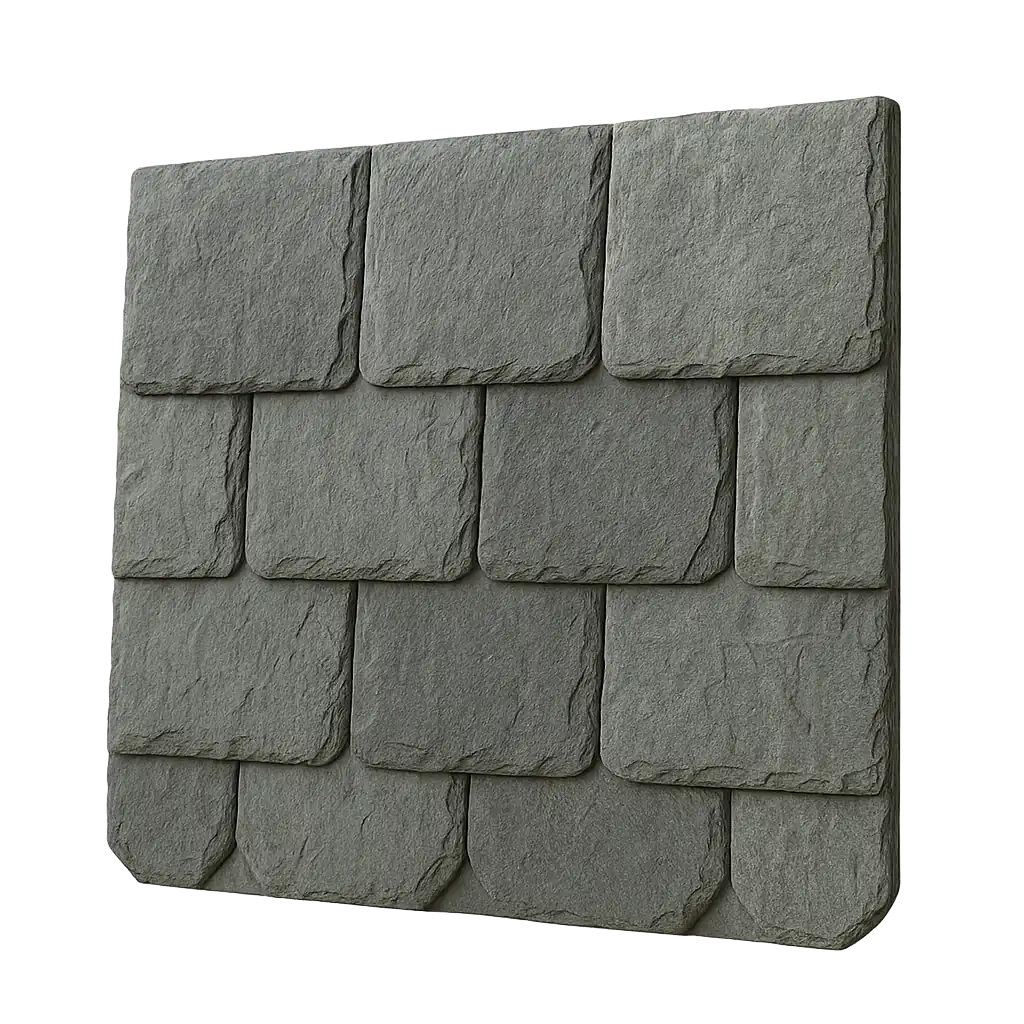
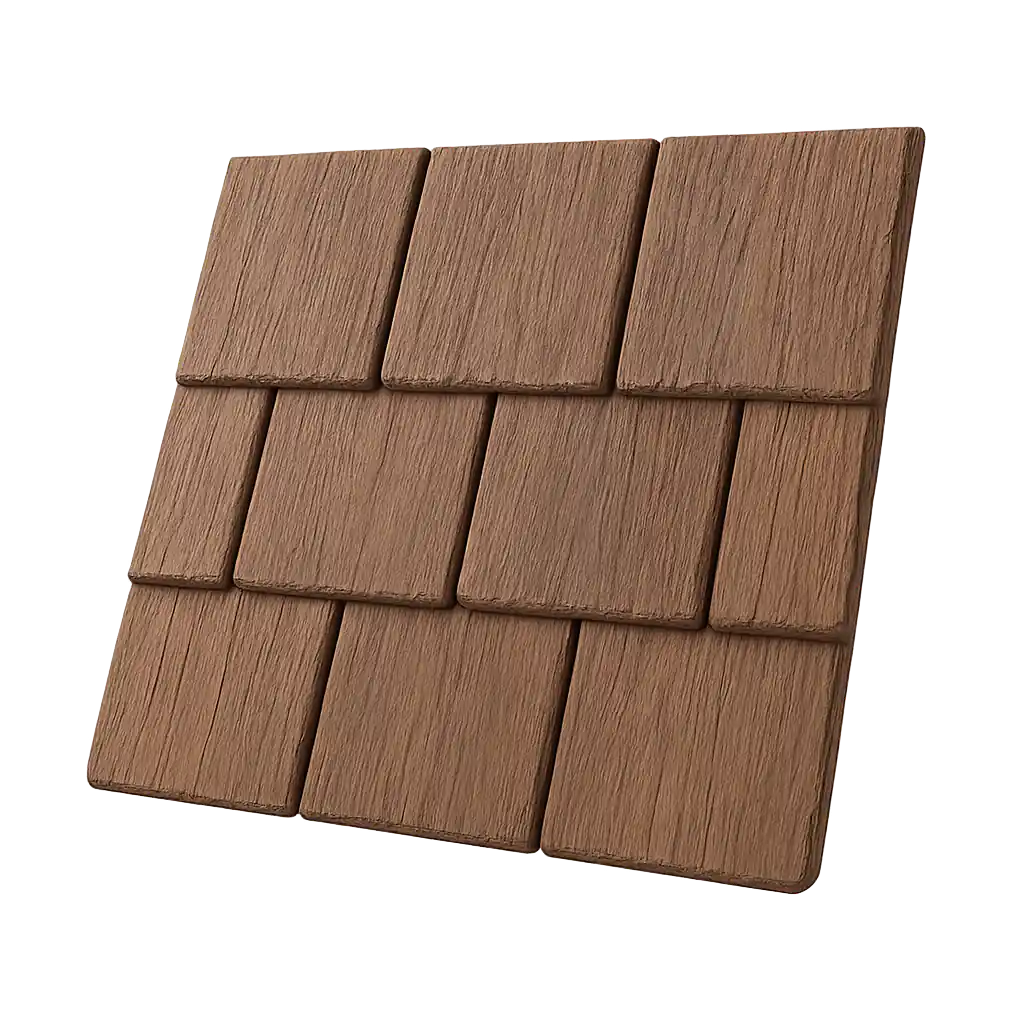
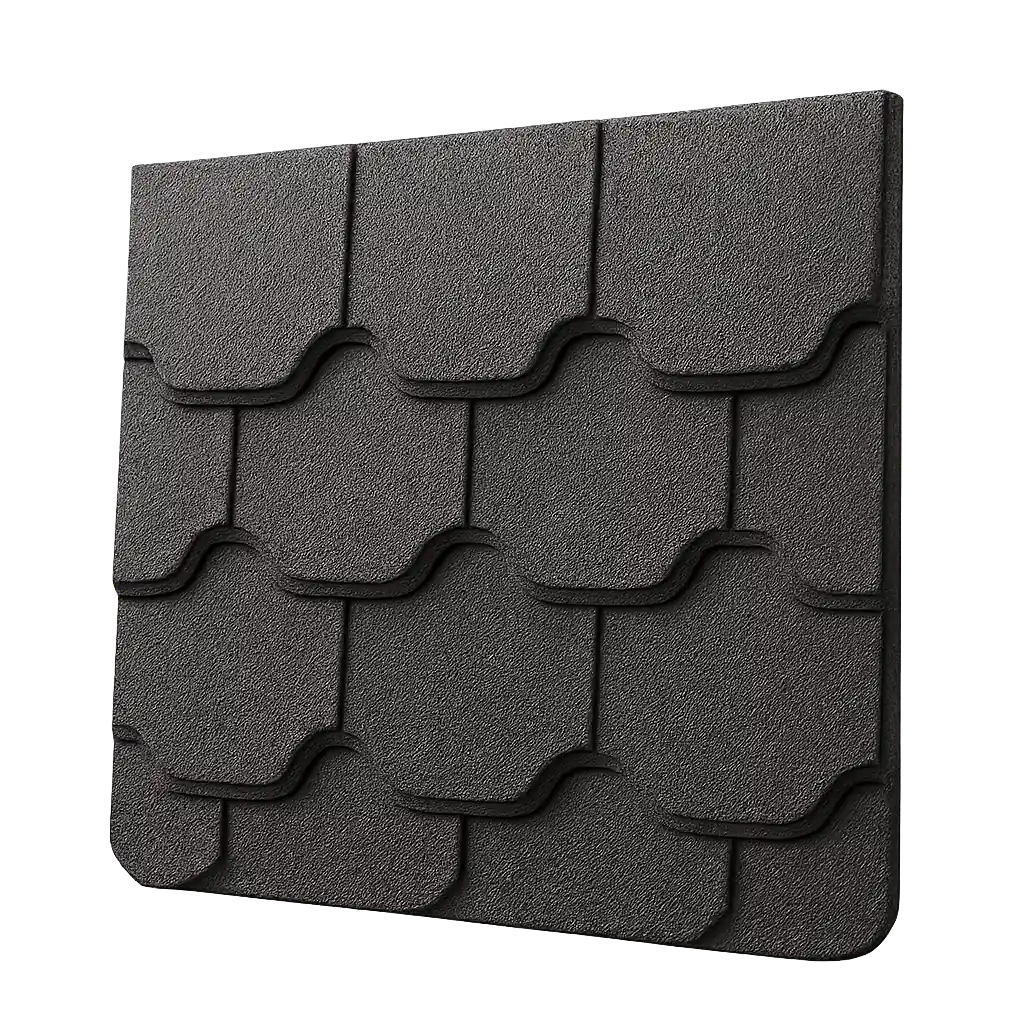
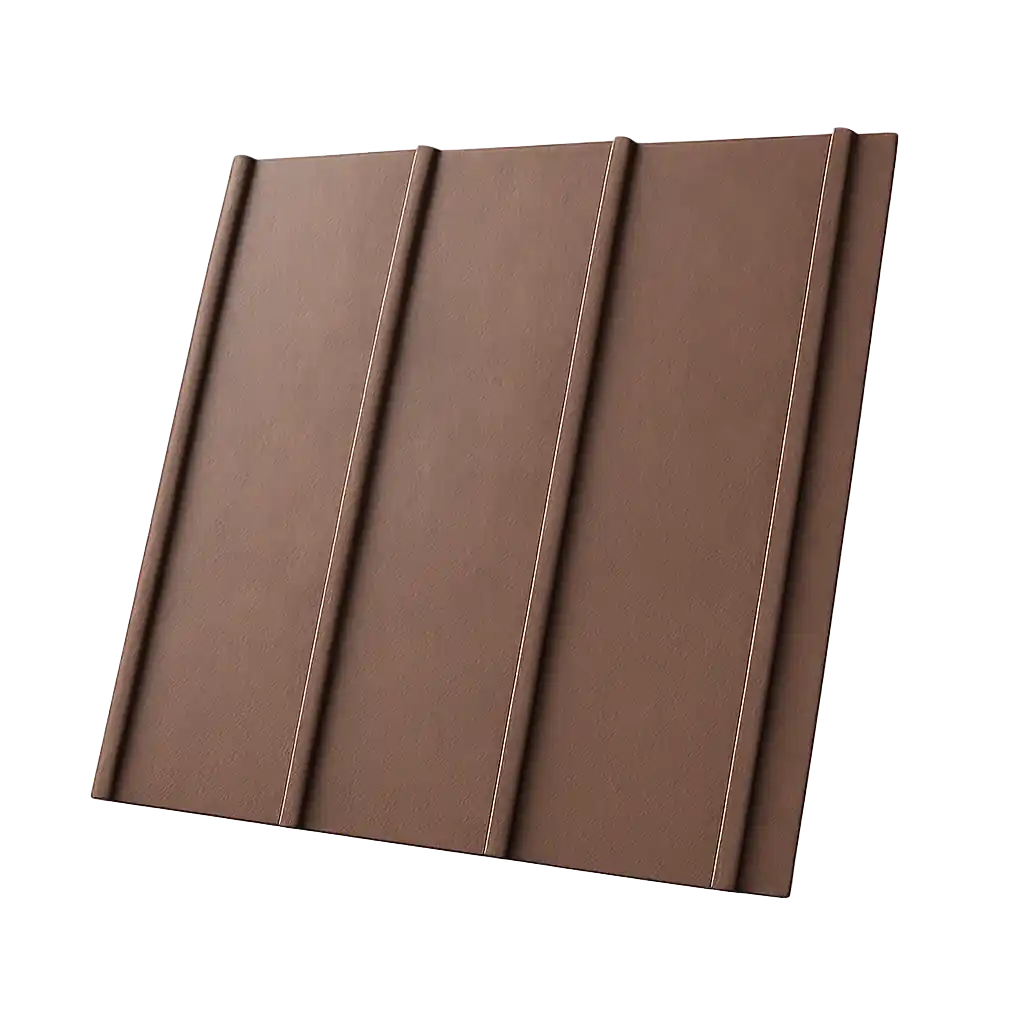
Unlike most roofers, we’re certified experts across a full spectrum of premier systems, from old-world slate to modern metal.
What Makes Historic Roof Restoration Different from Replacement
Standard roof replacement follows a straightforward process: tear off the old material, inspect the deck, install new underlayment and roofing. On a historic home, that approach can destroy irreplaceable details and compromise the home’s architectural integrity.
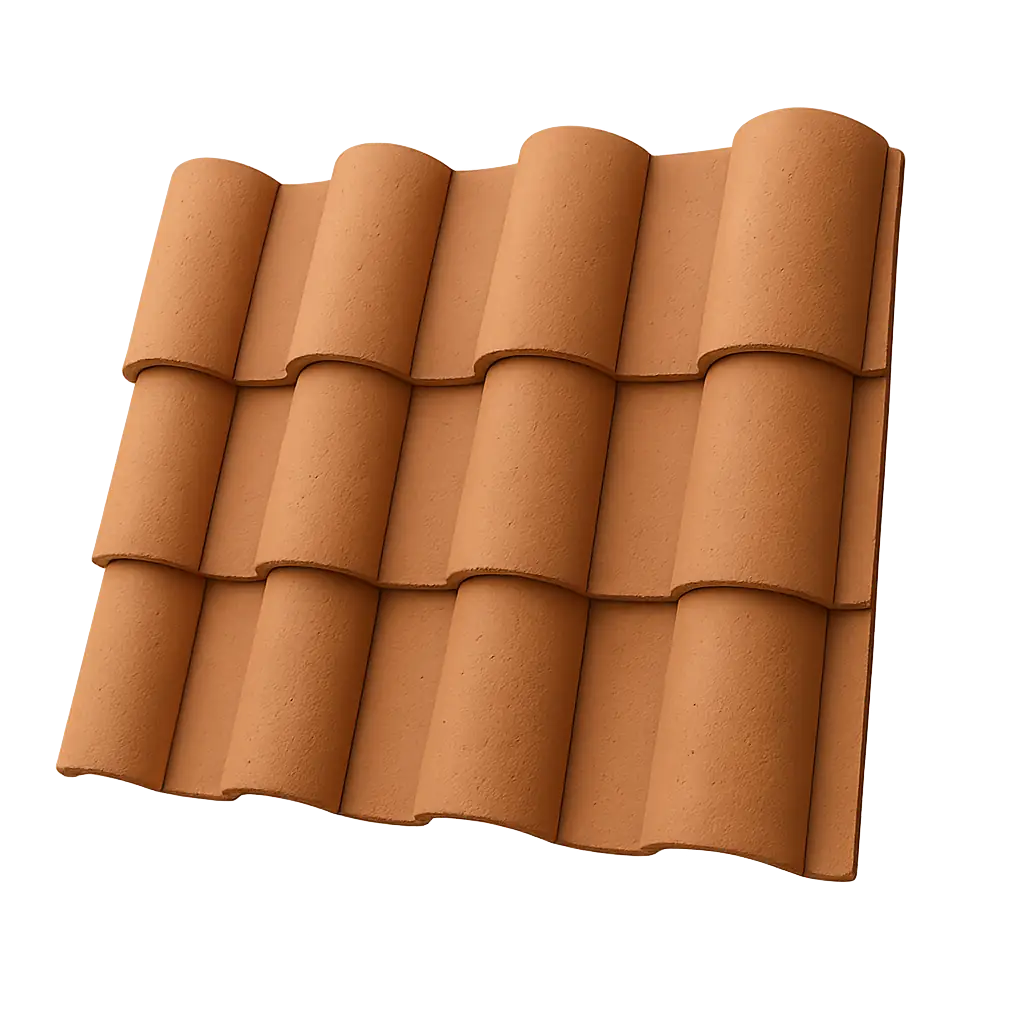
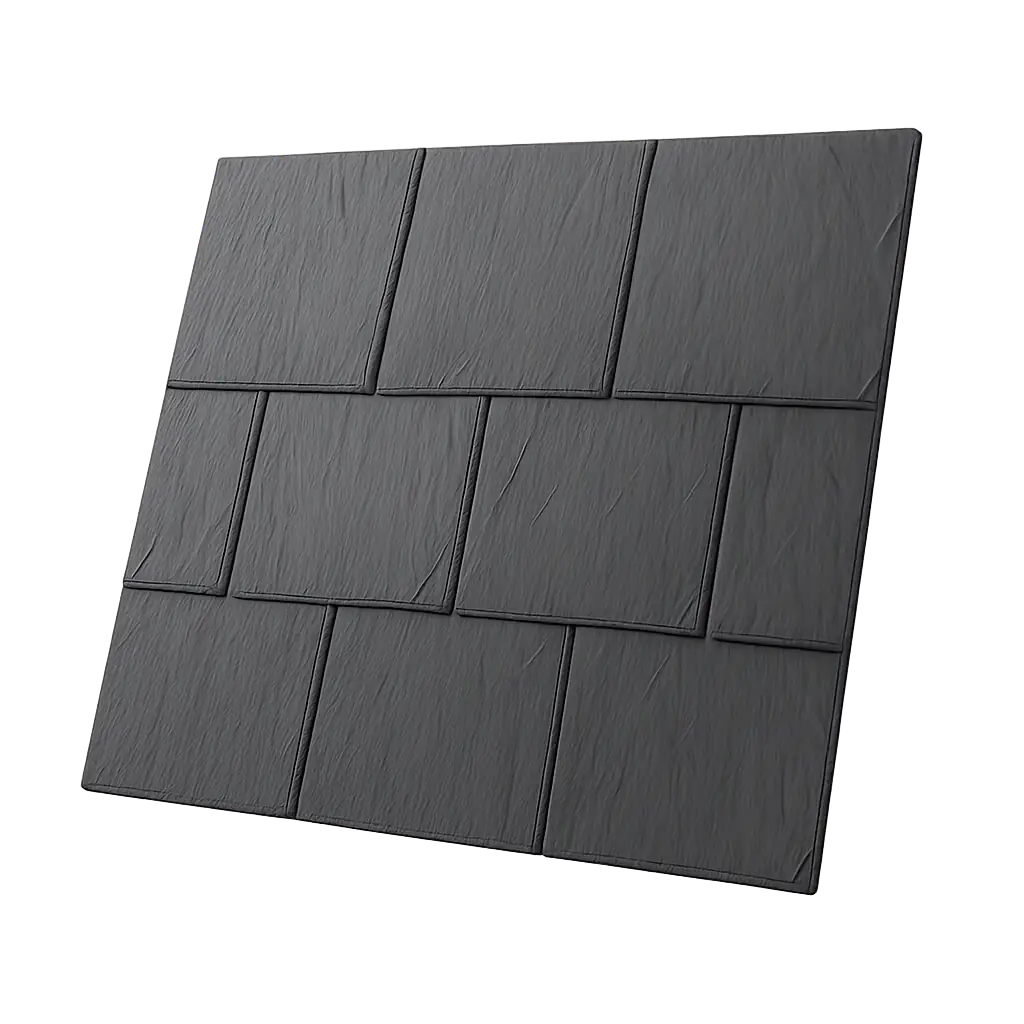
Historic roofs often feature materials, profiles, and installation methods that are no longer standard practice. Natural slate in specific quarry colors and thicknesses. Hand-formed copper flashings and ornamental ridge work. Clay tiles in patterns and shapes that modern manufacturers no longer produce. Replacing these elements with off-the-shelf modern equivalents changes the look and feel of the home permanently.
Restoration takes a different approach. The goal is to preserve as much of the original roof system as possible, replacing only what has failed while maintaining the visual character of the whole. Where individual slates have cracked or slipped, we source matching replacements from salvage yards or specialty quarries. Where copper has corroded through at specific points, we fabricate new sections that integrate with the existing patina and profile. Where clay tiles have broken, we track down matching tiles or work with specialty suppliers who reproduce historic profiles.
This approach requires more time, more skill, and more patience than standard replacement. It also requires a contractor who understands historic construction methods and can work within those methods rather than defaulting to modern shortcuts.
The Wolf Development Promise
What Makes Historic Roof Restoration Different from Replacement

The Challenges of Working on Older Roofs
Historic roofs present structural and logistical challenges that modern roofs do not.
Non-Standard Framing
Homes built before modern building codes often have irregular rafter spacing, unconventional sheathing (skip sheathing for slate, for example), and framing lumber in dimensions that no longer exist. Working within these systems requires understanding how they were designed to function rather than trying to retrofit modern practices onto them.
Lead and Asbestos Considerations
Older roofing materials and underlayments may contain lead-based coatings or asbestos-containing felts. Wolf Development follows all applicable safety protocols for handling and disposing of these materials. We identify potential hazardous materials during our initial inspection and include proper abatement procedures in the project scope when necessary.
Accessing and Protecting Fragile Materials
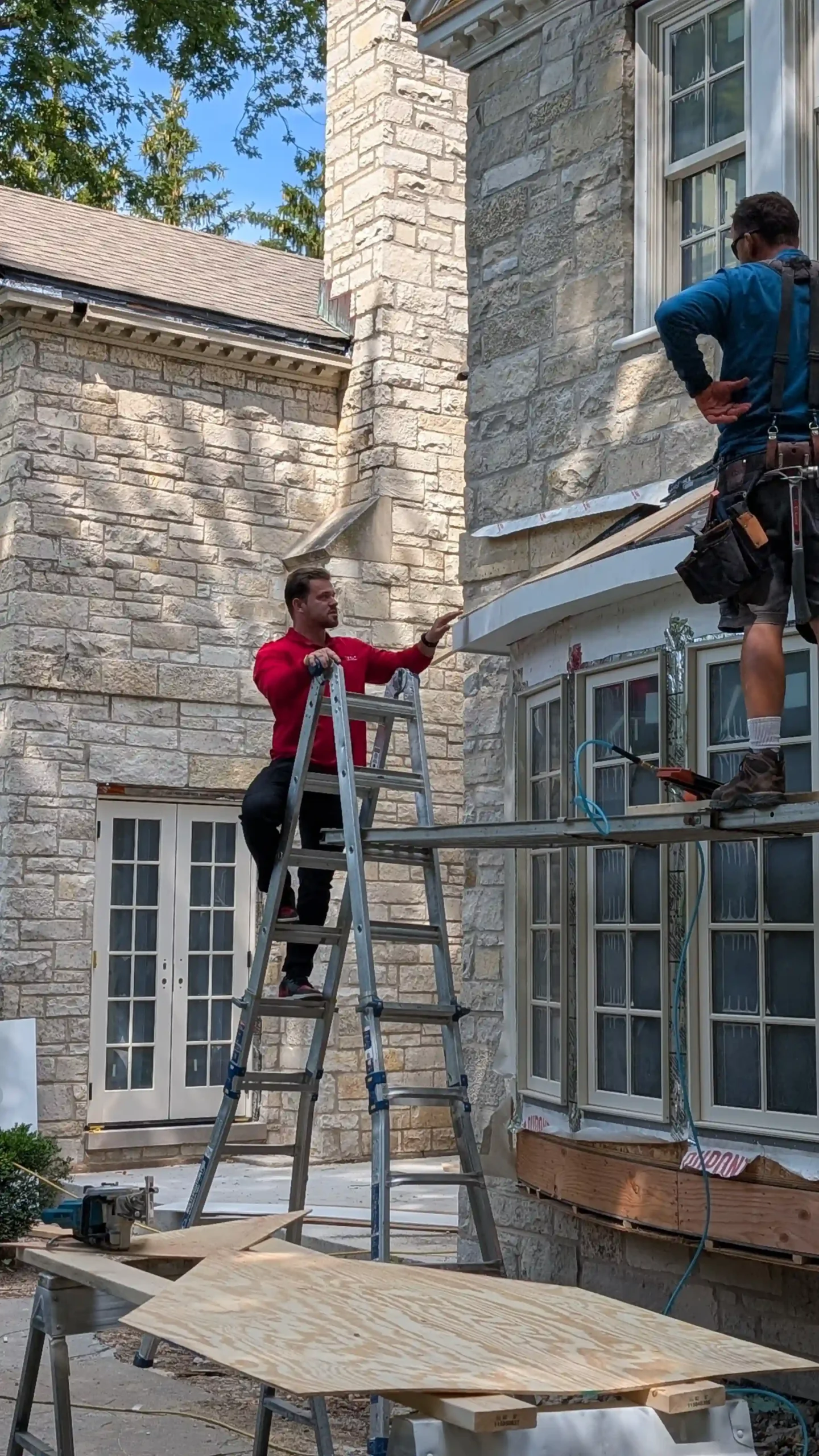
Walking on an aged slate or clay tile roof without breaking tiles requires experience and technique. Our crew uses foam pads, walk boards, and roof brackets positioned on structurally sound areas to move across fragile surfaces without causing additional damage. This sounds basic, but we have seen extensive breakage caused by contractors who walked directly on historic tile and slate without proper protection.
Sourcing Matching Materials
Finding replacement slate or clay tile that matches the original in color, thickness, profile, and weathering is one of the most time-consuming parts of historic restoration. We maintain relationships with salvage suppliers, specialty quarries, and tile reproduction companies across the country. When a perfect match is not available, we work with the homeowner to identify the closest alternative and discuss where on the roof it will be least visible.
How We Approach a Historic Restoration Project
Every historic roof restoration begins with an extended inspection. We do not rush this step. We assess every section of the roof surface, every flashing location, every penetration point, and, when accessible, the underside of the roof deck from the attic. We document the overall condition of the roofing material, the percentage of failed or compromised units, the state of the underlayment, and the condition of the structural framing.
From this assessment, we develop a restoration scope that prioritizes preservation of original materials where possible. We present a detailed plan that specifies which areas will be restored in place, which materials will be replaced, what the replacement materials will be, and how the finished roof will perform relative to a full replacement.
This plan includes sourcing timelines for specialty materials, because matching historic slate or tile is not an overnight process. We build realistic schedules that account for material procurement so the project does not stall mid-execution.
For homeowners considering whether restoration or full replacement is the better investment, we are happy to present both options side by side. In some cases, a full slate roof restoration using the existing material is significantly less expensive than sourcing and installing an entirely new slate roof, with comparable longevity outcomes.
The Wolf Development Promise
How We Approach a Historic Restoration Project
Since 2016
Serving Chicagoland
Trusted by Premier Roofing Manufacturers
Roofing Partners in Quality
We only install materials we’d trust on our own homes.




Featured Projects
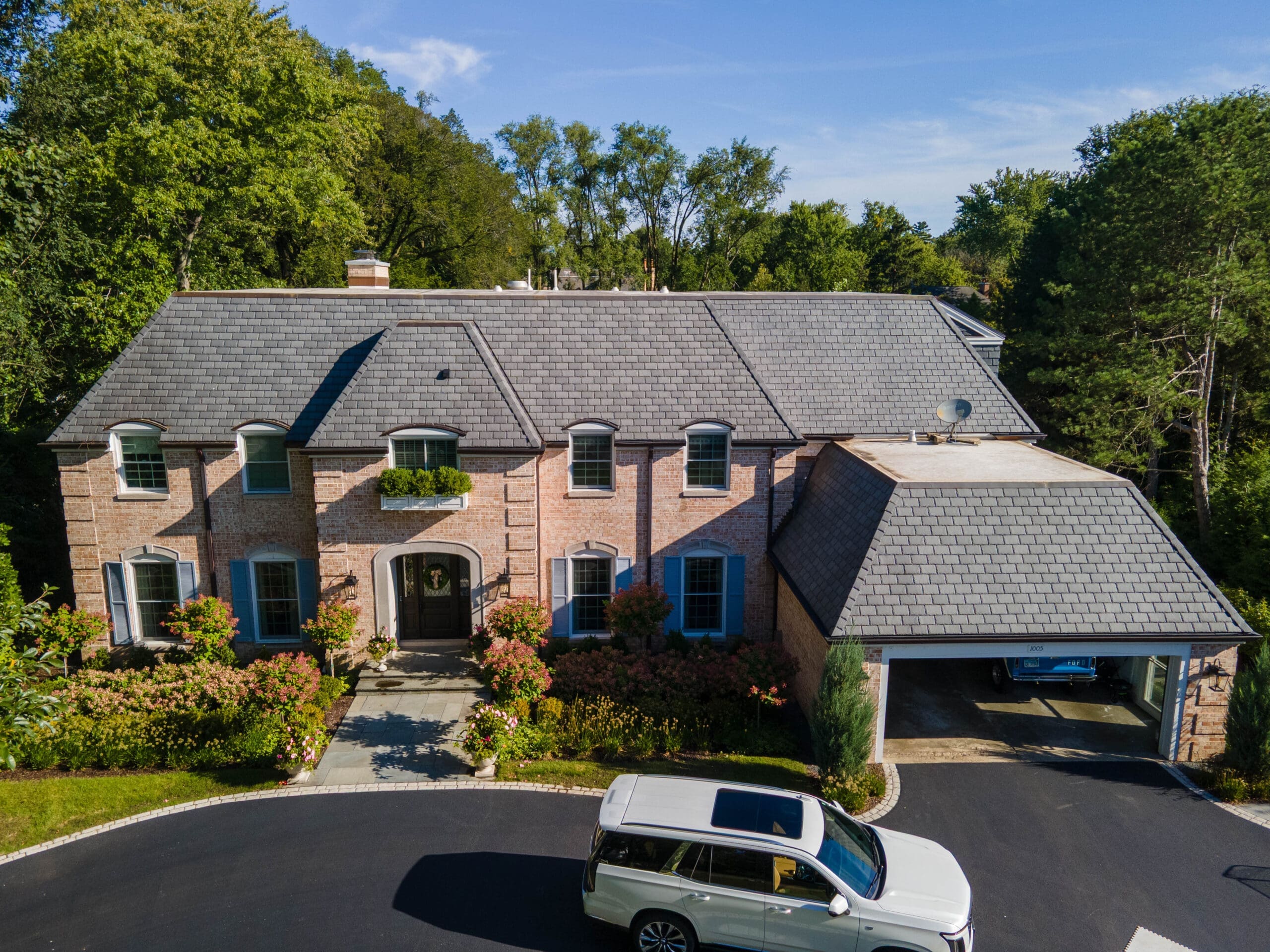
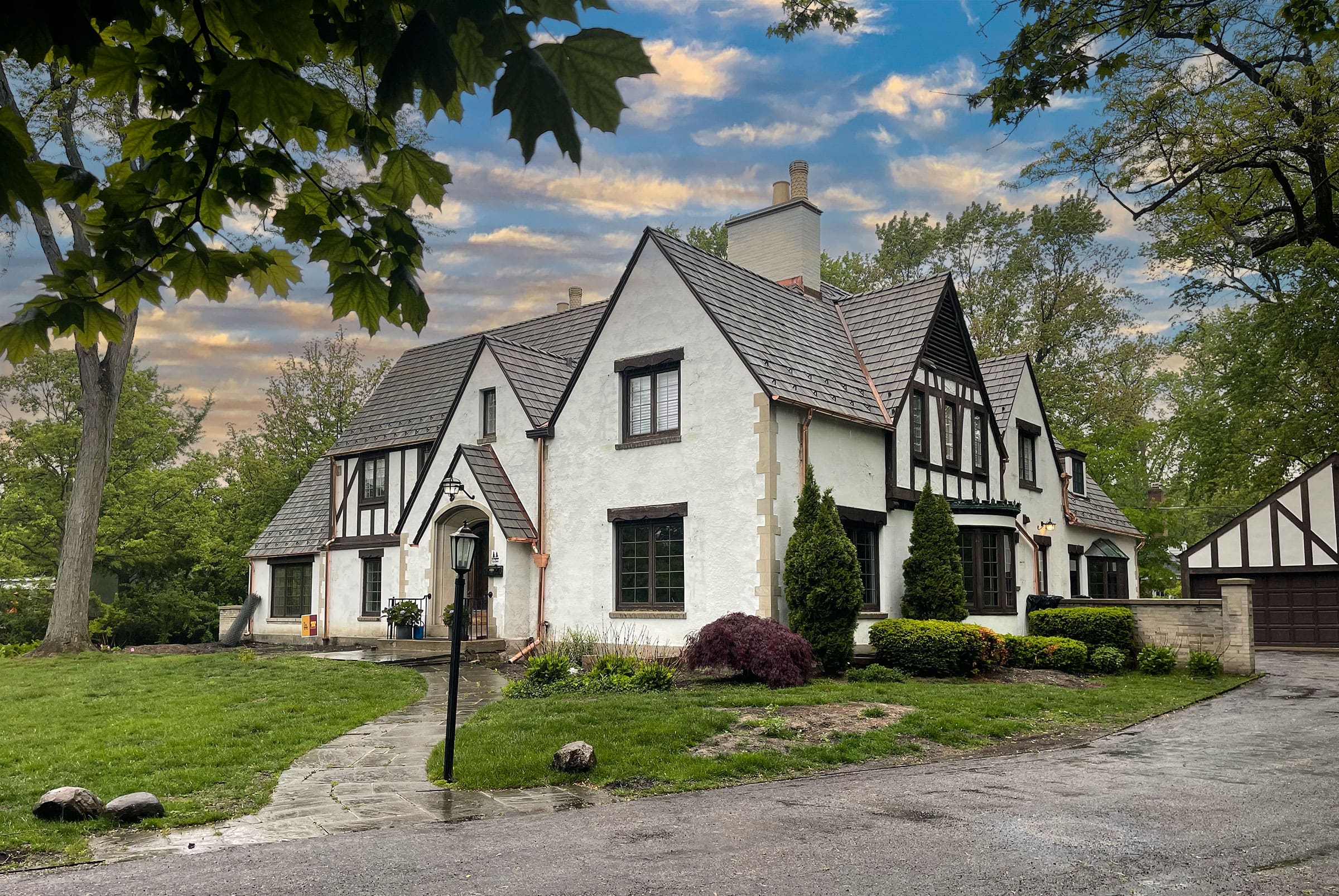
Our Roofing Projects Speak for Themselves




Our Latest Roofing Insights


- Licensed & Insured
- GAF Master Elite
- DaVinci Certified
- Since 2016
Start the Conversation
If you own a historic or architecturally significant home with a roof that needs attention, Wolf Development would welcome the opportunity to assess it. We serve homeowners across the Chicago suburbs and North Shore, from Hoffman Estates to Kenilworth, Winnetka, Lake Forest, Hinsdale, and surrounding communities.
Request a consultation or call (312) 623-7812. We will take the time to understand your home, evaluate what the roof needs, and build a plan that respects both its history and your investment.
Your Roofing Questions, Answered
Everything you need to know about working with Wolf Development.
How do you find matching slate or clay tile for a historic roof?
We maintain relationships with salvage suppliers, specialty quarries, and tile reproduction companies across the country. We match replacement materials for color, thickness, profile, and weathering. When a perfect match is not available, we work with the homeowner to place the closest alternative in the least visible location on the roof.
Is it cheaper to restore a historic roof or replace it entirely?
It depends on the condition of the existing material. If the slate or tile is still largely sound and the failures are limited to flashings, underlayment, or a small percentage of individual units, restoration is typically less expensive than full replacement with new material. We present both options with clear cost and longevity comparisons.
Do you work with local historic preservation commissions?
Yes. Homes in designated historic districts or on historic registries often require exterior work to meet specific preservation guidelines. Wolf Development has experience developing restoration plans that satisfy preservation commission requirements while addressing the roof's functional needs.
Can a historic roof contain hazardous materials like asbestos?
Older roofing underlayments and coatings may contain asbestos or lead-based compounds. We identify potential hazardous materials during our initial inspection and include proper handling and disposal procedures in the project scope when necessary. All work follows applicable safety and environmental regulations.
How long does a historic roof restoration project take?
Longer than a standard replacement because of the precision involved. Material sourcing alone can take weeks if specialty slate or reproduction tile is needed. A typical historic restoration project runs several weeks from start to finish, depending on the roof's size, complexity, and material availability. We build realistic timelines that account for procurement so the project does not stall once work begins.
Still have questions?
Reach out directly. We’re here to talk.