Natural Slate
Timeless elegance and unmatched longevity.
 Skip to content
Timeless elegance and unmatched longevity.

Rustic warmth with natural insulation.
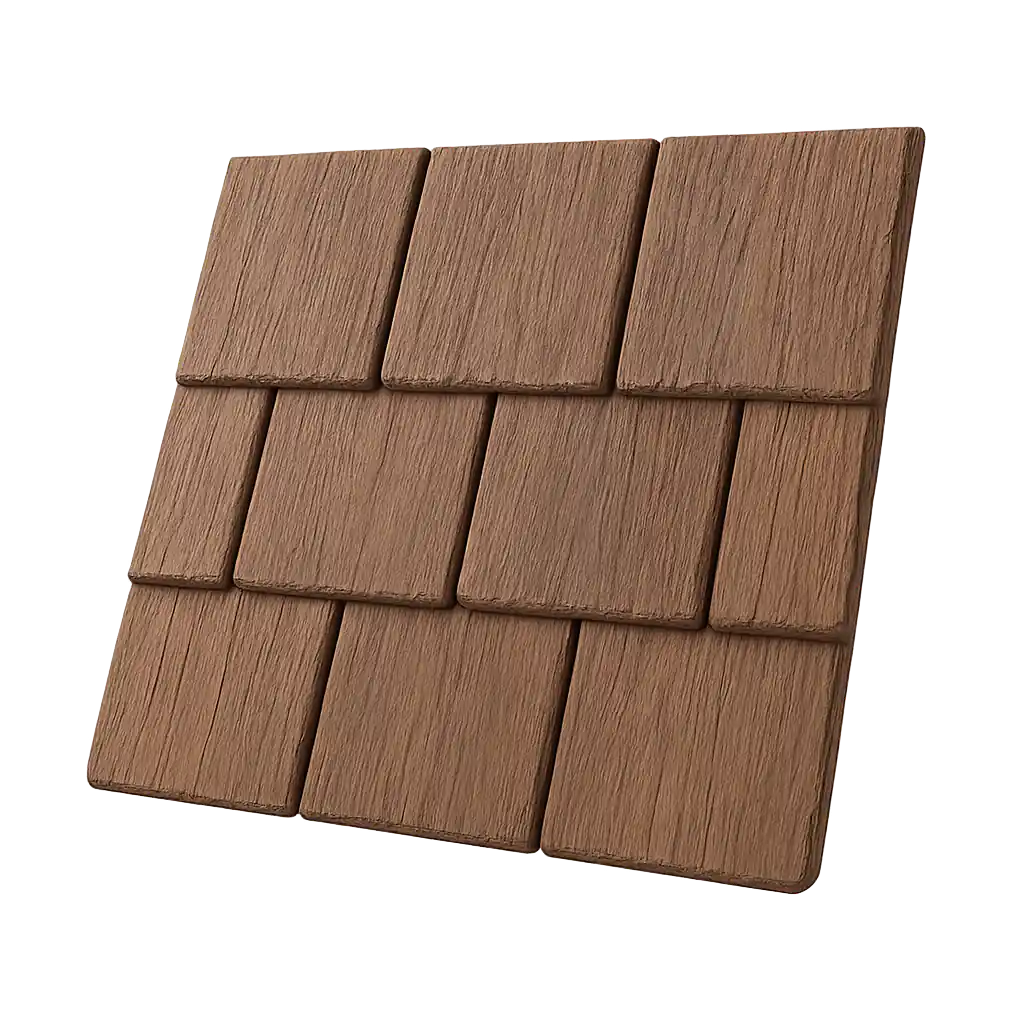
Slate & shake looks, modern performance.
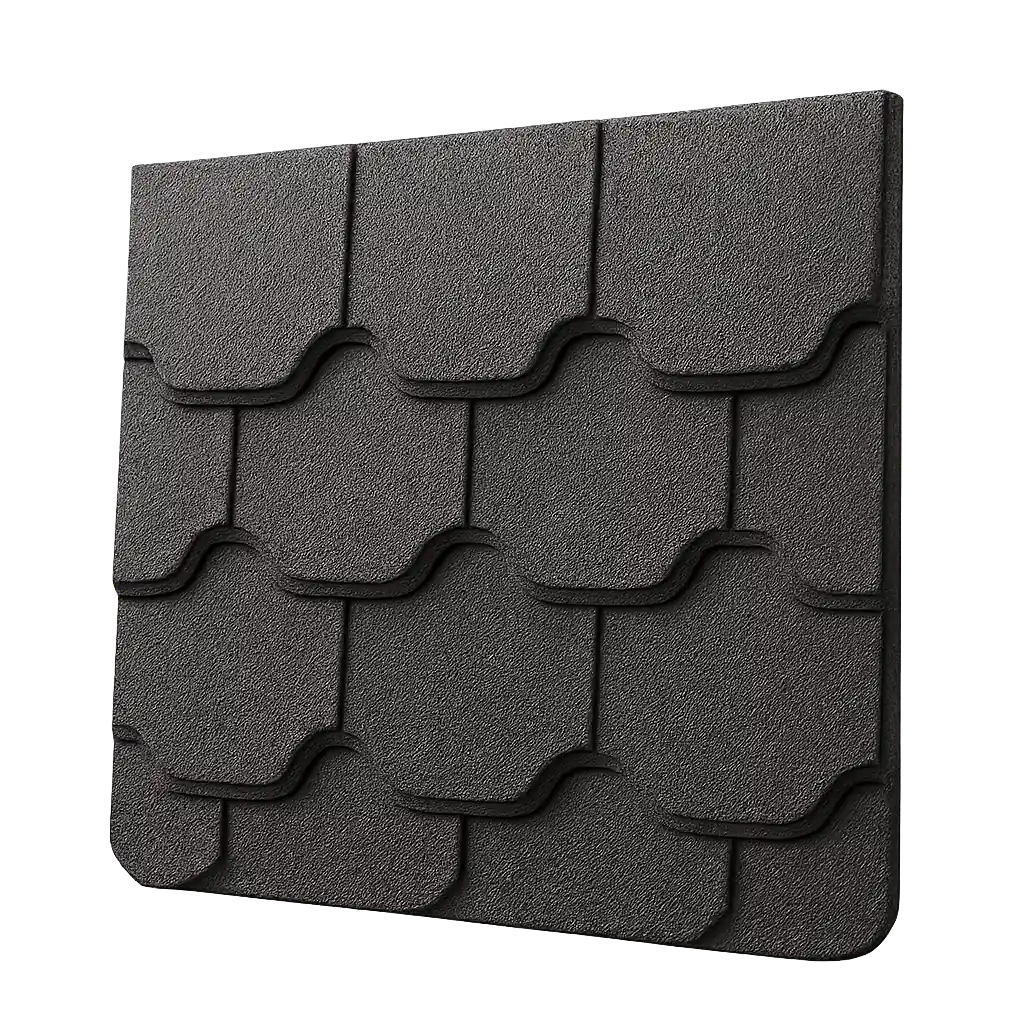
Architectural shingles with slate-like appeal.
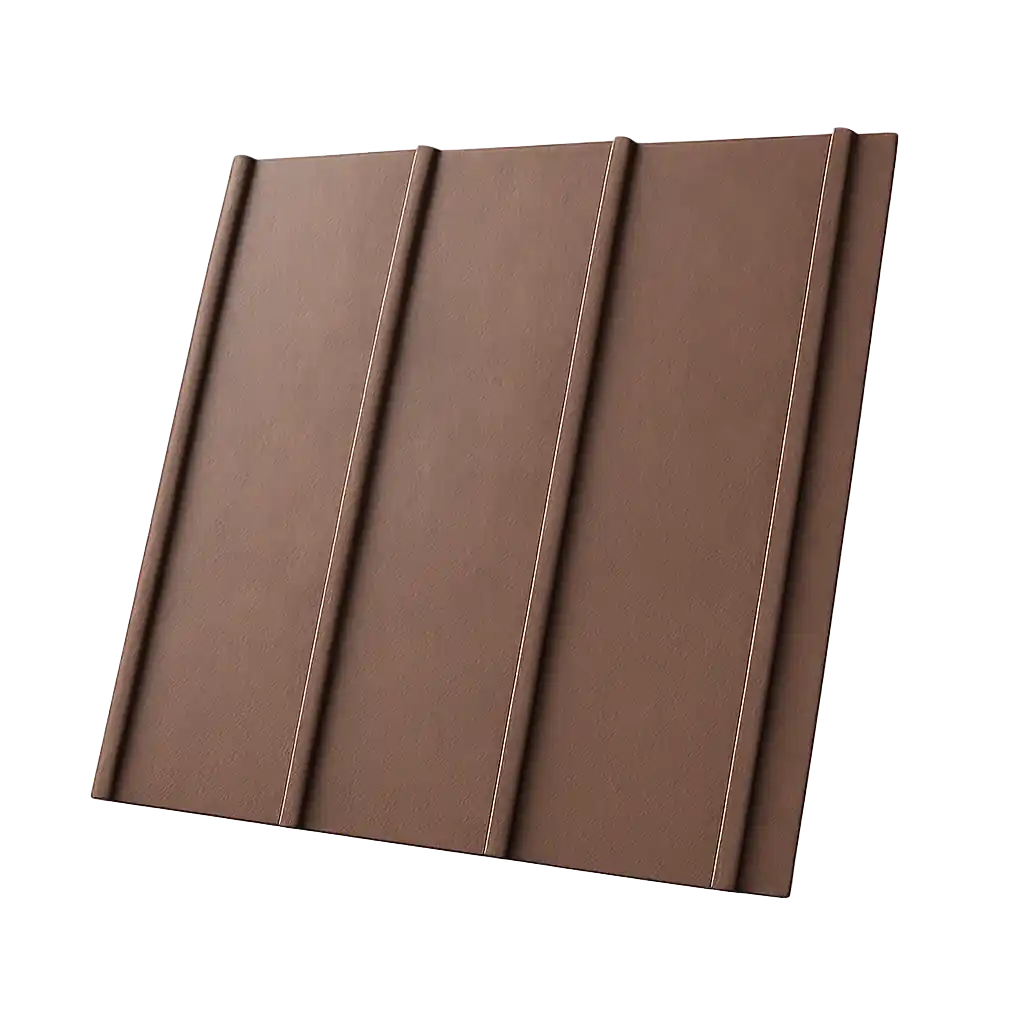
Energy-efficient, modern, and long-lasting.
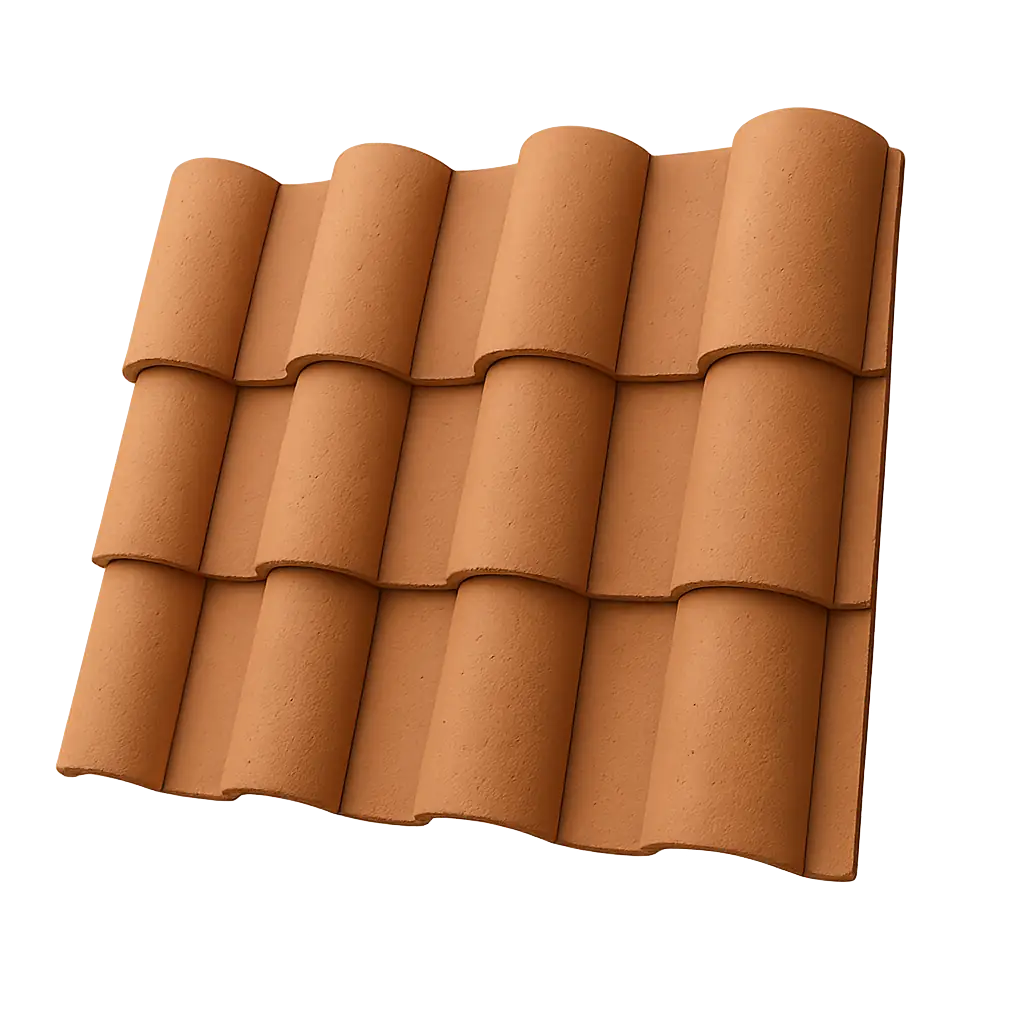
Mediterranean beauty, natural fire resistance.
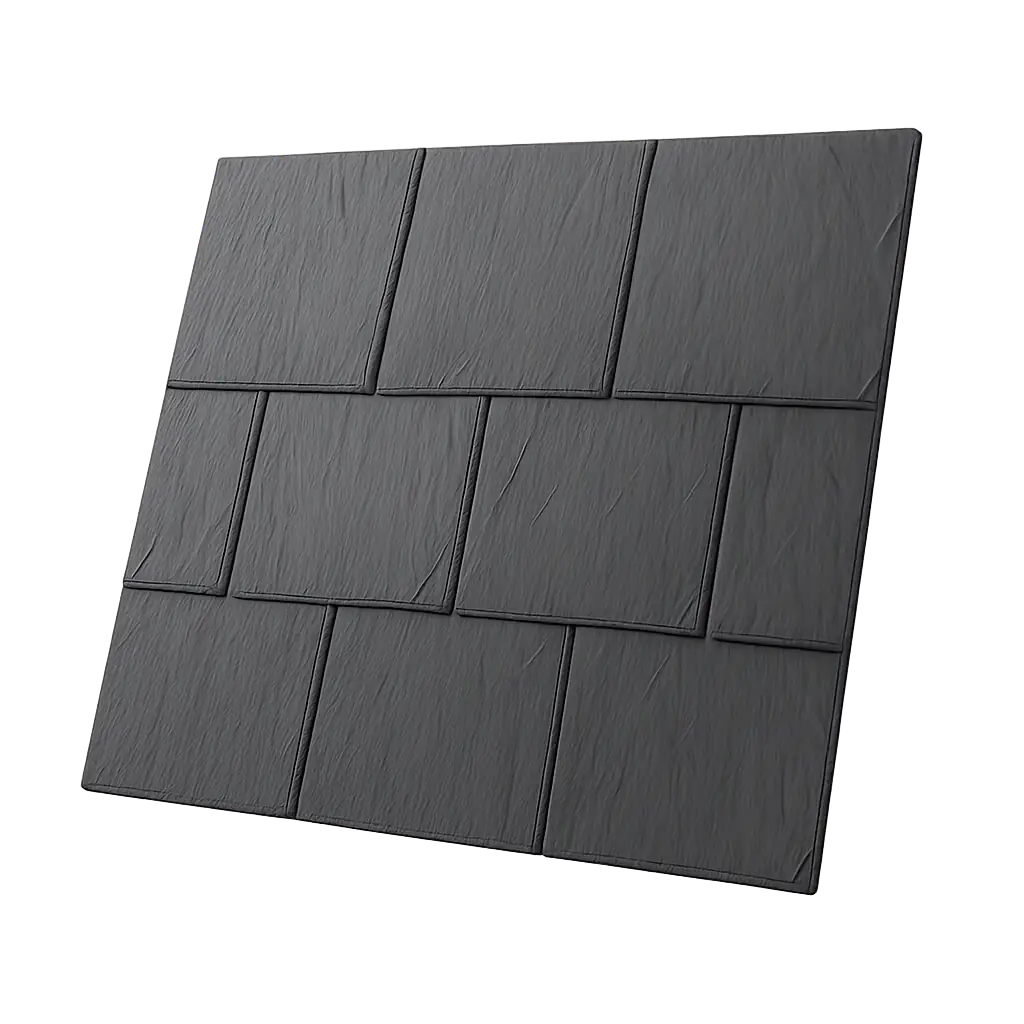
Lightweight durability with classic charm.
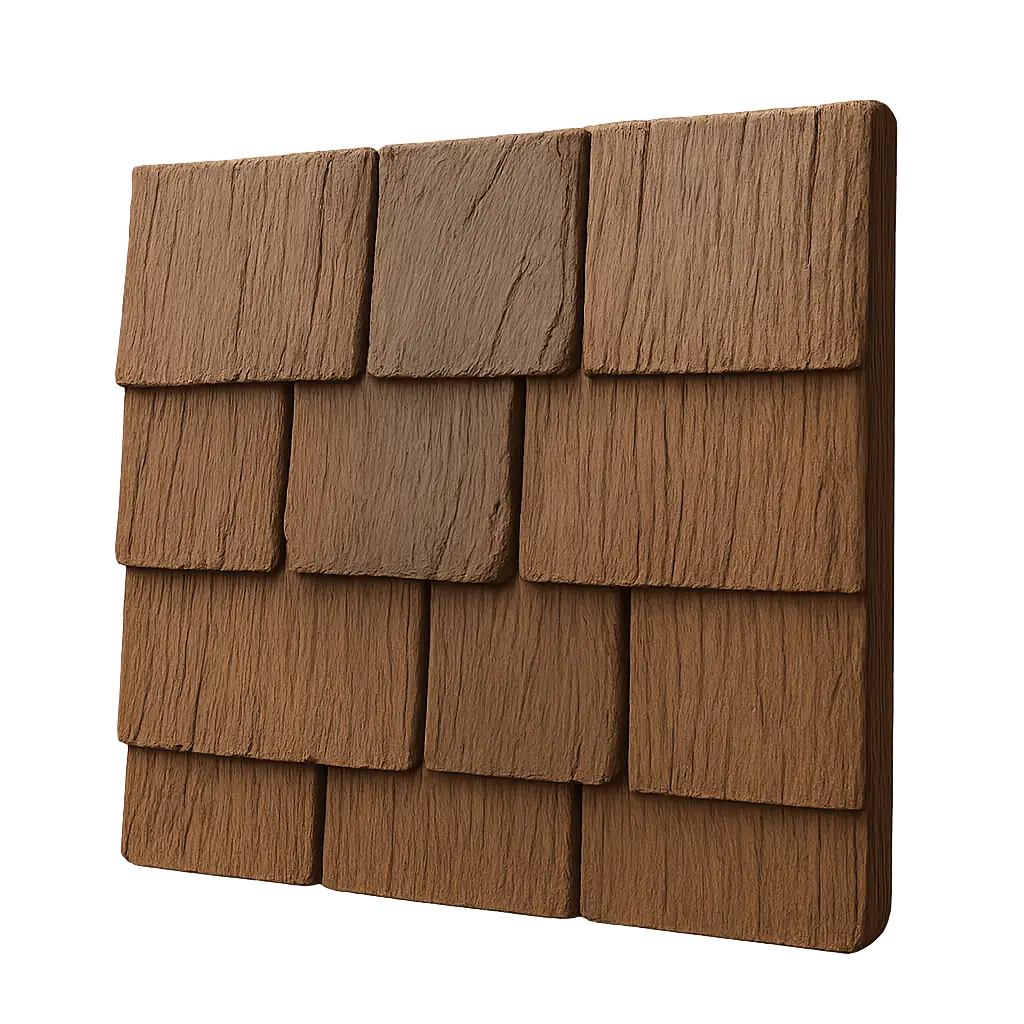
Wood shake appearance, no rot or warping.

The gold standard for low-slope protection.
Eco-friendly composites with authentic detail

Classic layered look, durable protection.
Share

When you list your home for sale, your agent will talk about curb appeal, staging, and pricing strategy. They’ll mention the kitchen renovation, the hardwood floors, and the landscaping.
What they’re less likely to bring up, unless they’re unusually direct, is the roof.
Not because the roof doesn’t matter. It matters more than almost any other single component of the home. But because the roof conversation is uncomfortable. It often leads to a recommendation to spend tens of thousands of dollars before listing, which is a harder sell than “let’s paint the front door.”
Here’s what your agent might not tell you, and what you should know before you list.
The first thing to understand: whatever condition your roof is in, the buyer’s home inspector will document it. Inspectors check the roof as part of every standard home inspection. They photograph problem areas, note the estimated age of the roofing material, and flag visible damage.
On a roof that’s near the end of its useful life, the inspection report will include language like “roof approaching end of serviceable life” or “recommend further evaluation by a qualified roofing contractor.” That language gives the buyer leverage to renegotiate or request a repair credit.
On a roof with active problems (missing material, visible flashing damage, evidence of leaks), the language is stronger. The inspector may recommend “immediate repair” or note that the condition represents a “material defect.” That language can trigger mortgage contingencies, scare away buyers, or kill a deal entirely.
The point: you can’t hide roof problems from a buyer. The inspection process is designed to find them. The question is whether you address them before listing or deal with the consequences during negotiation.
When a buyer gets a mortgage, the lender orders an appraisal. The appraiser evaluates the property’s market value, and the condition of the roof is part of that evaluation.
An appraiser won’t climb the roof. They assess it visually from the ground and note the material type, apparent age, and visible condition. If the roof shows obvious deterioration (curling shingles, missing material, moss growth, sagging), the appraiser may note it as a condition issue that affects value.
In cases where the appraiser identifies significant roof deterioration, they can flag the property as requiring repairs before the loan can close. This is more common with FHA and VA loans than conventional mortgages, but it can happen with any loan type.
When an appraisal comes back with a repair requirement, the seller either completes the repair before closing or the deal restructures (or falls through). This is the scenario agents want to avoid, because it delays closing, adds cost, and introduces uncertainty.
Even when the appraisal goes through cleanly, roof condition creates negotiation leverage for the buyer after the home inspection.
Here’s the typical scenario: the buyer orders a home inspection. The inspector flags the roof as aging or damaged. The buyer’s agent requests a credit, a price reduction, or a pre-closing repair.
The size of that request is often larger than the actual cost of addressing the issue. A buyer who receives an inspection report mentioning “roof nearing end of life” may request a $25,000 credit even if the roof has five to seven years of remaining service. They’re pricing in the worst-case replacement cost, not the actual current condition.
As a seller, you’re now negotiating from a defensive position. You can dispute the credit amount, provide a competing assessment from a roofing contractor, or accept the reduction. None of these options are as strong as listing with a roof that doesn’t trigger the conversation at all.
Why don’t agents lead with this information? Several reasons:
The conversation is expensive. Telling a seller they should spend $30,000 to $70,000 on a new roof before listing is a hard message to deliver, especially when the seller has already budgeted for staging, painting, and cosmetic updates.
The timeline doesn’t always cooperate. A roof replacement takes time. Scheduling, permits, weather, and installation can add four to eight weeks to the pre-listing timeline. Agents working on spring or summer selling windows may not want to push the listing date back.
Some agents genuinely believe it’s not worth it. Their reasoning: the buyer will negotiate regardless, so why invest pre-sale dollars in a roof that the buyer might replace anyway? This logic holds in some price ranges but breaks down in affluent suburbs where buyers expect turnkey condition.
It’s not their expertise. Most agents know that roof condition matters but aren’t qualified to assess whether a roof has two years or ten years of remaining life. Without that knowledge, they default to “let’s see what the inspector says” rather than proactively recommending an assessment.
In communities like Winnetka, Hinsdale, Lake Forest, and Glenview, buyers at the $800,000-and-above price point have high expectations. They’re often purchasing the home as a long-term residence, not a flip. They want to move in without inheriting a major project in the first year.
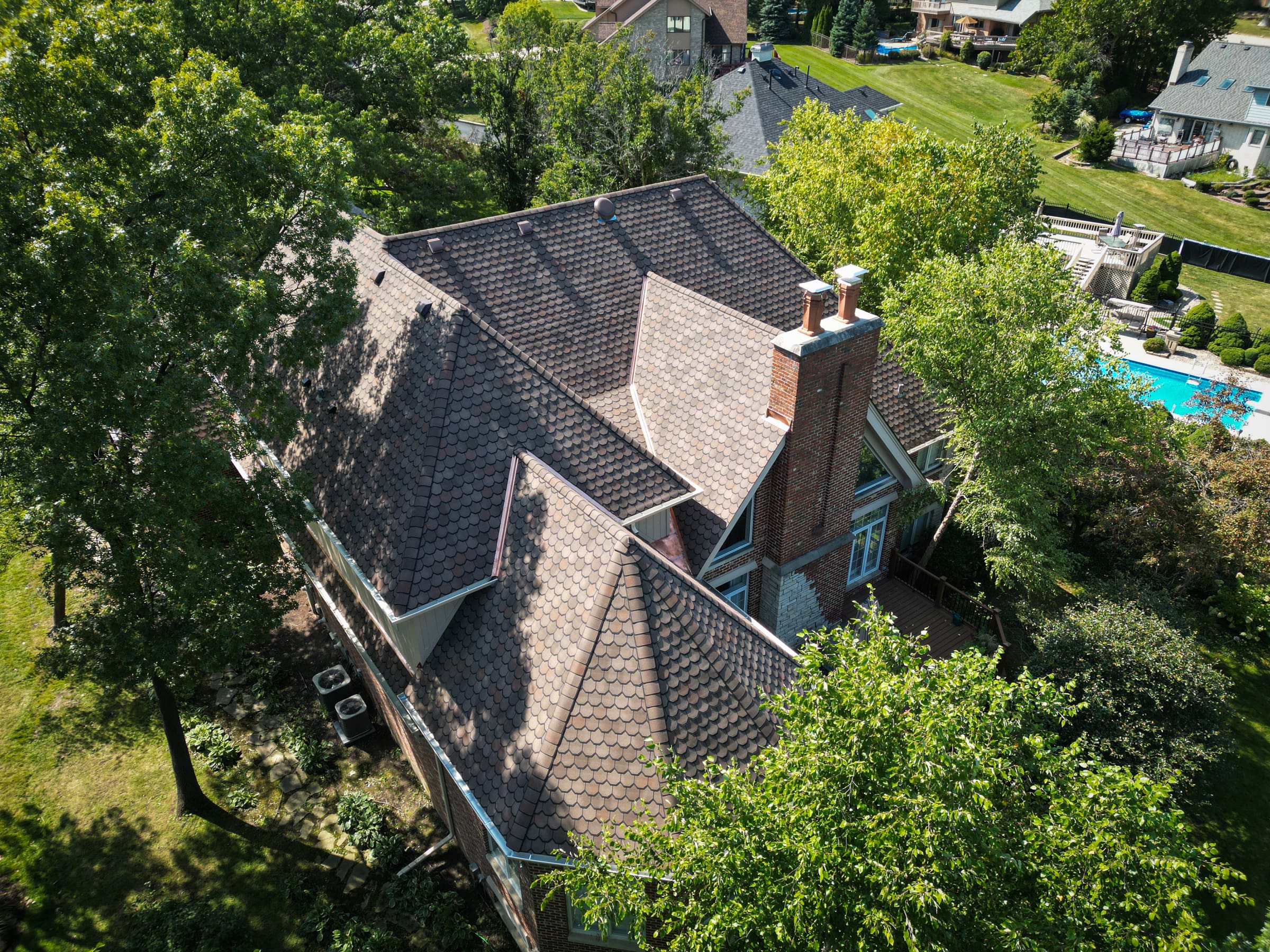
In these markets, a new or recently replaced roof is a competitive advantage. A home with a five-year-old premium roof (synthetic shake, standing seam metal, designer shingles) signals that the seller invested in the property. It removes the negotiation leverage, eliminates the inspection risk, and differentiates the listing from comparable homes with aging roofs.
Conversely, a home with a visibly aging roof in a neighborhood where comparable listings have new roofs will sit longer. Buyers in this segment are comparing properties, and they notice when one home’s roofline looks weathered while the neighbor’s looks sharp.
If you’re not sure whether to replace the roof before listing, start with a professional roof inspection from a roofing contractor (not a general home inspector).
A roofing-specific inspection gives you an honest assessment of remaining useful life, identifies any active problems, and provides you with documentation you can share proactively with buyers.
If the roof has ten or more years of remaining life and no active issues, that documentation becomes a selling tool. You can include it in the listing packet, share it during showings, and use it to counter inspection-driven negotiation attempts.
If the roof has fewer than five years of remaining life or has active problems, you have a clear decision to make: replace before listing and capture the value, or accept the negotiation discount and sell as-is. Either way, you’re making the decision with good information rather than discovering it during escrow.
The calculation is specific to your situation, but the general framework:
Cost of replacement: Depends on material, roof size, and complexity.
Value captured at sale: A new roof increases the appraised value of the home and removes the buyer’s leverage to negotiate a credit. In most cases, sellers recapture a significant portion of the replacement cost through a higher sale price and fewer concessions.
Cost of not replacing: The negotiation credit buyers request, the deals that fall through after inspection, the extended time on market, and the price reductions needed to attract offers on a home with a visible liability.
The exact numbers depend on your home, your market, and the buyer pool. But in affluent suburban markets with informed buyers, the cost of selling with a bad roof is almost always higher than the cost of replacing it.
If you’re considering selling and want to understand your roof’s condition before you talk to an agent, schedule an inspection. We’ll give you a straightforward assessment and help you decide whether replacing the roof is the right move for your timeline and budget.
Timeless elegance and unmatched longevity.
Rustic warmth with natural insulation.
Slate & shake looks, modern performance.
Architectural shingles with slate-like appeal.
Energy-efficient, modern, and long-lasting.
Mediterranean beauty, natural fire resistance.
Lightweight durability with classic charm.
Wood shake appearance, no rot or warping.
The gold standard for low-slope protection.
Eco-friendly composites with authentic detail
Classic layered look, durable protection.