Natural Slate
Timeless elegance and unmatched longevity.
 Skip to content
Timeless elegance and unmatched longevity.

Rustic warmth with natural insulation.
Slate & shake looks, modern performance.
Architectural shingles with slate-like appeal.
Energy-efficient, modern, and long-lasting.
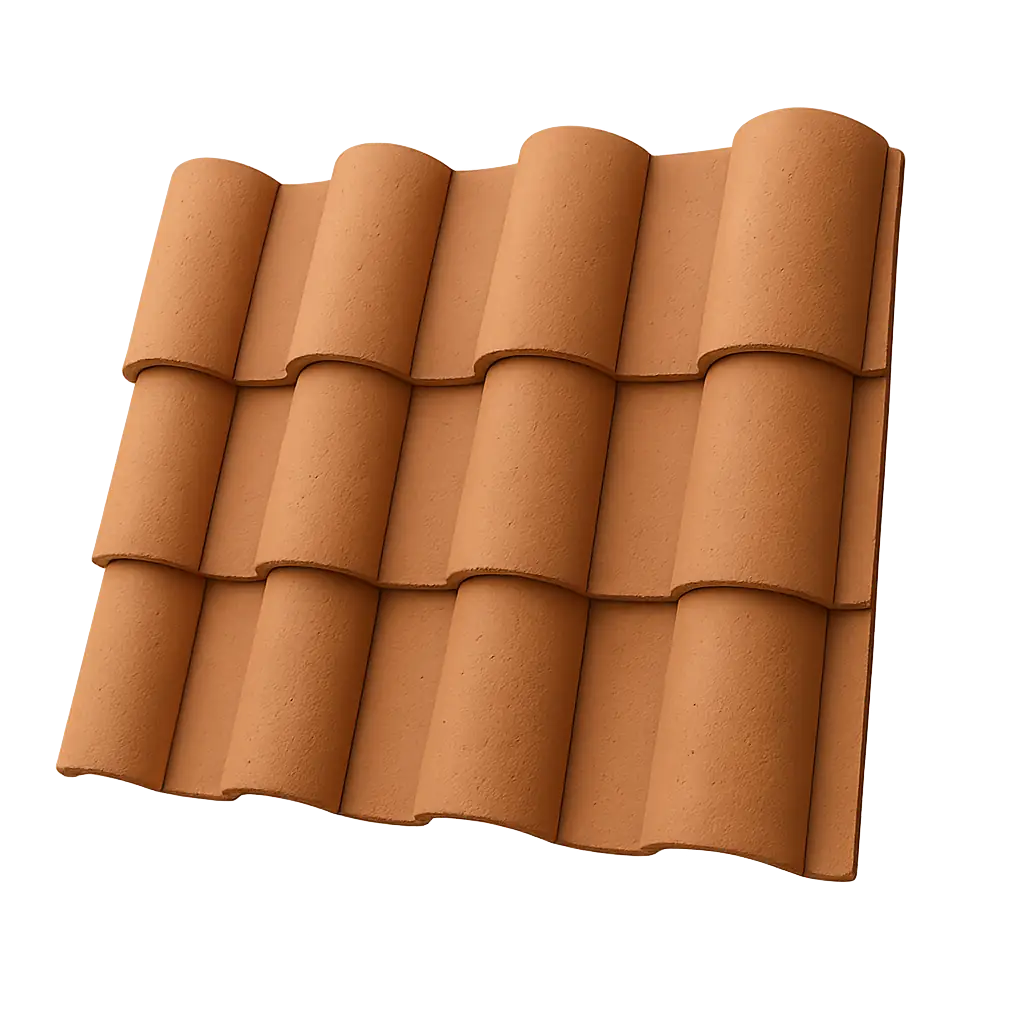
Mediterranean beauty, natural fire resistance.
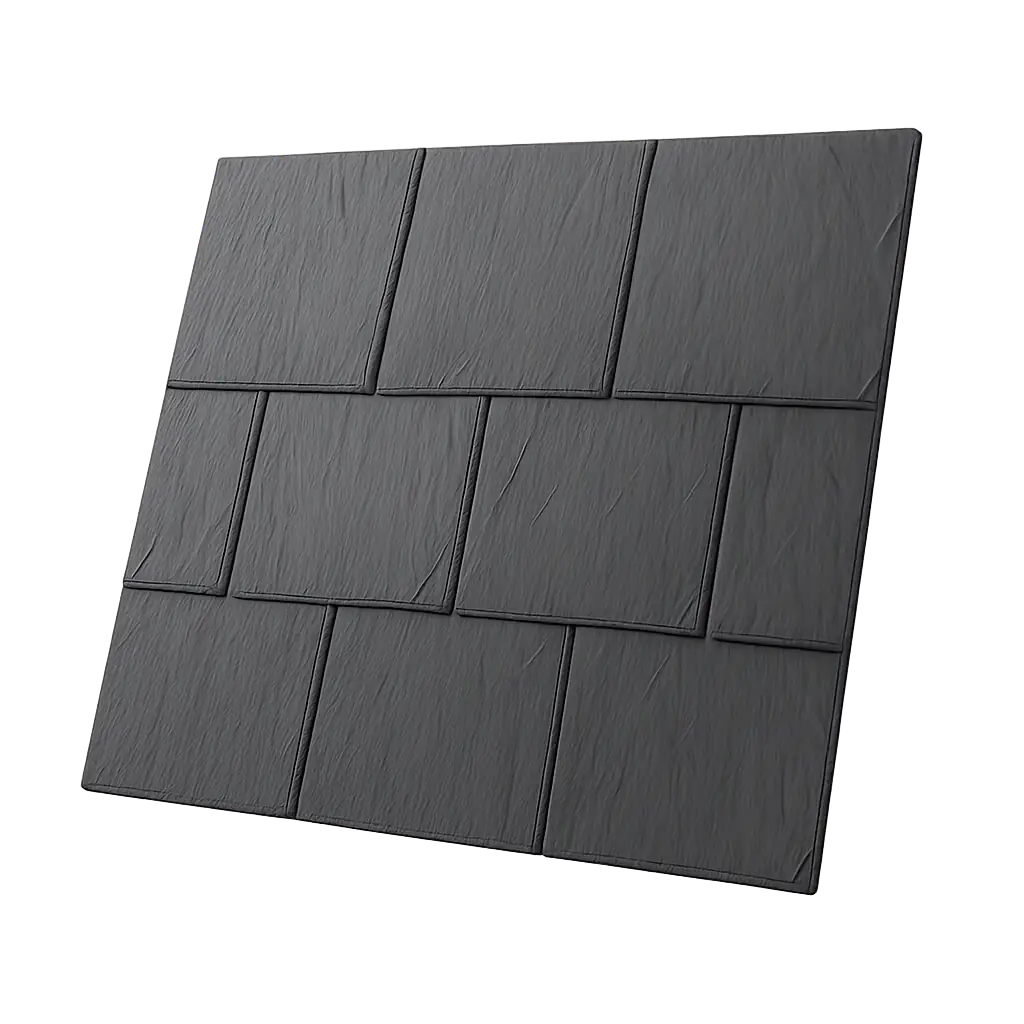
Lightweight durability with classic charm.
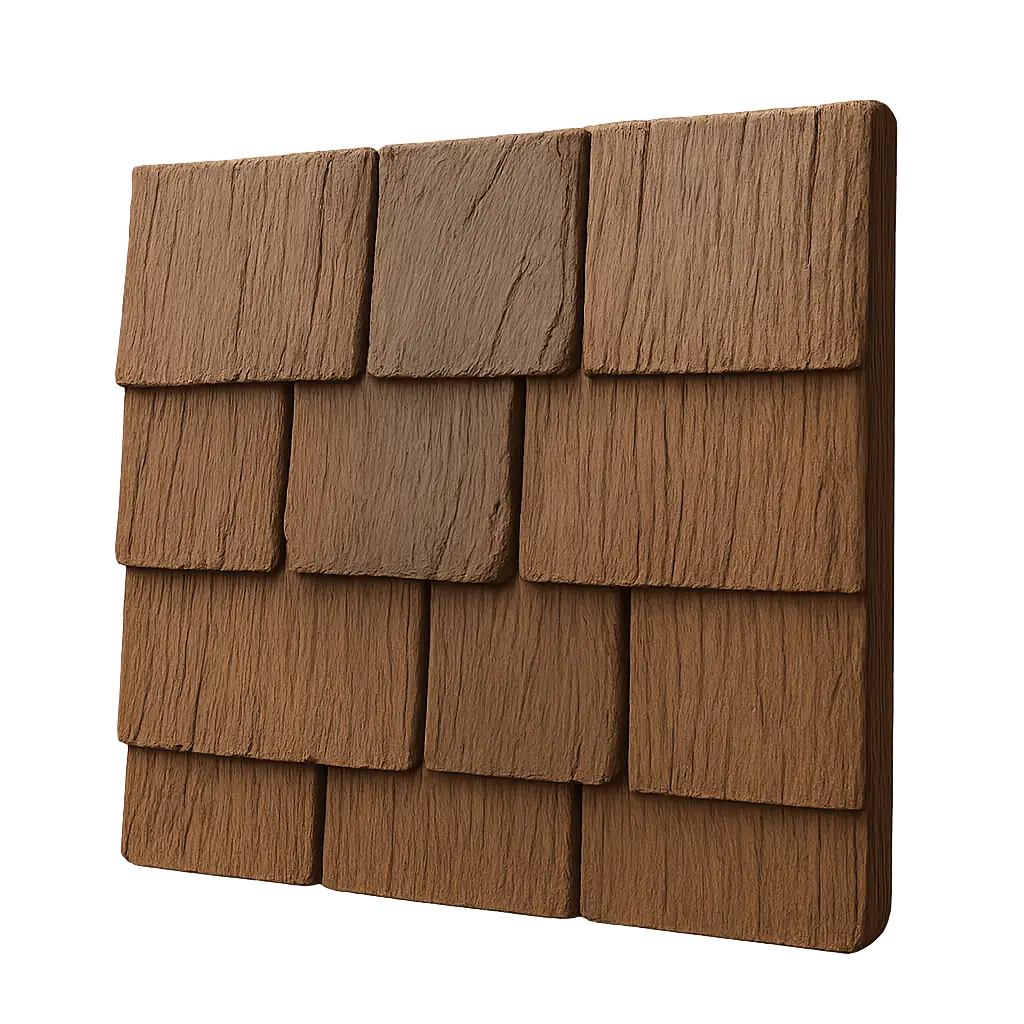
Wood shake appearance, no rot or warping.

The gold standard for low-slope protection.
Eco-friendly composites with authentic detail

Classic layered look, durable protection.
Share
Ask a roofing contractor if they’re insured and the answer is always yes. Ask to see the certificate and most will hand you a document. But very few homeowners know how to read that document, verify that it’s current, or identify the gaps that could leave them financially exposed if something goes wrong.
An insurance certificate is not a guarantee of protection. It’s a snapshot of coverage on the date it was issued. Here’s how to read it, what to verify, and what to watch for.
A Certificate of Insurance is a one-page summary issued by the contractor’s insurance company (or their broker). It lists the types of coverage the contractor carries, the policy numbers, the coverage limits, and the effective dates.
The COI is not the policy itself. It’s a summary document. It doesn’t include the exclusions, conditions, or endorsements that define what the policy actually covers. Think of it as the cover page of a book. It tells you the title, but not the story.
Roofing contractors typically carry three types of insurance relevant to homeowners:
General Liability Insurance: Covers damage to your property caused by the contractor’s work. If a crew member drops a tool through a skylight or a tear-off damages your siding, general liability pays for the repair.
Workers’ Compensation Insurance: Covers medical expenses and lost wages for workers injured on the job. If a crew member falls off your roof and breaks a leg, workers’ comp covers their treatment and recovery. Without it, you could be liable.
Commercial Auto Insurance: Covers damage caused by the contractor’s vehicles. Less relevant to the roofing work itself, but part of a properly insured business.
A standard COI (most follow the ACORD 25 format) has several sections. Here’s what to look for:
This is the legal name of the contractor’s business. It should match the name on your contract. If the certificate lists “ABC Roofing LLC” but your contract is with “ABC Home Services,” ask why. The coverage applies to the named entity, not to a related company with a similar name.
Every policy has a start date and an expiration date. The certificate should show policies that are currently active, meaning today’s date falls between the effective and expiration dates.
A certificate showing a policy that expired two months ago is worthless. A certificate showing a policy that starts next month doesn’t cover today’s work. Check the dates.
The certificate lists each coverage type with its per-occurrence limit and aggregate limit.
Per-occurrence limit: The maximum the insurer will pay for a single claim. For general liability on a residential roofing project, you want to see at least $1 million per occurrence.
General aggregate limit: The maximum the insurer will pay for all claims during the policy period. If the contractor has already had significant claims earlier in the policy year, the remaining aggregate may be lower than the per-occurrence limit suggests.
Workers’ compensation: Look for the statutory limits (which are set by Illinois law) plus the employer’s liability limits. The statutory coverage is the important one. It confirms the contractor is compliant with Illinois workers’ comp requirements.
This section shows who requested the certificate. If you asked the contractor for a COI naming you as the certificate holder, your name and address should appear here. Being listed as the certificate holder means you’ll be notified if the policy is cancelled or changed.
If the certificate holder section is blank or lists someone else (a general contractor, a property manager), the certificate wasn’t issued for your project. Ask for one that lists you.
Every insurance policy has exclusions, specific scenarios or types of damage the policy won’t cover. Common exclusions in contractor general liability policies include damage from faulty workmanship (the policy covers resulting property damage but not the cost of redoing the work), pollution, and certain types of subcontractor activity.
The COI doesn’t list these exclusions. You’d need to request and review the actual policy to identify them, which most homeowners don’t do (and most contractors won’t provide).
A certificate can be issued while a policy is technically active but behind on premium payments. If the contractor stops paying their premium, the insurer will cancel the policy after a grace period. The COI you received last month may reflect a policy that no longer exists.
This is why verification matters. Call the insurance company directly (the phone number is on the certificate) and confirm that the policy is active and paid through the period covering your project.
Some homeowners request to be added as an “additional insured” on the contractor’s policy. This provides you with direct coverage under their policy for liability arising from the contractor’s work on your property.
Being listed as the certificate holder is not the same as being an additional insured. The certificate holder receives notification of policy changes. The additional insured has actual coverage rights. If you want additional insured status (which is recommended for large projects), you need to request it specifically and confirm it appears on the certificate as an endorsement.
If your contractor uses subcontracted crews, the general contractor’s insurance may or may not cover the subcontractors’ work. Some policies exclude subcontractor activity. Others require the subcontractors to carry their own coverage.
Ask the contractor directly: Do your subcontractors carry their own general liability and workers’ compensation? Can you provide certificates for them as well?
If the contractor uses subcontractors who aren’t independently insured, and the general contractor’s policy excludes subcontractor work, you have a gap. An injury to an uninsured subcontractor’s employee on your property could result in a claim against your homeowner’s insurance.
Verifying a COI takes about ten minutes:
Step 1: Read the certificate and note the insurance company name, policy numbers, and effective dates.
Step 2: Call the insurance company’s main number (not a number provided by the contractor, but the number you find independently through the insurer’s website). Ask them to verify that the policy is active and in good standing.
Step 3: Confirm that the named insured matches the contractor’s legal business name.
Step 4: Confirm the coverage limits meet your comfort level (at least $1 million per occurrence for general liability, statutory limits for workers’ comp).
Step 5: If you requested additional insured status, confirm that the endorsement has been added to the policy.
This process catches the most common problems: expired policies, cancelled policies, fake certificates, and coverage gaps.
On a $50,000 to $100,000 roof replacement, the financial exposure if something goes wrong is significant. A worker injury without workers’ comp coverage can result in a claim against your homeowner’s policy. Property damage without adequate general liability coverage comes out of the contractor’s pocket (or yours, if they can’t pay).
Reputable contractors carry proper insurance because it protects both the homeowner and their own business. They don’t hesitate to provide certificates, they welcome verification calls, and they maintain coverage year-round rather than buying policies only for active projects.
The contractors who resist providing documentation, who hand you a certificate that doesn’t quite match their business name, or who can’t explain their coverage? That resistance tells you something worth knowing before you sign a contract.
If you want to see our insurance documentation, just ask. We’ll hand it over and encourage you to verify it.
Timeless elegance and unmatched longevity.
Rustic warmth with natural insulation.
Slate & shake looks, modern performance.
Architectural shingles with slate-like appeal.
Energy-efficient, modern, and long-lasting.
Mediterranean beauty, natural fire resistance.
Lightweight durability with classic charm.
Wood shake appearance, no rot or warping.
The gold standard for low-slope protection.
Eco-friendly composites with authentic detail
Classic layered look, durable protection.