Natural Slate
Timeless elegance and unmatched longevity.
 Skip to content
Timeless elegance and unmatched longevity.
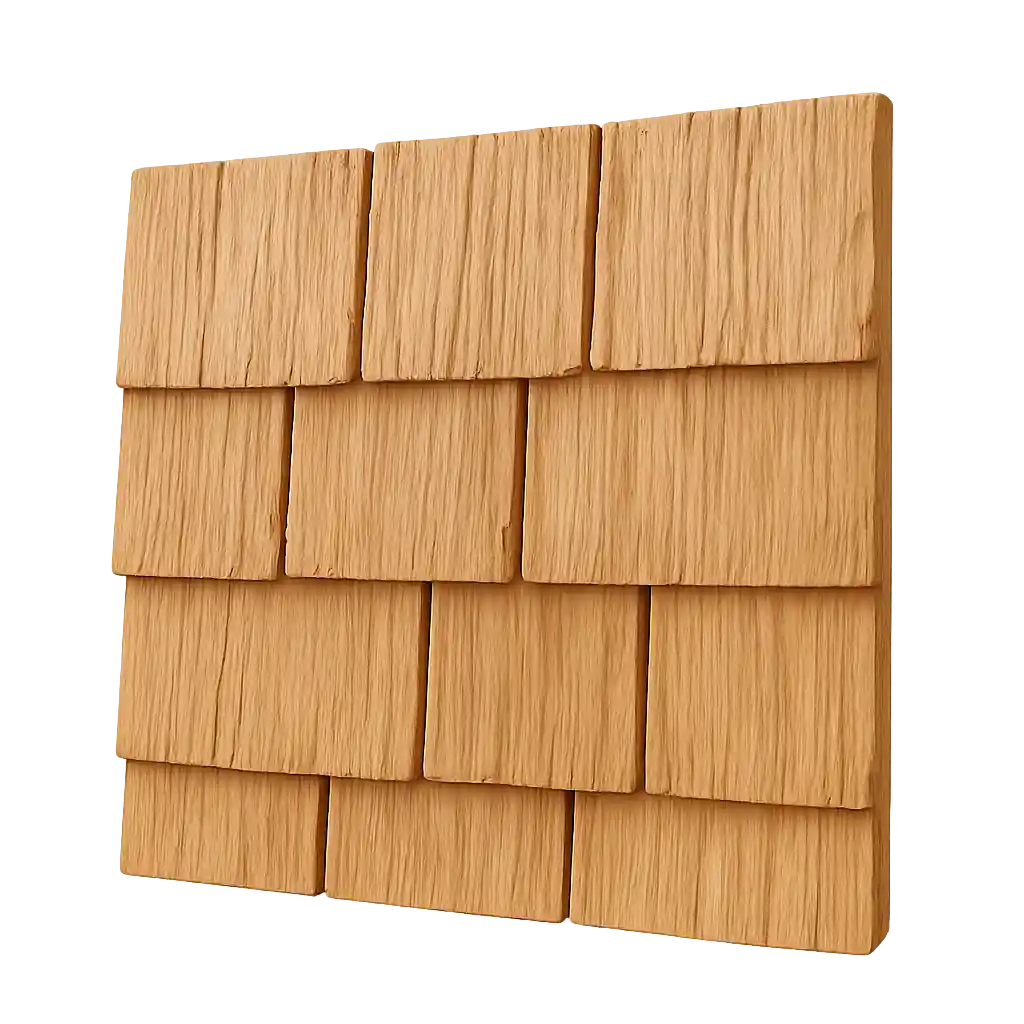
Rustic warmth with natural insulation.
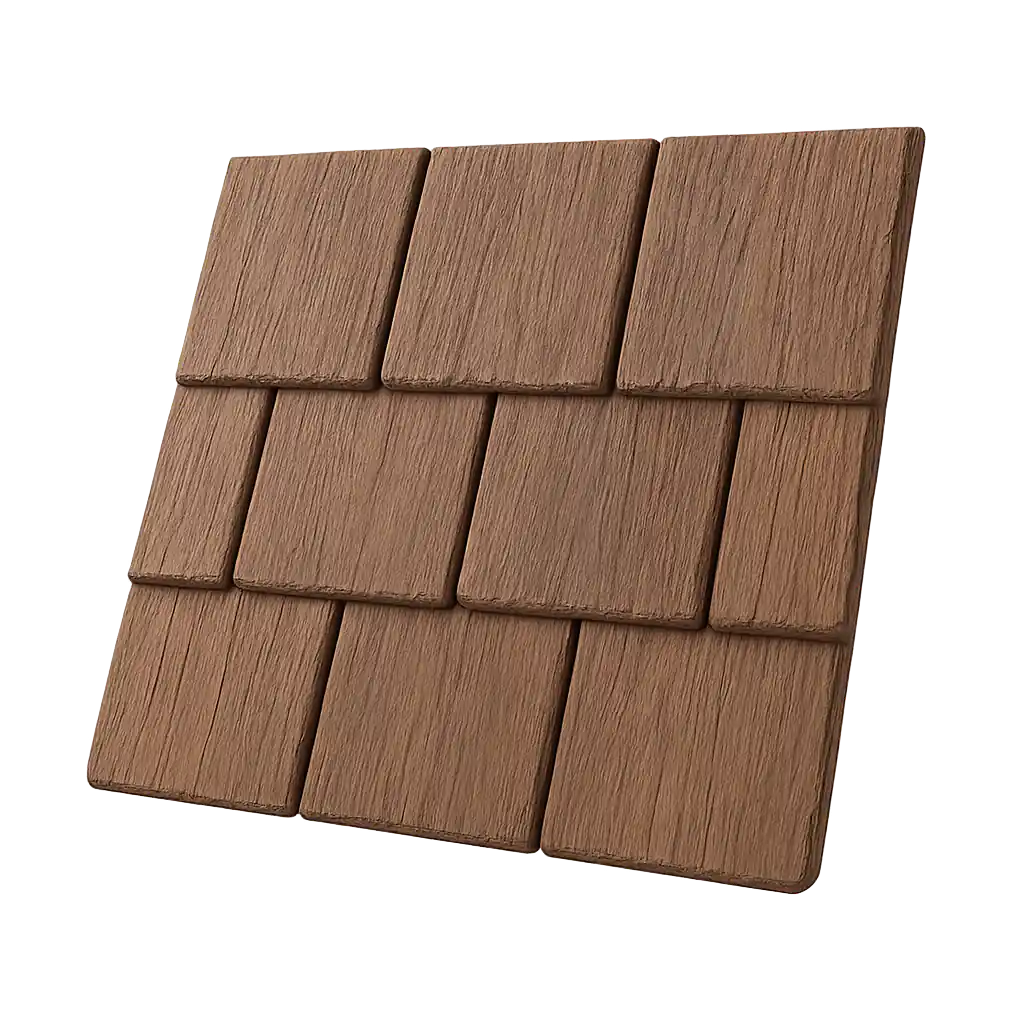
Slate & shake looks, modern performance.
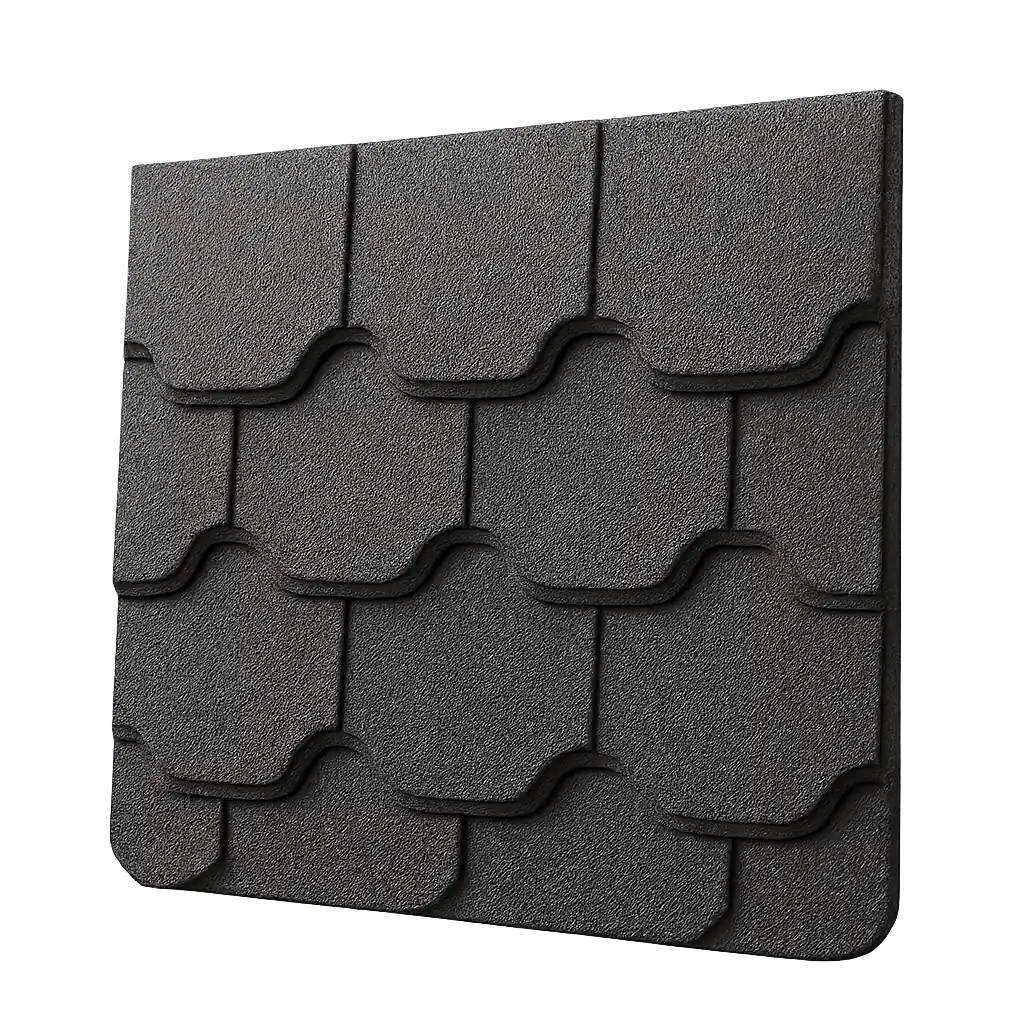
Architectural shingles with slate-like appeal.
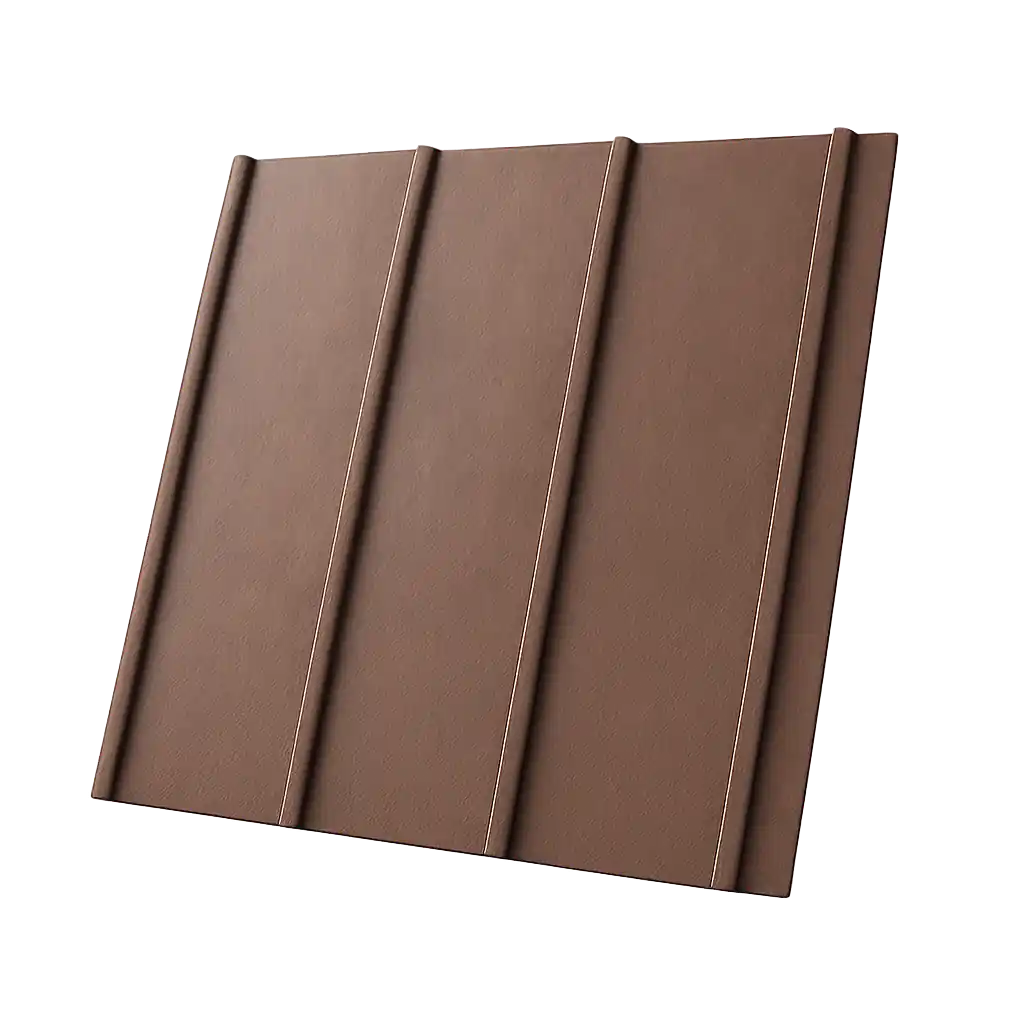
Energy-efficient, modern, and long-lasting.
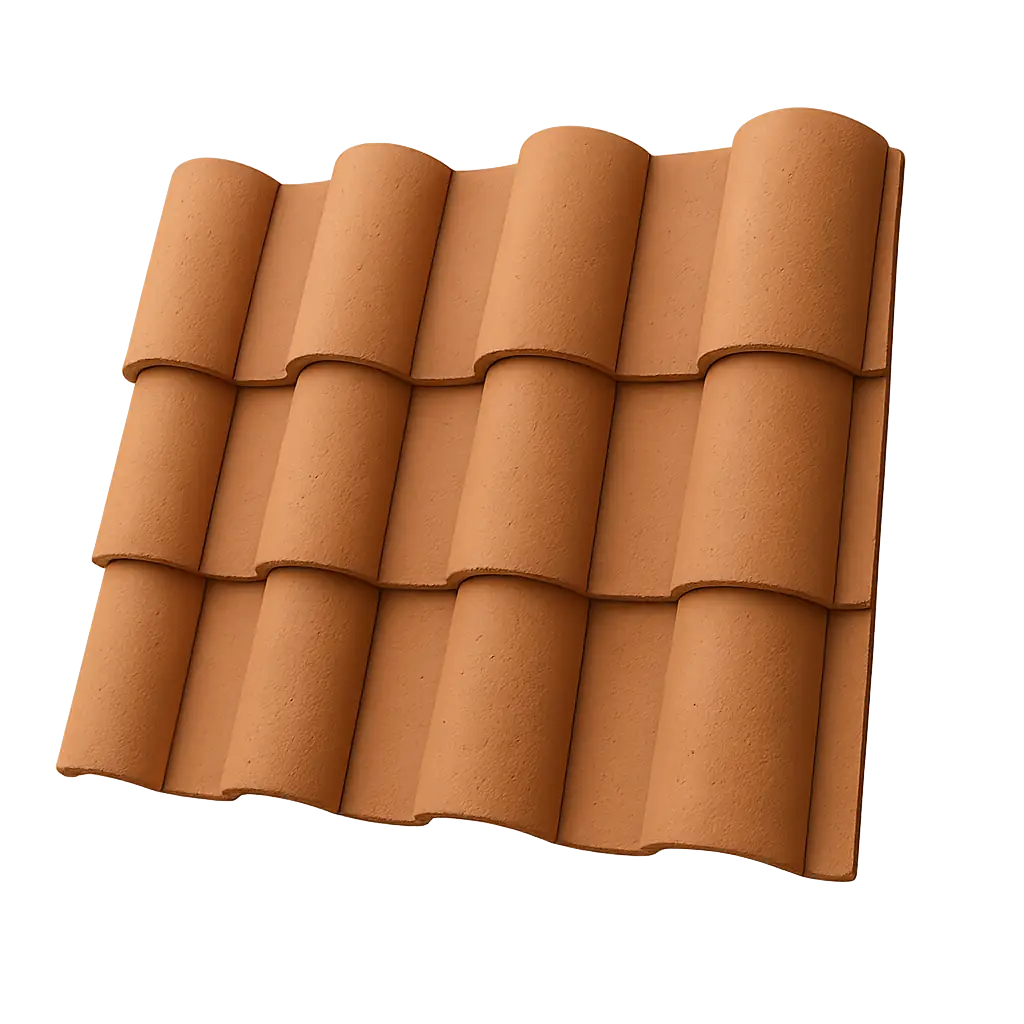
Mediterranean beauty, natural fire resistance.
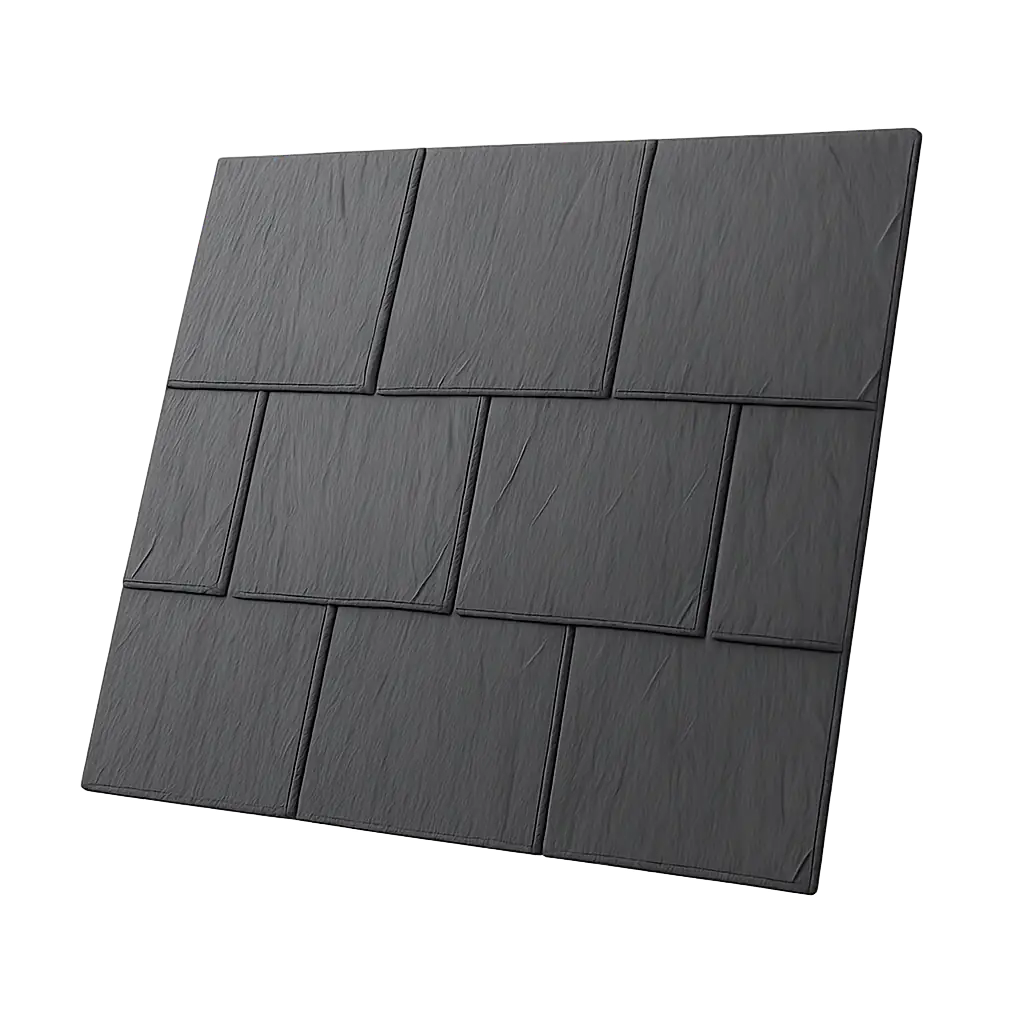
Lightweight durability with classic charm.
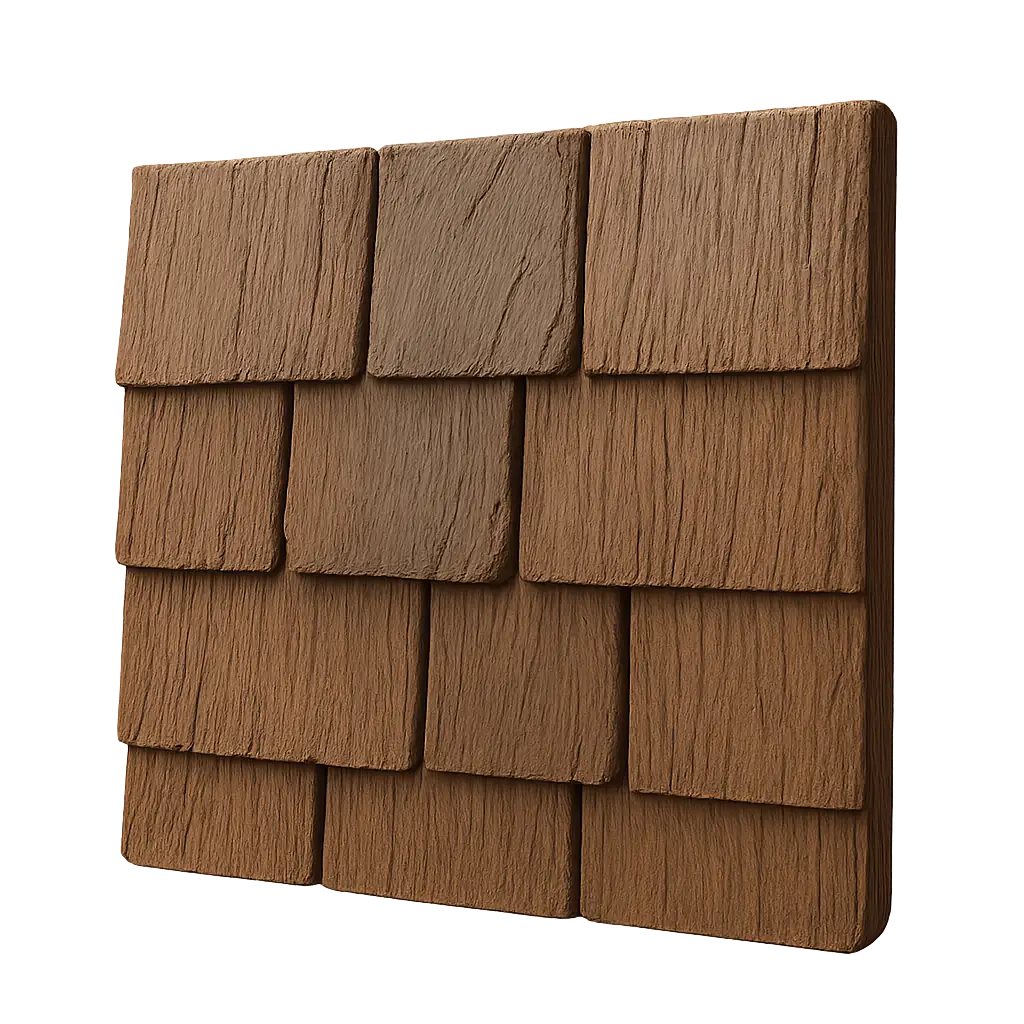
Wood shake appearance, no rot or warping.
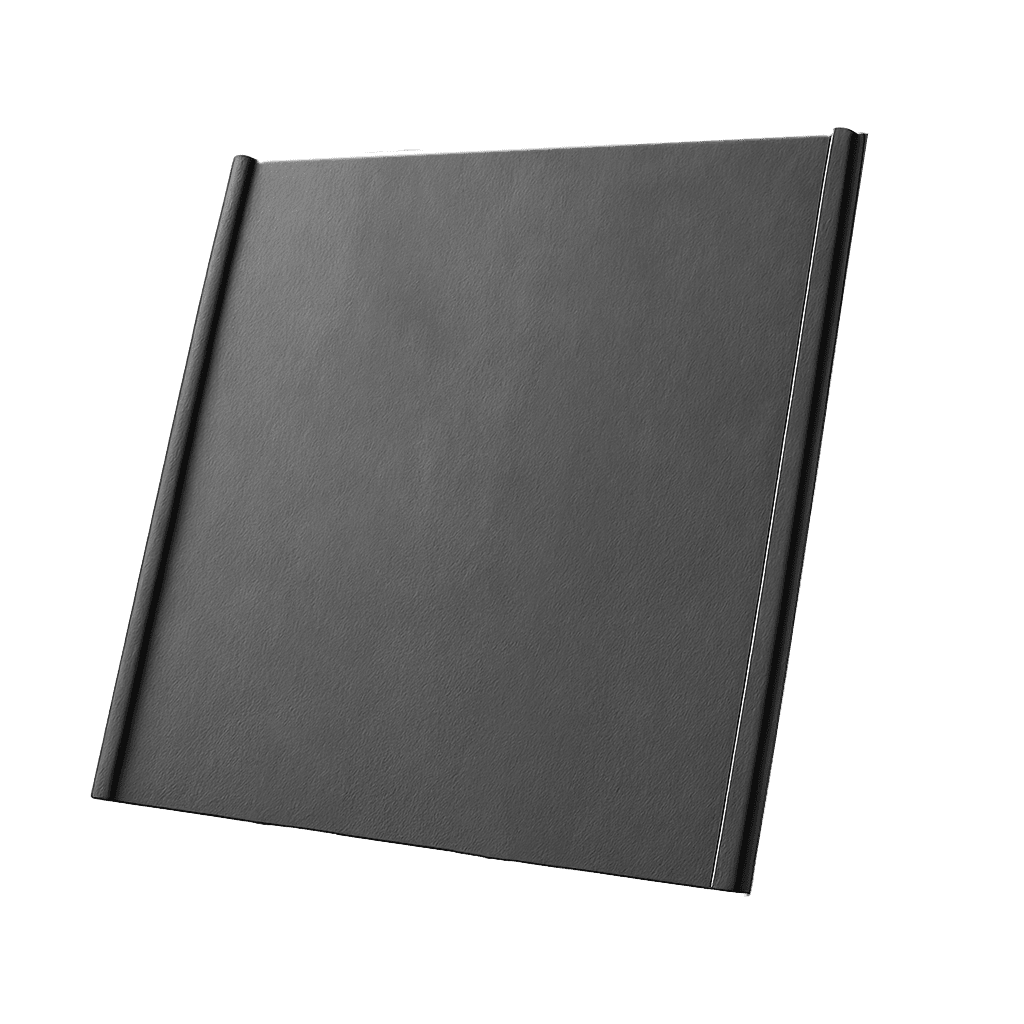
The gold standard for low-slope protection.
Eco-friendly composites with authentic detail
Classic layered look, durable protection.
Share
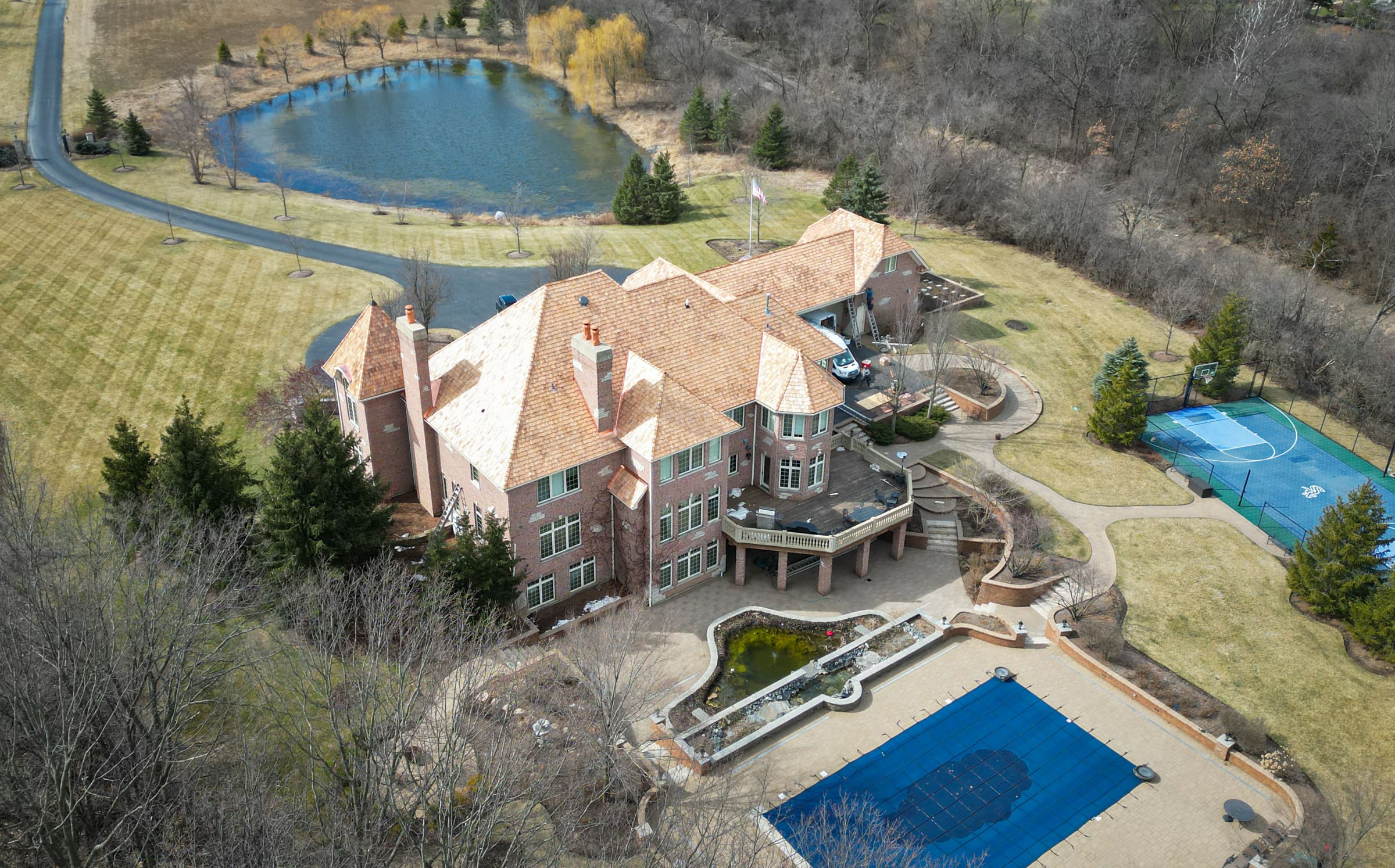
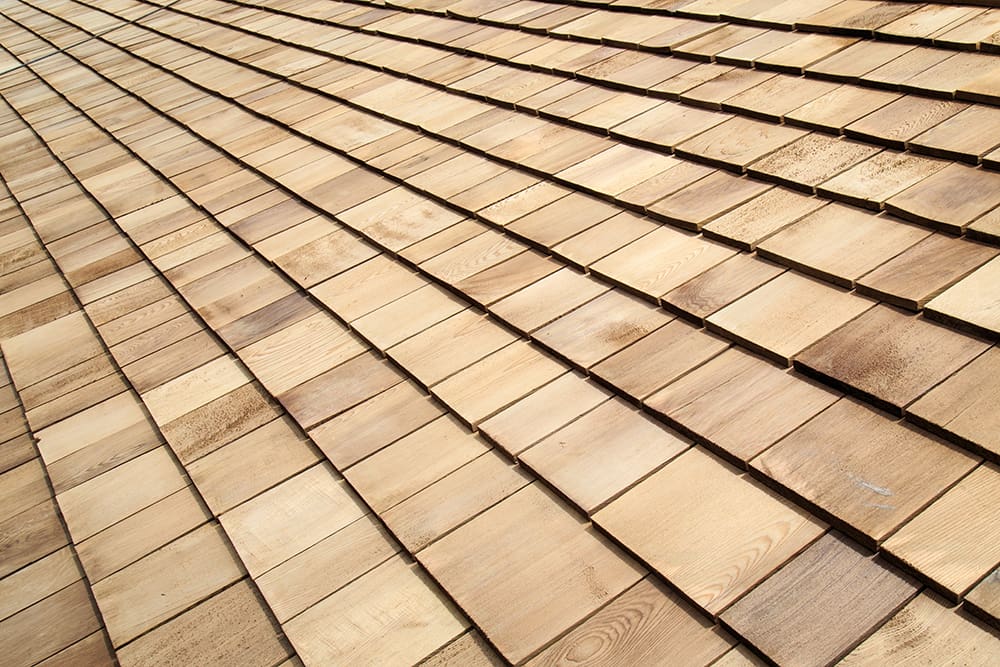
Drive through the North Shore suburbs and you’ll see cedar shake roofs on block after block. Winnetka, Kenilworth, Barrington Hills, Lake Forest. Cedar has been the default choice for upscale Chicago homes for generations.
But look closer at those roofs.
Many are showing their age. Curling shakes. Bare patches. Moss creeping across shaded sections. The silver-gray weathering that once looked distinguished now looks tired.
These roofs are reaching the end of their useful lives. And when replacement time comes, something interesting is happening.
Fewer and fewer homeowners are choosing cedar shake again.
Roofing contractors across Chicagoland report the same pattern. A decade ago, most cedar shake replacement projects meant installing new cedar. Today, the majority of homeowners replacing cedar are switching to something else.
This isn’t happening because cedar suddenly got worse. Cedar shake is the same material it’s always been, with the same strengths and weaknesses. What changed are the factors surrounding that choice: insurance availability, maintenance realities, material alternatives, and homeowner priorities.
Cedar shake isn’t disappearing. New installations still happen, particularly on historic homes, in neighborhoods with architectural requirements, and for homeowners who genuinely love the material and accept its demands.
But as a default choice for premium roofing? That era is ending.
Several forces are pushing homeowners toward alternatives. No single factor dominates. Together, they’re reshaping the market.
Insurance companies have become increasingly reluctant to cover wood roofs.
The concerns are straightforward from an underwriting perspective. Wood roofs carry higher fire risk than non-combustible alternatives. They require more maintenance to remain functional. They’re more susceptible to weather damage. Claims on wood roof homes cost more on average than claims on homes with other roofing materials.
The response varies by carrier, but the trend is consistent:
Higher premiums. Homes with cedar shake roofs often face insurance costs 15% to 30% higher than comparable homes with Class A fire-rated roofing.
Coverage restrictions. Some carriers exclude wind and hail damage on wood roofs, or apply separate, higher deductibles for roof claims.
Non-renewal. Homeowners with aging cedar roofs increasingly receive non-renewal notices. The carrier isn’t willing to continue coverage unless the roof is replaced.
Outright declination. Some insurers simply won’t write new policies on homes with wood shake roofs, regardless of condition.
When a homeowner faces insurance costs $1,500 to $3,000 higher per year because of their roof material, that changes the economic calculation. Over a 25-year roof life, the insurance premium difference alone can exceed $50,000.
And when insurance becomes difficult to obtain at any price, the choice is made for you.
Cedar shake requires maintenance that most homeowners don’t actually perform.
The material needs periodic cleaning to remove debris, moss, and algae. It benefits from treatments that restore oils and protect against moisture and UV damage. Individual damaged shakes should be replaced promptly before problems spread. Gutters need regular clearing to prevent water backup against the roof edge.
Manufacturers and cedar advocates recommend inspection and treatment every two to five years. Following this schedule genuinely extends cedar’s lifespan.
But most homeowners don’t follow it.
Life gets busy. The roof looks fine from the ground. The maintenance appointment gets postponed, then forgotten. Years pass. By the time problems become visible from street level, significant deterioration has already occurred.
The gap between cedar’s potential lifespan and its actual lifespan in Chicagoland largely reflects this maintenance gap. Cedar can last 30 to 40 years with proper care. It often lasts 20 to 25 years without it.
Homeowners replacing a cedar roof that underperformed because they didn’t maintain it are understandably reluctant to sign up for the same commitment again.
Chicago’s climate is particularly hard on cedar.
The freeze-thaw cycle does real damage. Water penetrates the wood grain, freezes, expands, and creates micro-cracks. This happens dozens of times each winter. Over years, the cumulative effect breaks down the wood structure.
Humid summers promote biological growth. Moss, algae, and fungi thrive in shaded, damp conditions. Many North Shore homes have mature tree coverage that keeps roofs shaded and moist for extended periods. These organisms hold moisture against the wood and accelerate decay.
Severe weather events have become more frequent. Hail, high winds, and intense storms test roofing materials. Cedar shake performs reasonably well in moderate conditions but can suffer significant damage from major storms.
None of this makes cedar unworkable in Chicago. Generations of cedar roofs prove otherwise. But it does mean the material faces tougher conditions here than in drier, milder climates. The performance gap between cedar and alternatives is larger here than it might be elsewhere.
Twenty years ago, homeowners who wanted the cedar aesthetic had limited options. Natural cedar or nothing.
That’s no longer true.
Synthetic shake products have matured dramatically. Materials from manufacturers like DaVinci and Brava now offer convincing cedar shake appearance with fundamentally different performance characteristics.
These products:
When homeowners can get the look they want without the maintenance burden, fire risk, insurance complications, and shortened lifespan, the choice becomes easier.
The synthetic products cost more than cedar upfront. But when you calculate cost-per-year over realistic lifespans, the economics often favor synthetic.
When cedar shake homeowners choose replacement materials, several options dominate.
This is the most common replacement choice for homeowners who love the cedar look but not the cedar reality.
Synthetic shake products replicate the dimensional texture, color variation, and shadow lines of natural cedar. From the street, most people can’t tell the difference. Up close, the materials are clearly different, but the aesthetic effect is similar.
The products are made from engineered polymers designed to withstand UV exposure, impact, and temperature cycling without the degradation that affects organic materials.
Color options extend beyond natural cedar tones. Homeowners can choose weathered gray (replicating aged cedar), warm brown (new cedar appearance), or custom colors that coordinate with their home’s palette.
Installation differs from cedar. The products are typically lighter, which simplifies handling. They cut cleanly with standard tools. Manufacturer specifications govern nailing patterns and overlap requirements.
DaVinci and Brava are the dominant brands in the premium segment. Both offer substantial product lines, strong warranties, and established installation networks.
Some homeowners replacing cedar use the opportunity to shift aesthetics entirely.
Premium architectural shingles like CertainTeed Grand Manor offer a layered, dimensional appearance that differs from cedar but provides its own visual appeal. These products work well on certain home styles, particularly Colonial and traditional designs where cedar shake was always somewhat non-traditional anyway.
The economics are attractive. Premium shingles cost significantly less than cedar or synthetic shake while delivering solid performance and reasonable longevity.
This choice makes sense for homeowners whose attachment to cedar was practical rather than aesthetic. If they had cedar because it was the premium default, not because they specifically loved the shake look, shingles provide an upgrade path that’s simpler and more economical.
Standing seam metal roofing attracts homeowners ready for a complete aesthetic change.
Metal works particularly well on contemporary and modern homes where cedar would have looked out of place anyway. But it also appears increasingly on transitional designs where homeowners want clean lines and low maintenance.
The material sheds snow efficiently, resists impact, and requires essentially no maintenance. Lifespans of 40 to 50 years are realistic with proper installation.
Metal isn’t for everyone. The appearance is distinctive. Not every home style suits it. Some homeowners dislike the sound of rain on metal (though proper underlayment minimizes this). But for the right application, it’s a durable, low-maintenance alternative to cedar’s demands.
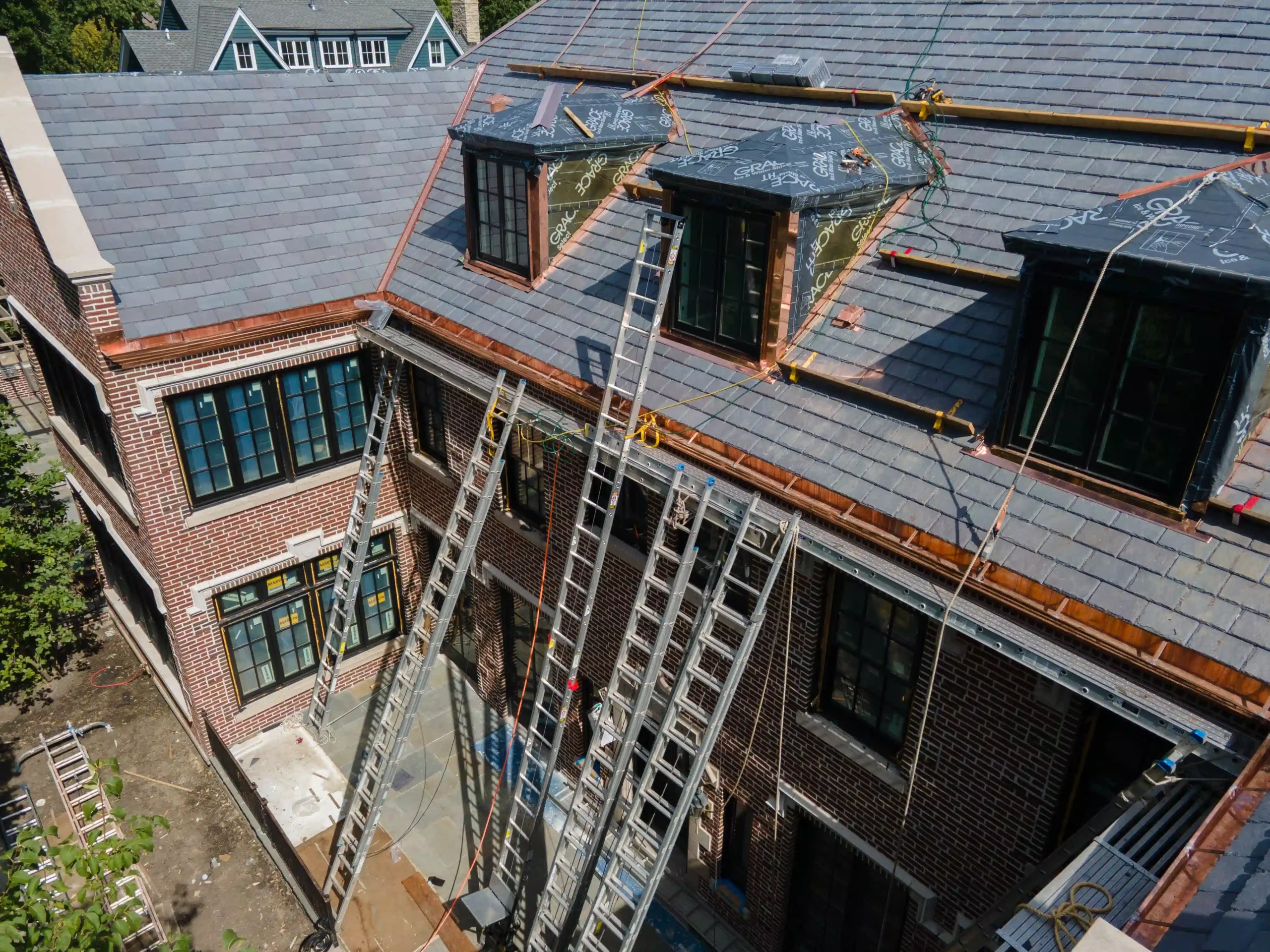
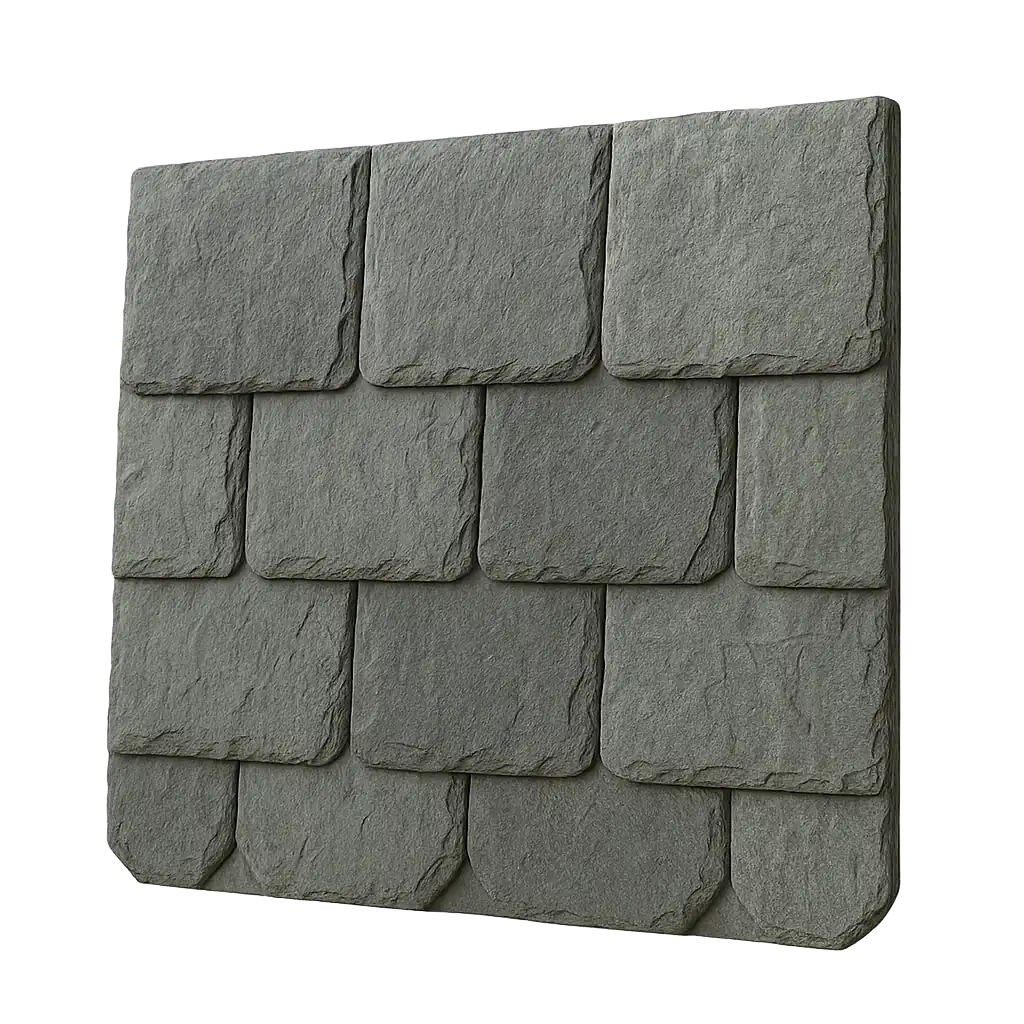
A smaller number of homeowners use cedar replacement as an opportunity to upgrade to natural slate.
This makes sense primarily for historic homes, architecturally significant properties, or homeowners with very long time horizons who want the longest-lasting option available.
Slate costs substantially more than cedar or synthetic alternatives. It requires structural evaluation and sometimes reinforcement due to its weight. Installation demands specialized skills.
But a quality slate roof can last 100 years or more. For the right property and the right owner, it’s an investment that makes sense.
Cedar shake isn’t disappearing entirely. The material retains specific niches where it remains the preferred or required choice.
Historic preservation. Homes with historical designation or in historic districts may require natural materials. Cedar shake (or wood shingle) is sometimes the only permitted option for maintaining historical authenticity.
Architectural requirements. Some neighborhoods, subdivisions, or HOAs mandate specific roofing materials. Where cedar is required, it remains the choice by default.
Homeowner preference. Some people genuinely prefer natural cedar to any synthetic alternative. They accept the maintenance requirements, navigate insurance challenges, and value the authentic material. This is a legitimate choice.
New construction. Custom home builders still install cedar shake on some new projects, particularly high-end custom homes where the owner specifically requests it and is informed about the ongoing commitments.
But as a default choice for premium roofing replacement? Cedar’s market share continues to decline.
The shift is generational as well as practical. Younger homeowners have different expectations about maintenance and different experiences with synthetic materials. They’re less attached to natural wood as a signifier of quality and more open to engineered alternatives that perform better.
If you currently have a cedar shake roof approaching replacement, this trend affects your thinking in several ways.
When your house was built or last roofed, the alternatives to cedar were less appealing. Synthetic products were either nonexistent, new and unproven, or unconvincing in appearance.
That’s changed. Today’s options include materials that replicate cedar’s appearance without its drawbacks. You’re not choosing between cedar and compromise. You’re choosing between cedar and alternatives that may actually perform better.
If your insurer is already charging premium rates for your wood roof or has suggested non-renewal, replacement with a Class A fire-rated material may be necessary regardless of preference.
Contact your insurance carrier before making material decisions. Understand what impact different roofing choices would have on your coverage options and premiums. A switch to synthetic shake or another rated material might save thousands in annual premiums, changing the economic calculation substantially.
If you live in a sea of cedar shake homes, switching to dramatically different roofing might affect your home’s aesthetic fit and resale appeal. Material selection affects home value through neighborhood context, not just intrinsic quality.
Synthetic shake maintains the neighborhood aesthetic while changing the underlying material. That may be the path of least resistance for homes in cedar-dominated areas.
In neighborhoods with more material diversity, the options expand. You’re less constrained by matching surroundings.
If you didn’t maintain your current cedar roof, will you maintain the next one?
There’s no shame in admitting that roof maintenance isn’t something you’re going to prioritize. Most people don’t. But that honest admission should inform your material choice.
Choosing cedar again and expecting different results only makes sense if you’ll actually behave differently. If not, choosing a material that performs well without active maintenance is the smarter path.
Five years from now, cedar shake will still exist on Chicago rooflines. Historic homes will retain it. Some new installations will continue. The material isn’t going extinct.
But each year, more aging cedar roofs reach replacement age. Each year, a majority of those replacements are non-cedar. The installed base of cedar shake continues to decline as a percentage of premium roofing.
This isn’t a judgment on cedar as a material. It’s a recognition that the factors surrounding material choice have changed. Insurance, maintenance, climate, and alternatives have shifted the calculation.
If you’re facing a roofing decision, whether replacing cedar or considering it for the first time, understanding your full range of options helps you make a choice that fits your home, your budget, your maintenance reality, and your long-term plans.
Wolf Development installs cedar shake, synthetic shake, slate, and premium roofing materials throughout Chicago’s North Shore and western suburbs. We help homeowners understand their options and make informed decisions based on their specific circumstances, not assumptions about what they should choose.
Timeless elegance and unmatched longevity.
Rustic warmth with natural insulation.
Slate & shake looks, modern performance.
Architectural shingles with slate-like appeal.
Energy-efficient, modern, and long-lasting.
Mediterranean beauty, natural fire resistance.
Lightweight durability with classic charm.
Wood shake appearance, no rot or warping.
The gold standard for low-slope protection.
Eco-friendly composites with authentic detail
Classic layered look, durable protection.