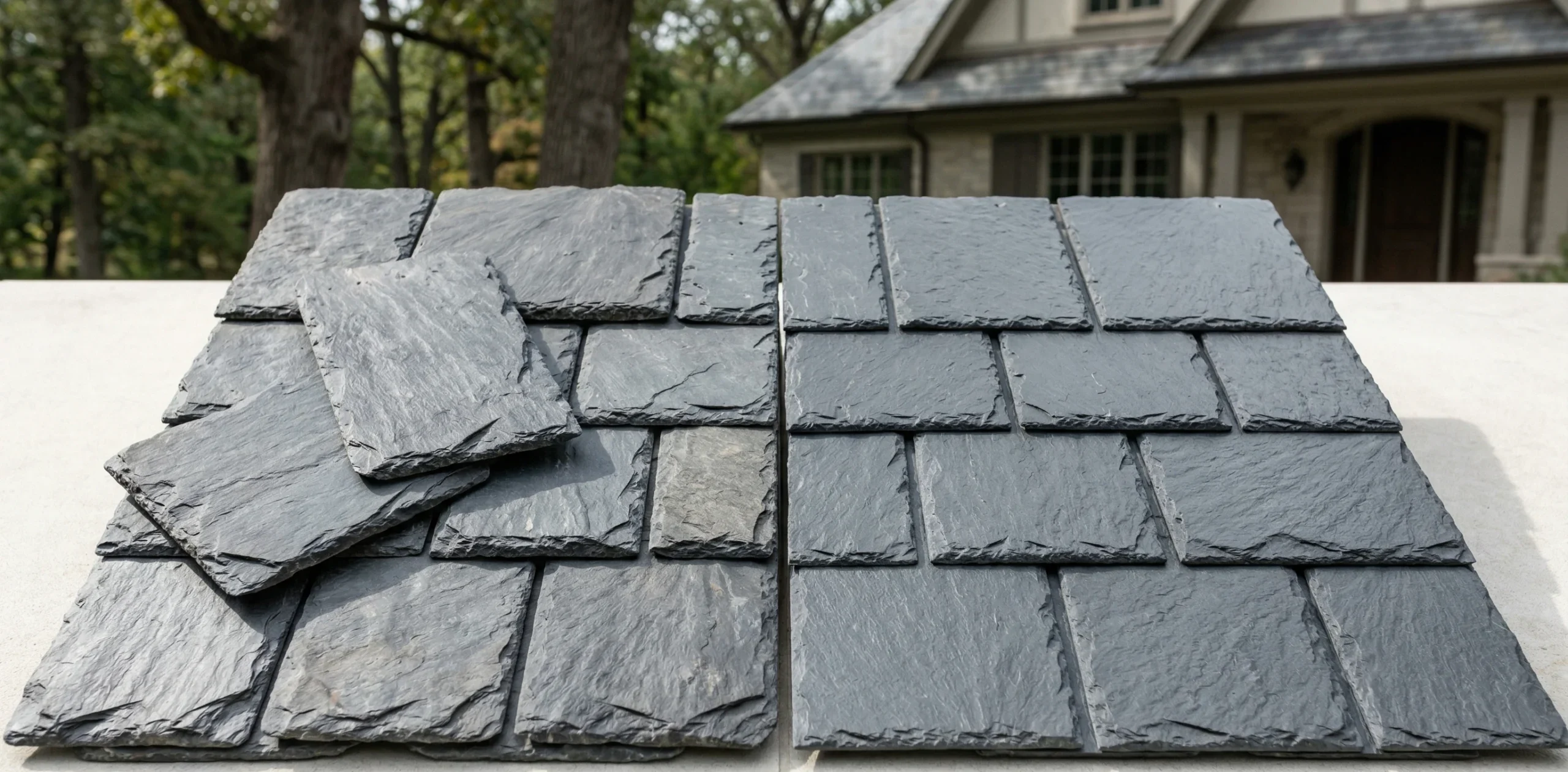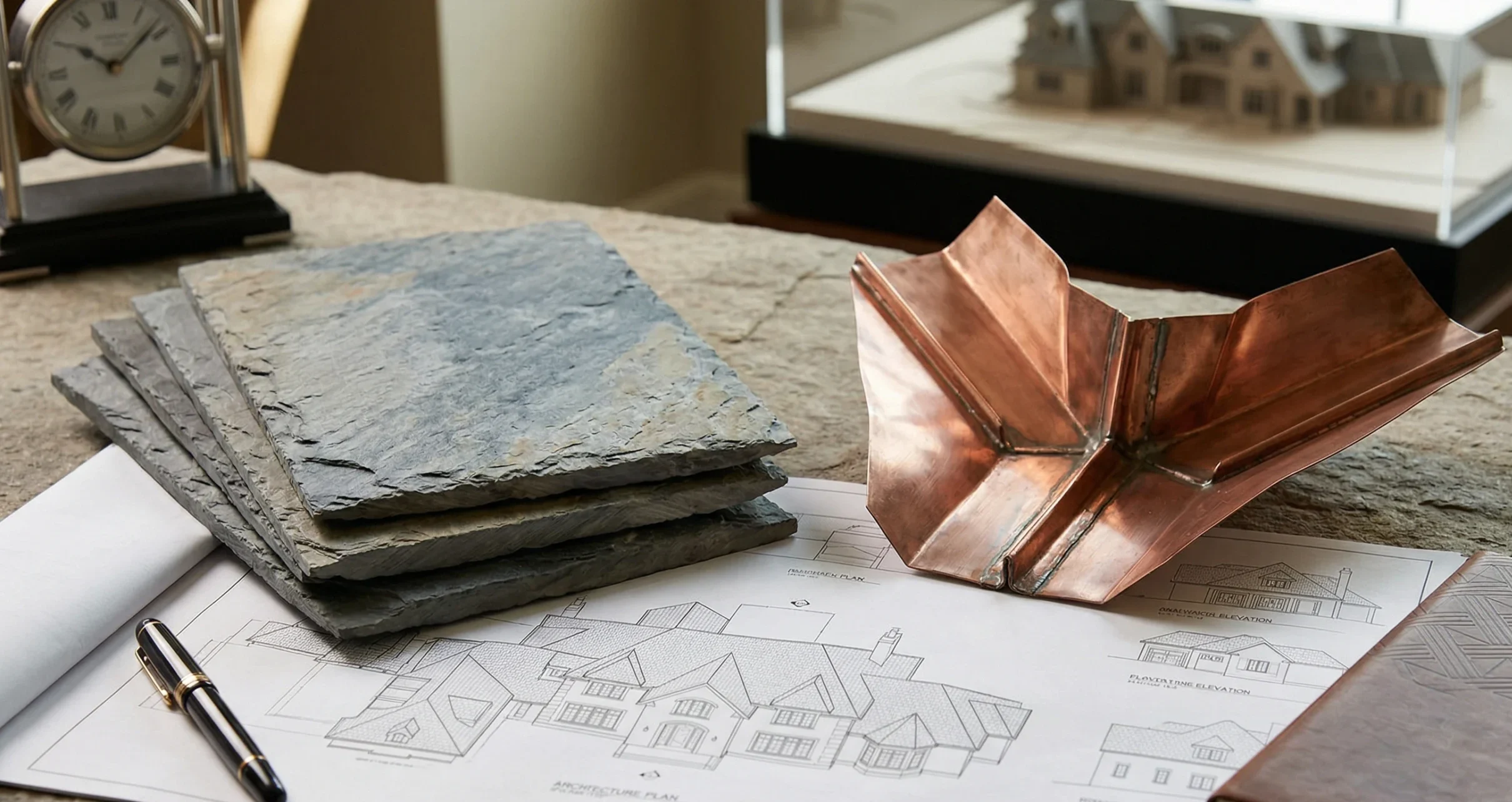
Natural Slate
Timeless elegance and unmatched longevity.
 Skip to content
Timeless elegance and unmatched longevity.
Rustic warmth with natural insulation.
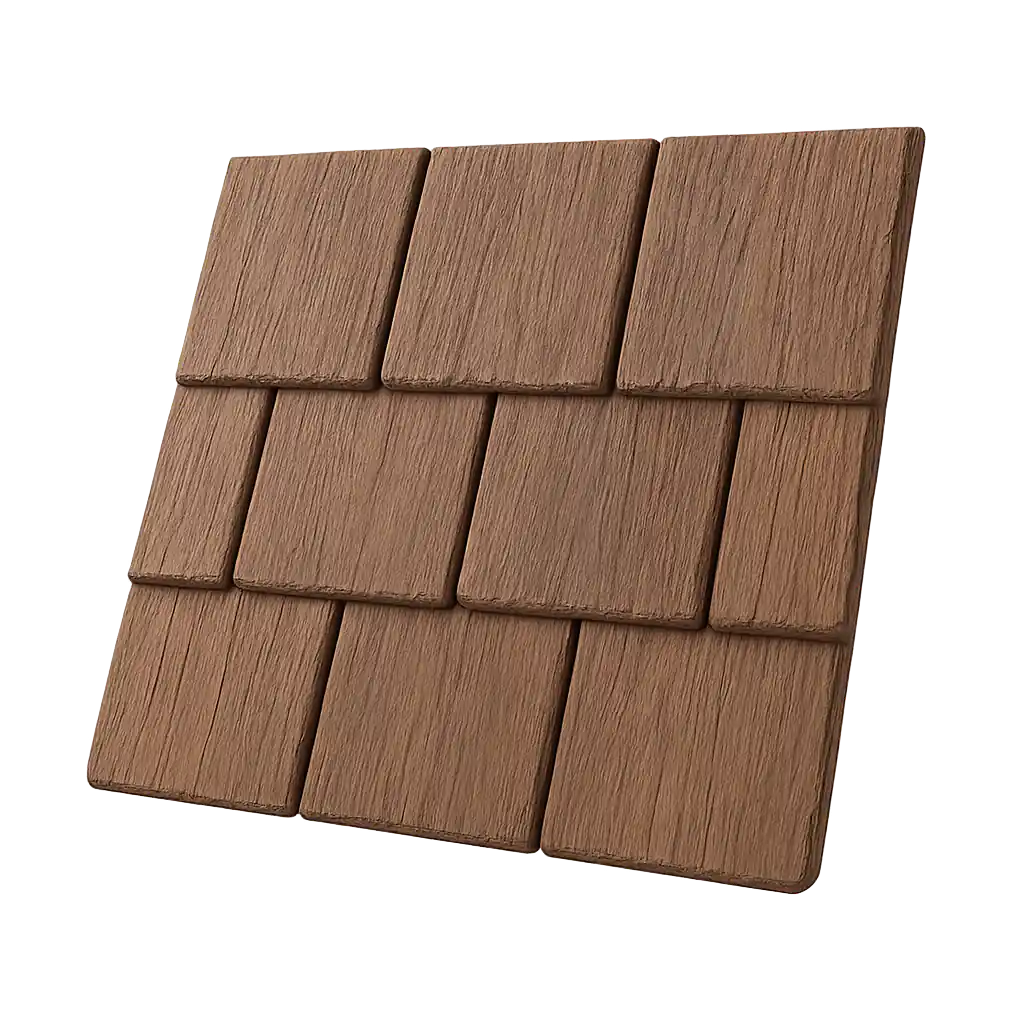
Slate & shake looks, modern performance.
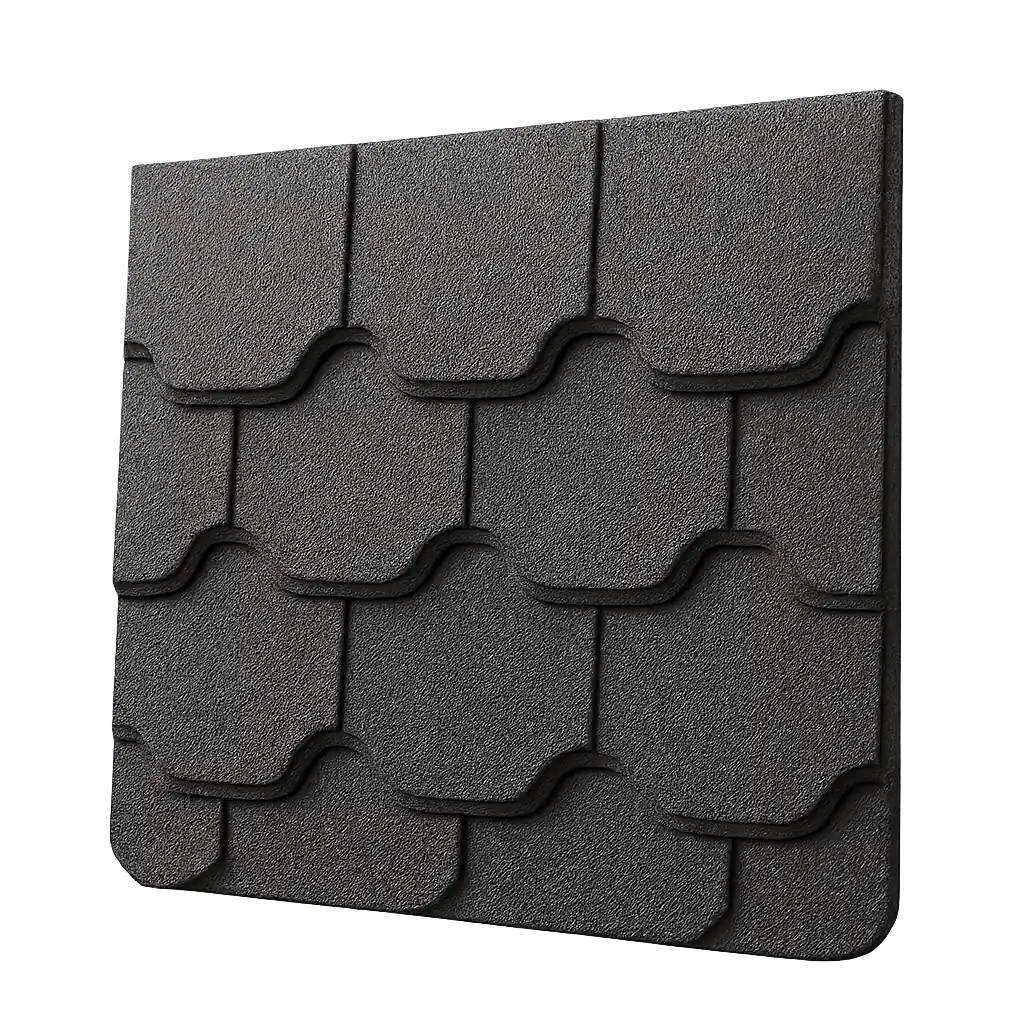
Architectural shingles with slate-like appeal.
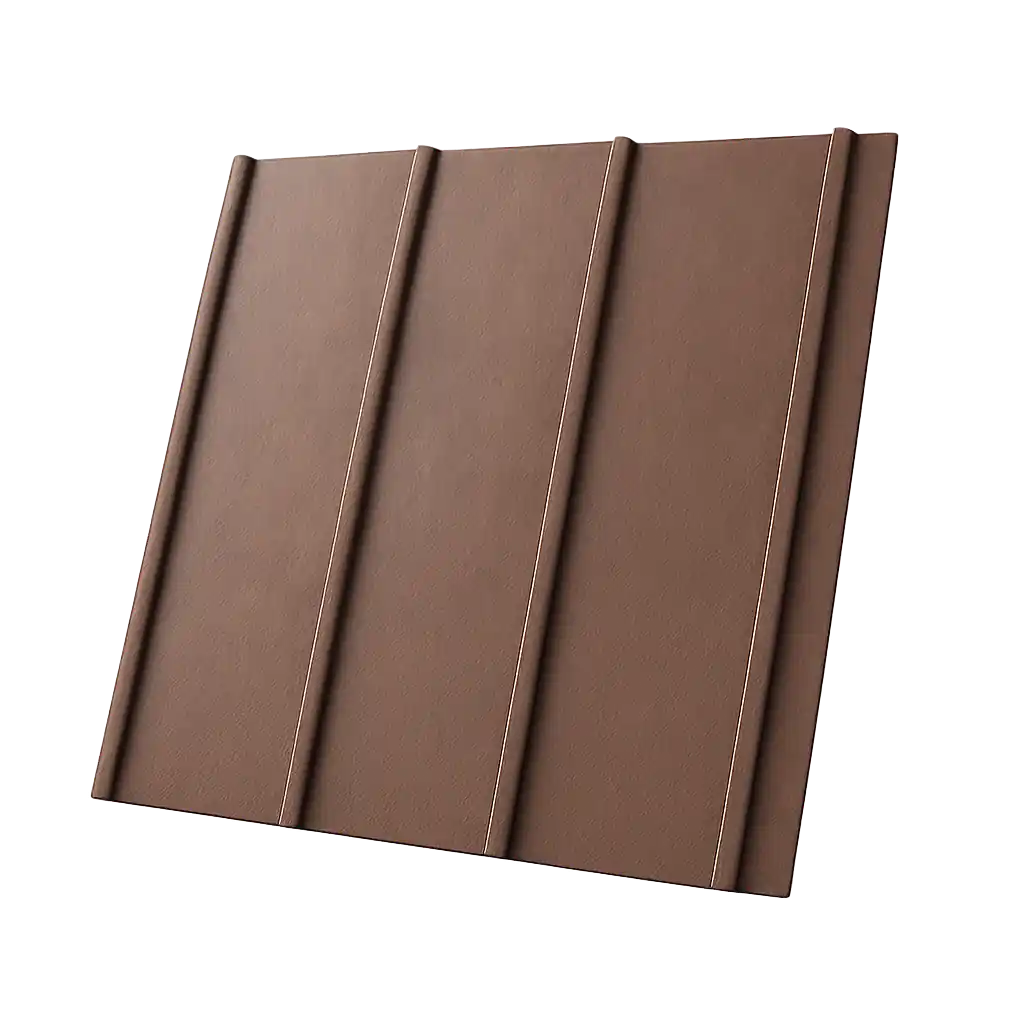
Energy-efficient, modern, and long-lasting.
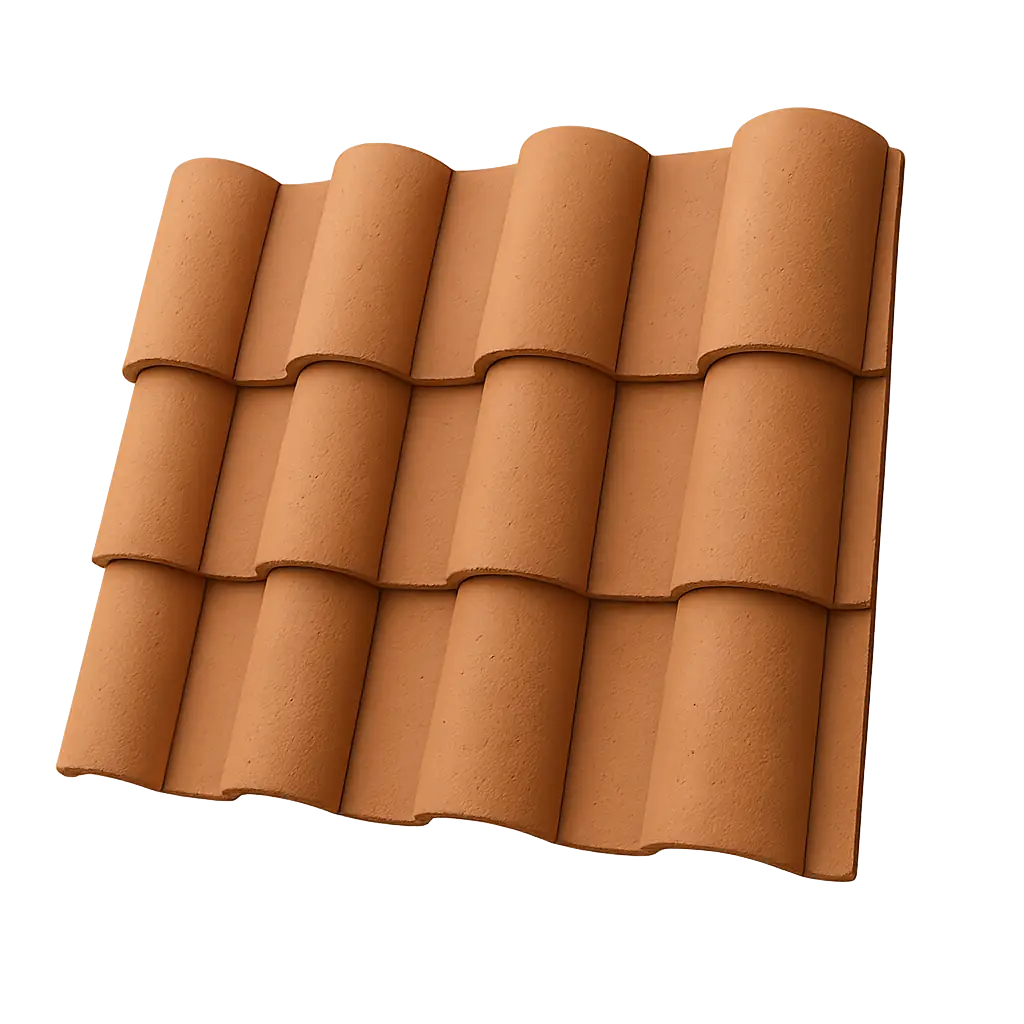
Mediterranean beauty, natural fire resistance.
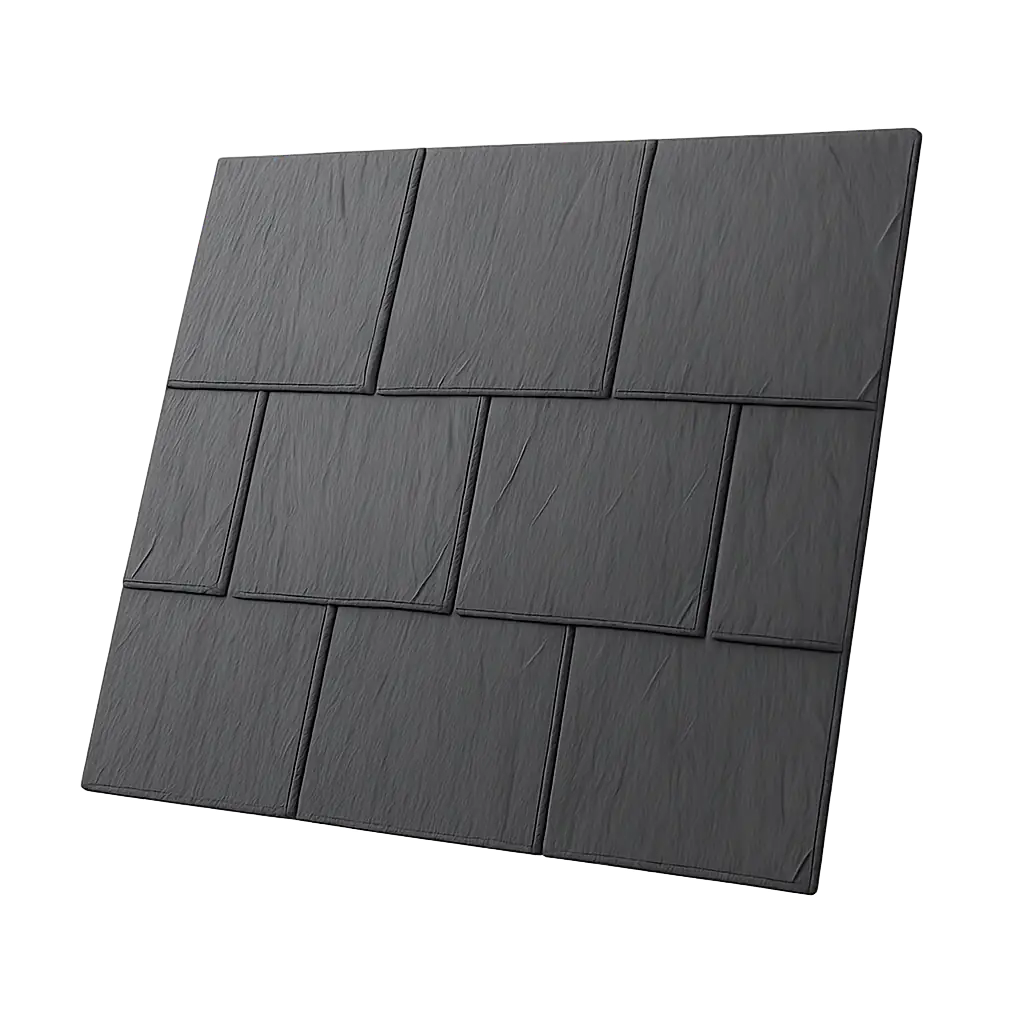
Lightweight durability with classic charm.
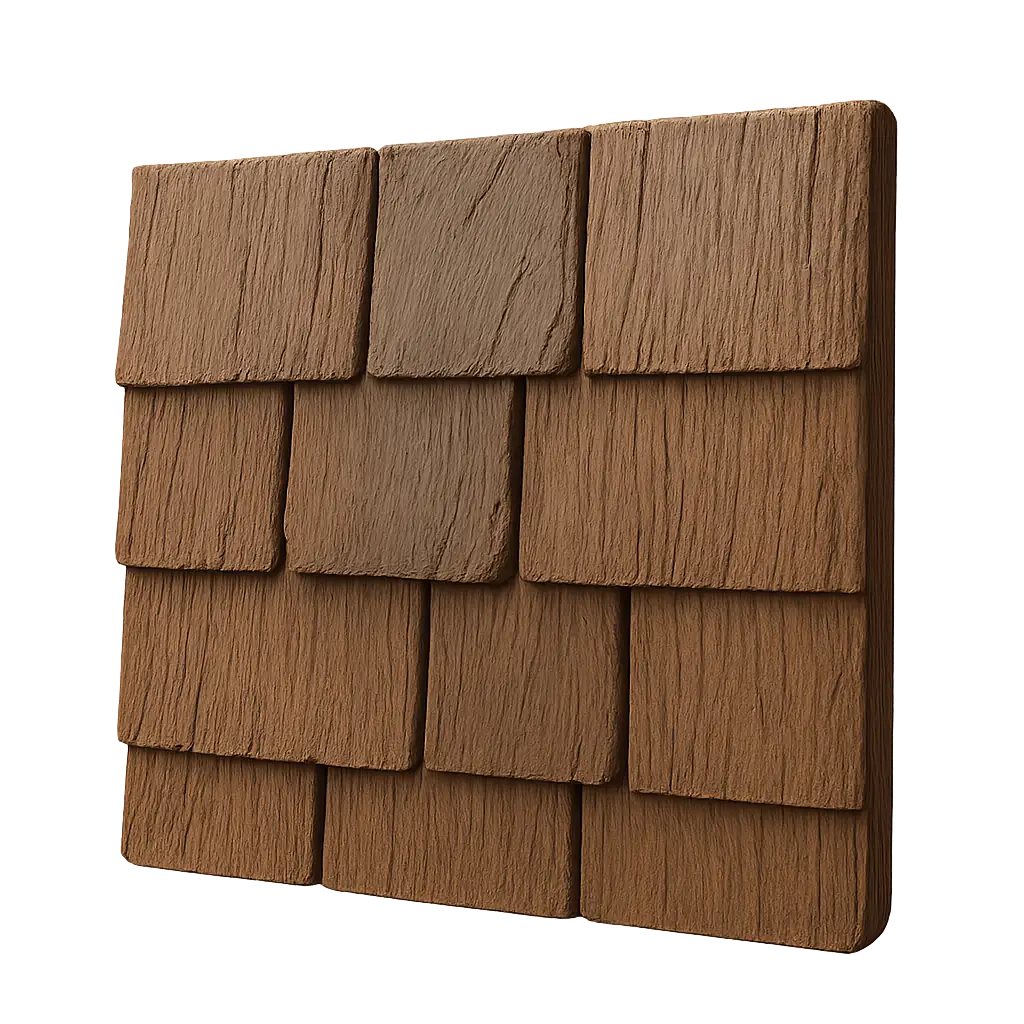
Wood shake appearance, no rot or warping.
The gold standard for low-slope protection.
Eco-friendly composites with authentic detail
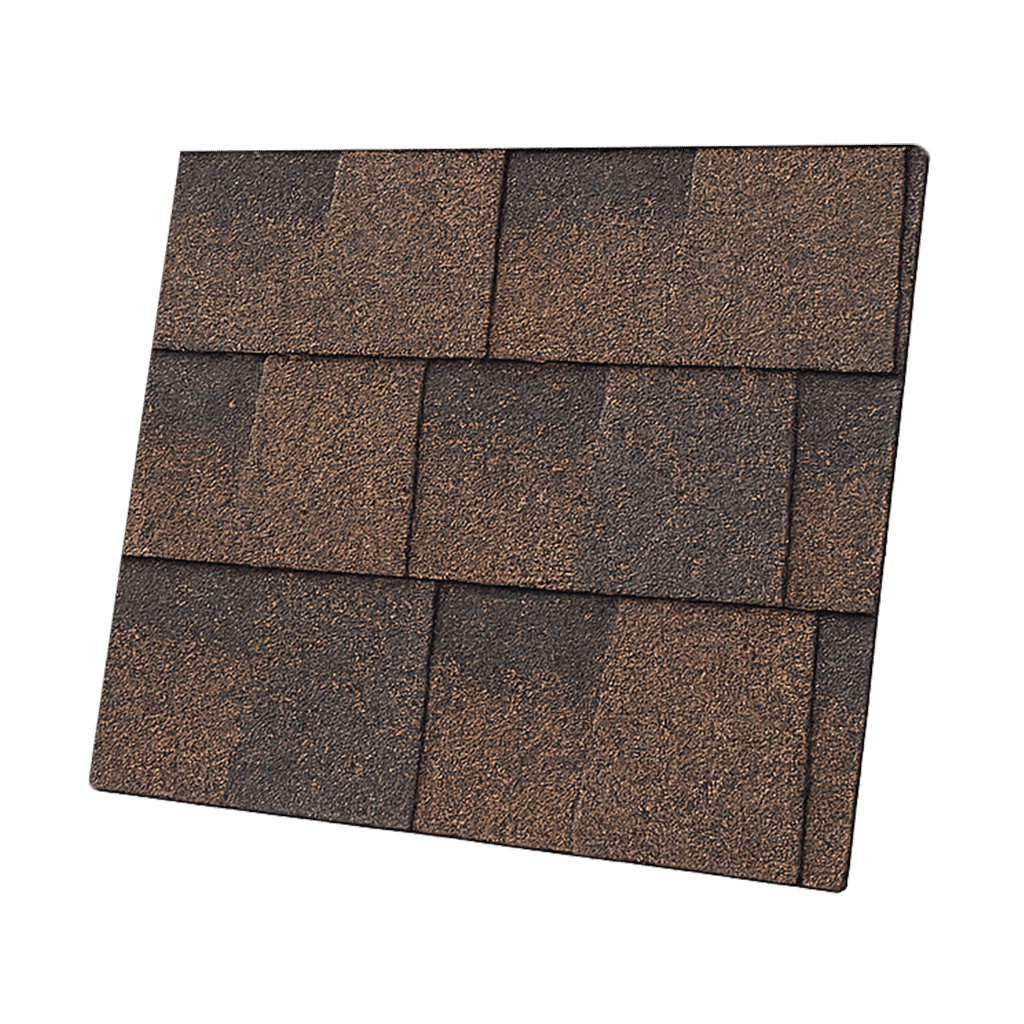
Classic layered look, durable protection.
Share
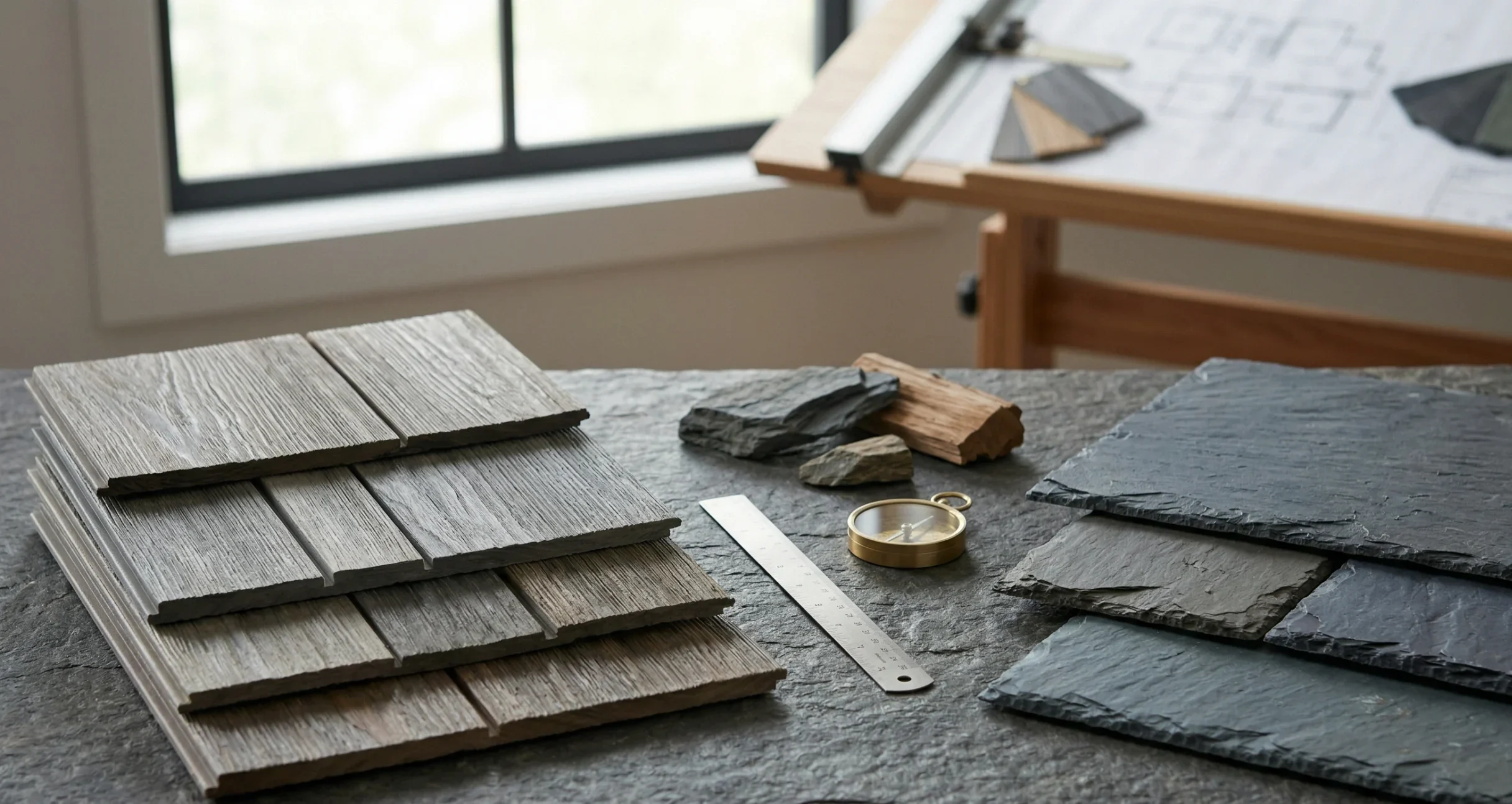
If you’re replacing a cedar shake or slate roof in the Chicago suburbs, two brand names keep showing up in your research: DaVinci Roofscapes and Brava Roof Tile.
Both companies make synthetic roofing products designed to replicate the look of natural materials without the maintenance burden. Both are positioned as premium options. Both cost significantly more than standard asphalt shingles.
But they’re not the same product, and the differences matter when you’re choosing a roof that needs to handle 30 years of Chicago weather.
Here’s how they compare across the categories that actually affect performance and long-term value.
DaVinci Roofscapes is based in Kansas and has been manufacturing synthetic roofing since 1999. Their products are made from a proprietary polymer blend and are produced in a single U.S. facility. DaVinci focuses exclusively on synthetic roofing tiles, meaning the company’s entire R&D and manufacturing operation is dedicated to this one product category.
Brava Roof Tile operates from Iowa and entered the market more recently. Brava’s products are made from recycled materials, including post-consumer plastics. Like DaVinci, Brava focuses on synthetic tiles that replicate natural materials.
Both companies have established dealer and installer networks across the Midwest.
DaVinci offers three primary product families:
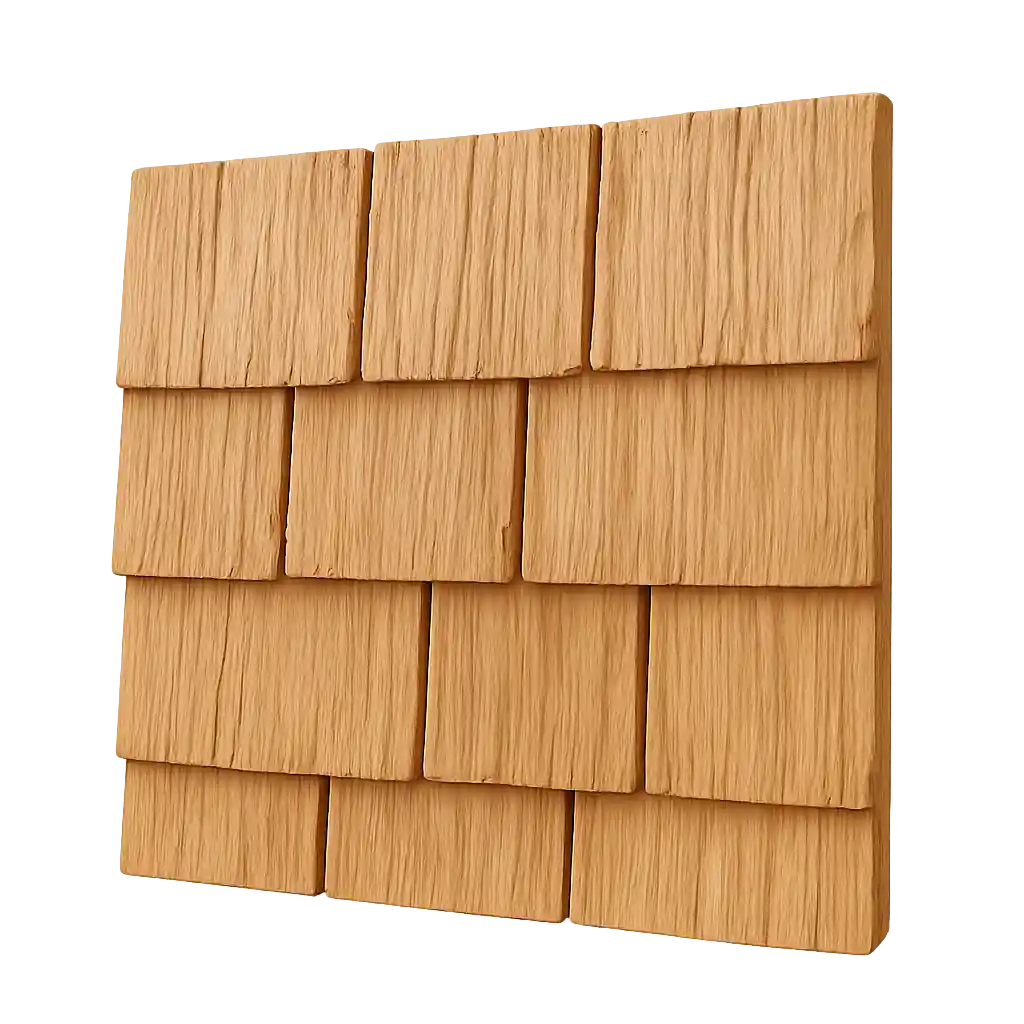
Bellaforte Shake. Designed to replicate cedar shake. Available in single-width and multi-width options with color blending for a natural appearance. This is their most popular product in the Chicago suburbs and the one we install most frequently.
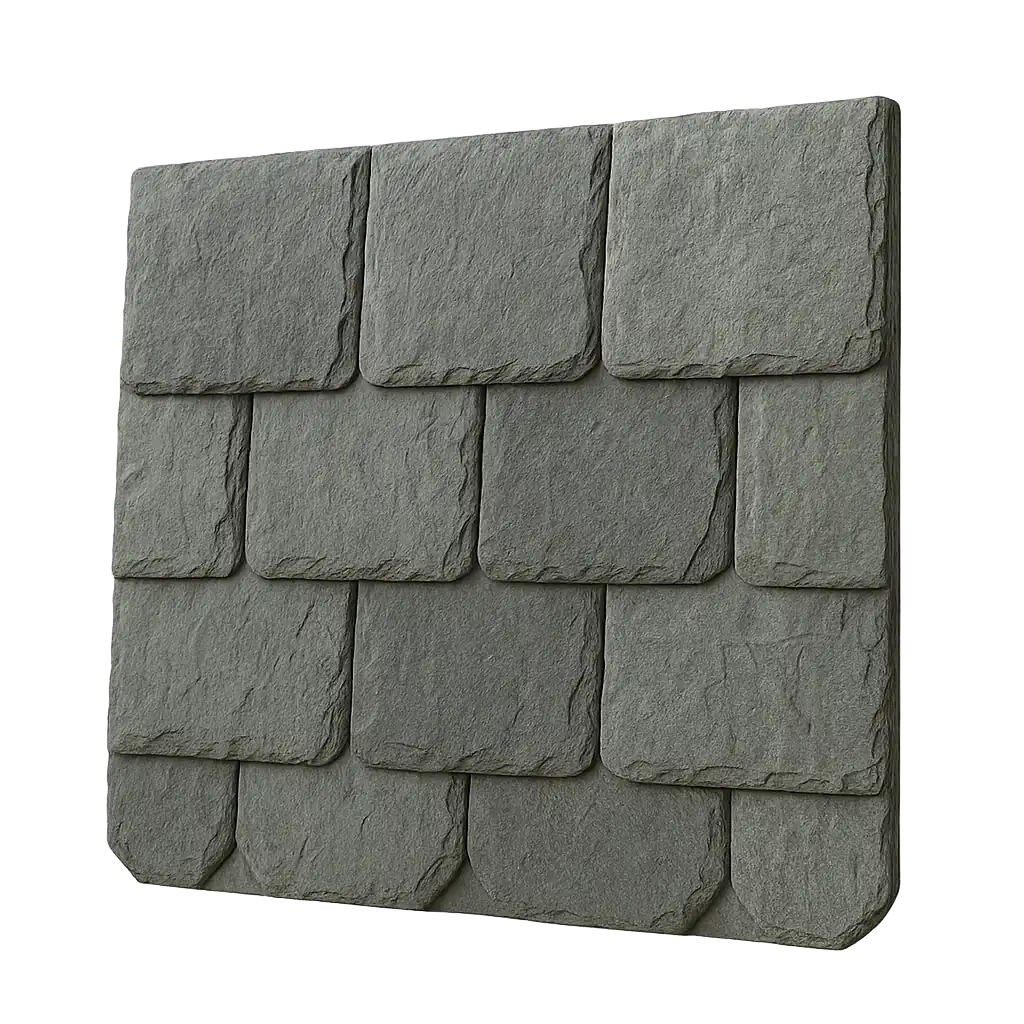
Bellaforte Slate. Replicates natural slate. Lighter than real slate, which means it can go on homes without structural reinforcement. Available in a wide range of colors.
Hand-Split Shake. A thicker, more textured profile designed for homes that want an aggressive, rustic shake look.
All DaVinci products use a polymer resin system and include UV inhibitors for color retention.
Brava offers three equivalent product lines:
Cedar Shake. Their cedar shake replica, available in multiple widths and color blends.
Old World Slate. A synthetic slate tile with a traditional European profile.
Spanish Barrel Tile. A barrel-shaped tile for Mediterranean or Spanish Colonial architecture. This product fills a niche that DaVinci doesn’t directly compete in.
Brava’s manufacturing emphasis is on recycled content. Their tiles are made with a high percentage of post-consumer materials, which is a differentiator for homeowners who prioritize sustainability
This is where the comparison gets specific to our climate. The Chicago area puts roofing materials through a cycle that most of the country doesn’t experience: hot, humid summers followed by prolonged sub-zero winters, with freeze-thaw cycles throughout the spring and fall.
Both DaVinci and Brava products carry Class 4 impact ratings (the highest available under UL 2218 testing). This matters in a region where hail is a regular occurrence. A Class 4 rating means the product has been tested to withstand the impact of a 2-inch steel ball dropped from 20 feet.
In our field experience, both products handle hail well. Neither shows the cracking or splitting that natural slate can exhibit after a severe hailstorm, and neither shows the denting pattern that affects standing seam metal.
This is the big one for Midwest installations. Water that gets beneath or into a roofing tile, freezes, and then expands can crack the material over time.
DaVinci’s polymer blend is designed to resist moisture absorption, which limits the freeze-thaw damage cycle. We’ve seen DaVinci installations in the western suburbs that are 15+ years old with no freeze-thaw related cracking.
Brava’s recycled-content composition also resists moisture absorption, though the material behaves slightly differently during extreme cold. In our observation, both products perform well through Chicago winters, but DaVinci’s longer track record in our specific climate gives us more data to draw from.
Both manufacturers add UV inhibitors to their formulations to prevent fading. DaVinci tiles use a through-color process, meaning the color runs through the entire tile rather than sitting on the surface. This means scratches or surface wear don’t expose a different color underneath.
Brava also uses through-color manufacturing. In side-by-side observations on homes in the same neighborhood, color retention over a 5-to-10-year period has been comparable between the two brands.
DaVinci offers a Lifetime Limited Warranty that covers manufacturing defects and includes a 50-year material warranty. The warranty is transferable to a subsequent homeowner, which adds resale value. To activate the full warranty terms, the product must be installed by a credentialed contractor following DaVinci’s published installation guidelines.
Brava offers a Limited Lifetime Warranty with similar coverage for manufacturing defects. Brava’s warranty is also transferable. Like DaVinci, proper installation according to manufacturer guidelines is a condition of warranty coverage.
The practical difference: both warranties have similar coverage periods, but the claim process, exclusions, and pro-rated schedules differ in the fine print. If warranty terms are a deciding factor for you, request the full warranty document from both manufacturers before making a decision.
Both products install over standard roofing underlayment and use a nail-and-batten or direct-deck method depending on the product and roof pitch. But the details matter.
DaVinci tiles interlock with a specific overlap pattern that, when done correctly, creates a watertight barrier without relying solely on the underlayment. The Bellaforte system uses a multi-width tile configuration that requires the installer to follow a randomized layout pattern for both aesthetic and functional purposes. Getting this wrong creates visible patterns and potential water entry points.
Brava tiles use a similar interlocking approach but with a different fastener pattern. The Old World Slate product has a slightly different weight distribution than the DaVinci equivalent, which affects how the tiles sit on steeper pitches.
In both cases, installer training matters more than most homeowners realize. A crew that has installed 50 DaVinci roofs will handle the product differently than a crew installing their first one. The same applies to Brava. This is why manufacturer certifications exist, and why we maintain certifications with both DaVinci and Brava.
Material costs for DaVinci and Brava are in a similar range, though exact pricing depends on the product profile, color selection, and order volume. Neither brand publishes retail pricing publicly, so your installed cost depends on your contractor’s purchasing relationship and the specifics of your project.
As a general framework: both brands fall between the cost of a high-end architectural shingle (like Grand Manor) and natural slate. If architectural shingles sit at one end of the premium spectrum and natural slate sits at the other, DaVinci and Brava occupy the middle ground.
Labor costs are comparable for both products when installed by an experienced crew. The variable is project complexity: steep pitches, multiple roof planes, dormers, and copper accent work all add labor regardless of brand.
There’s no universal answer, but here’s how we guide the conversation with homeowners:
Choose DaVinci if: You want the longest track record in the Midwest market, you’re focused on the shake or slate profile, and you value a manufacturer with 25+ years of performance data in our climate. DaVinci’s dealer and support network is also well-established in the Chicago area.
Choose Brava if: Sustainability and recycled content are priorities for you, you’re interested in the barrel tile profile (which DaVinci doesn’t offer), or you prefer Brava’s specific aesthetic for your home’s architecture.
In both cases: Make sure your contractor holds the manufacturer’s certification for the product you select. An incorrectly installed synthetic tile fails the same way a correctly installed one doesn’t, and the warranty won’t cover installation errors from an uncertified contractor.
If you want to see both products in person before deciding, schedule a consultation. We can show you samples, walk through the differences, and help you choose the right material for your home and budget.
Timeless elegance and unmatched longevity.
Rustic warmth with natural insulation.
Slate & shake looks, modern performance.
Architectural shingles with slate-like appeal.
Energy-efficient, modern, and long-lasting.
Mediterranean beauty, natural fire resistance.
Lightweight durability with classic charm.
Wood shake appearance, no rot or warping.
The gold standard for low-slope protection.
Eco-friendly composites with authentic detail
Classic layered look, durable protection.