Skip to content

Standing Seam Metal Roofing Installation

Standing seam metal roofing is one of the fastest-growing premium roofing choices in Chicagoland, and for good reason.

Unparalleled Roofing Craftsmanship in Every Material
Unlike most roofers, we’re certified experts across a full spectrum of premier systems, from old-world slate to modern metal.
What Standing Seam Metal Roofing Is and Why It's Growing
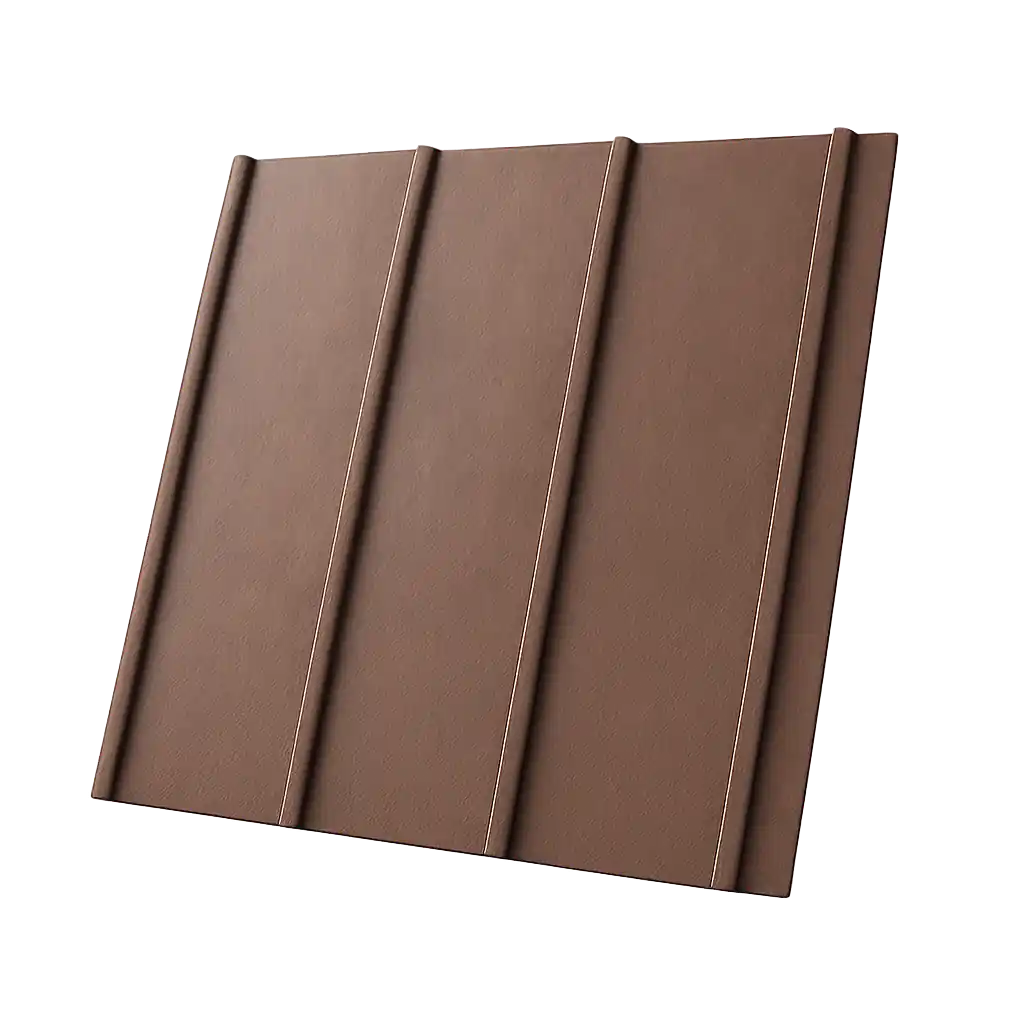
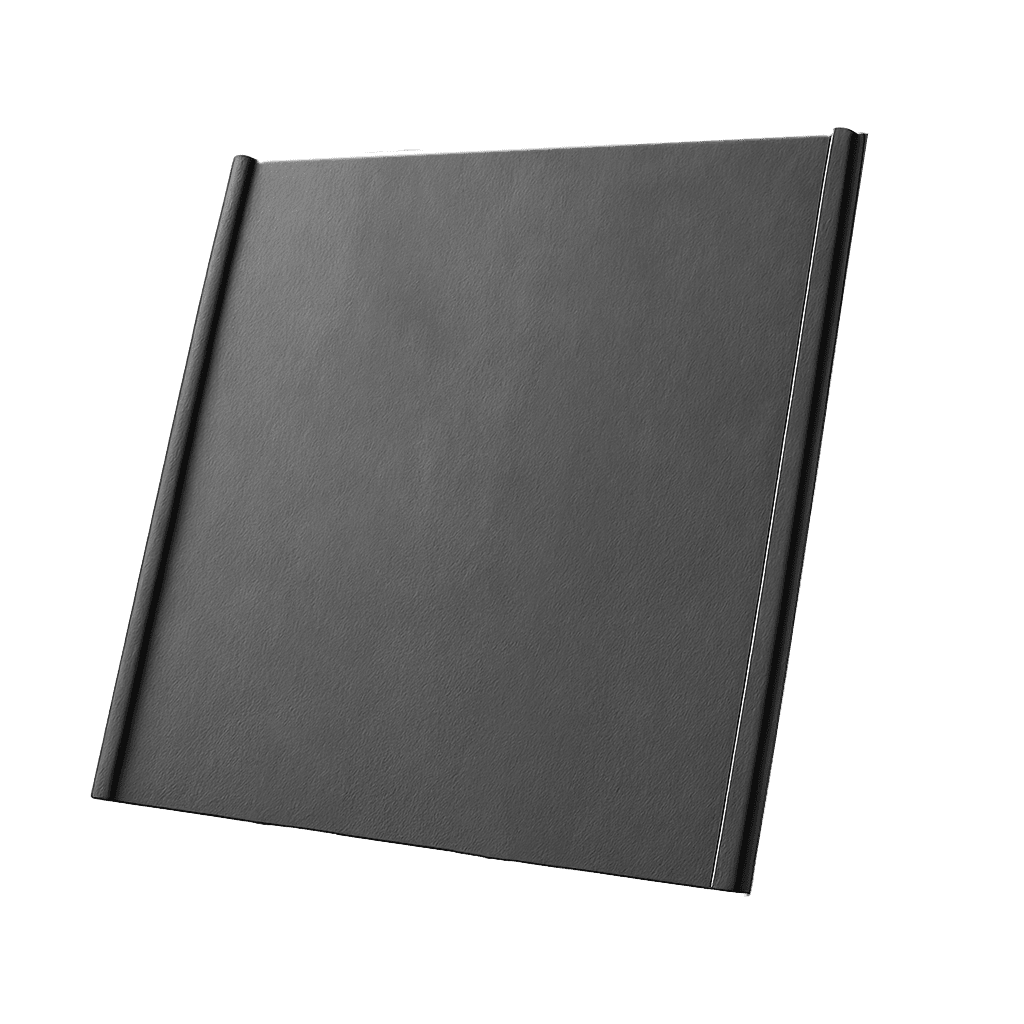
The system consists of vertical metal panels that interlock at raised seams running from ridge to eave. There are no exposed fasteners. The seams conceal the attachment points entirely, producing a clean, architectural profile that reads as intentional and high-end rather than utilitarian.
The result is a roof that performs exceptionally well and looks like it was designed as part of the home, not just installed on top of it. For contemporary, transitional, and modern-farmhouse architecture, standing seam is increasingly the first choice over traditional shingle or shake systems. It also works extremely well on low-slope applications where conventional materials present challenges.
From a performance standpoint, standing seam outperforms most other roofing systems in snow and ice shedding, wind resistance, and longevity. Chicagoland winters, with heavy snow loads, ice dam formation, and repeated freeze-thaw cycles, are exactly the conditions standing seam was designed to handle.
The Wolf Development Promise
What Standing Seam Metal Roofing Is and Why It's Growing

Performance Advantages in a Chicago Climate
A standing seam metal roof handles winter differently than shake, tile, or shingle systems. The smooth, continuous panel surface allows snow to shed rather than accumulate, reducing the ice dam formation that plagues the eaves of many Chicagoland homes each winter. The interlocking seam design creates a weather barrier with no exposed fastener penetrations that can loosen, rust, or allow water infiltration over time.
Wind performance is another meaningful advantage. Standing seam systems are rated for high-wind exposure that exceeds what most other residential roofing materials can match. During the severe spring storms that move through the Chicago area each year, a standing seam roof has fewer failure points than a shingled or shake system.
Longevity is the most significant long-term advantage. Standing seam metal roofing systems from premium manufacturers carry 50-year warranties and routinely perform for longer than that with minimal maintenance. The steel or aluminum substrate doesn’t rot, crack, curl, or require replacement due to granule loss or moisture absorption. For homeowners looking at the roof as a long-term infrastructure investment rather than a recurring maintenance cycle, standing seam changes the calculus significantly.
Materials, Profiles, and Finish Options
Standing seam metal roofing is available in steel, aluminum, zinc, and copper, each with its own performance profile, cost point, and aesthetic character.
Galvalume steel is the most common residential substrate, strong, cost-effective, and available in a wide range of factory-applied painted finishes in virtually any color. Premium steel standing seam systems carry 50-year paint and substrate warranties from major manufacturers.
Aluminum is lighter than steel and naturally corrosion-resistant, making it a good choice for coastal environments or homeowners who want the lighter material profile. It’s priced between steel and zinc.
Zinc and copper standing seam systems are the premium end of the category. Both develop natural patinas over time, zinc to a blue-grey, copper to the familiar green, and both carry essentially unlimited lifespans when properly installed. These are the materials for homeowners who want a standing seam roof that distinguishes their home architecturally and never needs to be replaced.
Panel profile, seam height, and width vary by manufacturer and installation method. We’ll walk you through the specific options that suit your home’s architecture during the consultation.
The Wolf Development Promise
Materials, Profiles, and Finish Options
Since 2016
Serving Chicagoland
Trusted by Premier Roofing Manufacturers
Roofing Partners in Quality
We only install materials we’d trust on our own homes.





Featured Projects
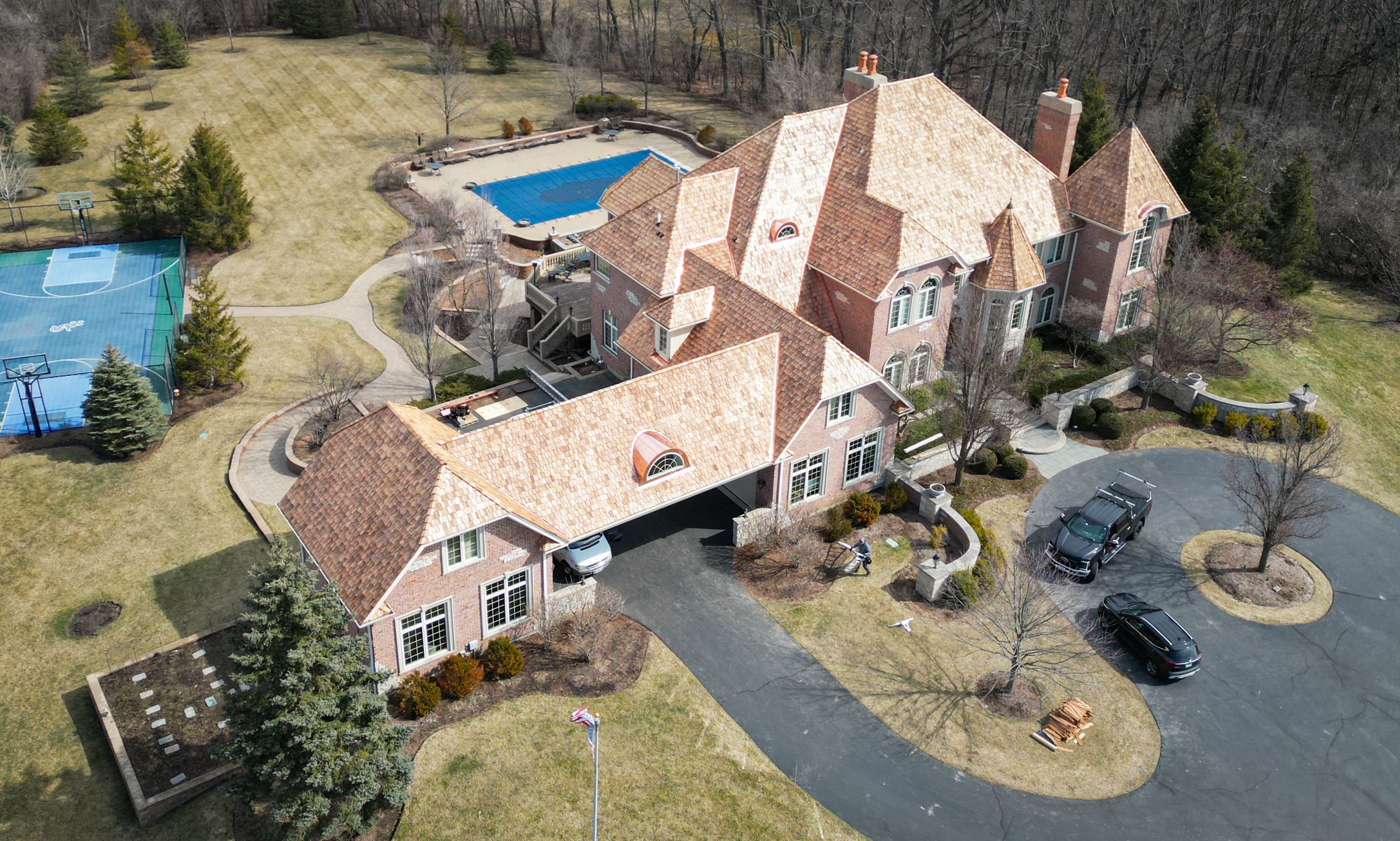
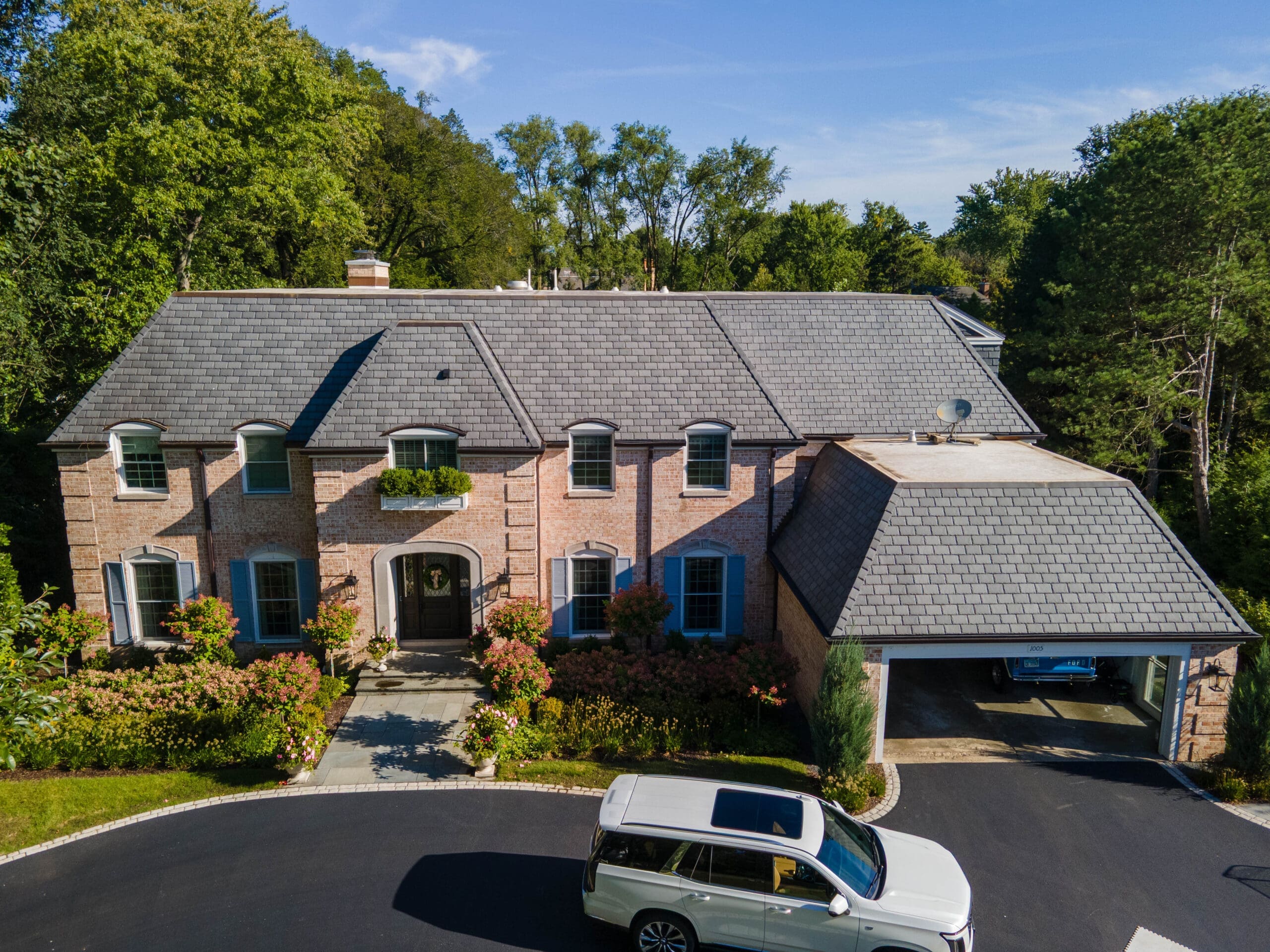
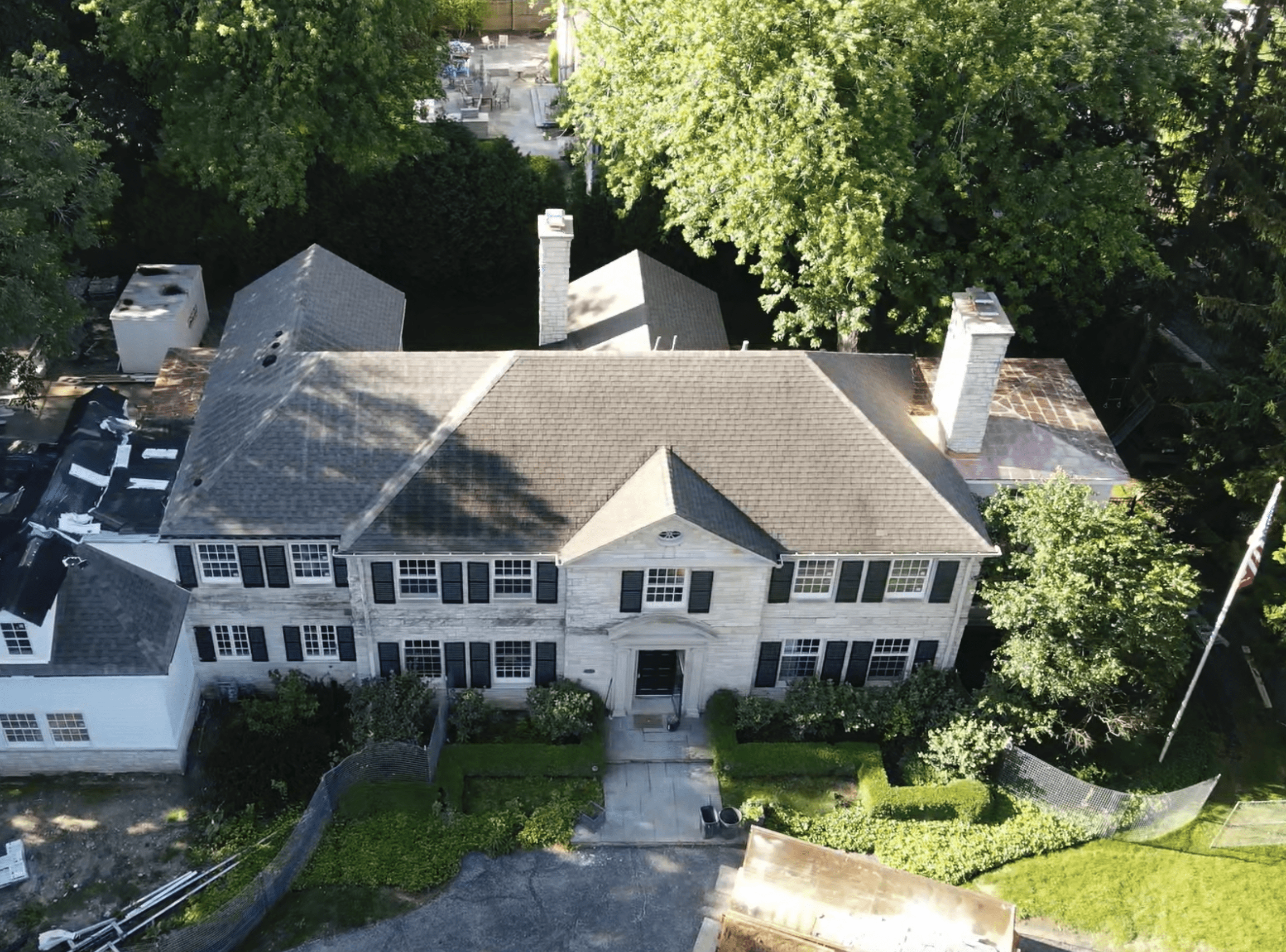
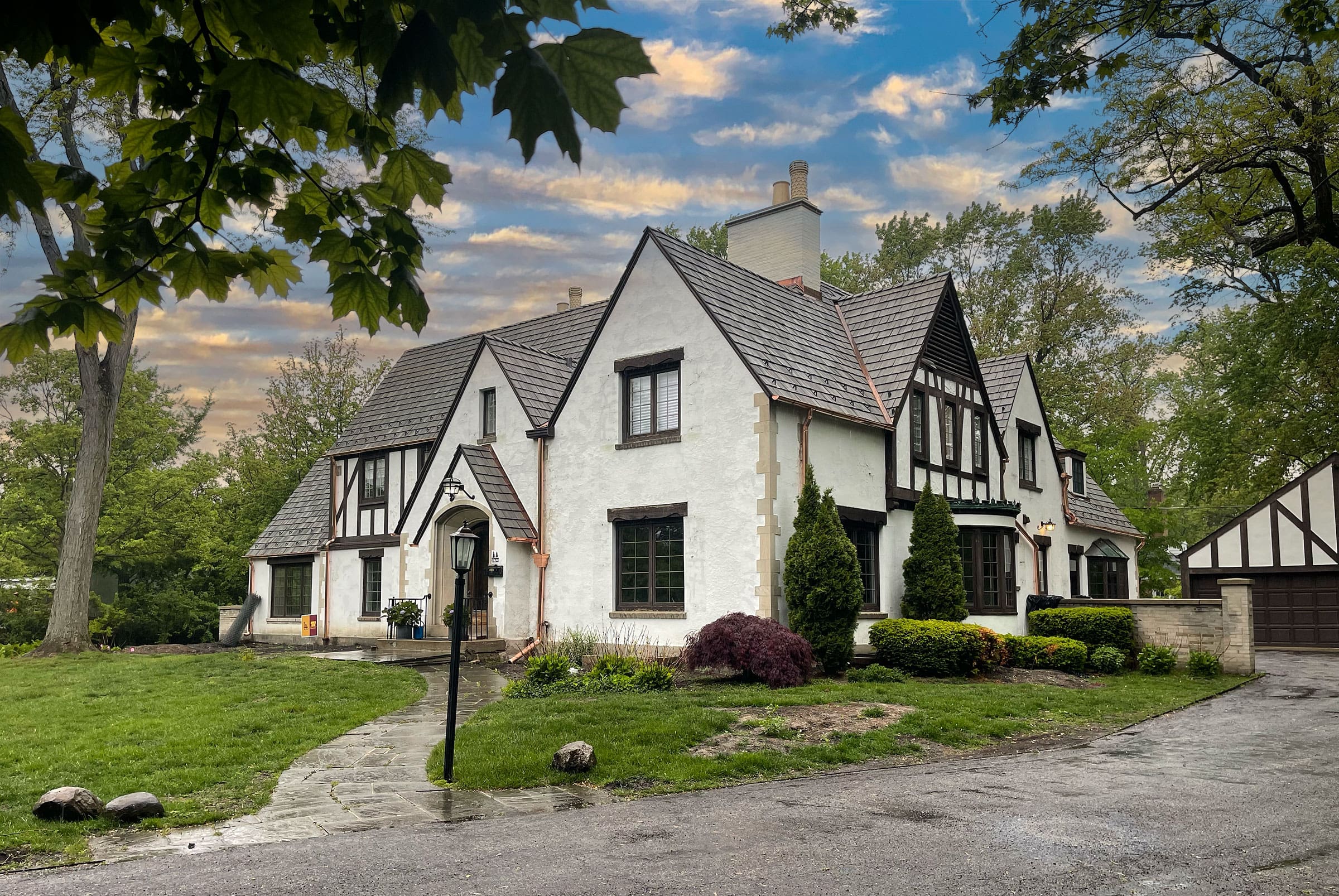
Our Roofing Projects Speak for Themselves
Our Latest Roofing Insights

- Licensed & Insured
- GAF Master Elite
- DaVinci Certified
- Since 2016
Interested in Standing Seam for Your Home?
If standing seam metal roofing fits your home’s architecture and your long-term goals, let’s talk. We’ll assess your home, walk you through material and profile options, and provide a detailed estimate for a system built to perform for 50 years or more.
Your Roofing Questions, Answered
Everything you need to know about working with Wolf Development.
Is standing seam metal roofing suitable for residential homes or primarily commercial?
Standing seam is well-suited to residential use and is increasingly common on high-end homes throughout Chicagoland. It works particularly well on contemporary, transitional, and modern-farmhouse architecture, and on low-slope roof sections where other materials underperform.
How loud is a standing seam metal roof during rain?
With proper underlayment and insulation beneath the panels, a standing seam metal roof is not meaningfully louder during rain than a conventional roofing system. The rain-on-metal sound associated with older metal roofs was largely a function of uninsulated structures — not the material itself.
What does standing seam metal roofing cost?
Standing seam installation on a residential home typically runs higher than premium shingle or synthetic shake systems. Painted steel standing seam is the most accessible price point. Zinc and copper systems carry a significant premium. We provide detailed estimates once we've assessed your home and discussed material options.
Does standing seam require special maintenance?
Standing seam requires very little maintenance compared to most other roofing systems. Periodic clearing of debris from valleys and gutters is the primary ongoing task. There are no fasteners to re-set, no shingles to replace, and no granule loss to monitor.
Can standing seam be installed over an existing roof?
In some cases, yes. Whether overlay installation is appropriate depends on the condition of the existing roof and deck, the ventilation requirements of the new system, and local building code requirements. We assess each situation individually and recommend the approach that produces the best long-term result.
Still have questions?
Reach out directly. We’re here to talk.