Natural Slate
Timeless elegance and unmatched longevity.
 Skip to content
Timeless elegance and unmatched longevity.
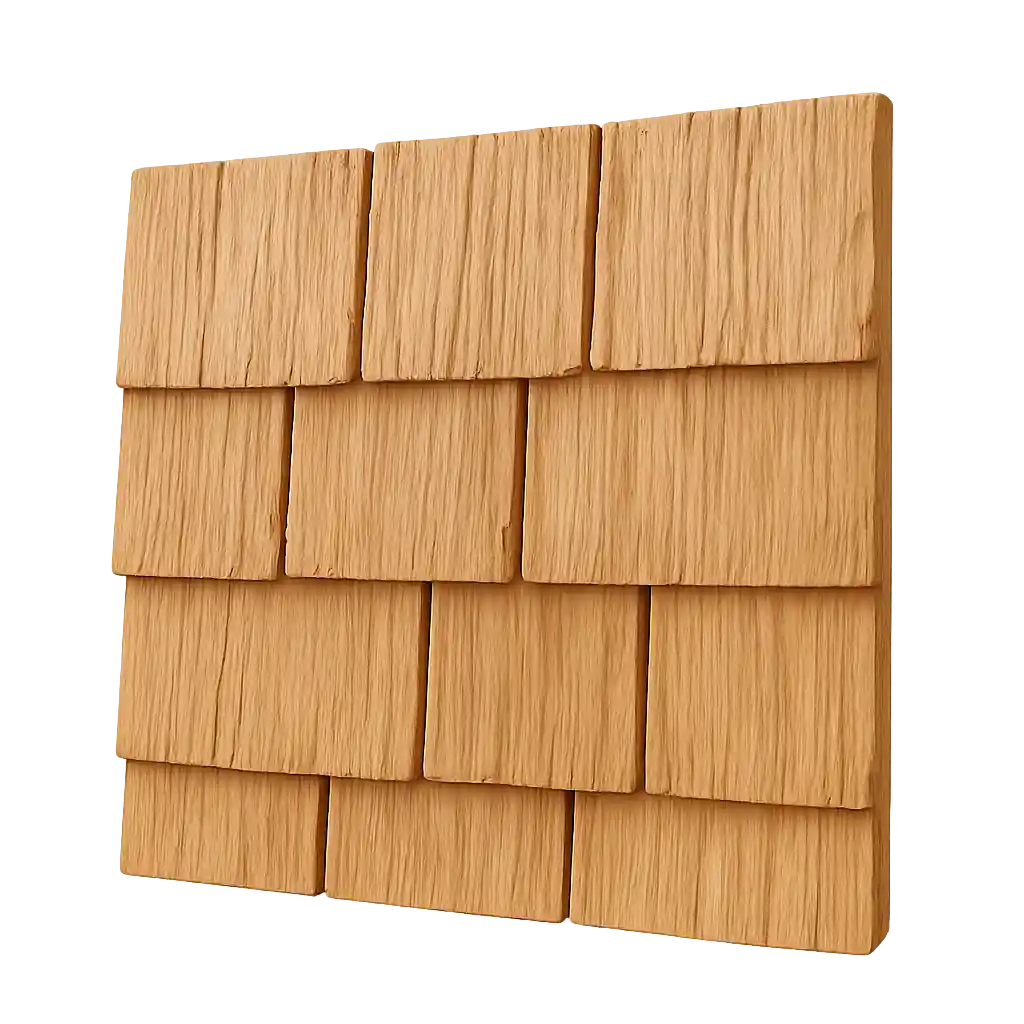
Rustic warmth with natural insulation.
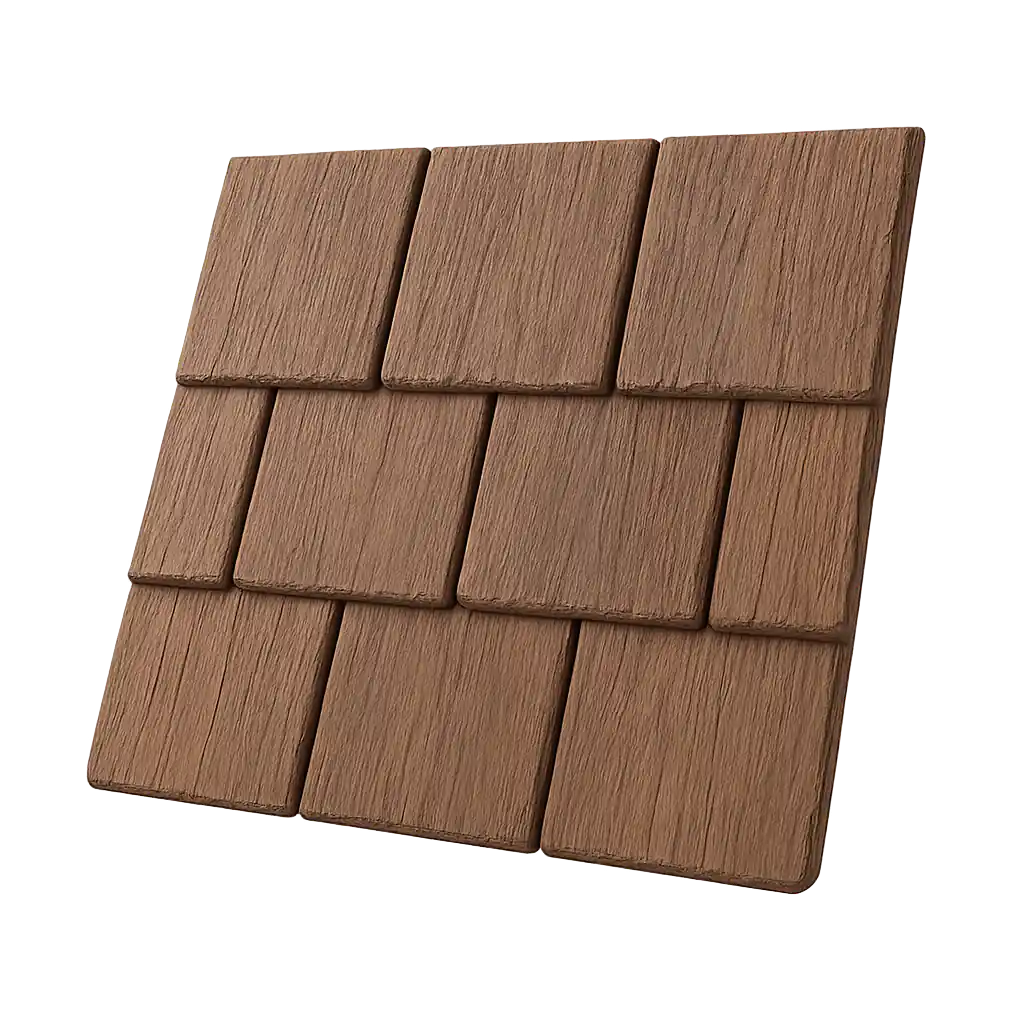
Slate & shake looks, modern performance.
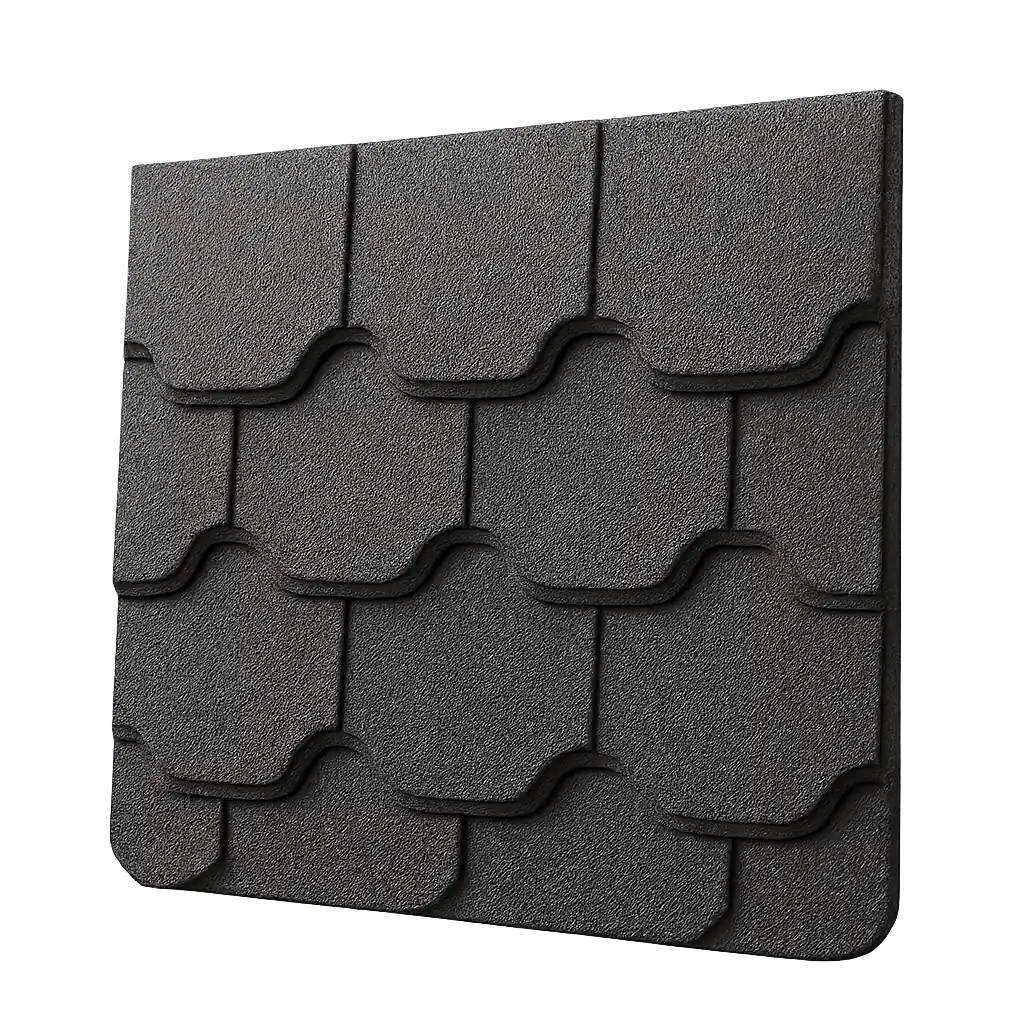
Architectural shingles with slate-like appeal.
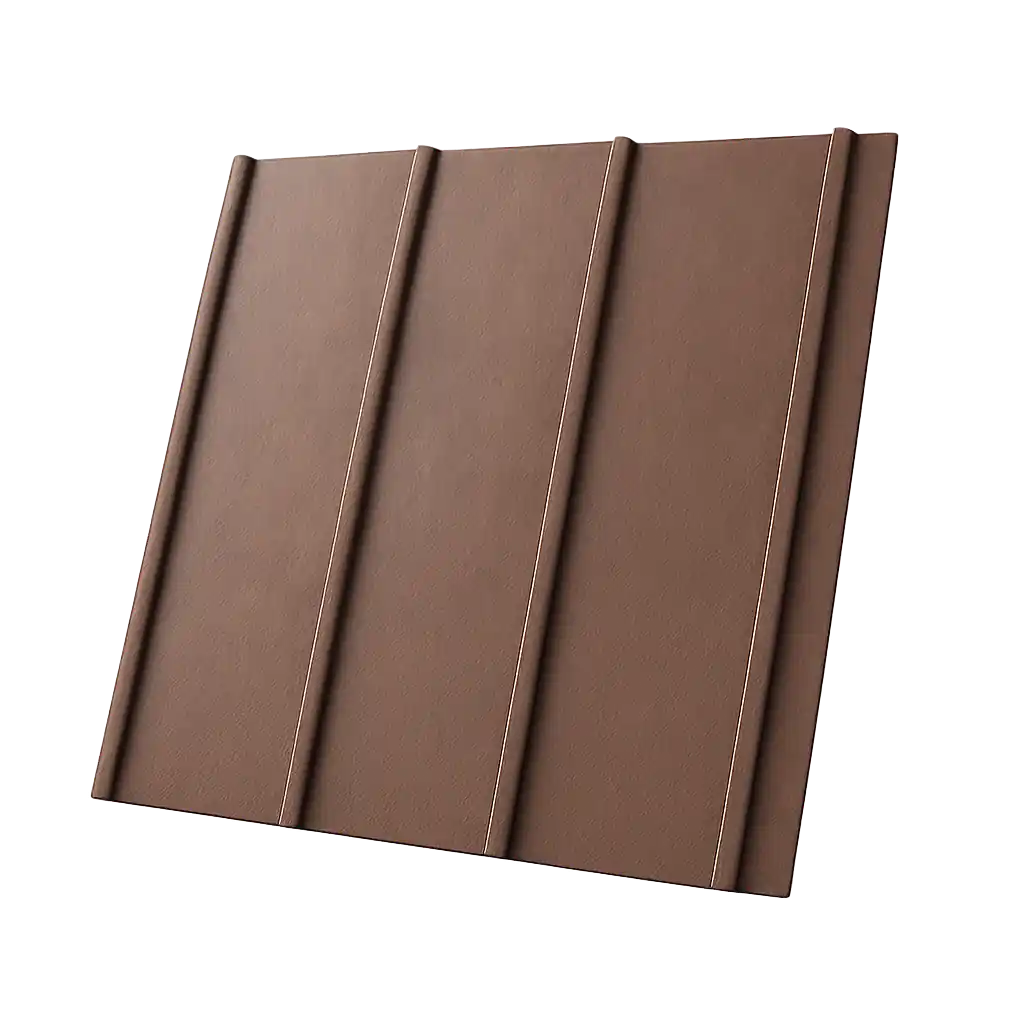
Energy-efficient, modern, and long-lasting.
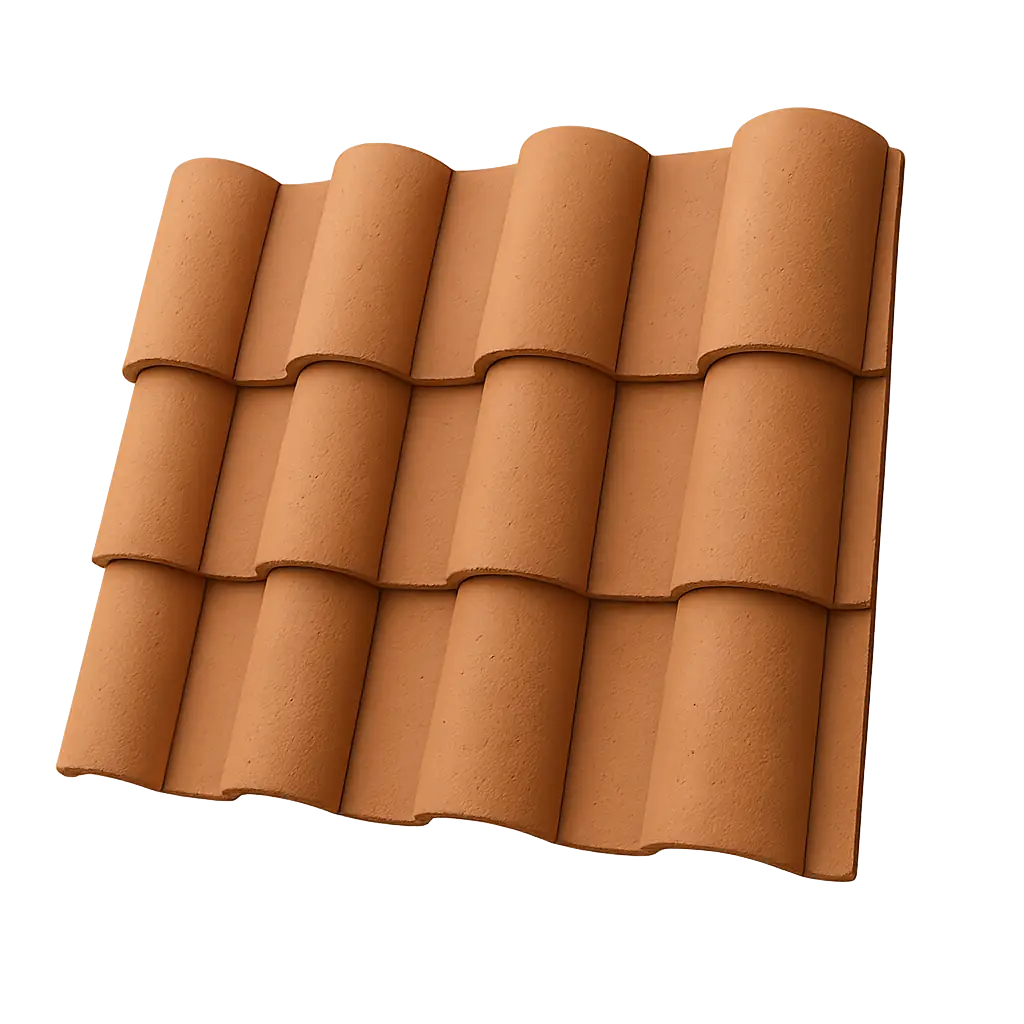
Mediterranean beauty, natural fire resistance.
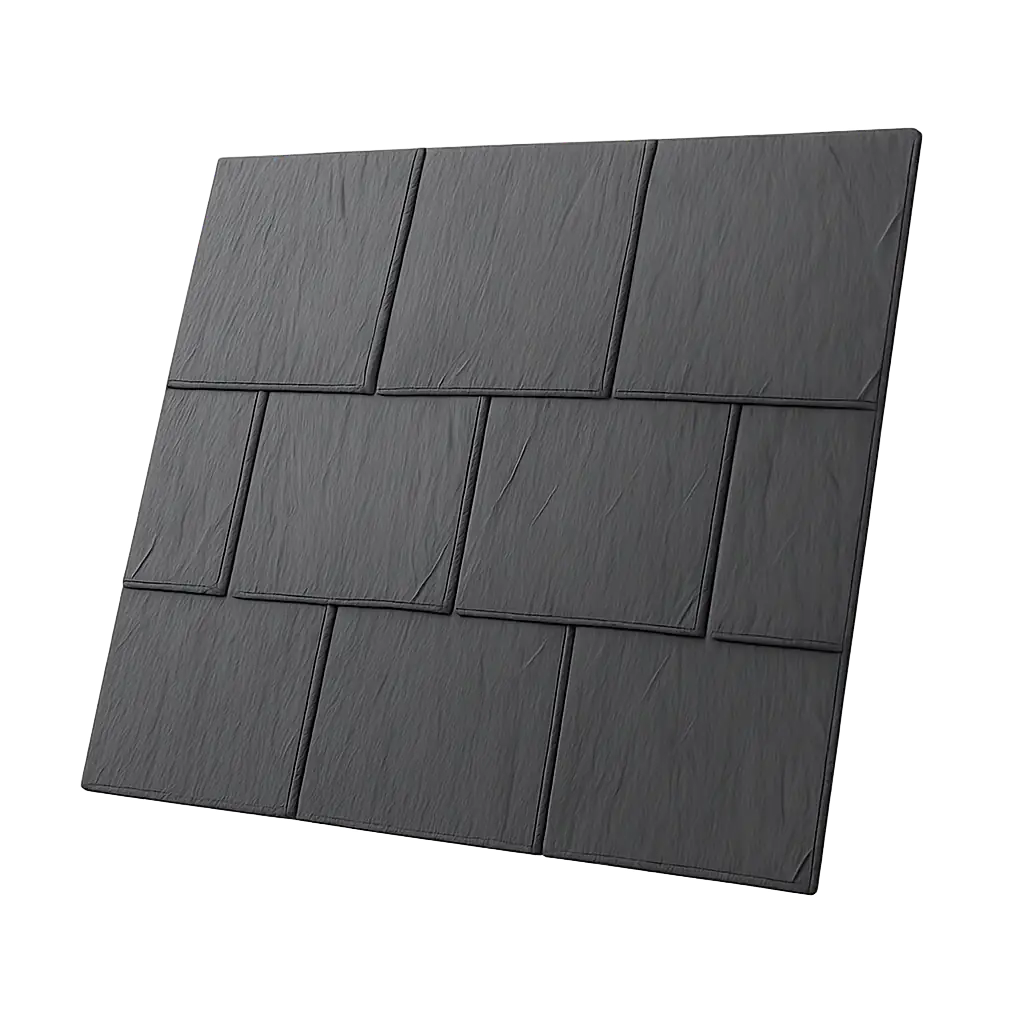
Lightweight durability with classic charm.
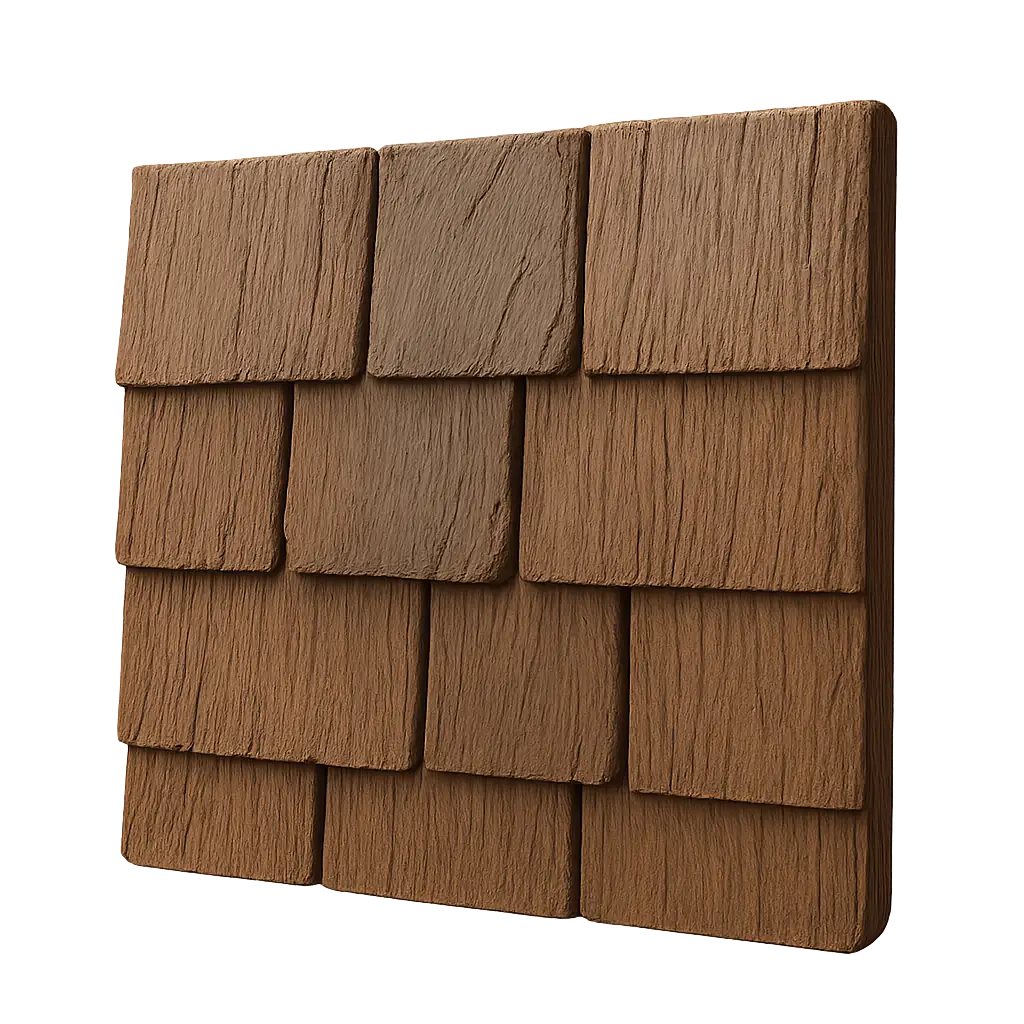
Wood shake appearance, no rot or warping.
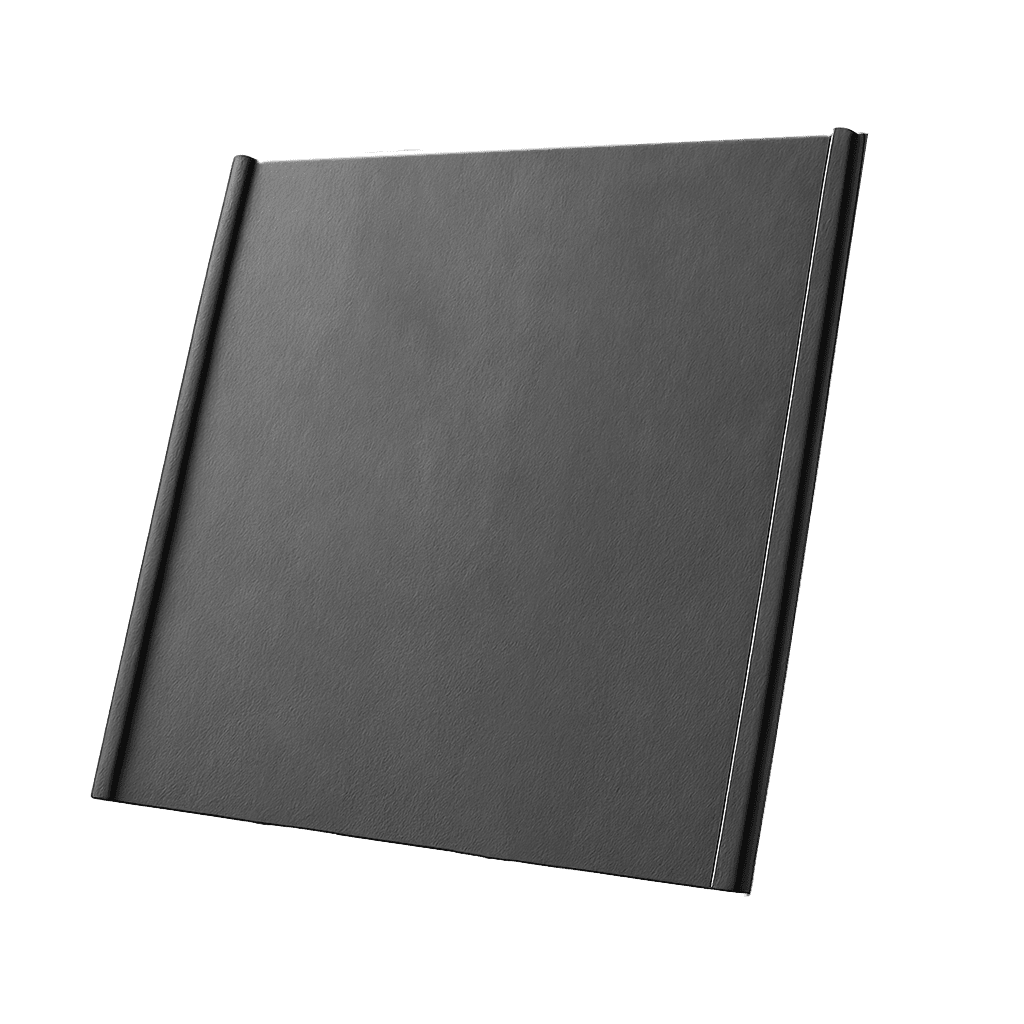
The gold standard for low-slope protection.

Eco-friendly composites with authentic detail
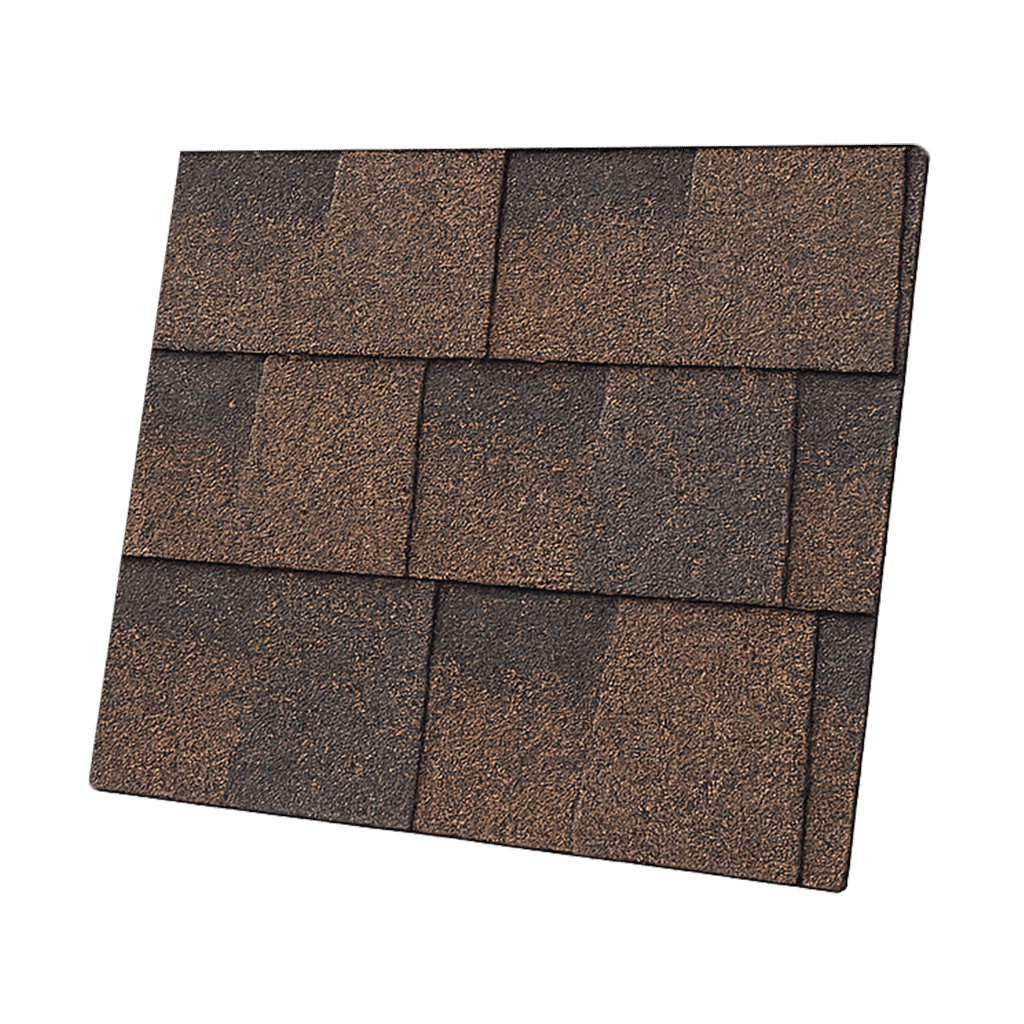
Classic layered look, durable protection.
Share
Share
Most homeowners compare roofing options by sticker price.
Quote A: $48,000. Quote B: $72,000. Quote C: $95,000.
The instinct is to pick the lowest number or find a middle ground. But this math is incomplete. It tells you what leaves your account this year. It doesn’t tell you what the roof actually costs over its lifetime.
A roof that costs $48,000 and lasts 18 years isn’t cheaper than one that costs $72,000 and lasts 40 years. It’s dramatically more expensive.
Cost-per-year is the number that matters. And when you run that calculation across premium roofing materials, the rankings shift in ways that surprise most homeowners.
Roofing is a long-term purchase. Unlike a car that you’ll replace in 8 to 12 years regardless of how well it runs, a roof replacement is something most homeowners hope to do only once or twice in their ownership of a property.
This long timeframe changes the math.
Consider two homeowners on the same street. Both have 3,000 square foot roofs. Both replace their roofs in 2026.
Homeowner A chooses mid-grade architectural shingles. Total investment: $38,000. The roof performs adequately for 17 years before needing replacement.
Homeowner B chooses premium synthetic slate. Total investment: $82,000. The roof is still performing well at year 35 with another 10 to 15 years of expected life.
Homeowner A felt smart in 2026. Forty-four thousand dollars saved. But by 2043, they’ve replaced the roof again at $52,000 (accounting for cost increases). Their 35-year roofing cost: $90,000 for two roofs.
Homeowner B is still on their original roof with years of life remaining. Their 35-year roofing cost: $82,000 for one roof that’s not done yet.
The “expensive” choice cost less. The “affordable” choice cost more.
This is why cost-per-year matters.
The calculation is simple:
Total investment ÷ Realistic lifespan = Annual cost of ownership
But the inputs require honest assessment.
Total investment includes:
Realistic lifespan means:
Understanding realistic lifespans in Chicago’s climate requires looking at field performance, not brochure claims. The difference between manufacturer projections and observed reality can be 20% to 40%.
Let’s apply cost-per-year thinking to the roofing materials commonly considered by Chicago-area homeowners investing in premium roof replacement.
For this comparison, I’ll use a reference home: 2,800 square feet of roof area, moderate complexity (typical for established North Shore and western suburb neighborhoods), with all quotes including complete tear-off, new underlayment, quality flashings, and proper ventilation.
Prices reflect 2026 Chicago-area market conditions. Your specific quotes will vary based on the factors covered in detail in the cedar shake pricing breakdown.
Typical investment range: $95,000 to $140,000
Realistic lifespan in Chicago: 75 to 125+ years (quality Welsh or Vermont slate with proper installation and maintenance)
Cost-per-year range: $760 to $1,870
Natural slate has the highest upfront cost and the lowest cost-per-year. That’s not a contradiction. It’s the power of extreme longevity.
A quality slate roof installed today may never need replacement during the home’s remaining existence. The slate itself can outlast the house. What typically fails first are the flashings (40 to 60 years) and fasteners, both of which can be repaired without replacing the slate.
The catch: Not every home can support slate. It’s heavy. Structures built for lighter materials may need reinforcement, adding cost. And the quality of slate varies dramatically by source. Cheap imported slate may only last 40 to 50 years, which changes the math entirely.
Who benefits most: Homeowners planning to stay in their home long-term, owners of historic properties where slate is architecturally appropriate, and buyers who view their home as a multi-generational asset.
Typical investment range: $70,000 to $100,000
Realistic lifespan in Chicago: 40 to 50+ years (estimated based on material testing and early installations)
Cost-per-year range: $1,400 to $2,500
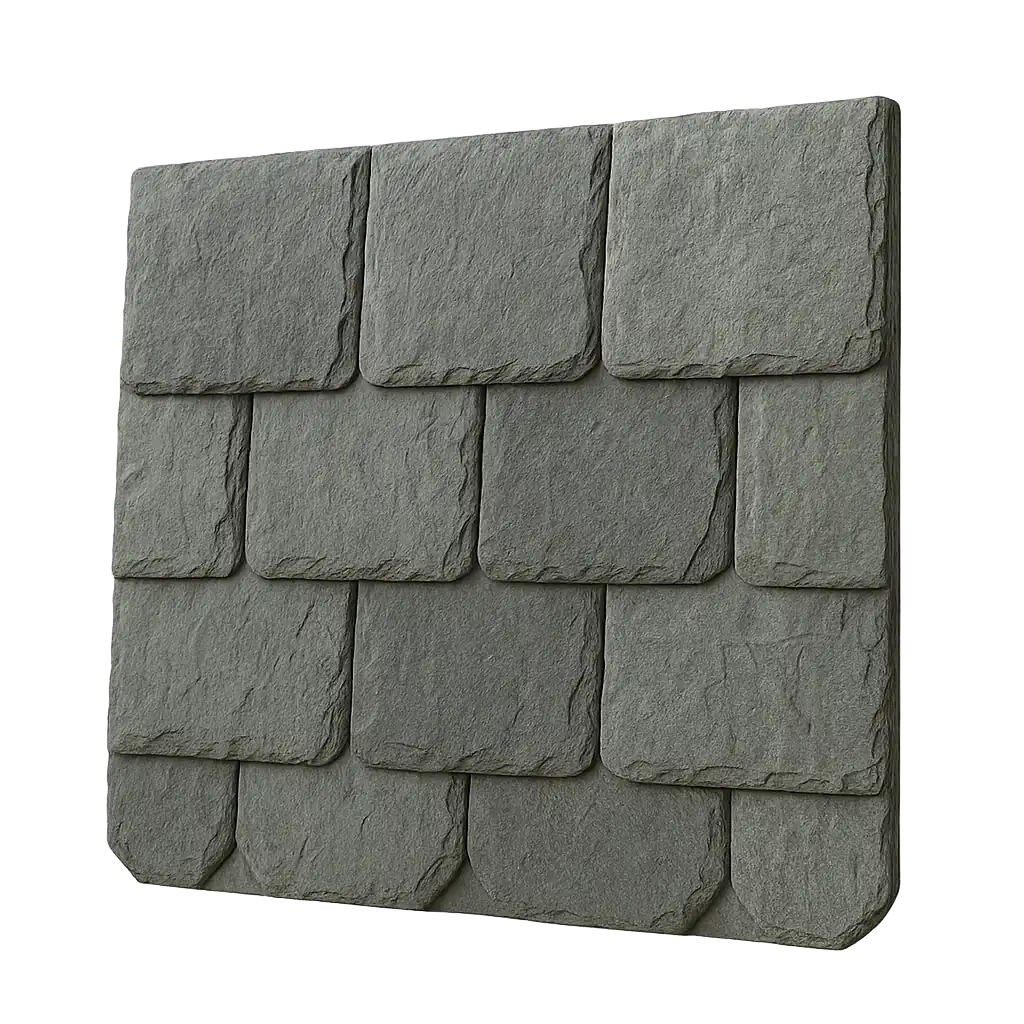
Synthetic slate offers slate aesthetics without the weight concerns. It’s made from engineered polymers designed to replicate the look of natural stone while resisting impact, moisture, and UV degradation.
The lifespan estimate carries some uncertainty. These products have only been widely installed for about 20 to 25 years, so we’re projecting based on material science and early performance rather than multi-decade field proof. Early signs are positive. The products show minimal degradation on installations from the early 2000s.
The advantage: Synthetic slate works on structures that can’t support natural slate weight. It’s also more forgiving of foot traffic during maintenance, reducing risk of damage during repairs.
Who benefits most: Homeowners who love the slate aesthetic but have structural limitations, those concerned about impact damage from hail, and buyers who want premium appearance with somewhat lower upfront investment than natural slate.
Typical investment range: $55,000 to $85,000
Realistic lifespan in Chicago: 20 to 30 years (with proper maintenance)
Cost-per-year range: $1,830 to $4,250
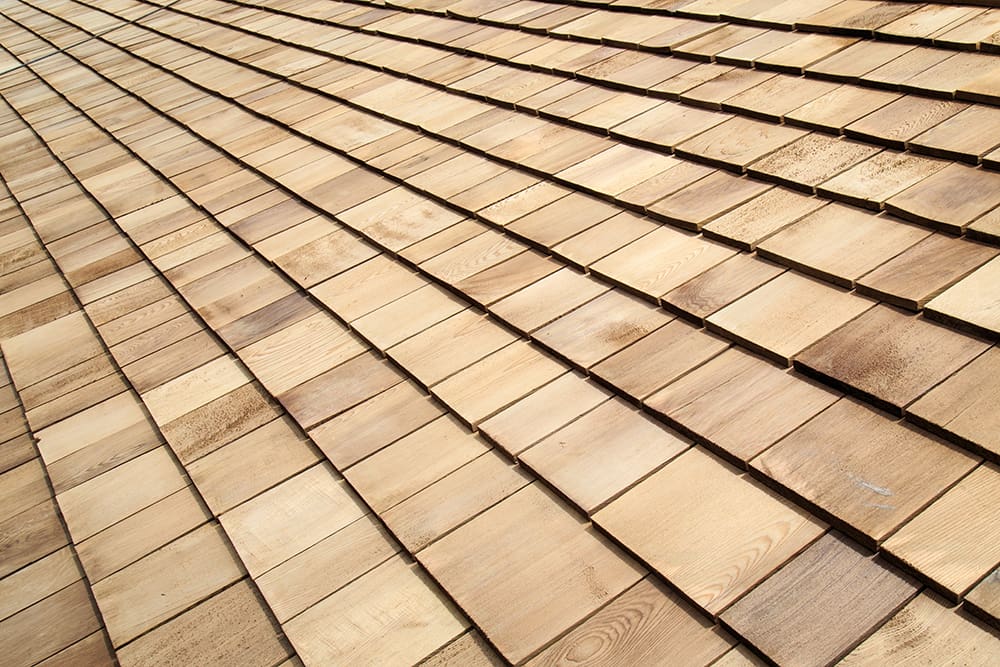
Cedar shake occupies a complicated position in this analysis. The material is beautiful and traditional. Many North Shore homes have had cedar roofs for generations. But the economics are less favorable than many homeowners assume.
Cedar’s realistic lifespan in Chicagoland falls well short of manufacturer claims due to our humidity, freeze-thaw cycles, and the maintenance most homeowners actually perform (versus what the material requires).
The maintenance factor: Cedar needs periodic treatment, cleaning, and inspection. Few homeowners keep up with the recommended schedule. Deferred maintenance shortens lifespan significantly. If you’re honest about your maintenance habits, adjust your lifespan estimate downward.
The hidden costs: Cedar roofs often need spot repairs, shake replacements, and treatments over their lifespan. These ongoing costs aren’t captured in the initial installation price but add to total cost of ownership.
Who benefits most: Homeowners who genuinely value the natural cedar aesthetic and will commit to the maintenance schedule, those in neighborhoods where cedar is expected or required, and buyers who prioritize traditional appearance over long-term economics.
Typical investment range: $65,000 to $95,000
Realistic lifespan in Chicago: 40 to 50 years (projected)
Cost-per-year range: $1,300 to $2,375
Synthetic shake products from manufacturers like DaVinci and Brava offer an interesting value proposition: cedar shake appearance with dramatically lower maintenance and longer projected lifespan.
The upfront cost runs slightly higher than natural cedar. But remove the ongoing maintenance expense and extend the lifespan by 15 to 25 years, and the economics favor synthetic.
Impact resistance: Both DaVinci and Brava products carry Class 4 impact ratings, the highest available. In Chicago’s hail corridor, this matters. Some insurance companies offer premium discounts for Class 4 rated roofs.
The uncertainty: Like synthetic slate, these products lack 50-year field data. We’re projecting based on material composition and accelerated testing. Early installations continue performing well, but long-term proof is still accumulating.
Who benefits most: Homeowners replacing aging cedar who want to maintain the aesthetic without the maintenance burden, those concerned about hail damage, and buyers focused on long-term value rather than lowest upfront cost.
Typical investment range: $45,000 to $75,000
Realistic lifespan in Chicago: 40 to 50+ years
Cost-per-year range: $900 to $1,875
Standing seam metal roofing delivers strong cost-per-year performance. The material doesn’t rot, crack, or absorb moisture. It sheds snow effectively. It handles thermal cycling without the degradation that affects asphalt products.
Style considerations: Metal roofing suits some home styles better than others. Contemporary and modern homes often look excellent with metal. Traditional colonials and Tudors may not be ideal matches aesthetically.
Installation sensitivity: Metal roofing is less forgiving of installation errors than some materials. Improper allowance for thermal expansion causes oil-canning, fastener failure, and sealant breakdown. Quality installation matters more than usual.
Who benefits most: Owners of contemporary-style homes, those who prioritize durability and low maintenance, homeowners planning major solar installations (metal roofs and solar pair well), and buyers in heavily wooded lots where debris accumulation is a concern.
Typical investment range: $75,000 to $120,000
Realistic lifespan in Chicago: 50 to 75 years (quality low-absorption tile)
Cost-per-year range: $1,000 to $2,400
Clay tile is less common in Chicagoland than in warmer climates, but it appears on Mediterranean-style homes, Spanish Colonial designs, and some historic properties. When appropriate to the architecture, it’s a strong long-term choice.
Climate considerations: Quality matters more in freeze-thaw climates. Low-absorption clay tiles handle Chicago winters without spalling. Cheaper tiles with higher porosity can crack as absorbed water freezes and expands.
Weight factor: Like natural slate, clay tile is heavy. Many homes require structural assessment and possible reinforcement before tile installation.
Underlayment lifecycle: The tile may last 75 years, but the underlayment beneath it won’t. Plan for underlayment replacement around year 30 to 40, which requires removing and reinstalling tiles.
Who benefits most: Owners of homes where clay tile is architecturally appropriate, buyers committed to long-term ownership, and those willing to invest in proper structural preparation.
Typical investment range: $35,000 to $55,000
Realistic lifespan in Chicago: 22 to 30 years
Cost-per-year range: $1,170 to $2,500
Premium architectural shingles like CertainTeed Grand Manor or GAF Grand Sequoia occupy a middle ground. They cost significantly less than slate or synthetic products upfront. They deliver better performance and longer life than standard architectural shingles. They provide a layered, dimensional appearance that works on many home styles.
Realistic expectations: These are still asphalt shingles. They’re better asphalt shingles, with thicker construction and longer expected life, but they don’t match the longevity of stone, metal, or engineered composites.
The value proposition: For homeowners who want improvement over standard shingles but aren’t ready for premium pricing, Grand Manor and similar products offer a legitimate upgrade at moderate additional cost.
Who benefits most: Budget-conscious homeowners who still want quality improvement, those planning to sell within 15 to 20 years (the full life of the roof becomes the next owner’s benefit), and owners of homes where premium materials might look out of place.
Ranked by cost-per-year from lowest to highest (using midpoint estimates):
| Material | Typical Cost | Realistic Life | Cost-Per-Year |
|---|---|---|---|
| Natural Slate | $117,500 | 100 years | $1,175 |
| Metal (Standing Seam) | $60,000 | 45 years | $1,333 |
| Synthetic Slate | $85,000 | 45 years | $1,889 |
| Synthetic Shake | $80,000 | 45 years | $1,778 |
| Clay Tile | $97,500 | 62 years | $1,573 |
| Premium Asphalt | $45,000 | 26 years | $1,731 |
| Cedar Shake | $70,000 | 25 years | $2,800 |
These numbers shift based on your specific quotes, your home’s characteristics, and your honest assessment of maintenance commitment. But the pattern holds: materials that seem expensive often aren’t, and materials that seem affordable often are, when you measure what actually matters.
Cost-per-year is valuable but incomplete. Other considerations affect the right choice for your situation.
Cash flow timing: Paying $115,000 today is different from paying $45,000 today and $60,000 in 25 years, even if the total is similar. Money has time value. Some homeowners legitimately prefer lower upfront investment.
Opportunity cost: That $70,000 difference between slate and asphalt could be invested elsewhere. Whether the roof investment or the alternative investment produces better returns depends on factors beyond roofing.
Plans for the property: If you’re selling in seven years, a 50-year roof doesn’t benefit you directly. You may recoup some value in sale price, but probably not the full premium.
Aesthetic priorities: Cost-per-year can’t quantify how much you value the look of natural cedar versus synthetic, or slate versus metal. Personal preference matters.
Risk tolerance: Proven materials with 100-year track records carry less uncertainty than engineered products with 25-year track records. Some homeowners pay a premium for certainty.
Cost-per-year provides a clearer picture than sticker price alone. But it’s one input among several.
The right roofing choice depends on your budget, your timeline, your home’s structural capacity, your aesthetic preferences, and your tolerance for maintenance and uncertainty.
What cost-per-year analysis does is prevent the common mistake of assuming the cheapest option is the most economical. Often, it’s the opposite.
If you’re weighing premium roofing options and want help thinking through the long-term economics for your specific situation, request a consultation that addresses both immediate costs and lifetime value.
Wolf Development helps Chicago-area homeowners think through premium roofing decisions with full information about materials, costs, and long-term performance. We install cedar shake, natural and synthetic slate, synthetic shake, metal, and premium architectural shingles across the North Shore and western suburbs.
Timeless elegance and unmatched longevity.
Rustic warmth with natural insulation.
Slate & shake looks, modern performance.
Architectural shingles with slate-like appeal.
Energy-efficient, modern, and long-lasting.
Mediterranean beauty, natural fire resistance.
Lightweight durability with classic charm.
Wood shake appearance, no rot or warping.
The gold standard for low-slope protection.
Eco-friendly composites with authentic detail
Classic layered look, durable protection.