Natural Slate
Timeless elegance and unmatched longevity.
 Skip to content
Timeless elegance and unmatched longevity.
Rustic warmth with natural insulation.
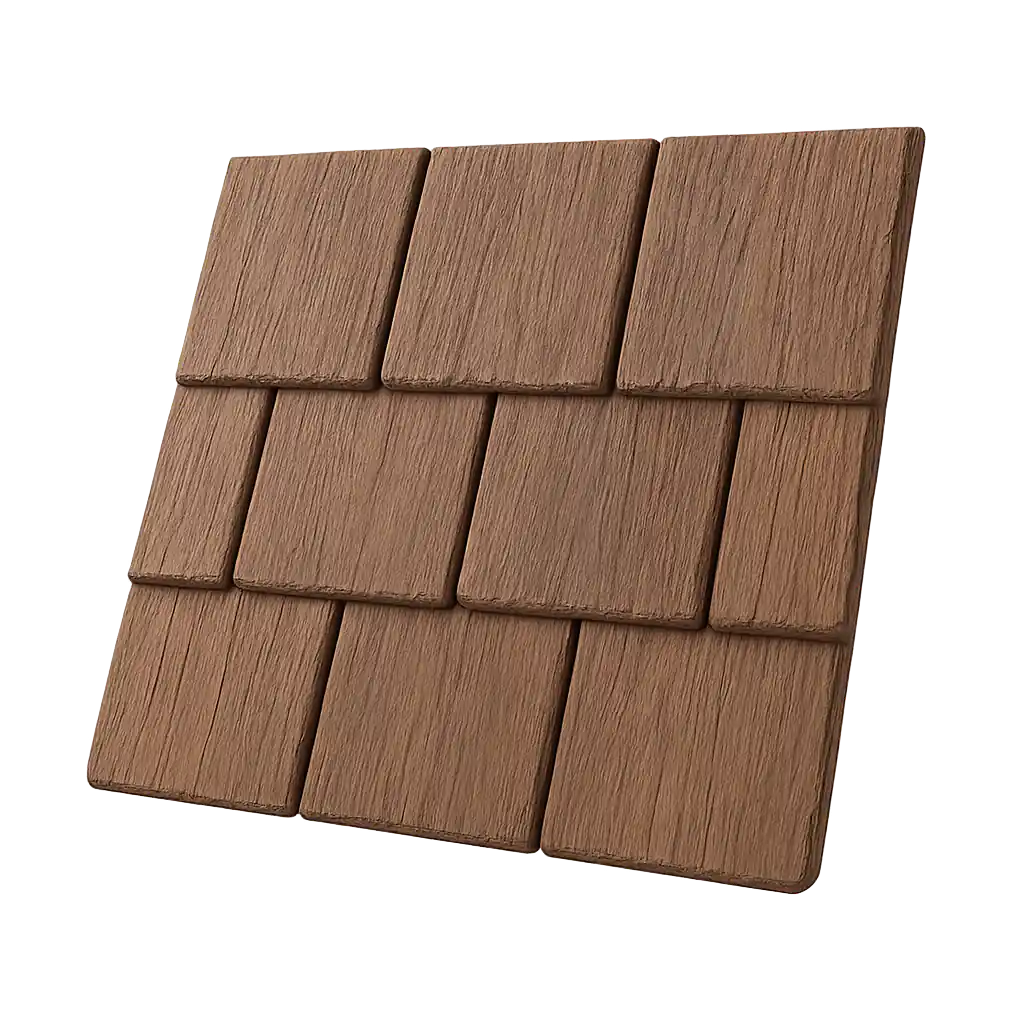
Slate & shake looks, modern performance.
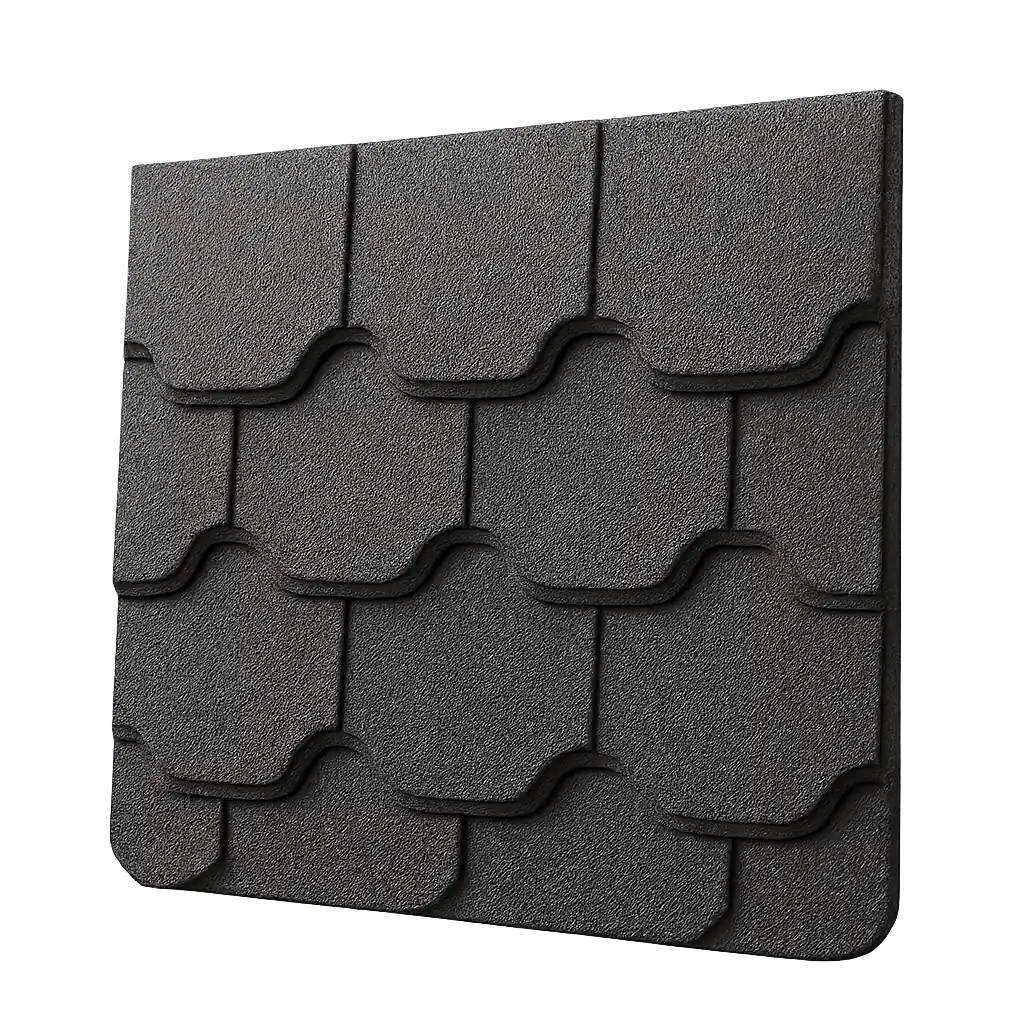
Architectural shingles with slate-like appeal.
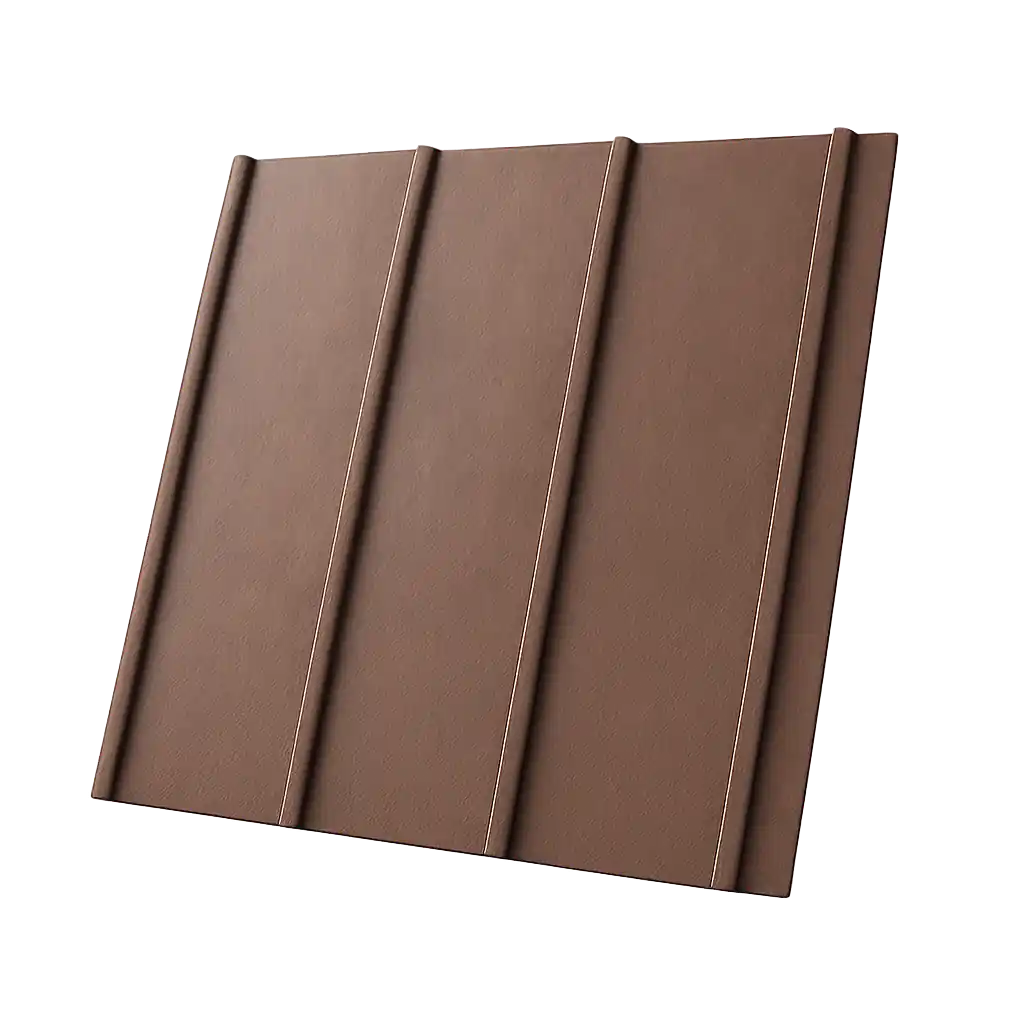
Energy-efficient, modern, and long-lasting.
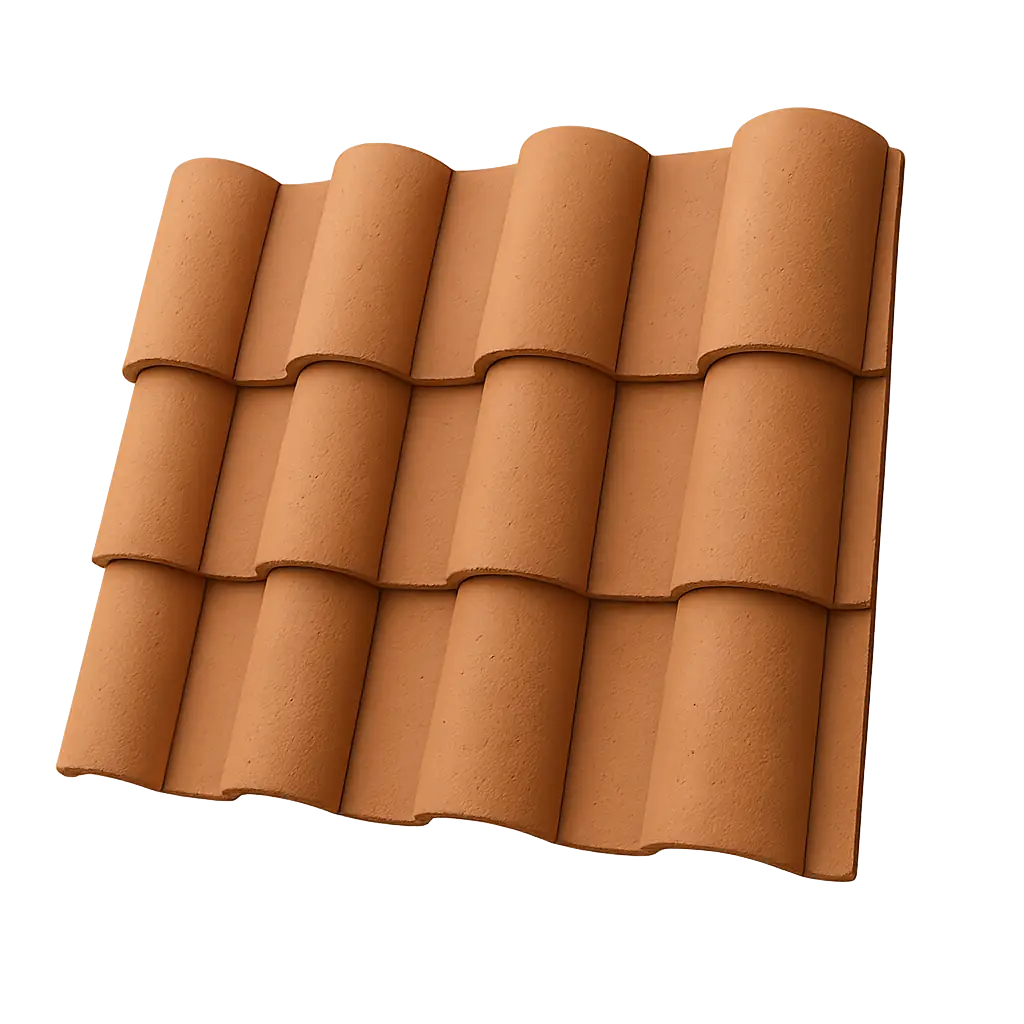
Mediterranean beauty, natural fire resistance.
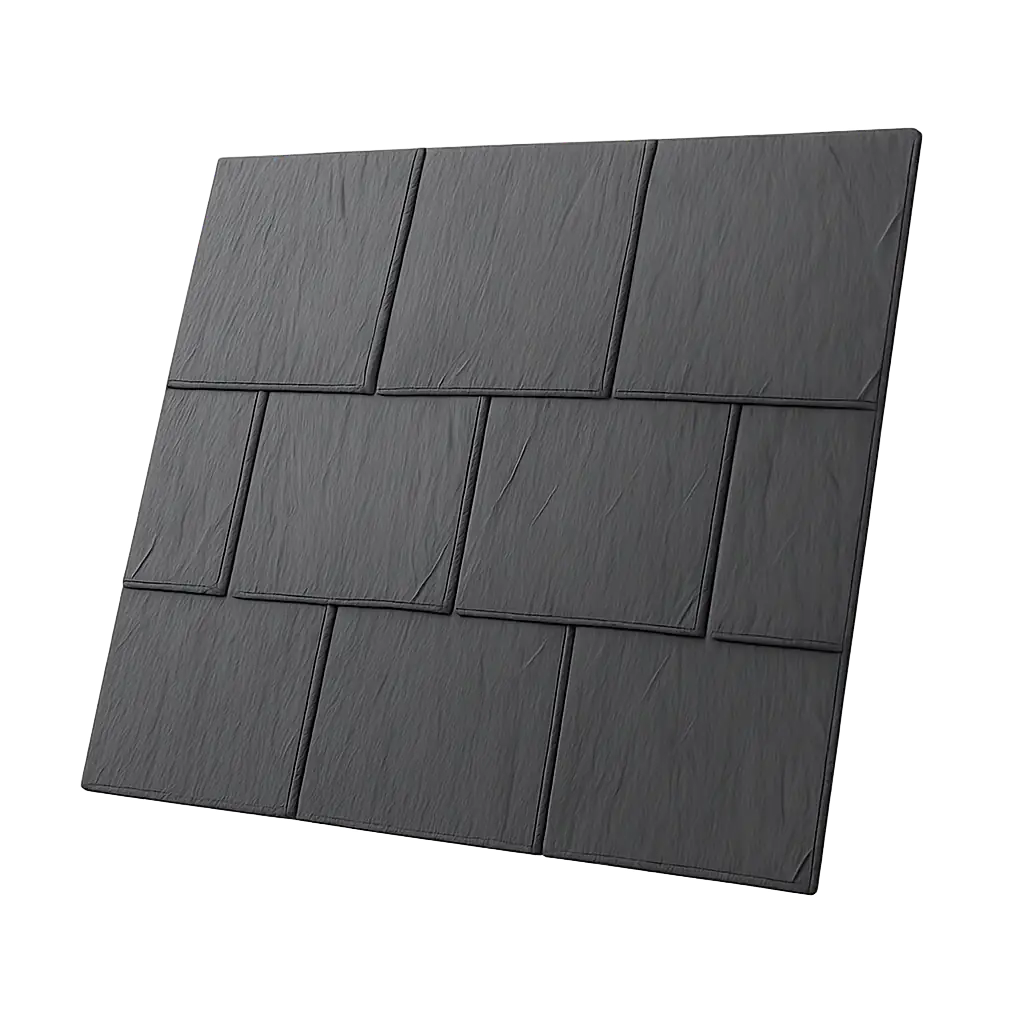
Lightweight durability with classic charm.
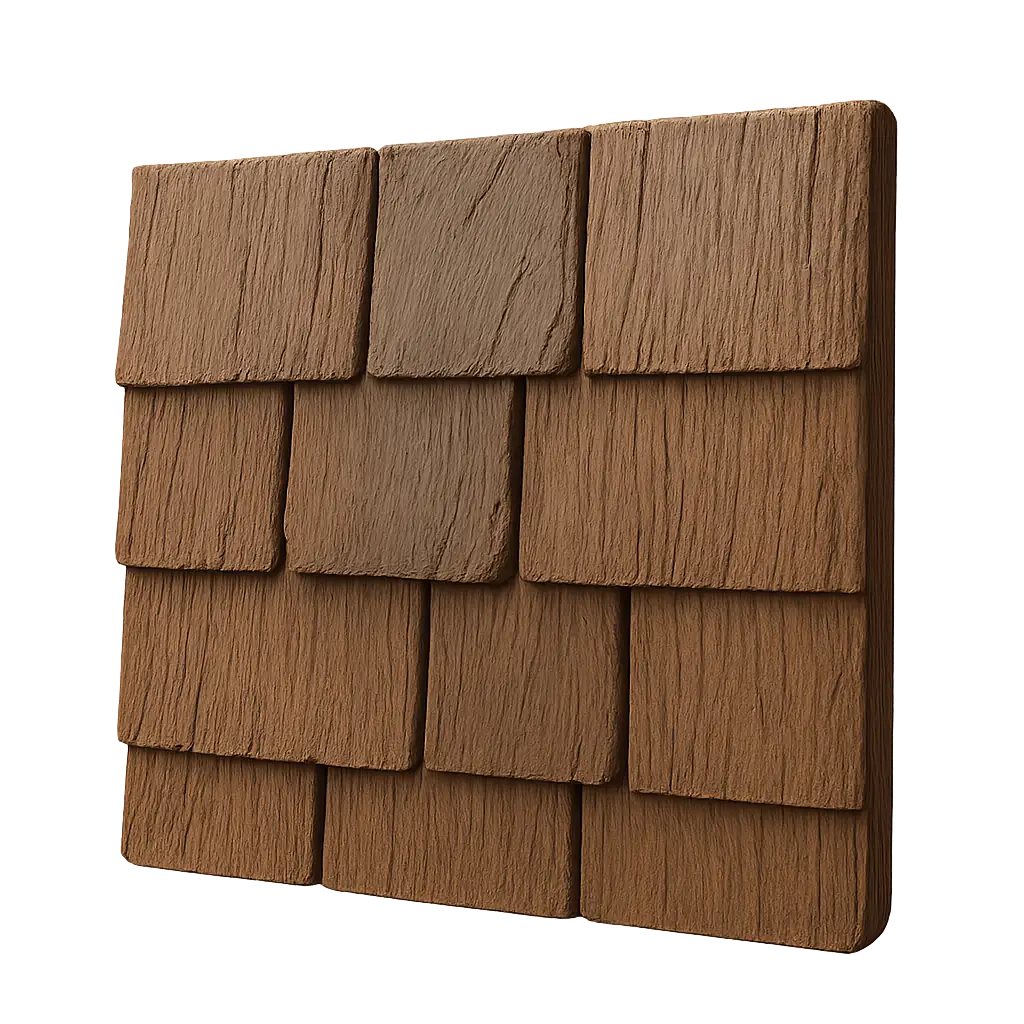
Wood shake appearance, no rot or warping.

The gold standard for low-slope protection.
Eco-friendly composites with authentic detail
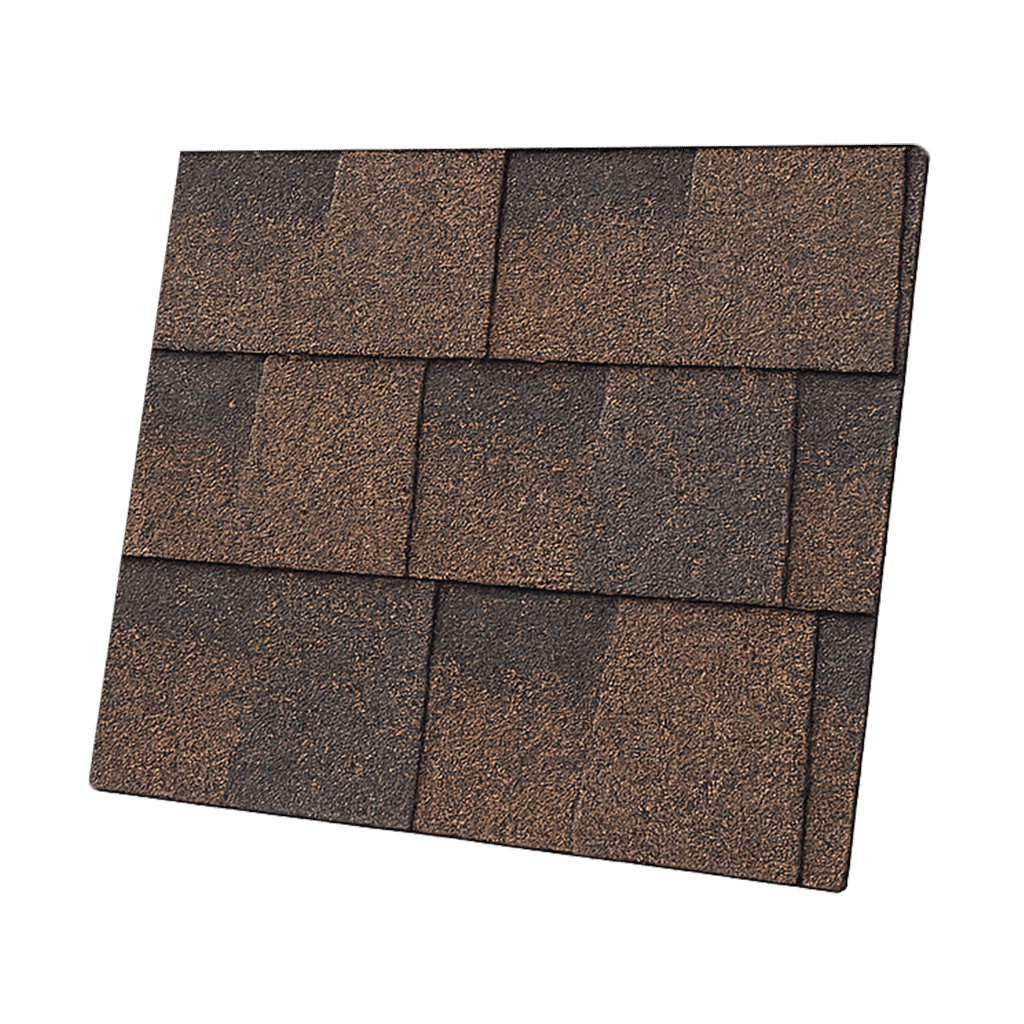
Classic layered look, durable protection.
Share
“Lifetime warranty.”
Two words that sell a lot of roofs.
They sound like a promise. Install this roof and never worry again. If anything goes wrong, ever, you’re covered. The company stands behind their product for as long as you own your home.
That’s what the words suggest. That’s not what the contract says.
Grab a calculator. Read the actual warranty document. Do the math roofing companies hope you’ll skip.
The results are not what most homeowners expect.
The word “lifetime” has a specific legal meaning in warranty language. It doesn’t mean forever. It doesn’t mean unlimited. It means the expected useful life of the product as determined by the manufacturer.
For roofing materials, this typically means:
A “lifetime warranty” on shingles rated for 30 years means coverage for up to 30 years, not coverage until the end of time. And as we’ll see, even that 30-year coverage is heavily qualified.
The word “lifetime” is a marketing term. It creates an emotional impression that exceeds the legal reality. That’s the point.
Here’s where the math gets uncomfortable.
Most roofing warranties are prorated. This means the coverage amount decreases over time based on how long the roof has been installed.
The warranty doesn’t pay the same amount at year 20 that it would pay at year 2. It pays dramatically less.
Proration schedules vary by manufacturer, but the structure is similar. Here’s a representative example for a “lifetime” shingle warranty:
Years 1 through 10: Non-prorated period. If a covered defect occurs, the manufacturer covers full material replacement cost.
Years 11 through 15: Coverage reduced to 70% of original material value.
Years 16 through 20: Coverage reduced to 50% of original material value.
Years 21 through 25: Coverage reduced to 30% of original material value.
Years 26 through 30: Coverage reduced to 15% of original material value.
Years 31 and beyond: Coverage may drop to 10% or less, if it continues at all.
Now apply this to a real scenario.
A homeowner installs a “lifetime warranty” roof in 2026.
Project details:
Scenario 1: Failure at year 8
A manufacturing defect causes shingle failure within the non-prorated period. The warranty pays full material replacement cost: $16,000 (adjusted for price increases, which typically means replacement-value materials).
The homeowner still pays for labor to remove and reinstall: roughly $20,000 to $26,000.
Total out-of-pocket: $20,000 to $26,000.
The warranty helped substantially, but the homeowner still paid more than half the cost of a new roof.
Scenario 2: Failure at year 18
Same defect, but now proration applies. At year 18, coverage is at 50% of original material value.
Original material value: $16,000 Prorated coverage: $8,000 Current replacement material cost (with inflation): approximately $22,000 Labor cost: $28,000
Total new roof cost: $50,000 Warranty credit: $8,000 Homeowner pays: $42,000
The “lifetime warranty” covered 16% of the total replacement cost.
Scenario 3: Failure at year 26
At year 26, coverage is at 15% of original material value.
Original material value: $16,000 Prorated coverage: $2,400 Current replacement cost: $58,000 or more
Warranty credit: $2,400 Homeowner pays: $55,600 or more
The “lifetime warranty” covered about 4% of replacement cost.
Most roofing materials don’t fail at year 5. They fail at year 20 or 25 or beyond.
The realistic lifespan of roofing materials in Chicago often falls in the 18 to 28 year range for standard architectural shingles. That’s exactly when proration has eaten away most of the warranty value.
The warranty is strongest when you’re least likely to need it. By the time failure becomes probable, the warranty has shrunk to token coverage.
This isn’t an accident. It’s actuarial design. Warranty terms are structured so that statistically likely claims produce minimal payouts.
Proration isn’t the only problem. Labor exclusion compounds it.
Most manufacturer warranties cover materials only. Labor is explicitly excluded.
On a typical roofing project, labor represents 50% to 65% of total cost. When you exclude labor from warranty coverage, you’re excluding the majority of what replacement actually costs.
Even a warranty paying full material value (which only happens in the non-prorated period) leaves the homeowner responsible for all labor costs. That’s $20,000 to $40,000 or more on a premium roof replacement.
A “full coverage” warranty that excludes labor is covering 35% to 50% of the actual cost. It’s majority-exclusion, not full coverage.
Some manufacturers offer enhanced warranties that include labor coverage. These typically require:
Miss any requirement and you default to the standard materials-only warranty. Many homeowners believe they have labor coverage when they don’t because a requirement wasn’t met.
Warranty language is written by lawyers to minimize liability. Some phrases to watch for:
“Limited lifetime warranty”
“Limited” is doing heavy lifting here. It signals that significant restrictions apply. The lifetime part gets the headline. The limited part defines reality.
“Prorated after X years”
This is the countdown clock on your coverage value. The non-prorated period is your actual “full coverage” window. Everything after is declining coverage that may be worth less than the hassle of filing a claim.
“Material value based on original purchase”
This means proration calculates from what the materials cost when you bought them, not what replacement materials cost today. Fifteen years of inflation means today’s materials cost far more than your prorated credit reflects.
“Transferable to one subsequent owner”
Your warranty may not transfer when you sell your home. Or it transfers only once. Or it transfers with reduced terms. If you’re buying a home with a “warranty roof,” verify what actually transferred.
“Normal wear and weathering excluded”
This gives the manufacturer significant discretion in denying claims. “Your roof failed due to normal wear” is a common denial even when the failure seems premature. The line between “defect” and “normal wear” is subjective and decided by the party who would have to pay the claim.
“Aesthetic changes not covered”
Fading, color variation, granule loss (to a point), and streaking typically aren’t considered defects. A roof can look terrible and still be “performing as warranted.”
Even when a claim is valid, the process can be difficult.
Documentation requirements. You may need original purchase receipts, warranty registration confirmation, proof of professional installation, and evidence of proper maintenance. Missing any of these can derail a claim.
Inspection and approval. The manufacturer sends an inspector (or requires you to hire one) to evaluate the claimed defect. The inspector works for or is chosen by the manufacturer. Their determination is usually binding.
Determination disputes. If the manufacturer determines the problem is “normal wear” or results from something excluded (improper ventilation, foot traffic damage, nearby vegetation), your claim is denied. Disputing this determination is difficult.
Time to resolution. Processing claims takes months. Meanwhile, your roof may be leaking. You may need emergency repairs that aren’t covered or that complicate the claim.
Credit, not cash. Warranty claims typically result in credit toward replacement materials from the same manufacturer, not cash payment. You must buy from them again to use the credit.
The full picture of warranty limitations extends well beyond proration. But proration alone is enough to make “lifetime warranty” far less valuable than it sounds.
If warranties are less protective than they appear, what actually protects your roofing investment?
Better materials last longer. They’re less likely to fail prematurely, which means you’re less likely to need the warranty at all.
Synthetic products from manufacturers like DaVinci and Brava offer longer projected lifespans and stronger performance characteristics than standard shingles. Natural slate can last 75 to 100+ years.
Higher-quality materials cost more upfront. But if they perform as expected, the warranty never matters. That’s the real protection.
Most premature roof failures trace to installation problems, not material defects.
A perfectly manufactured shingle installed incorrectly will fail. That failure won’t be covered by the manufacturer warranty because it wasn’t a material defect. The workmanship warranty from your contractor applies, assuming that contractor is still in business and the warranty terms are met.
Investing in quality installation from an experienced, stable contractor provides more real-world protection than warranty documents. A properly installed roof doesn’t fail early. It doesn’t need warranty claims. It just works.
Workmanship warranties only matter if the contractor exists to honor them.
A 25-year workmanship warranty from a company that closes in year 7 is worthless. The warranty dies with the company.
Choosing contractors with established track records, stable operations, and reasonable expectation of longevity provides actual protection. Their continued presence creates accountability that paper warranties can’t guarantee.
A roof is a depreciating asset. It wears over time. Eventually, it needs replacement.
Warranties don’t change this fundamental reality. They provide partial reimbursement for certain types of premature failure. They don’t prevent aging. They don’t guarantee specific lifespans. They don’t make roof replacement free when it eventually becomes necessary.
Understanding this helps calibrate expectations. A roof installed in 2026 will eventually need replacement. The question is whether that happens at year 22 or year 35, and whether any problems along the way result from covered defects or normal wear.
If you’re evaluating roofing proposals, look past the warranty headline to the actual terms.
Request the full warranty document. Not the brochure summary. The actual legal document with all terms and exclusions.
Find the proration schedule. How quickly does coverage decline? What percentage remains at year 15? Year 25?
Confirm labor coverage. Is labor included? What conditions must be met to maintain labor coverage?
Check transfer terms. Does the warranty transfer to new owners? With what limitations?
Verify registration requirements. What must you do to activate full warranty protection? What’s the deadline?
Ask about claim history. Has this contractor handled warranty claims before? What was the process like?
A warranty that sounds great in the sales presentation may look very different when you read the details. The details are what you actually own.
“Lifetime warranty” is marketing language designed to create confidence at the point of sale. The legal reality is years of declining coverage with significant exclusions.
By the time most roofs actually fail, the warranty provides a fraction of what homeowners expect. At year 25, that impressive warranty might cover 10% to 15% of your replacement cost. Maybe less.
This isn’t a reason to reject warranties entirely. Some coverage is better than none. And all else equal, a longer warranty period is better than a shorter one.
But it is a reason to prioritize what actually matters: quality materials, proper installation, and a contractor you can trust. These factors determine whether your roof performs for decades. The warranty is just the consolation prize if things go wrong.
If you’re planning a roofing project and want honest conversation about materials, installation, and realistic expectations, connect with a contractor who talks about performance, not just warranty marketing.
Wolf Development provides premium roofing installation throughout Chicago’s North Shore and western suburbs. We believe in transparent communication about what our products and services actually deliver. Our recommendations focus on long-term performance, not warranty paper that won’t protect you when you actually need it.
Timeless elegance and unmatched longevity.
Rustic warmth with natural insulation.
Slate & shake looks, modern performance.
Architectural shingles with slate-like appeal.
Energy-efficient, modern, and long-lasting.
Mediterranean beauty, natural fire resistance.
Lightweight durability with classic charm.
Wood shake appearance, no rot or warping.
The gold standard for low-slope protection.
Eco-friendly composites with authentic detail
Classic layered look, durable protection.