Natural Slate
Timeless elegance and unmatched longevity.
 Skip to content
Timeless elegance and unmatched longevity.
Rustic warmth with natural insulation.
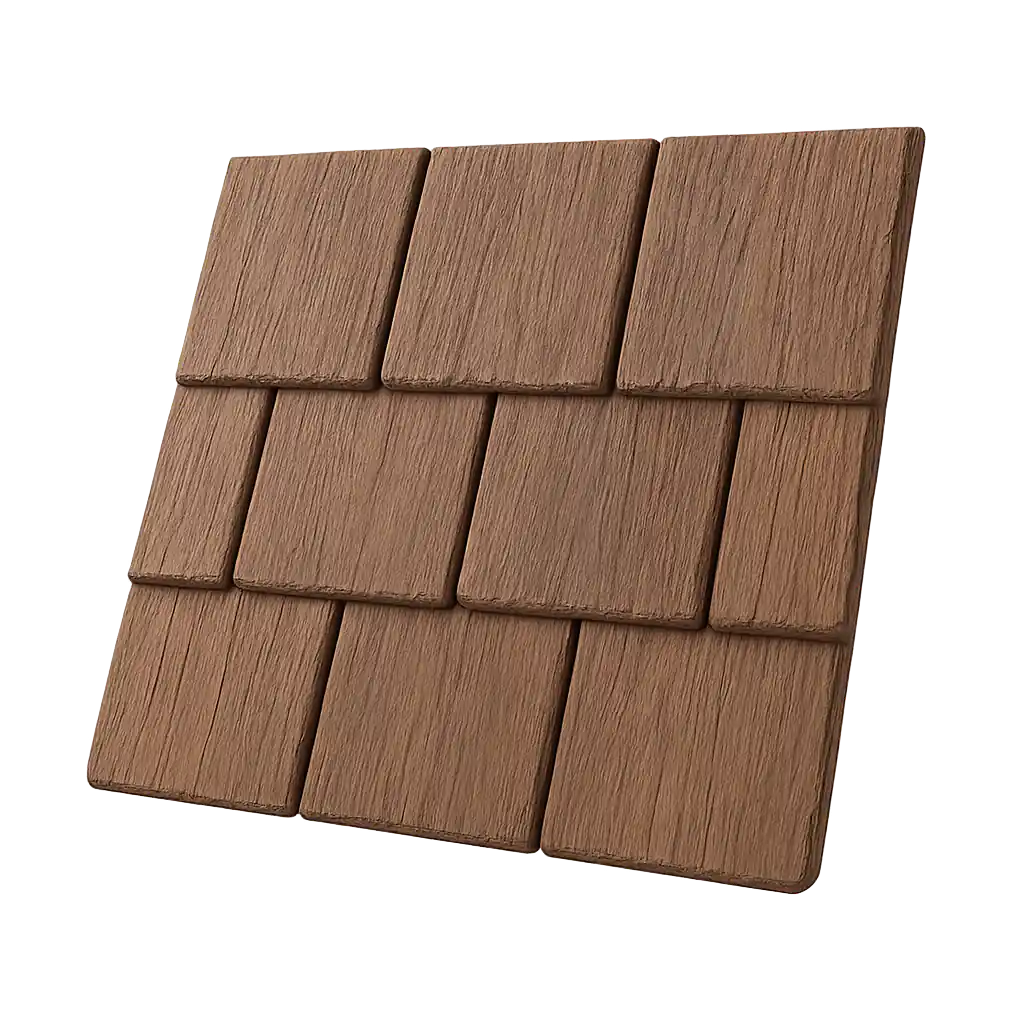
Slate & shake looks, modern performance.
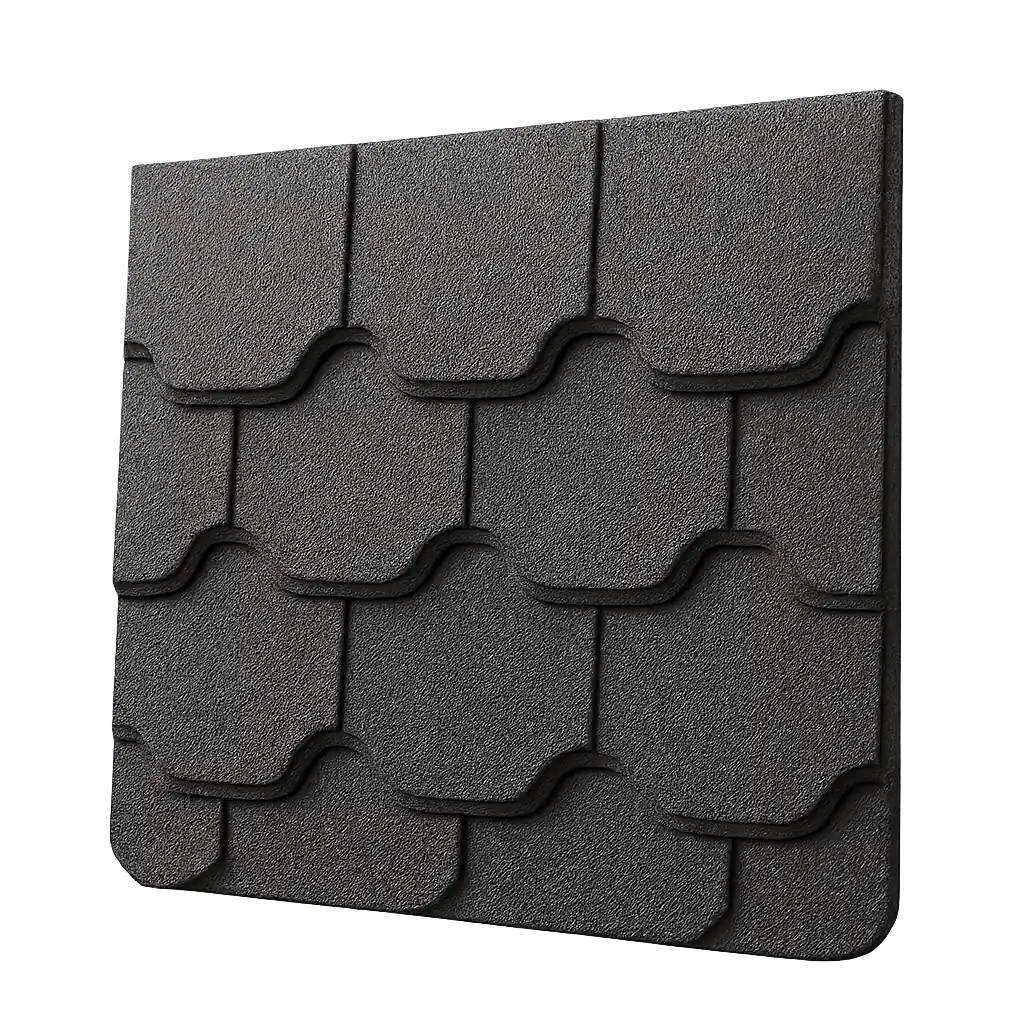
Architectural shingles with slate-like appeal.
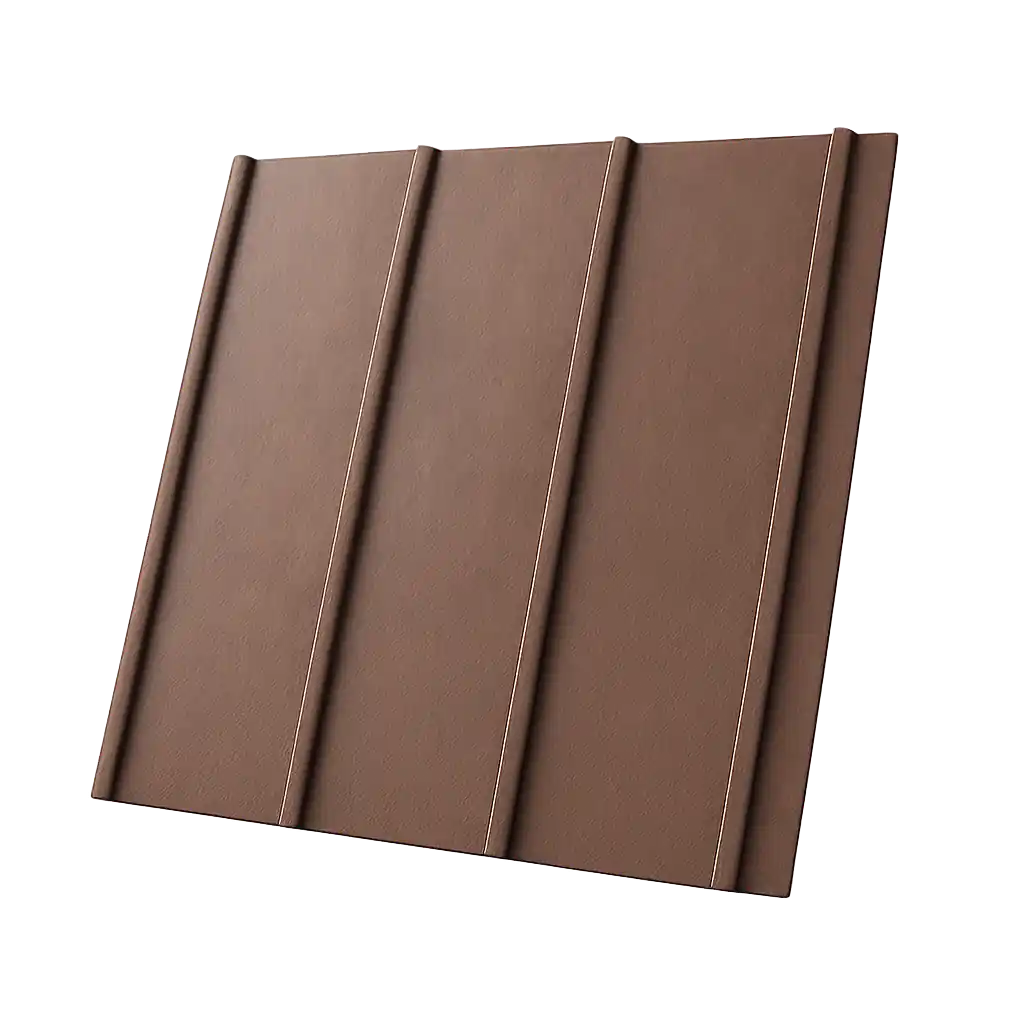
Energy-efficient, modern, and long-lasting.
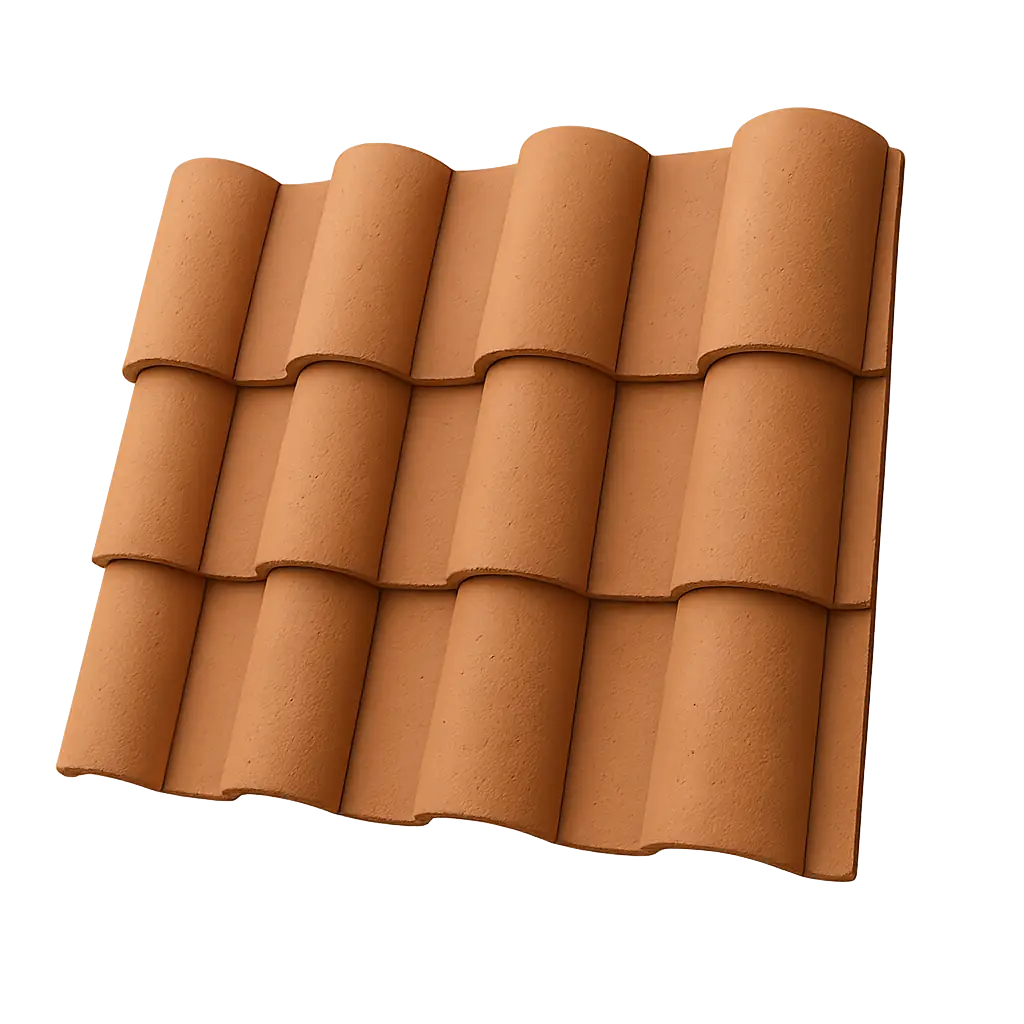
Mediterranean beauty, natural fire resistance.
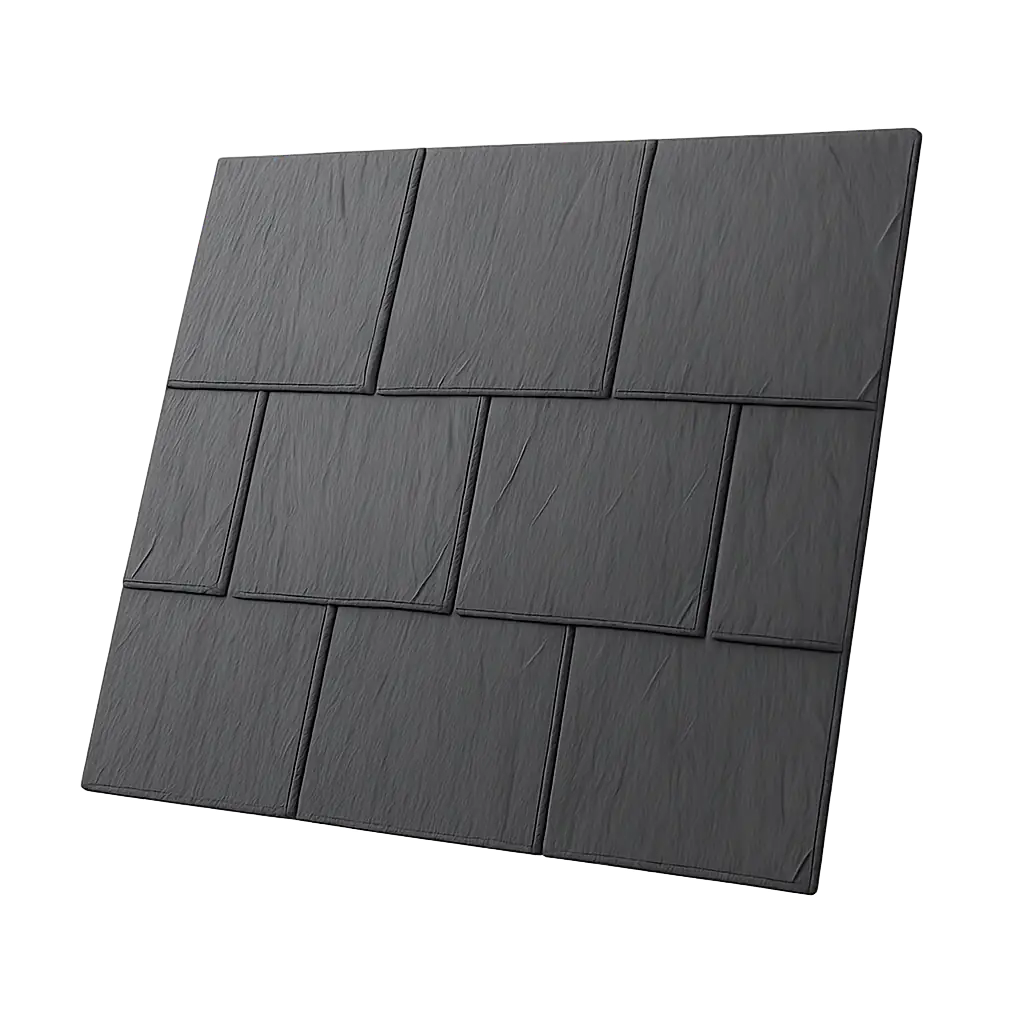
Lightweight durability with classic charm.
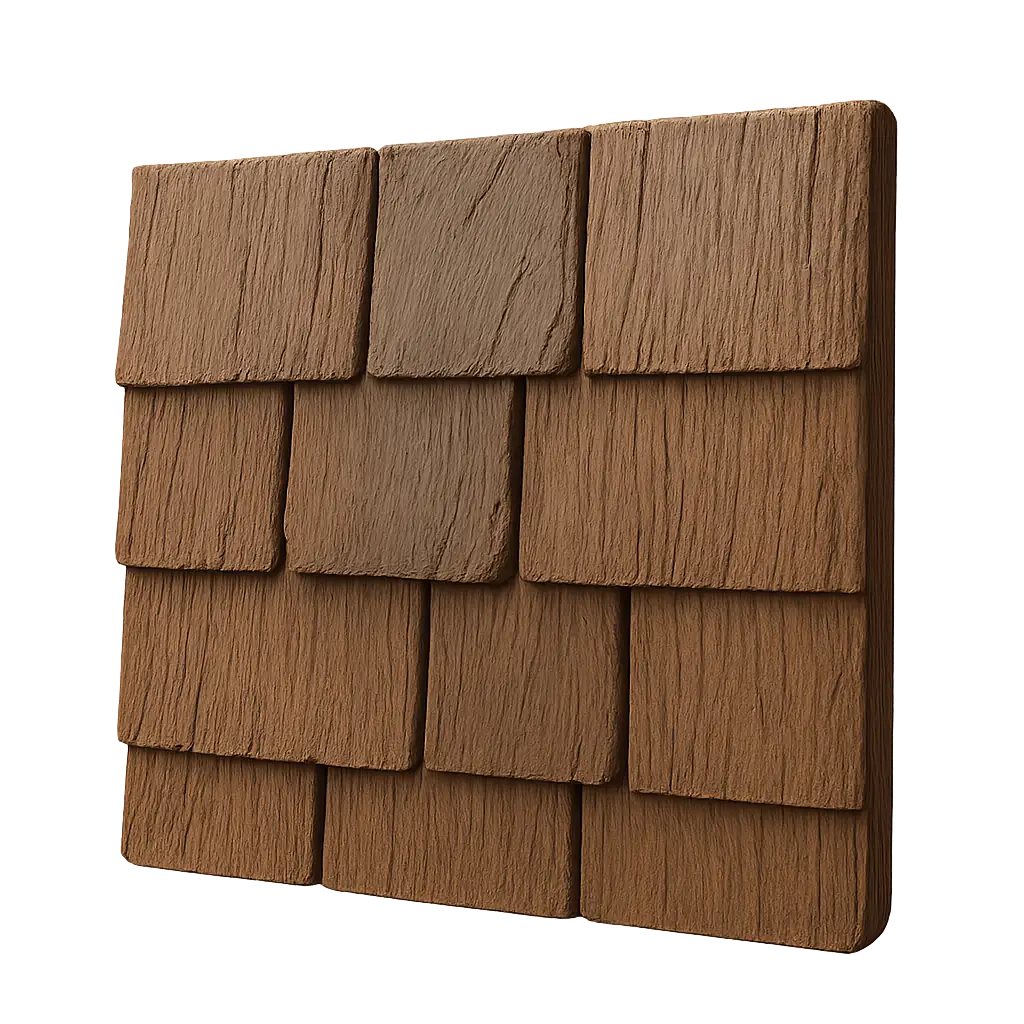
Wood shake appearance, no rot or warping.

The gold standard for low-slope protection.

Eco-friendly composites with authentic detail
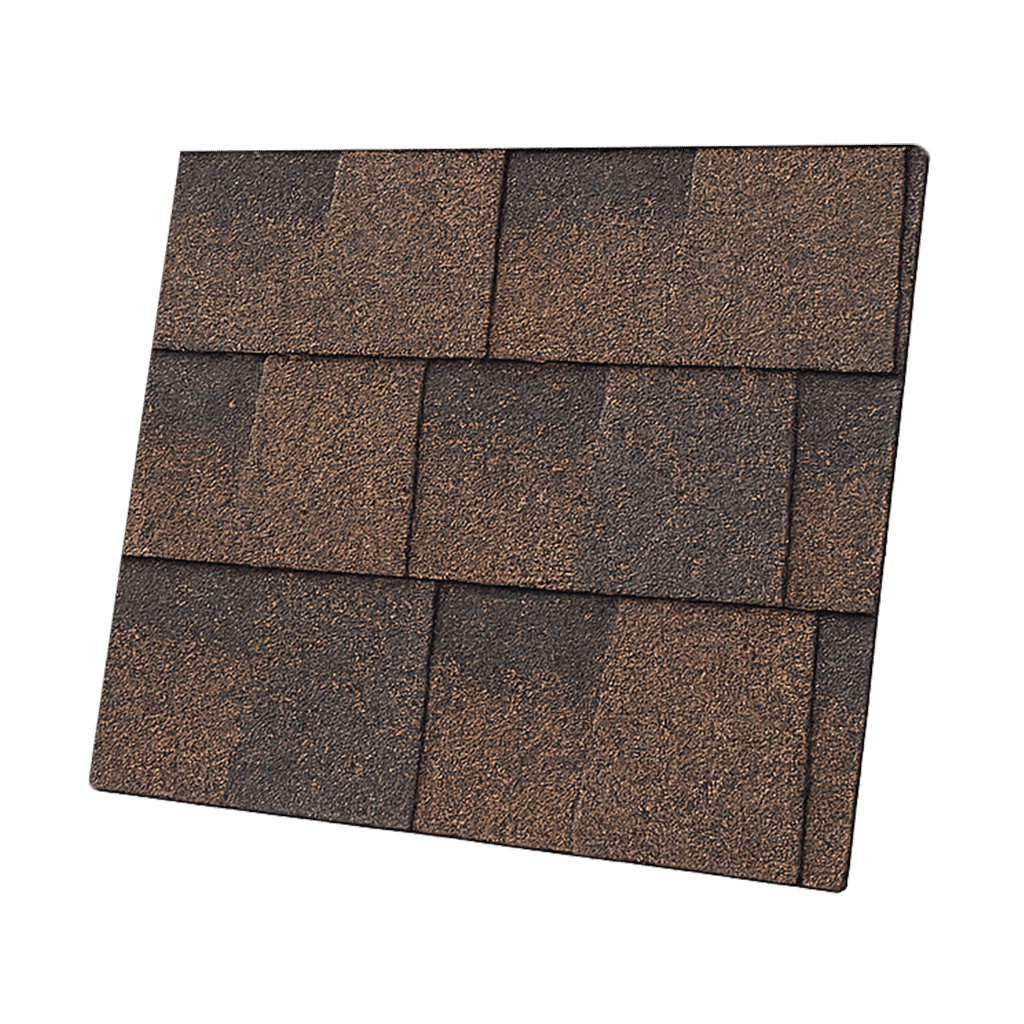
Classic layered look, durable protection.
Share
The letter arrives without warning.
“After reviewing your policy, we have determined that we will not be renewing coverage for your property.”
No explanation beyond standard language about “underwriting guidelines.” No negotiation. Just a deadline to find new insurance.
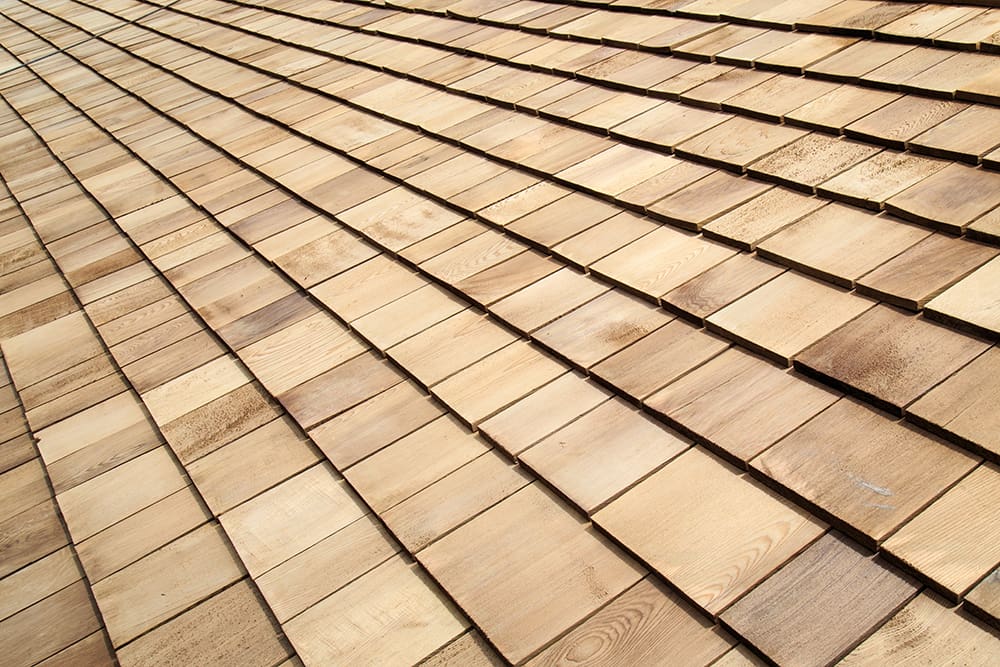
For a growing number of Chicago-area homeowners, the common factor is their roof. Specifically, their cedar shake or wood shake roof.
Insurance companies are retreating from wood roofs. Some refuse to write new policies. Others are non-renewing existing customers. Many that still offer coverage charge premiums 30% to 50% higher than comparable homes with different roofing materials.
This shift isn’t happening with press releases or public announcements. It’s happening one policy at a time, one underwriting decision at a time. Homeowners discover the change when they try to insure a new home, renew an existing policy, or shop for better rates.
If you have a wood roof, understanding this trend helps you plan before you’re forced to react.
Insurance companies make money by collecting more in premiums than they pay in claims. When a category of risk consistently produces higher claims, insurers respond by raising prices, restricting coverage, or exiting that category entirely.
Wood roofs have become a category of elevated concern. Several factors are driving this.
Wood burns. This isn’t news, but it’s becoming a bigger factor in underwriting decisions.
Cedar shake and wood shake roofs carry Class C fire ratings in their natural state. Some treated products achieve Class B or Class A ratings, but the base material remains combustible.
In an era of increasing wildfire concern and urban fire spread, insurers are prioritizing non-combustible roofing. A Class A rated synthetic or metal roof can resist ignition from airborne embers and radiant heat. A wood roof, even a treated one, presents higher risk.
This concern extends beyond wildfire-prone regions. Urban and suburban homes face fire risks from neighboring structures, fireworks, lightning, and other ignition sources. Wood roofs spread fire more readily than non-combustible alternatives.
Insurance actuaries have quantified this risk, and the numbers don’t favor wood.
Chicago’s weather tests roofing materials aggressively. Hail, wind, freeze-thaw cycles, and severe storms create claim events.
Wood roofs are more susceptible to weather damage than some alternatives. Hail impacts can crack and split shakes. High winds can lift individual pieces. The freeze-thaw cycle degrades wood fibers over time, making the roof progressively more vulnerable.
Synthetic materials with Class 4 impact ratings resist hail damage far better than natural cedar. Metal roofs may dent but don’t crack. Slate is essentially impervious to hail.
When insurers compare claim frequency and severity across roofing materials, wood consistently produces more weather-related claims. Higher claims mean higher prices or restricted coverage.
Wood roofs require active maintenance to perform well. Cleaning, treatment, inspection, and prompt repair extend service life and reduce failure risk.
Most homeowners don’t maintain their wood roofs adequately. The gap between potential lifespan and actual lifespan largely reflects deferred maintenance. Insurers can’t control or verify maintenance practices, so they assume the worst.
A poorly maintained wood roof is significantly more likely to fail, leak, or sustain storm damage than a well-maintained one. Since insurers can’t separate maintained from unmaintained roofs at scale, they price or restrict the entire category.
When wood roofs fail, replacement is expensive. Premium cedar shake costs have increased substantially over the past decade. Labor for proper installation adds more.
A total loss claim on a wood shake roof costs insurers more than a comparable claim on an asphalt shingle roof. Even partial claims tend to run higher due to material costs and the complexity of matching existing installations.
Higher potential claim costs drive higher premiums or tighter restrictions.
The insurance industry as a whole is tightening underwriting standards. Years of elevated catastrophe losses, inflation, and reinsurance cost increases have pushed carriers toward more conservative risk selection.
Wood roofs are one of many categories facing increased scrutiny. But because they combine multiple risk factors (fire, weather, maintenance, cost), they’re receiving particular attention.
The carriers that historically tolerated wood roof risk are reassessing. Those that avoided it already continue to do so. The shrinking pool of wood-roof-friendly insurers creates competition that drives remaining options toward higher prices.
The wood roof insurance challenge plays out differently depending on your situation.
If you’re purchasing a property with an existing cedar shake roof, insurance may be harder to obtain than you expect.
Standard carriers may decline to quote. Those that will quote may offer prices 30% to 50% above what similar homes with different roofing would pay. Coverage terms may include higher deductibles for roof claims or explicit exclusions for wind and hail damage to the roof.
In some cases, lenders require proof of insurance before closing. If affordable insurance isn’t available, the transaction can stall.
Before committing to purchase a wood-roof home, get insurance quotes early in the process. Understand what coverage will actually cost and what limitations will apply. Factor this into your purchase decision and price negotiation.
If the roof is old and due for replacement anyway, replacement with a Class A rated material may be a condition of obtaining reasonable insurance.
Current wood roof homeowners face two risks: non-renewal and significant premium increases at renewal.
Non-renewal notices typically arrive 30 to 60 days before policy expiration. This provides limited time to find alternative coverage. Rushing this process often means accepting higher prices or inferior terms.
Even without non-renewal, renewal premiums may jump substantially. Carriers adjust pricing as they reassess wood roof risk. A policy that seemed affordable last year may become prohibitive this year.
If your renewal is approaching, start shopping early. Understand your options before you receive your renewal notice. If alternatives are limited or expensive, consider whether roof replacement makes financial sense.
Homeowners with wood roofs who file claims may face additional scrutiny.
Insurers may inspect more thoroughly, looking for evidence of deferred maintenance or pre-existing conditions that could reduce or deny the claim. Adjusters may argue that damage resulted from wear rather than a covered event.
This doesn’t mean claims will be denied. But it does mean the process may be more contentious than homeowners expect.
Document your roof’s condition and any maintenance performed. Keep records of professional inspections. This documentation supports your position if a claim becomes disputed.
Roof condition affects home value and marketability. Insurance availability adds another dimension to this.
A buyer who can’t obtain affordable insurance may walk away or demand significant price reduction. A wood roof that seemed fine when you bought the house may now be a liability that affects your sale.
If you’re planning to sell a home with an aging wood roof, consider how insurance availability will affect your buyer pool. Replacing the roof with an insurable material before listing may improve marketability and net proceeds compared to selling as-is and negotiating down.
If you have a wood roof and face insurance challenges, several paths forward exist.
Not all insurers have the same underwriting standards. Some still write wood roof coverage at reasonable rates. Others specialize in homes that standard carriers decline.
Work with an independent insurance agent who represents multiple carriers. They can shop your situation across the market rather than showing you only one company’s answer.
Be prepared for higher prices than neighbors with different roofing pay. The question is whether reasonable coverage is available at any price, not whether it’s available at the same price.
If standard carriers decline your risk, excess and surplus (E&S) carriers may offer coverage. These are insurers that handle risks the standard market won’t.
E&S coverage typically costs more and may have less favorable terms. But it provides coverage when alternatives don’t exist.
Your agent can access E&S markets if standard options are exhausted.
Higher deductibles reduce premiums. If coverage is available but expensive, accepting a $5,000 or $10,000 deductible instead of $1,000 may bring premiums to manageable levels.
This shifts more financial responsibility to you for smaller claims. But it maintains coverage for catastrophic losses while reducing ongoing costs.
Consider your financial capacity to absorb a higher deductible before taking this path.
If you actually maintain your wood roof, document it. Professional inspection reports, treatment records, and repair receipts demonstrate that your roof is in better condition than average.
Some insurers will consider this documentation in underwriting decisions. It won’t overcome categorical restrictions, but it may help with carriers that evaluate individual risk rather than applying blanket rules.
For many homeowners, roof replacement becomes the answer to insurance challenges.
Switching from wood to a Class A fire-rated material (synthetic shake, slate, metal, architectural shingles) removes the underwriting obstacle. Coverage becomes available from standard carriers at standard rates.
Synthetic shake products offer the closest aesthetic match to cedar while carrying Class A fire ratings and Class 4 impact ratings. For homeowners who love the cedar look, synthetic provides a path to insurability without dramatic appearance change.
The economics may actually favor replacement when you factor in insurance savings. If your wood roof adds $2,000 per year to your insurance costs, that’s $30,000 over 15 years. A replacement roof that eliminates this surcharge partially pays for itself through premium reduction.
Understanding the full cost picture including insurance effects changes the calculation for many homeowners.
If you’re hoping insurance companies will change direction on wood roofs, the data doesn’t support optimism.
Climate trends suggest more severe weather, not less. Fire risk concerns continue to grow. Wood roof claims continue to cost more than alternatives. Reinsurance markets continue to tighten.
The carriers exiting wood roof coverage aren’t likely to return. Those still offering it are likely to become more restrictive over time, not less.
For homeowners with aging wood roofs facing eventual replacement anyway, the insurance environment adds urgency to that decision. Waiting means paying elevated premiums longer, facing potential non-renewal at an inconvenient time, and losing the option to plan rather than react.
For homeowners with newer wood roofs, the question becomes whether to ride out the current roof’s lifespan while managing insurance challenges or proactively replace while conditions still allow planning.
There’s no universally right answer. But understanding that insurance availability for wood roofs is declining, not improving, informs better decisions.
If you have a wood roof, take action before you’re forced to:
Review your current policy. Understand what you’re paying, what’s covered, and what limitations exist. Know your renewal date.
Get competitive quotes. Even if you’re satisfied with your current coverage, understand the market. What would alternatives cost? Are they available?
Assess your roof’s condition. How many years of life remain? Is replacement on the horizon anyway? Would proactive replacement improve your insurance options?
Consider the full financial picture. Premium savings from replacing wood with an insurable material may offset significant replacement cost over time.
Plan rather than react. Non-renewal notices create pressure and limited options. Making decisions before you receive that letter preserves flexibility.
If you’re evaluating whether roof replacement makes sense given insurance considerations and long-term economics, a professional assessment can clarify your current roof’s remaining life and your options going forward.
Wolf Development helps Chicago-area homeowners navigate roofing decisions including the transition from wood to modern, insurable materials. We install cedar shake for homeowners who want it and understand the implications, as well as synthetic shake, slate, and other Class A rated options that offer similar aesthetics without insurance complications.
Timeless elegance and unmatched longevity.
Rustic warmth with natural insulation.
Slate & shake looks, modern performance.
Architectural shingles with slate-like appeal.
Energy-efficient, modern, and long-lasting.
Mediterranean beauty, natural fire resistance.
Lightweight durability with classic charm.
Wood shake appearance, no rot or warping.
The gold standard for low-slope protection.
Eco-friendly composites with authentic detail
Classic layered look, durable protection.