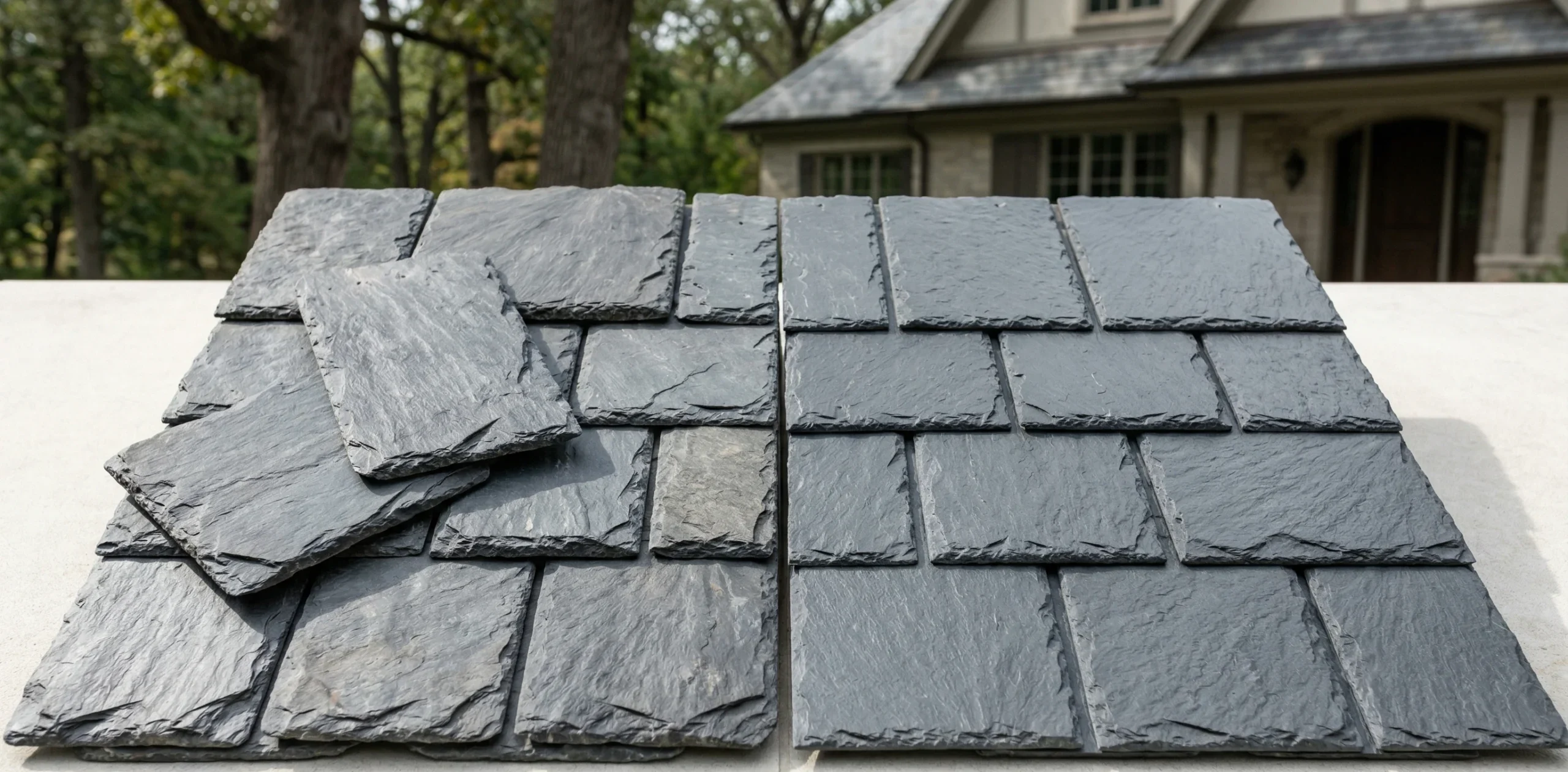
Natural Slate
Timeless elegance and unmatched longevity.
 Skip to content
Timeless elegance and unmatched longevity.
Rustic warmth with natural insulation.
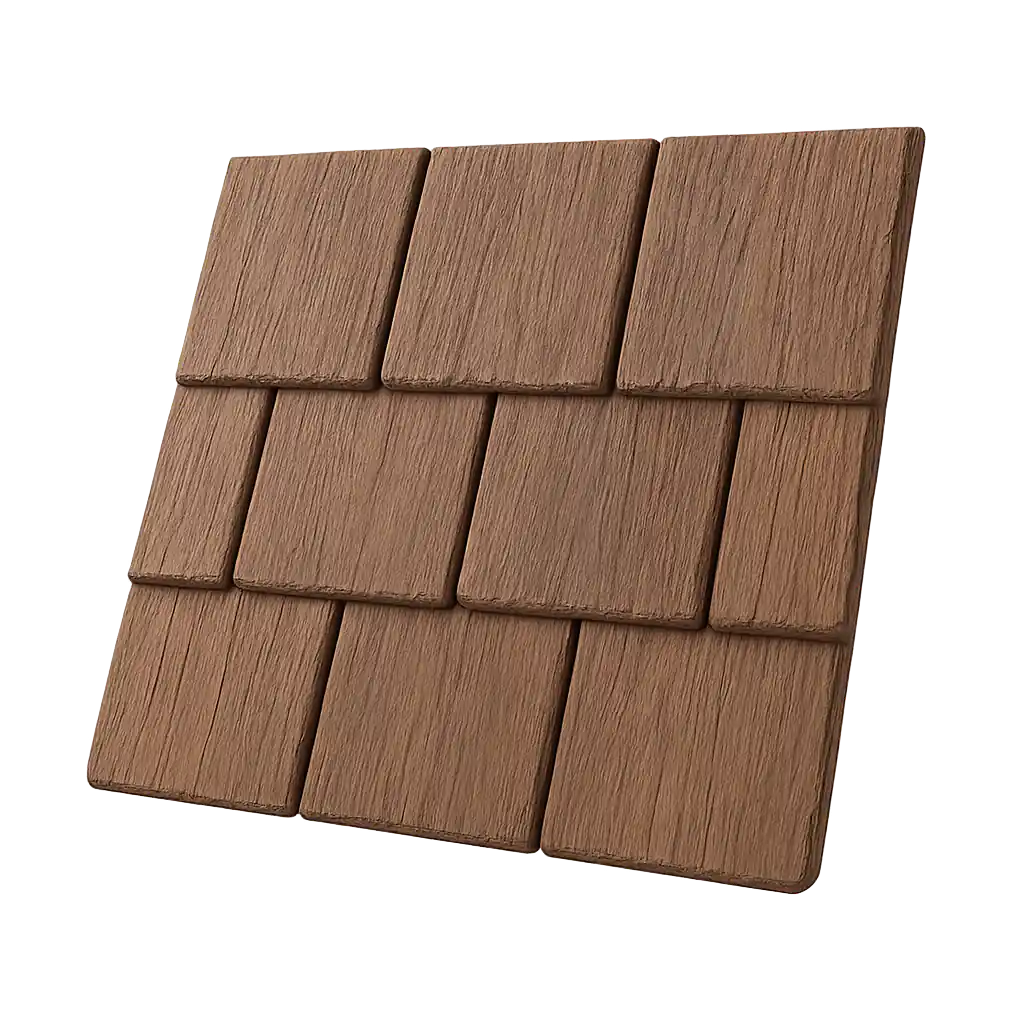
Slate & shake looks, modern performance.
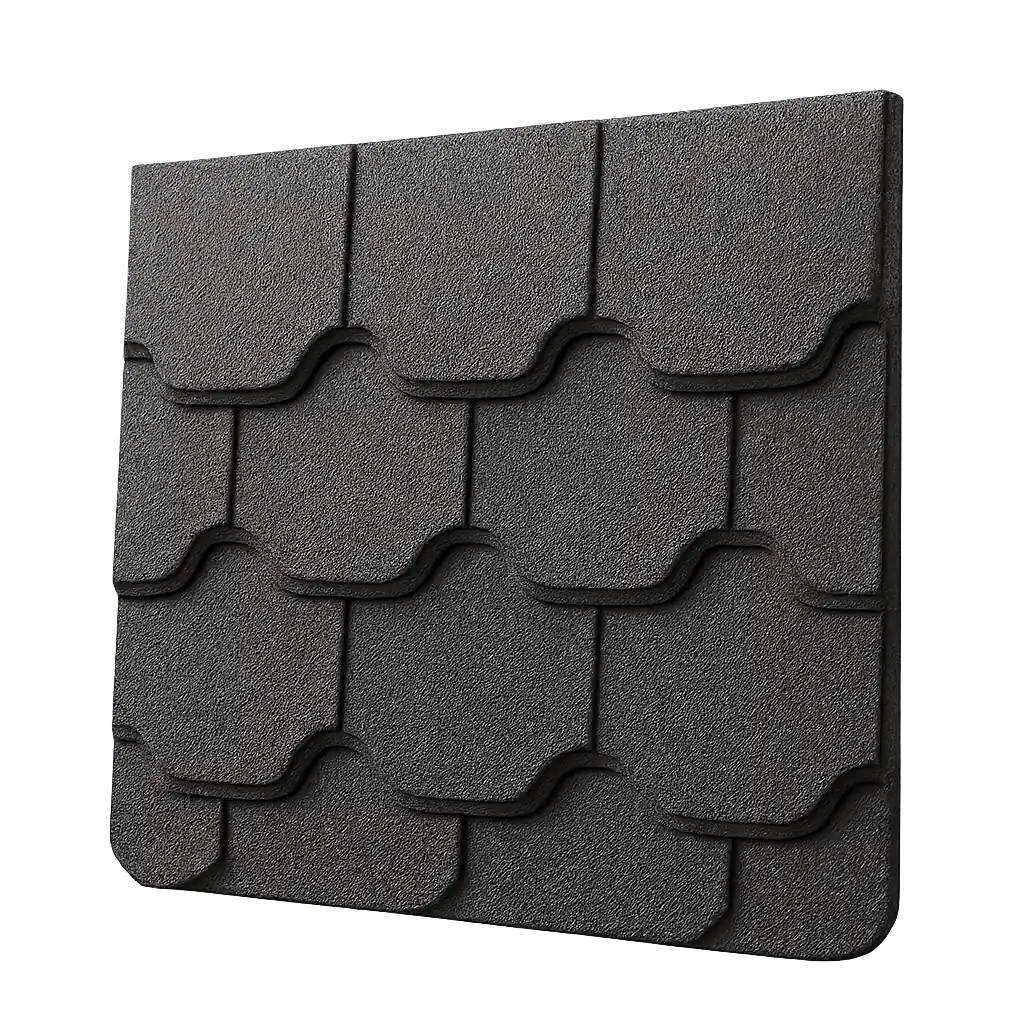
Architectural shingles with slate-like appeal.
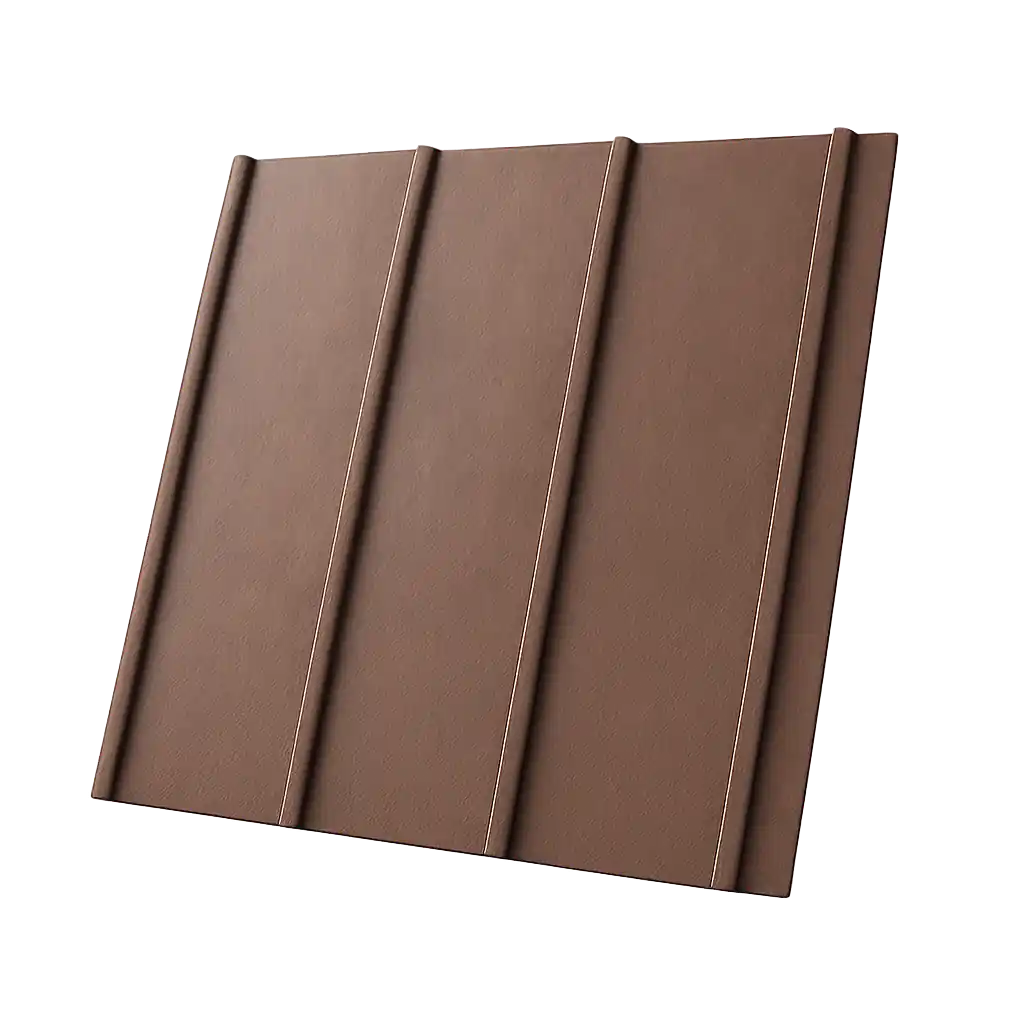
Energy-efficient, modern, and long-lasting.
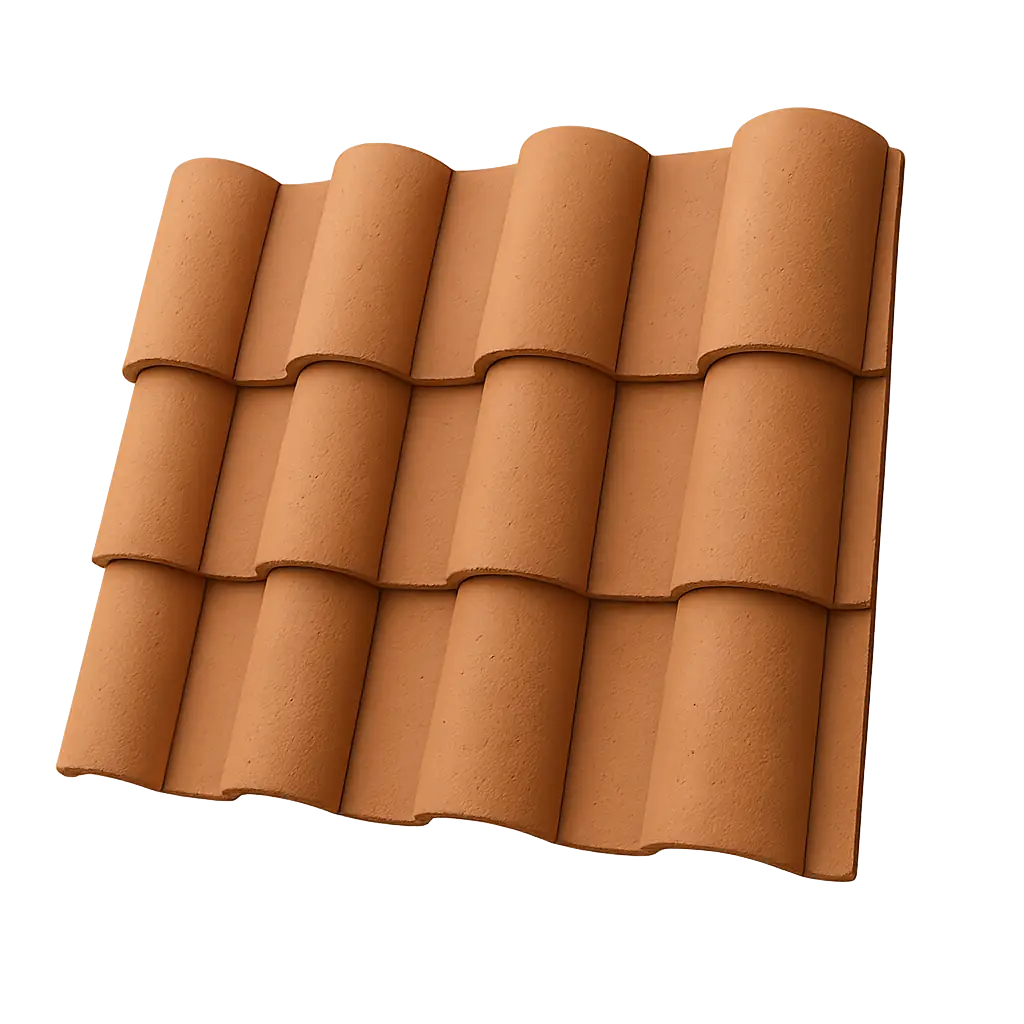
Mediterranean beauty, natural fire resistance.
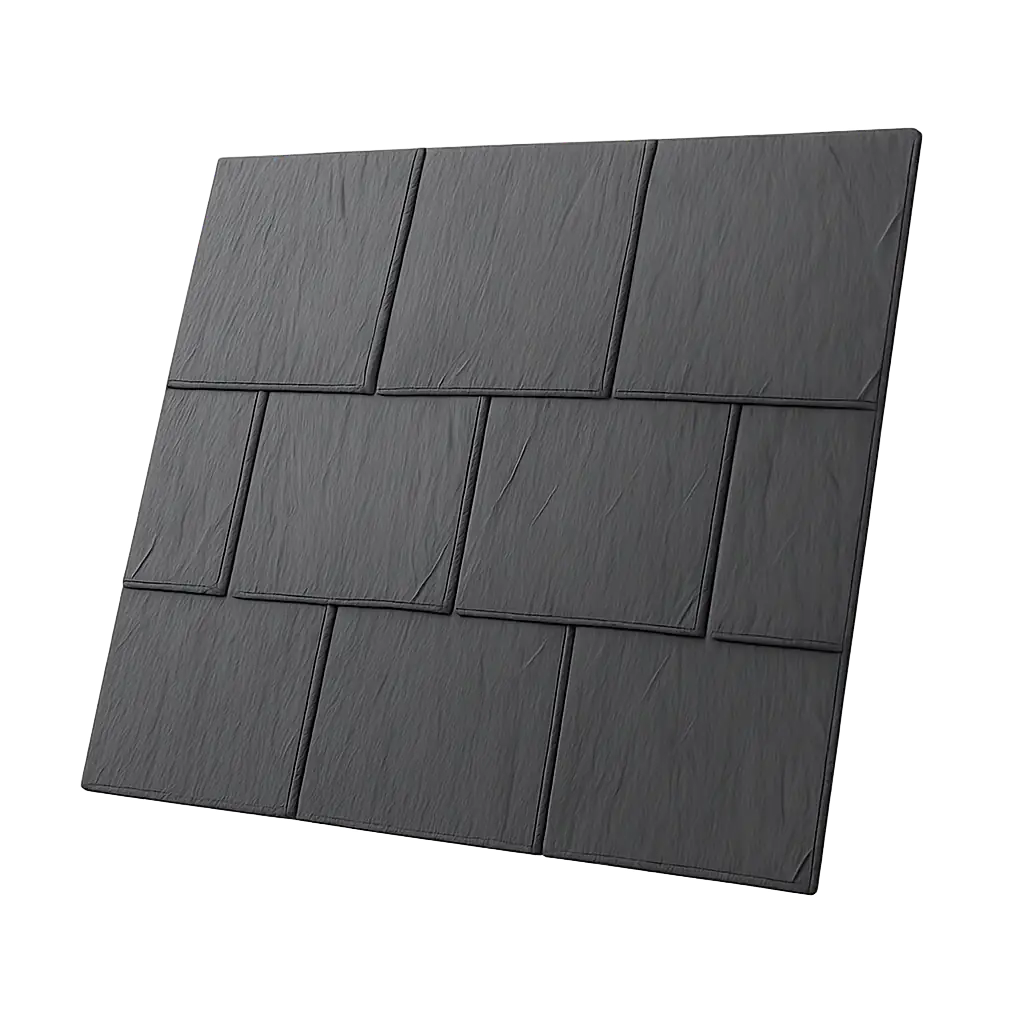
Lightweight durability with classic charm.
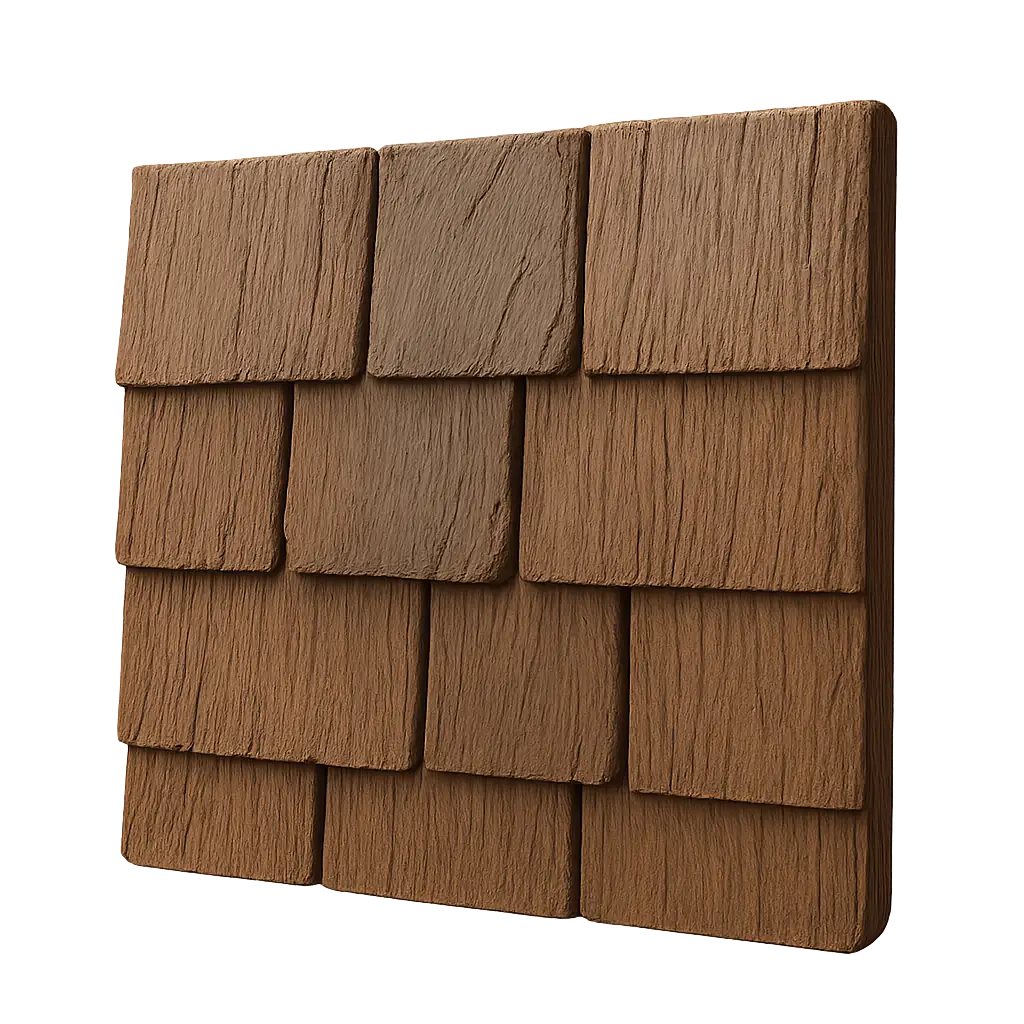
Wood shake appearance, no rot or warping.

The gold standard for low-slope protection.
Eco-friendly composites with authentic detail
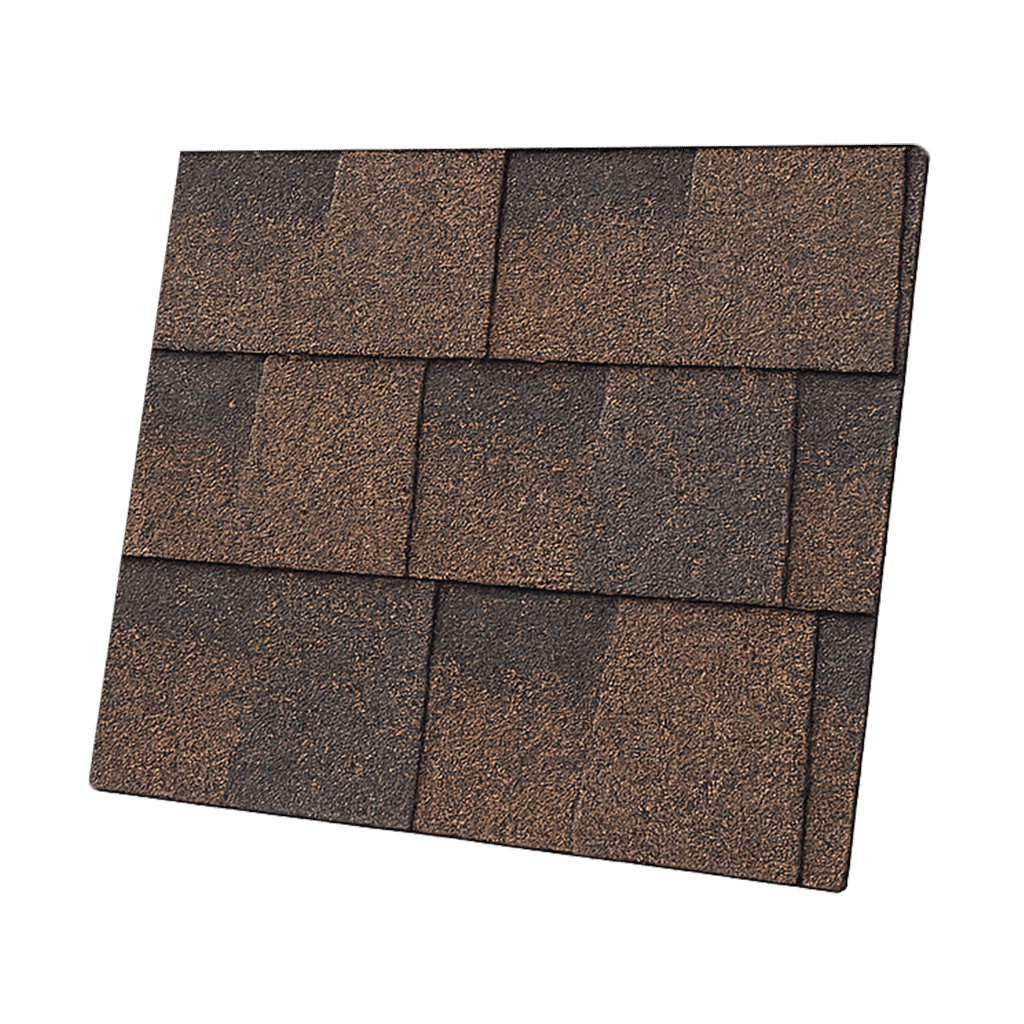
Classic layered look, durable protection.
Share
If you’re hiring a roofing contractor in Illinois, here’s something that might surprise you: the state doesn’t require roofers to hold a license.
No exam. No state board. No mandatory credential that separates a company with 30 years of experience from someone who bought a truck last Tuesday.
That’s not a gap in the system. That is the system. And if you’re about to spend $40,000 or more on a luxury roof replacement, it’s worth understanding exactly what that means for you.
Most states regulate roofing contractors through a licensing board. Contractors take exams, prove experience, and maintain a valid license. Illinois takes a different approach.
At the state level, there is no roofing license. There is no roofing board. There is no exam.
What does exist:
That’s it. The barrier to entry for calling yourself a roofing contractor in Illinois is essentially a business card and a phone number.
If you’re installing a basic three-tab asphalt shingle roof, the margin for error is smaller. The materials are forgiving. The installation process is relatively straightforward.
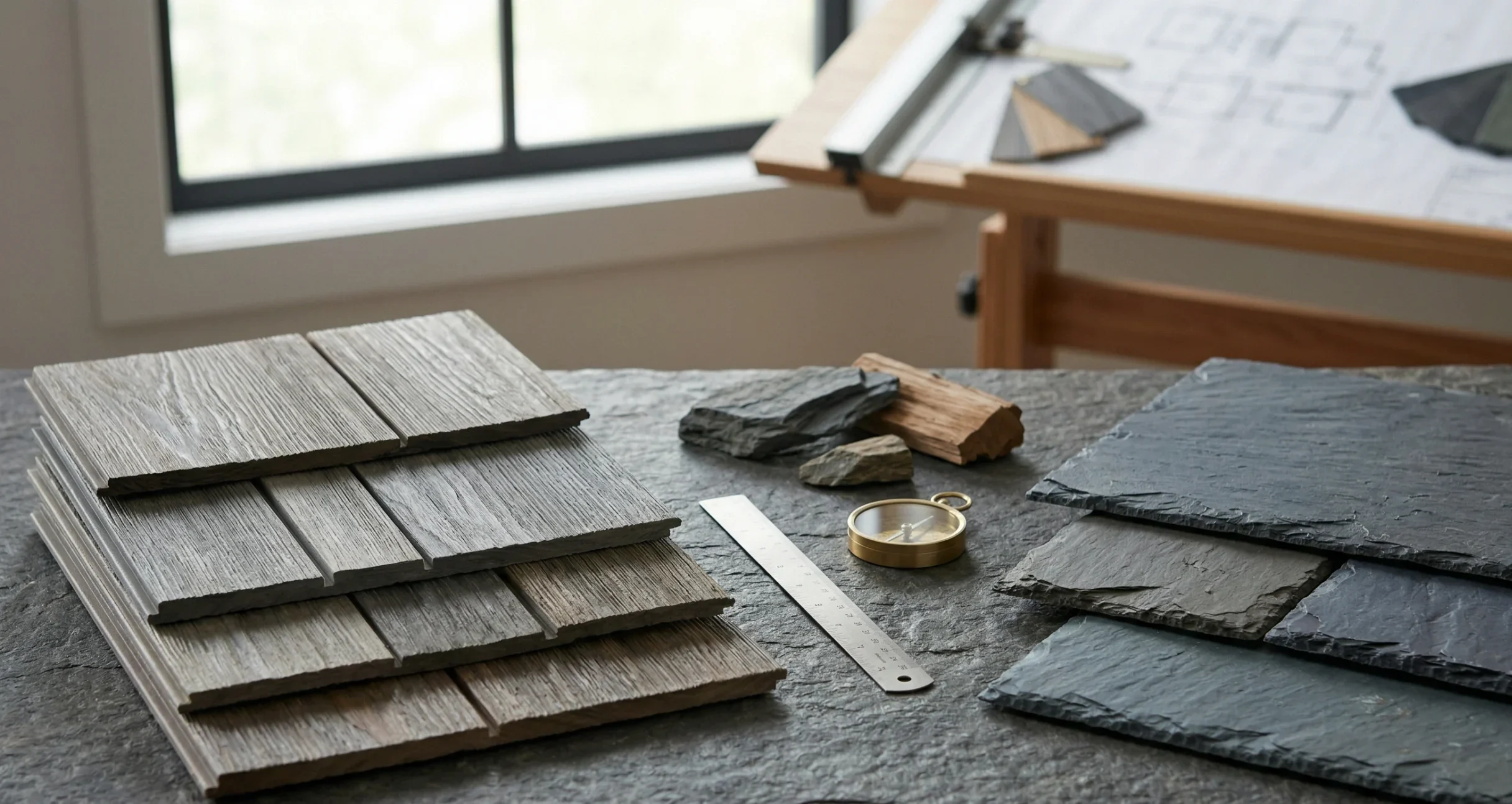
Premium roofing is a different situation entirely. Materials like natural slate, DaVinci synthetic shake, standing seam metal, and copper systems each have specific installation requirements. Get them wrong and you’re looking at premature failure, voided warranties, or water damage that costs more than the roof itself.
Manufacturer certifications exist for exactly this reason. Companies like CertainTeed, DaVinci, and Brava run training programs and certify installers who demonstrate competency with their products. But here’s the catch: those certifications are voluntary. No one is required to get them before installing these products on your home.
So a contractor can sell you a $70,000 DaVinci synthetic slate roof without ever having attended a DaVinci training session. There’s no law preventing it.
Since you can’t look up a roofing license (because it doesn’t exist), you need to verify other things. Here’s what actually matters:
Ask for a Certificate of Insurance (COI) and call the insurance company directly to confirm it’s active. You need to see two things: general liability coverage and workers’ compensation coverage. If a contractor doesn’t carry workers’ comp and a crew member gets injured on your property, you could be liable.
Don’t just look at the document. Call the number on it. Fake COIs are more common than most homeowners realize.
If a contractor claims to be a certified installer for a specific brand, verify it. DaVinci, Brava, and CertainTeed all publish lists of certified contractors or will confirm certification by phone. A company that holds these certifications has invested time and training into learning the correct installation methods for that product.
Wolf Development holds certifications from DaVinci, Brava, and CertainTeed because proper installation is the difference between a roof that lasts 50 years and one that fails in 15.
A roofing company with a physical address, a history of completed projects in your area, and a reputation tied to the community is accountable in a way that a fly-by-night operation is not. Storm chasers (contractors who follow severe weather events and go door-to-door) often operate with out-of-state registrations and temporary local presence. They’re gone before the first leak shows up.
Ask directly: “Are the people on my roof your employees, or are they subcontracted?” This matters because subcontracted crews may have no direct relationship with the company that sold you the job. Training, quality standards, and accountability can break down when the people doing the work aren’t employed by the company you hired.
Ask the contractor if they pull permits for their projects. Then call your municipality to confirm. A contractor who skips permits is cutting a corner that exists to protect you. Municipal inspections catch problems that a homeowner would never see from the ground.\
Without a license to revoke, there’s no single “check” that disqualifies a bad contractor. Instead, watch for patterns:
No physical office. A P.O. box or a residential address isn’t necessarily a dealbreaker for a small company, but combined with other flags, it’s a signal.
Pressure to sign today. Legitimate contractors don’t need you to commit on the spot. If someone is pushing a “today only” price, they’re relying on urgency rather than quality to close the deal.
Vague estimates. A proper roofing estimate breaks down materials, labor, tear-off, disposal, permits, and any contingency for deck repair. If you’re looking at a single number on a half-page document, you’re not getting enough information to make a decision.
No references in your area. A contractor who has done quality work in Winnetka, Barrington Hills, Hinsdale, or wherever you live should be able to provide names and addresses of past clients nearby. If they can’t, ask why.
Cash-only requests. Any contractor who insists on cash payment, or who offers a steep discount for cash, is raising a flag you shouldn’t ignore.
Some municipalities in the Chicago suburbs have stronger contractor oversight than others. If your village or city requires contractor registration, that’s at least a baseline filter. But for the towns that don’t, the responsibility falls on you.
The good news: homeowners who take 30 minutes to verify insurance, check certifications, and ask the right questions eliminate most of the risk. The bad actors in this industry rely on homeowners who don’t ask questions. The moment you start asking, they usually move on to someone who won’t.
If you’re starting the process of choosing a contractor for a residential roof replacement, use the checklist above before you compare prices. The cheapest estimate means nothing if the company behind it can’t prove they’re insured, trained, and accountable.
Illinois doesn’t license roofers. That’s unlikely to change anytime soon. So the vetting process is yours to own. Check insurance. Verify certifications. Confirm permits. Ask who’s actually doing the work. Visit past projects if you can.
The contractors who invest in training, carry proper insurance, and build long-term reputations in their communities are the ones who welcome these questions. The ones who don’t are the reason the questions matter in the first place.
Ready to ask us the hard questions? Request a consultation and we’ll bring the answers.
Timeless elegance and unmatched longevity.
Rustic warmth with natural insulation.
Slate & shake looks, modern performance.
Architectural shingles with slate-like appeal.
Energy-efficient, modern, and long-lasting.
Mediterranean beauty, natural fire resistance.
Lightweight durability with classic charm.
Wood shake appearance, no rot or warping.
The gold standard for low-slope protection.
Eco-friendly composites with authentic detail
Classic layered look, durable protection.