Natural Slate
Timeless elegance and unmatched longevity.
 Skip to content
Timeless elegance and unmatched longevity.

Rustic warmth with natural insulation.
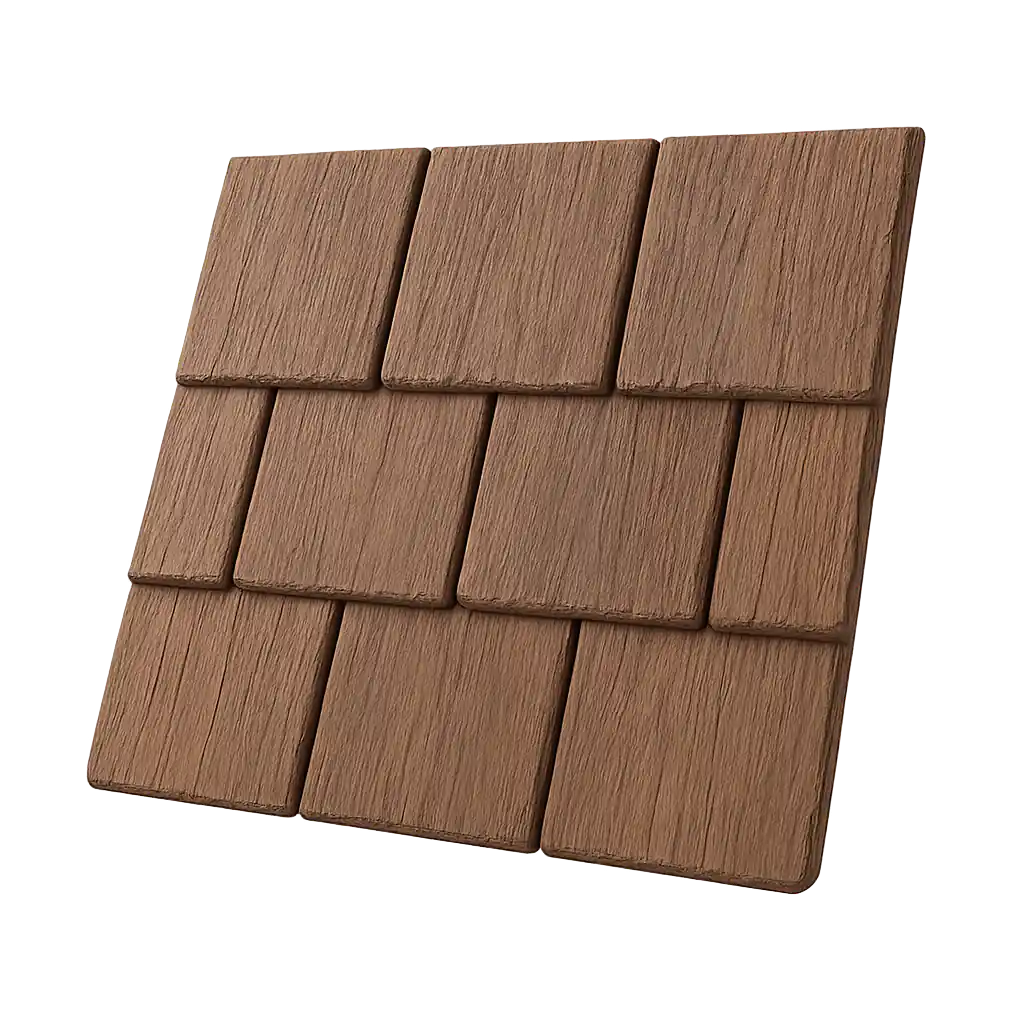
Slate & shake looks, modern performance.
Architectural shingles with slate-like appeal.
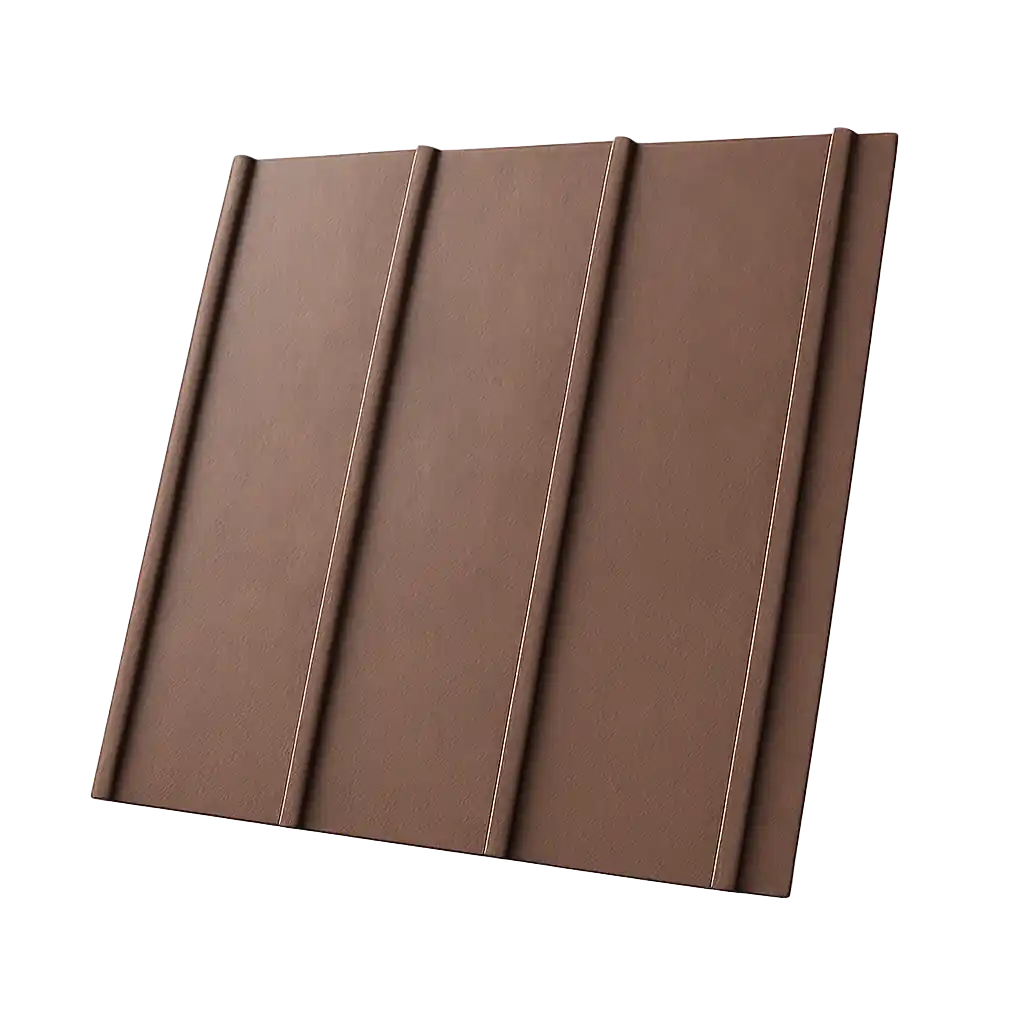
Energy-efficient, modern, and long-lasting.
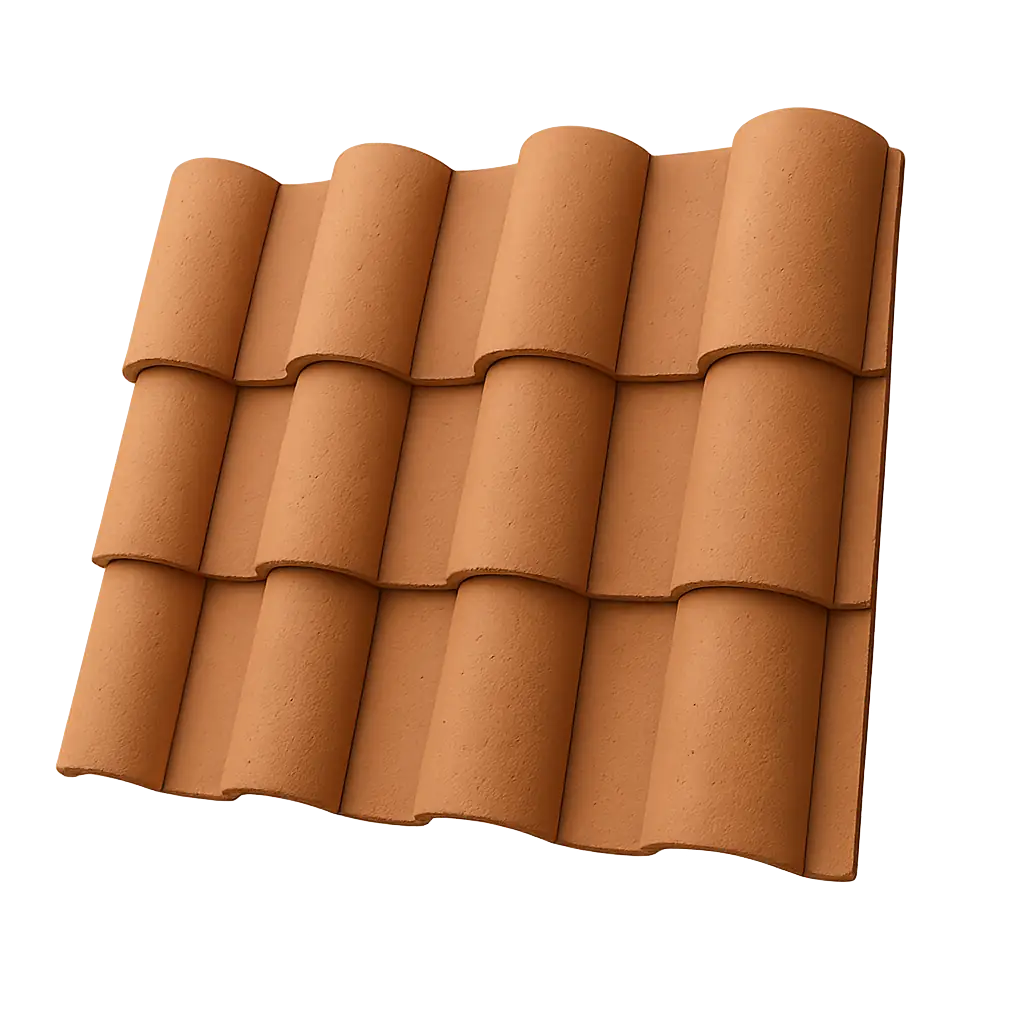
Mediterranean beauty, natural fire resistance.
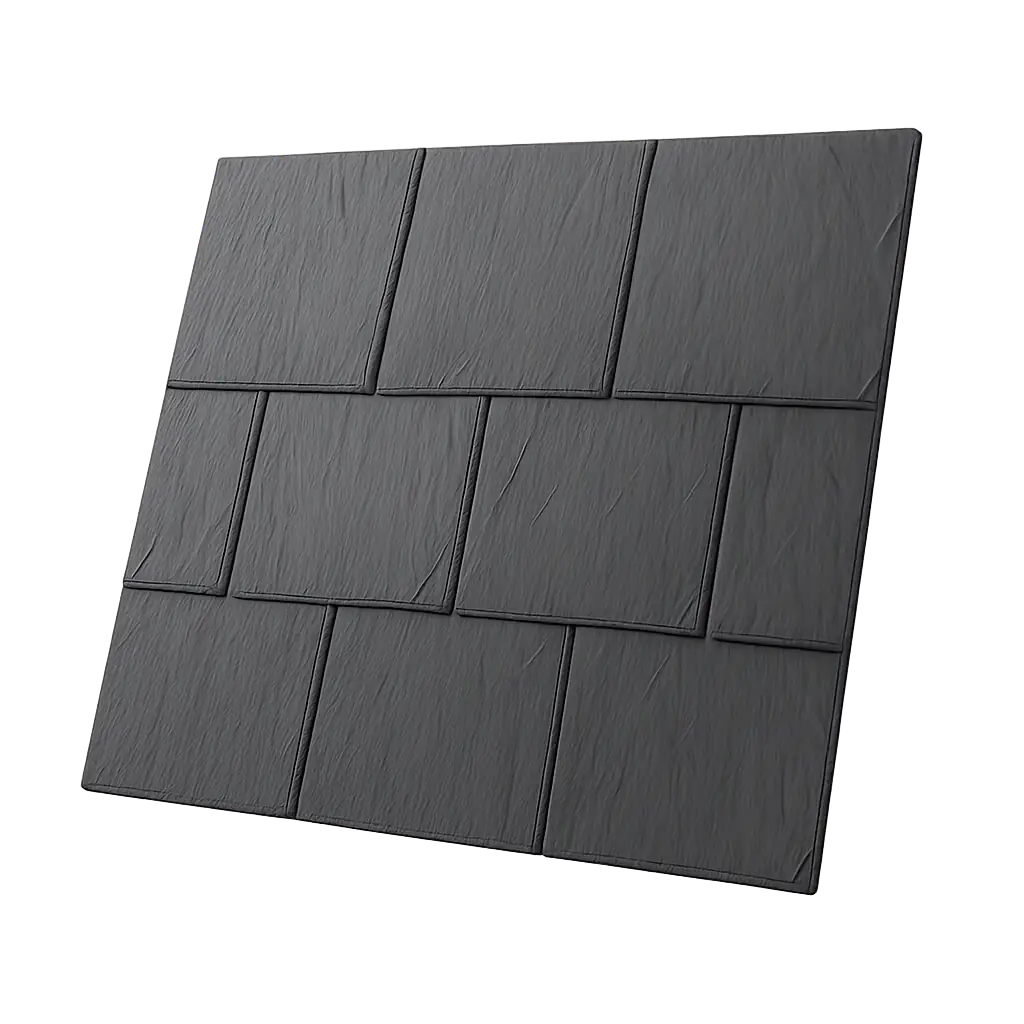
Lightweight durability with classic charm.
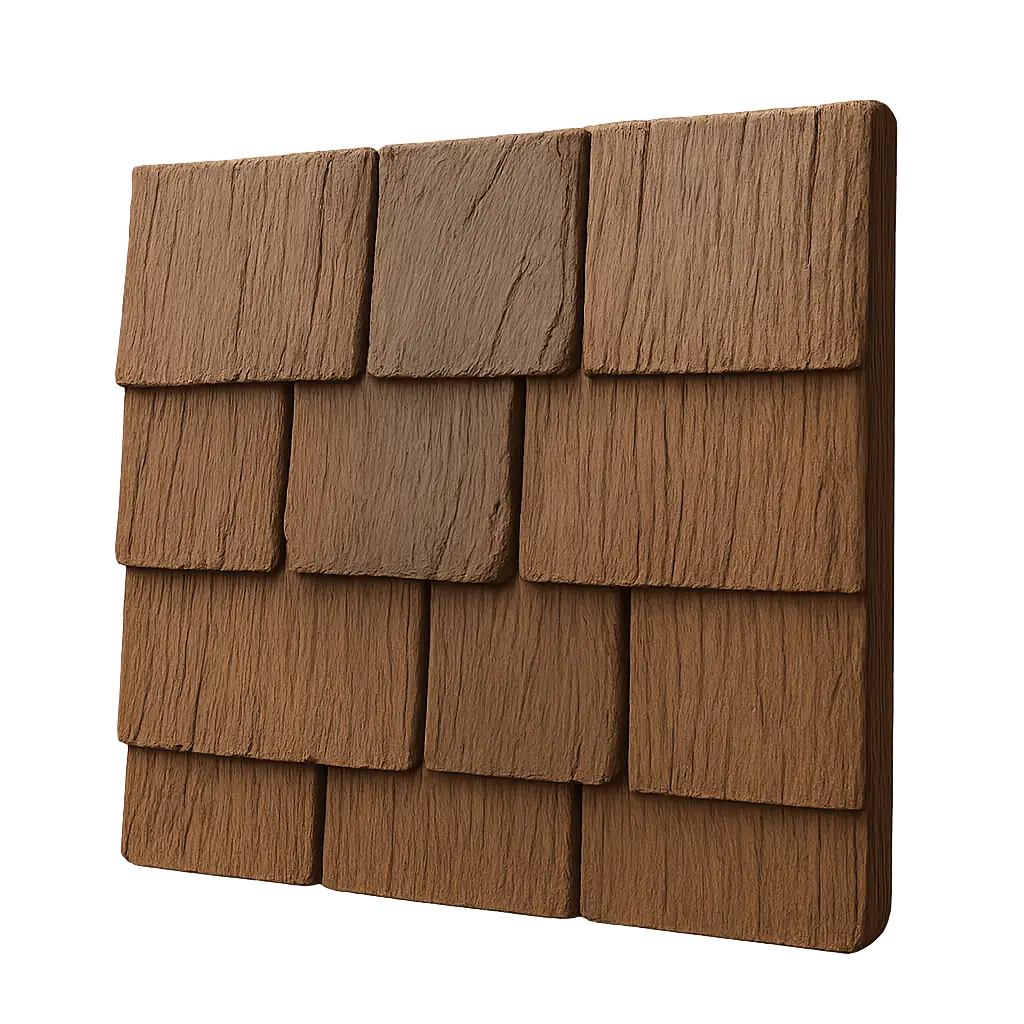
Wood shake appearance, no rot or warping.

The gold standard for low-slope protection.

Eco-friendly composites with authentic detail

Classic layered look, durable protection.
Share

Most roofing product reviews are written the week after installation. Everything is clean, new, and perfect. The homeowner is happy. The photos look great. And none of it tells you anything about how the product will perform a decade later.
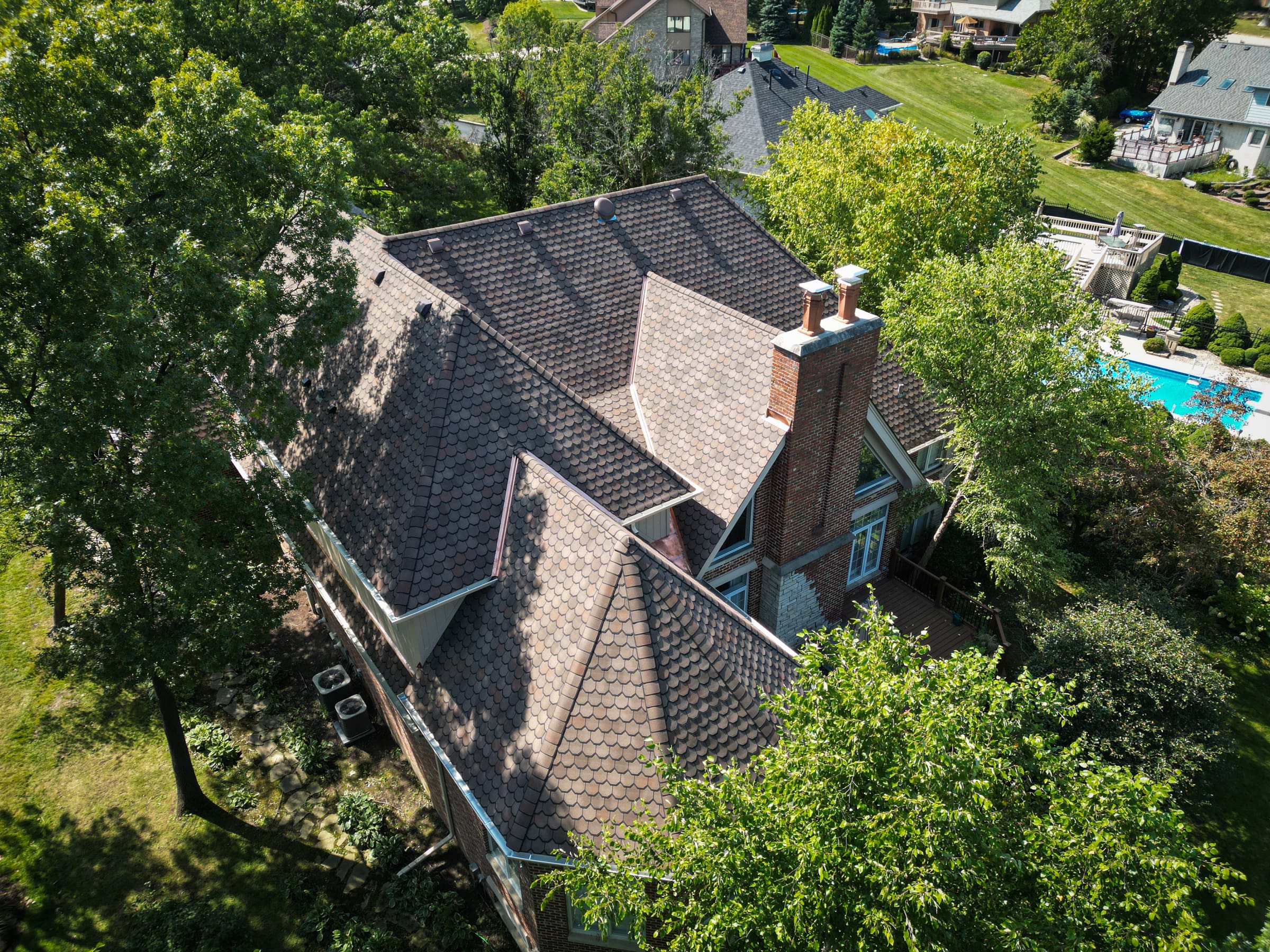
We started installing DaVinci Bellaforte Shake on homes across Chicago’s suburbs years ago. Since then, we’ve had the opportunity to revisit those installations during maintenance calls, neighbor referral estimates, and follow-up inspections. That accumulated field observation is more useful than any spec sheet.
Here’s what we’ve seen.
This was the biggest question mark for homeowners when synthetic shake was relatively new. Cedar changes color naturally over time, developing a silver-gray patina that many people associate with character. Would a synthetic product fade, yellow, or develop an obviously artificial appearance after years of UV exposure?
Based on what we’ve observed across our installed base: DaVinci’s color holds up well. The through-color manufacturing process means the pigment runs through the entire tile rather than sitting on the surface. After ten years of Chicago sun (and Chicago cloud cover, which is most of the year), the color shift is minimal.
There is some subtle mellowing over time, which actually works in the product’s favor. A brand-new DaVinci roof can look slightly vivid compared to aged natural wood in the neighborhood. After a few years of weathering, it settles into a tone that blends more naturally with the surrounding homes.
We’ve seen a handful of tiles where individual color tones faded slightly faster than others in the same blend, creating minor variation. This isn’t a defect. It’s within the normal range for any roofing material exposed to differential sun exposure across a complex roofline. Steeper south-facing planes get more UV than shaded north-facing sections, and that shows up over time.
DaVinci Bellaforte Shake carries a Class 4 impact rating, the highest available. In laboratory testing, that means it withstands the impact of a 2-inch steel ball dropped from 20 feet without cracking.
In the field, we’ve seen how that rating translates to real weather events. After hailstorms that damaged asphalt shingle roofs and dented standing seam metal on nearby homes, the DaVinci installations we’ve inspected showed no cracking, splitting, or visible impact marks.
We did observe one case where a large tree limb fell on a DaVinci roof during a severe thunderstorm. Two tiles cracked at the point of impact, which is expected under that kind of direct load. The tiles were replaced individually without disturbing the surrounding installation. The repair took less than an hour.
For comparison, the same impact on a natural slate roof would likely have broken multiple tiles, and sourcing matching replacement slate would have taken weeks.
This is the test that matters most in our climate. Chicago puts roofing materials through dozens of freeze-thaw cycles every winter. Water gets under and around tiles, freezes, expands, and contracts. Over years, this cycle destroys materials that absorb moisture.
DaVinci’s polymer composition resists moisture absorption, which means the freeze-thaw cycle has less material to work with. On the installations we’ve revisited, we’ve seen no freeze-thaw related cracking, warping, or delamination. The tiles sit the same way they did at installation, with no movement, lifting, or buckling at the interlocks.
This is a meaningful advantage over natural cedar shake, which absorbs moisture and is directly vulnerable to freeze-thaw damage. It’s also an advantage over some lower-grade synthetic products that use different polymer formulations with higher moisture absorption rates.
Over time, roofing tiles can shift, lift, or loosen as the fasteners work through expansion and contraction cycles. This is common with asphalt shingles (nail pops are a regular callback item) and can occur with any fastened roofing product.
On the DaVinci installations we’ve revisited, fastener performance has been solid. We haven’t seen a pattern of nail pops or tile displacement. The interlocking tile system creates a secondary retention mechanism beyond the fasteners, which helps tiles stay positioned even if an individual nail loosens slightly.
One thing we’ve noticed: installations where the contractor followed DaVinci’s published fastener pattern precisely perform better than installations where shortcuts were taken. The manufacturer specifies the nail placement, the angle, and the penetration depth for a reason. When those specs are followed, the system works as designed. When they’re approximated, minor issues can appear over time.
This is one of the reasons manufacturer certification matters. A certified installer has been trained on these details. An uncertified contractor may install a DaVinci roof that looks identical on day one but performs differently at year seven.
Cedar shake and asphalt shingles are both susceptible to moss and algae growth in shaded, moisture-retaining areas. In neighborhoods with mature tree canopy (which describes most of the North Shore), moss growth is a maintenance issue that requires regular attention.
On DaVinci installations in similar environments, we’ve seen minimal moss or algae attachment. The polymer surface doesn’t provide the same organic growth medium that wood does, and water sheds cleanly rather than being absorbed into the tile.
Where we have seen minor algae discoloration (a greenish tint on heavily shaded north-facing sections), it was surface-level and cleaned easily with a garden hose. No chemical treatment was needed, and the algae didn’t damage the tile surface.
Here’s something that doesn’t get enough attention in product reviews: the DaVinci tiles are only one component of the roof system. The underlayment, ice-and-water shield, flashing, and ventilation all play roles in long-term performance.
On our ten-year revisits, every issue we’ve identified has been a system component issue, not a tile issue. A flashing detail that needed resealing. A drip edge that was starting to pull away. A vent boot that had deteriorated. These are normal maintenance items that apply to any roofing system regardless of the primary material.
The tiles themselves have been the most durable part of the assembly. Which is exactly what you want: the most expensive, most difficult-to-replace component should be the one that lasts the longest.
DaVinci has been manufacturing for over 25 years, but many of the installations in our service area are in the 8-to-15-year range. We don’t yet have 25 or 30 years of local field data.
Based on what we’ve seen so far, the areas we’ll monitor going forward include long-term UV exposure on south-facing steep slopes (where exposure is most intense), fastener performance as the underlying deck continues to age, and color consistency across replacement tiles if individual tiles need swapping years apart from the original installation batch.
None of these are current problems. They’re the questions we’ll have better answers to in another decade.
The DaVinci Bellaforte Shake has performed as advertised through a decade of Chicago weather on the projects we’ve installed. Color holds. Impact resistance is real. Freeze-thaw hasn’t been an issue. Maintenance has been minimal compared to the cedar shake roofs these products replaced.
The product isn’t flawless. No roofing material is. But the gap between manufacturer claims and field reality, which is often wide in this industry, is narrow with DaVinci.
If you’re considering DaVinci for your home, the best reference isn’t a spec sheet. It’s a roof that’s been through ten Chicago winters. We can show you several.
Schedule a consultation and we’ll walk you through our installed projects in your area.
Timeless elegance and unmatched longevity.
Rustic warmth with natural insulation.
Slate & shake looks, modern performance.
Architectural shingles with slate-like appeal.
Energy-efficient, modern, and long-lasting.
Mediterranean beauty, natural fire resistance.
Lightweight durability with classic charm.
Wood shake appearance, no rot or warping.
The gold standard for low-slope protection.
Eco-friendly composites with authentic detail
Classic layered look, durable protection.