Natural Slate
Timeless elegance and unmatched longevity.
 Skip to content
Timeless elegance and unmatched longevity.

Rustic warmth with natural insulation.
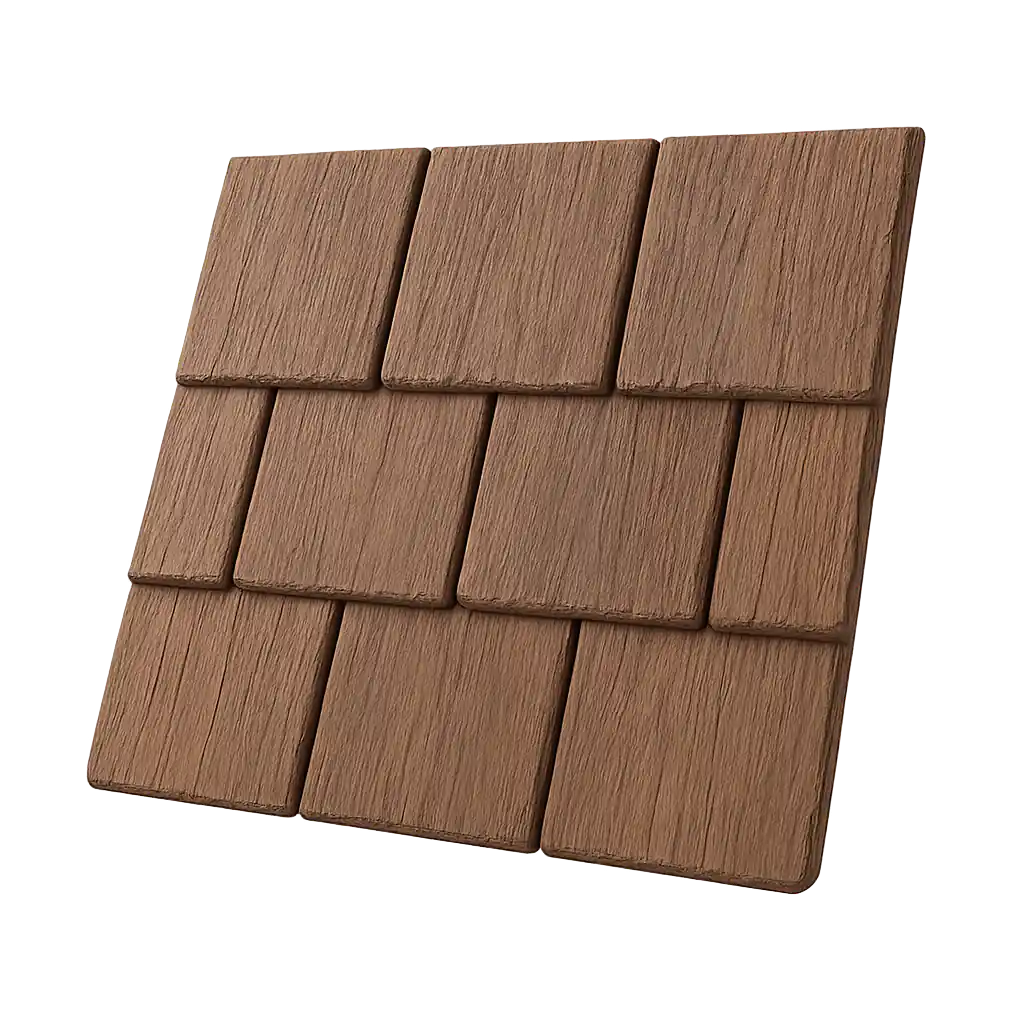
Slate & shake looks, modern performance.
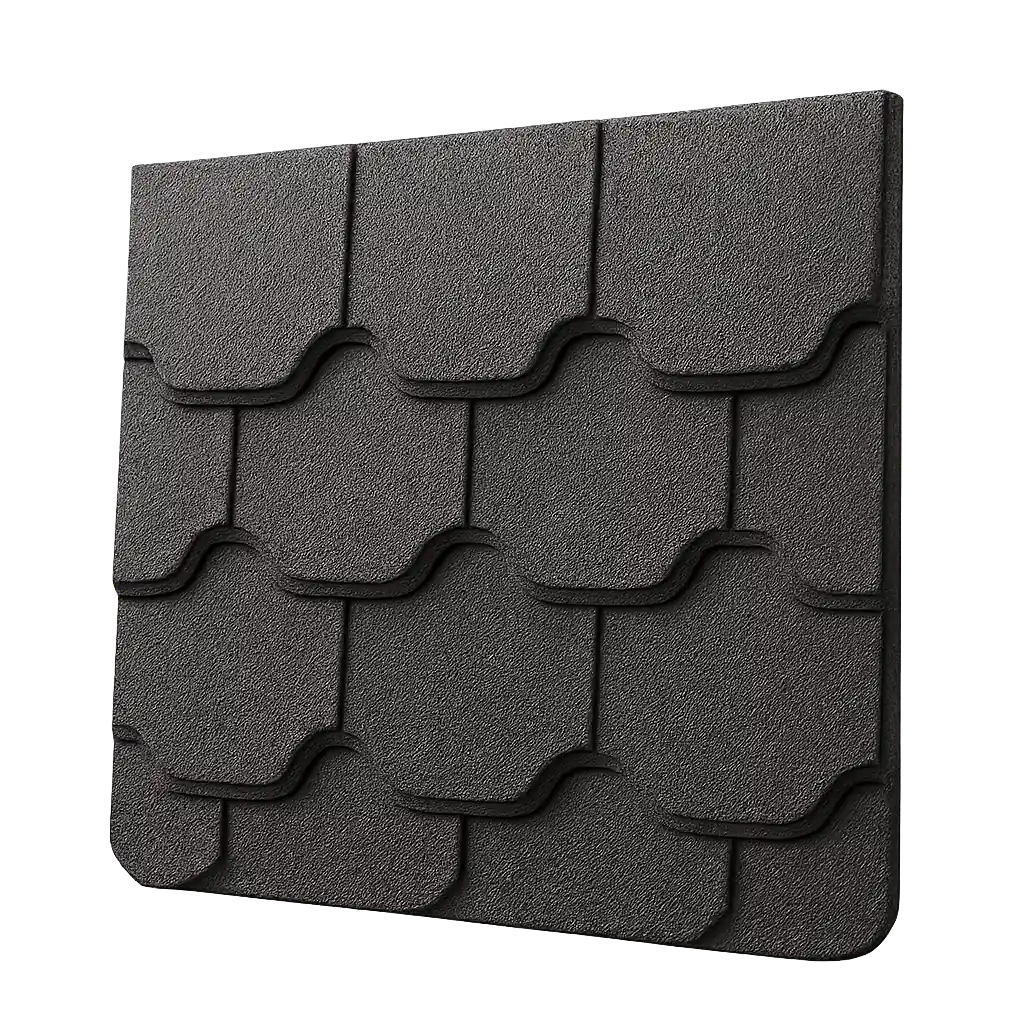
Architectural shingles with slate-like appeal.
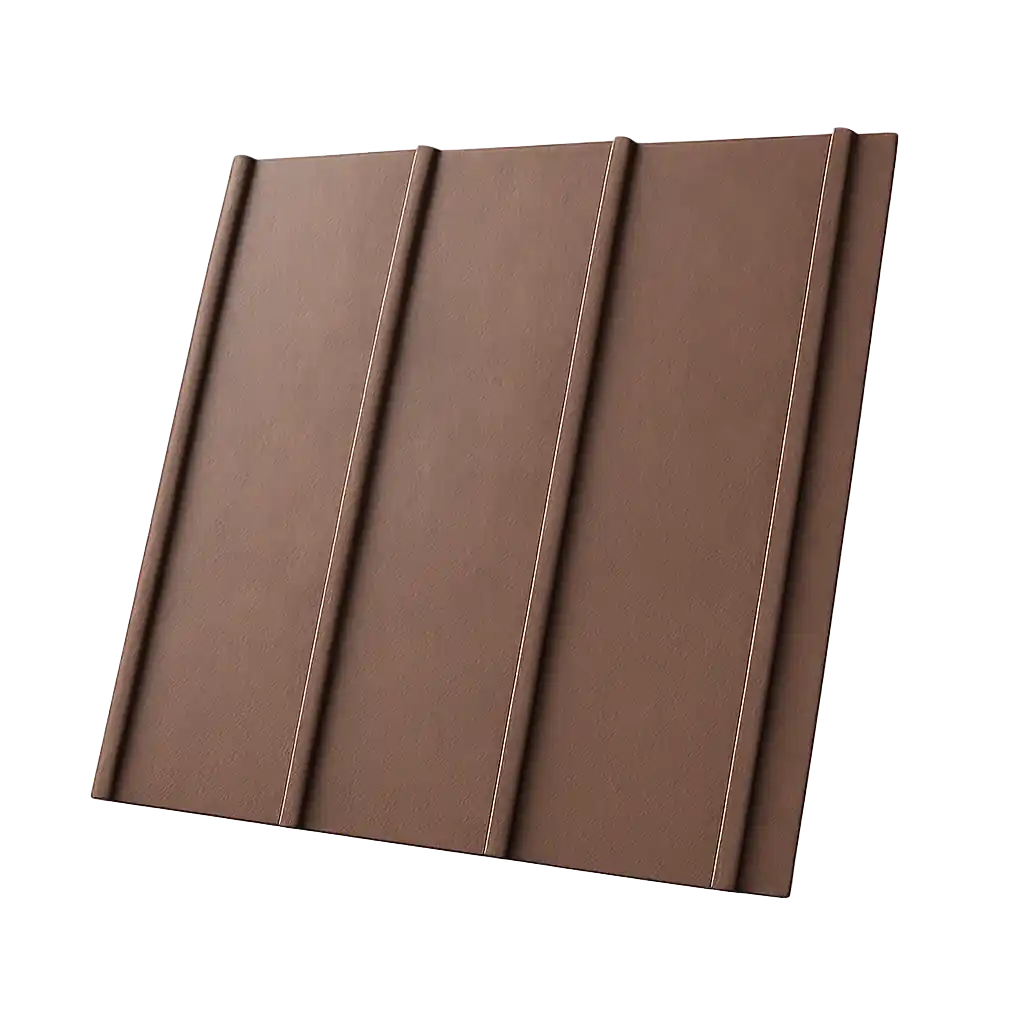
Energy-efficient, modern, and long-lasting.
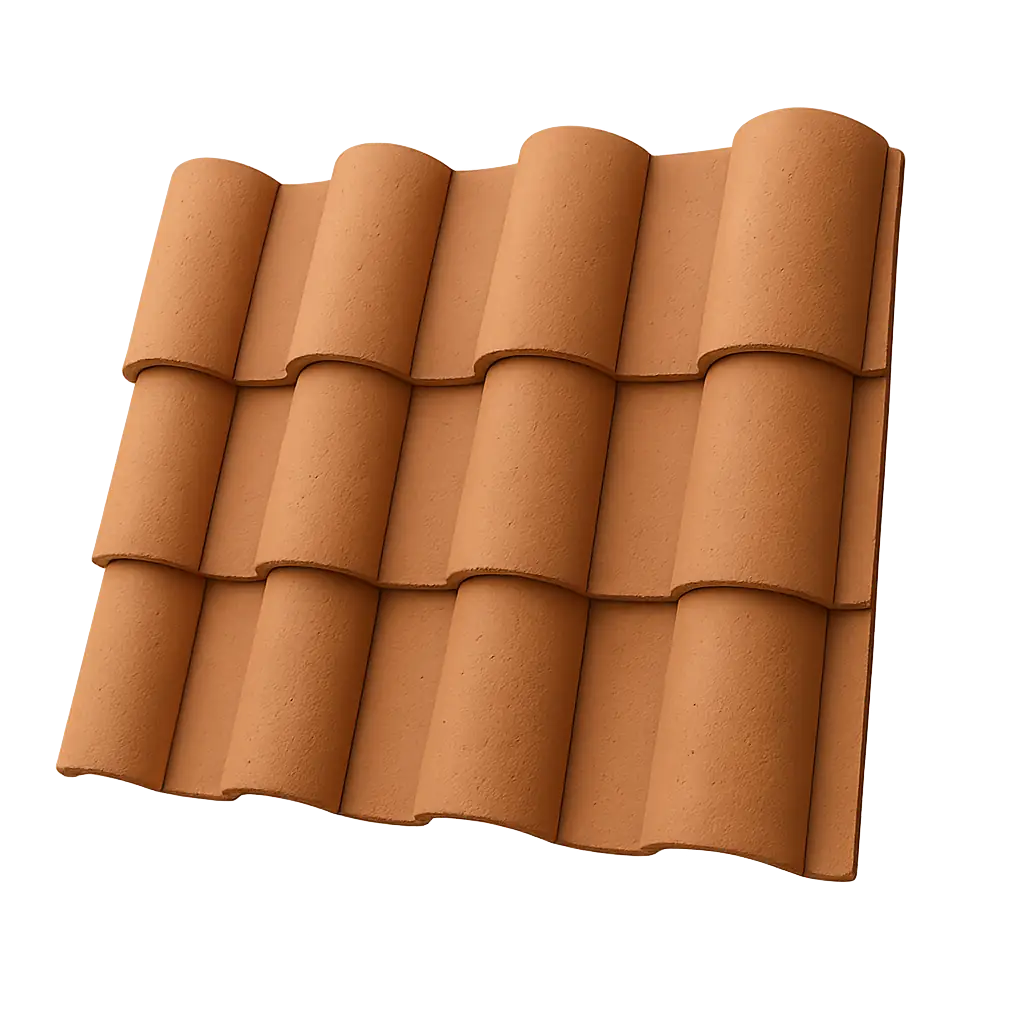
Mediterranean beauty, natural fire resistance.
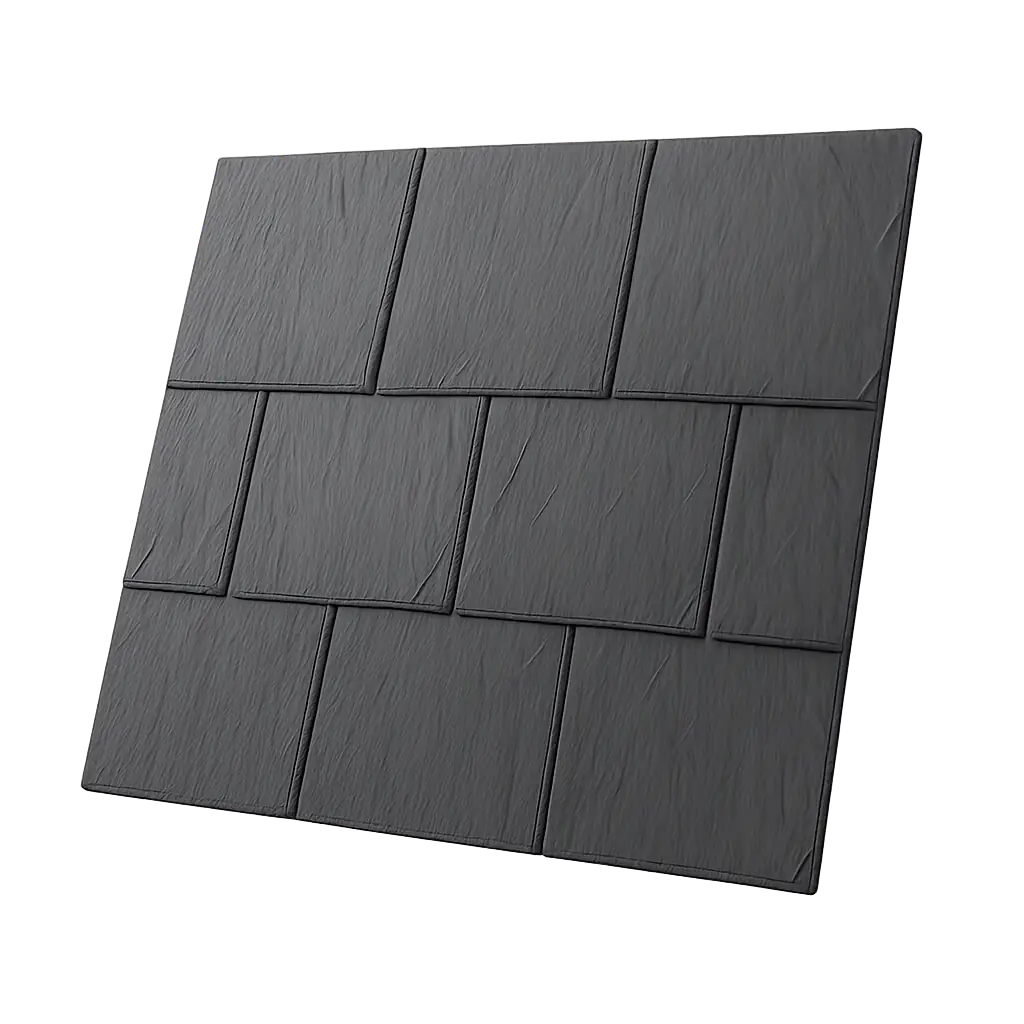
Lightweight durability with classic charm.
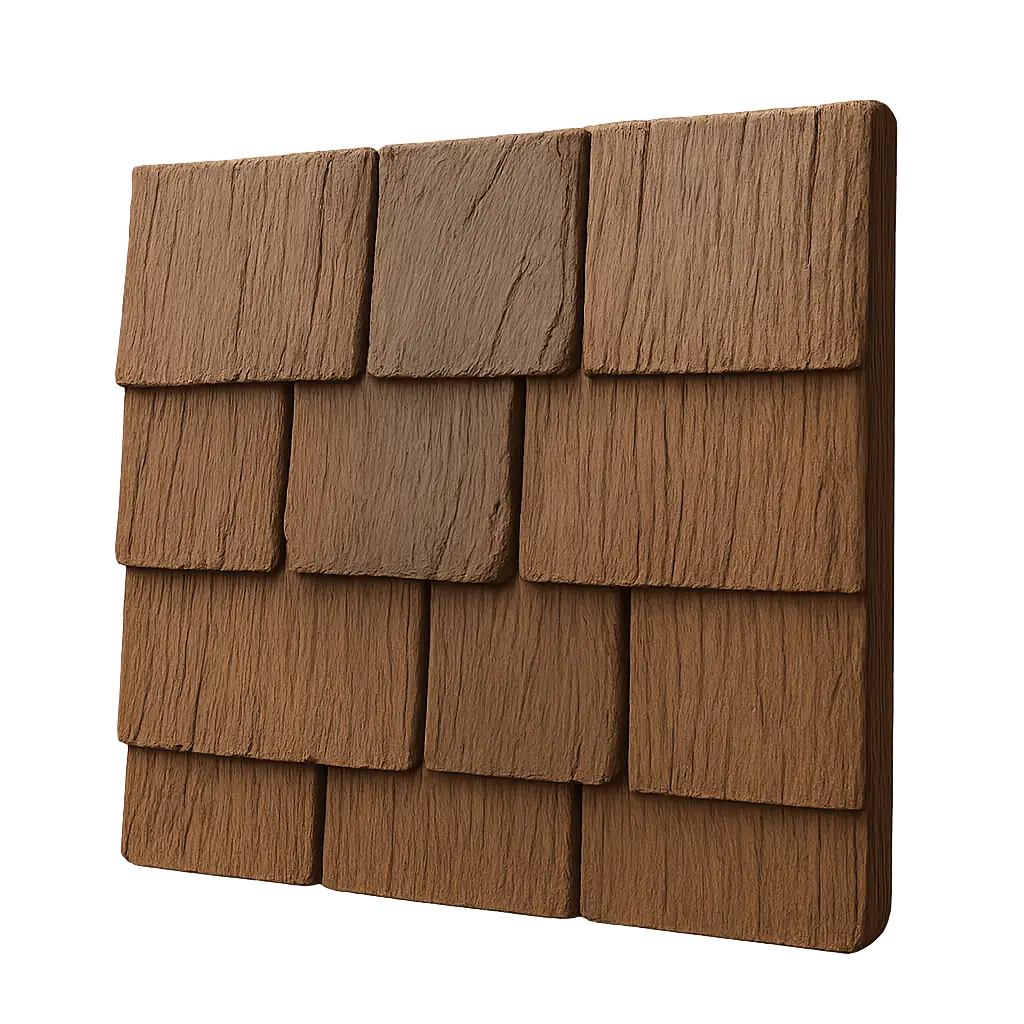
Wood shake appearance, no rot or warping.

The gold standard for low-slope protection.

Eco-friendly composites with authentic detail

Classic layered look, durable protection.
Share

Drive through the affluent suburbs north and west of Chicago and you’ll notice something changing on the rooflines. Homes that wore cedar shake for decades are getting new roofs, and many of them aren’t going back to wood.
Synthetic shake products from manufacturers like DaVinci and Brava are replacing cedar at a pace that would have been difficult to predict ten years ago. The shift is happening fastest in the same communities where cedar shake was once the default choice for any home above a certain price point.
Here’s where it’s happening, why it’s happening, and what it means if you’re facing a roof replacement decision.
The Barrington area has historically been one of the heaviest concentrations of cedar shake roofing in the Chicago suburbs. Large lots, estate-sized homes, and a rural aesthetic made wood shake the natural fit for decades.
That same concentration of aging cedar is now driving a wave of replacements. Many of these homes were built or re-roofed in the late 1980s and 1990s, putting their cedar roofs squarely in the 25-to-35-year range where failure becomes likely.
What’s notable in Barrington Hills and South Barrington is how many homeowners are choosing synthetic shake over a second round of cedar. The aesthetic is nearly identical from the street, but the maintenance burden drops significantly. No more periodic treatments, no more moss remediation, no more worrying about moisture retention through Chicago winters.
The North Shore’s most prestigious zip codes have seen a similar pattern, but for a slightly different reason. In Winnetka and Kenilworth, insurance pressure is accelerating the switch.
Several major homeowner’s insurance carriers have tightened their policies around wood roofing materials. Some have increased premiums for cedar shake. Others have declined to renew policies on homes with aging wood roofs. For homeowners carrying high-value coverage on properties worth $1.5 million and above, those insurance signals carry real financial weight.
Synthetic shake solves the insurance problem while preserving the look that these architecturally sensitive communities expect. A DaVinci Bellaforte Shake in a weathered cedar color blend is virtually indistinguishable from natural wood at ground level.
Western suburban communities like Hinsdale and Burr Ridge are seeing the shift driven more by peer influence than insurance pressure. When one homeowner on a block installs a synthetic shake roof and it looks as good as (or better than) the aging cedar next door, neighbors take notice.
In established subdivisions where homes were built within a few years of each other, roof replacements tend to cluster. One home triggers a conversation. That conversation leads to research. And that research increasingly leads homeowners to synthetic alternatives.
Lake Forest presents an interesting case because the community has strong architectural review standards. Homeowners can’t simply choose any roofing material without considering the neighborhood context and, in some cases, formal architectural review.
Synthetic shake products have gained acceptance in these communities precisely because the visual match to natural wood is close enough to satisfy even strict aesthetic standards. The manufacturers have invested heavily in color blending and texture variation specifically to address this market.
The cedar-to-synthetic conversion isn’t happening because of a single factor. It’s a convergence of several pressures hitting at the same time.
Cedar shake requires regular maintenance to reach its full lifespan potential. That means cleaning, treating with preservatives, replacing split or curled shakes, and monitoring for moss and algae growth. In a climate like Chicago’s, where moisture, freeze-thaw cycles, and summer humidity all take a toll, the maintenance demands are higher than they are in drier regions.
Homeowners who installed cedar 25 years ago and maintained it properly spent thousands of dollars on that upkeep over the life of the roof. They know the true cost. When it’s time to replace, many decide they’d rather spend more upfront on a material that doesn’t require the same ongoing attention.
The insurance industry’s pullback from wood roofing materials has been gradual but steady. It started with outright exclusions for older wood roofs, then moved to premium surcharges, and now includes non-renewal notices for homes with cedar shake past a certain age.
For homeowners who never planned to replace their cedar with anything else, an insurance notice changes the calculation. Suddenly the decision isn’t “cedar vs. synthetic” on aesthetic grounds alone. It’s “keep your coverage or fight with your carrier.”
Early synthetic shake products looked synthetic. The color was too uniform. The texture was too smooth. The profiles were too regular. Homeowners who cared about aesthetics (which is most homeowners in these communities) rejected them.
Current-generation products from DaVinci and Brava have addressed those objections. Multi-width tiles with randomized color blending and textured surfaces create a roofline that reads as natural from the street. The gap between real and synthetic has narrowed to the point where the decision can be made on performance and cost rather than appearance.
The most powerful influence on a roofing decision in an affluent suburb isn’t a brochure or a website. It’s the house three doors down. When a homeowner can walk past a synthetic shake roof every day, see how it weathers, and hear directly from the neighbor about their experience, the product sells itself.
This peer validation effect compounds over time. Each new synthetic installation in a neighborhood makes the next one easier to justify.
This isn’t a eulogy for cedar. Natural wood shake has qualities that synthetic products can approximate but not fully replicate.
The depth and variation of real wood grain is different from engineered texture. Cedar changes color naturally over time in a way that some homeowners find more appealing than the color-stable consistency of synthetics. And there’s a warmth to natural wood roofing that resonates with homeowners who value organic materials.
For homeowners who are willing to commit to the maintenance schedule and comfortable with the insurance landscape, cedar shake remains a legitimate choice. It’s not disappearing because it stopped performing. It’s losing market share because the alternative removed most of the drawbacks while retaining most of the aesthetic.
If you’re replacing a cedar shake roof in the Chicago suburbs, you’re making this decision in a market that has shifted significantly toward synthetics. That shift gives you more options, more local references to check, and more installed examples to evaluate in person.
It also means that contractors in this market have had to develop real expertise with synthetic products. A company that has installed dozens of synthetic shake roofs in your area handles the material differently than one doing their first project.
Whether you stay with cedar or move to synthetic, the decision should be based on your maintenance tolerance, your insurance situation, your aesthetic preferences, and the long-term plan for your home. If you’re planning to stay for 20+ years, the lifecycle cost comparison favors synthetic. If you’re deeply attached to natural materials and willing to maintain them, cedar is still a sound choice.
Want to see synthetic shake in person on homes near you? Schedule a consultation and we can walk you through completed projects in your neighborhood.
Timeless elegance and unmatched longevity.
Rustic warmth with natural insulation.
Slate & shake looks, modern performance.
Architectural shingles with slate-like appeal.
Energy-efficient, modern, and long-lasting.
Mediterranean beauty, natural fire resistance.
Lightweight durability with classic charm.
Wood shake appearance, no rot or warping.
The gold standard for low-slope protection.
Eco-friendly composites with authentic detail
Classic layered look, durable protection.