Natural Slate
Timeless elegance and unmatched longevity.
 Skip to content
Timeless elegance and unmatched longevity.

Rustic warmth with natural insulation.
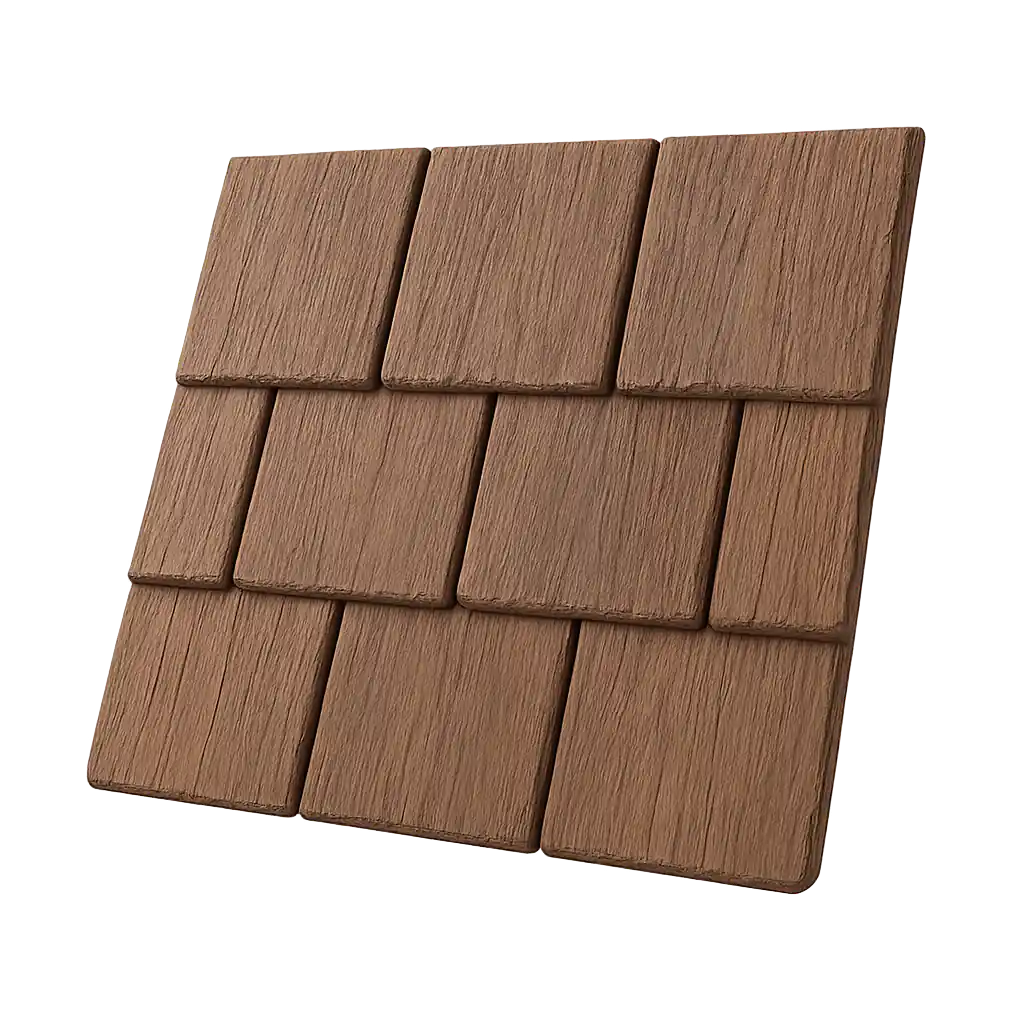
Slate & shake looks, modern performance.
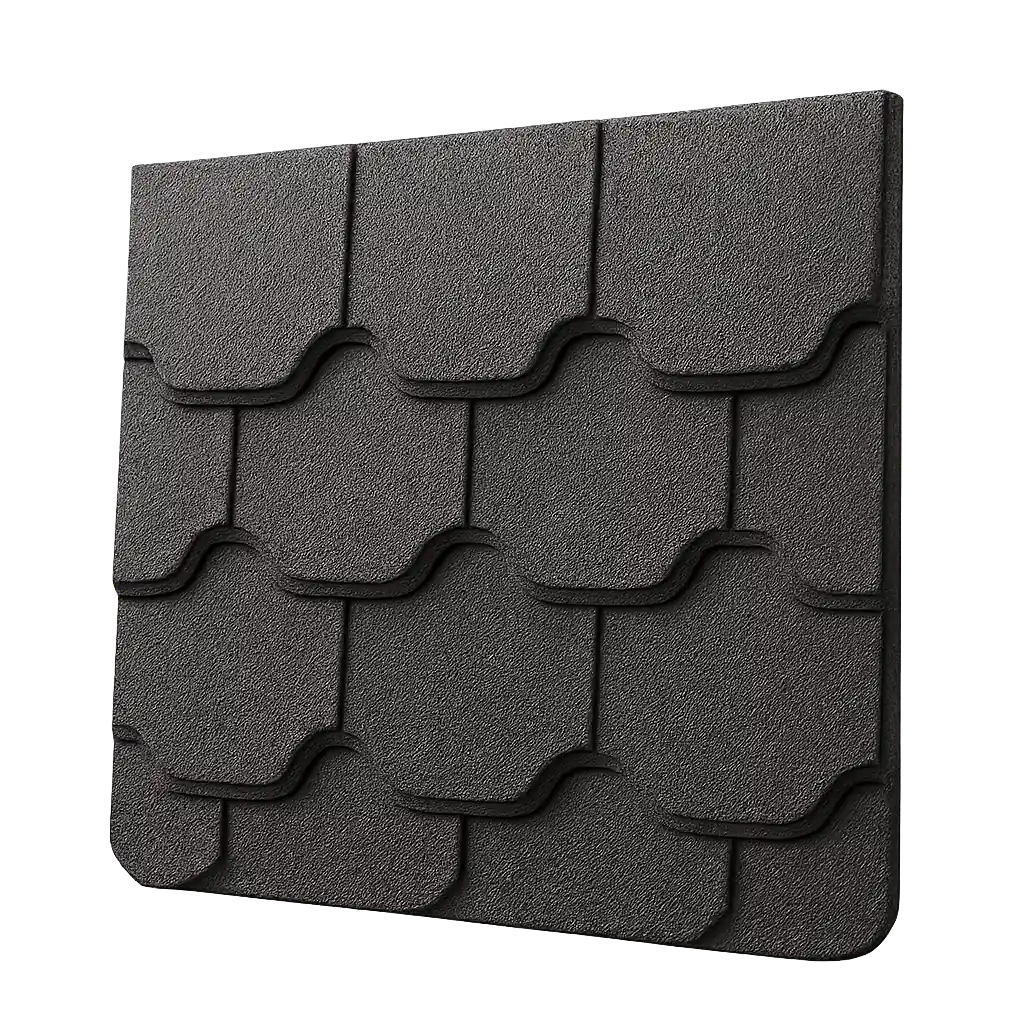
Architectural shingles with slate-like appeal.
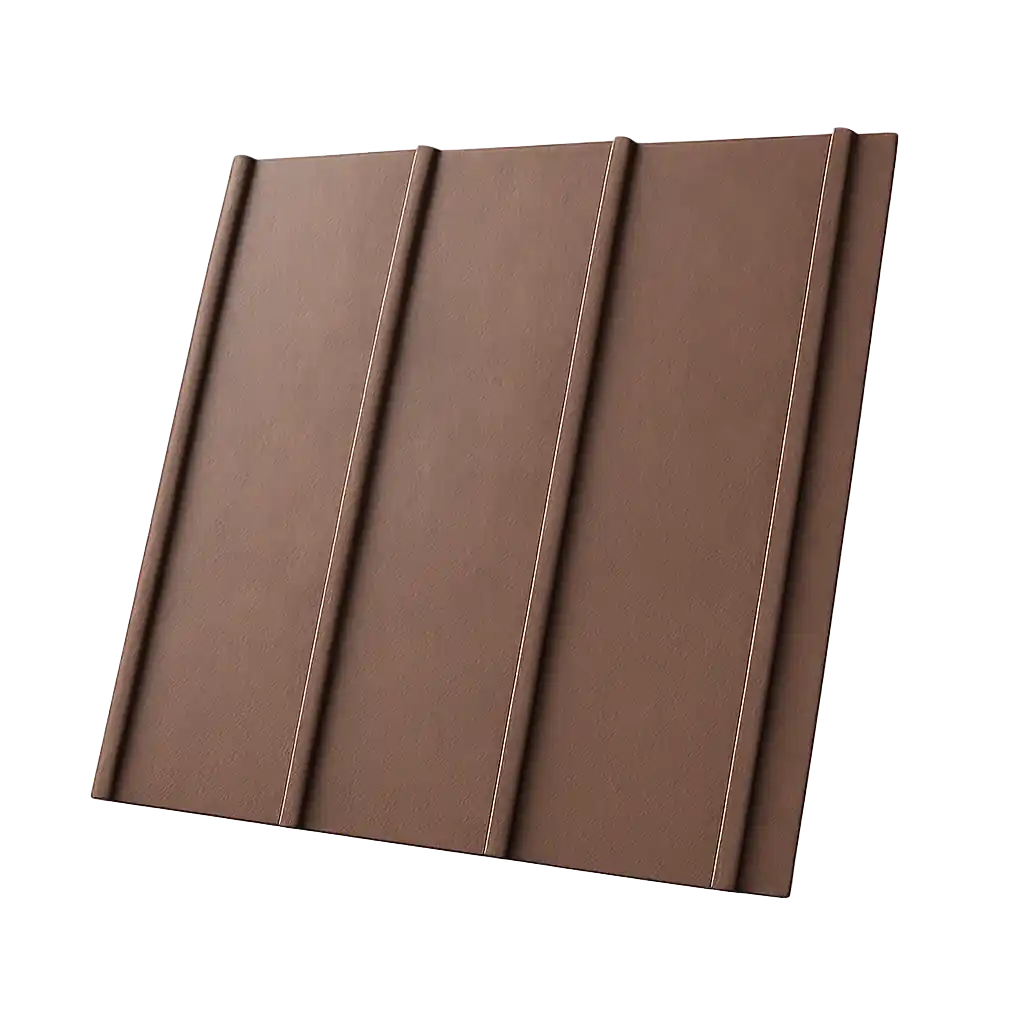
Energy-efficient, modern, and long-lasting.
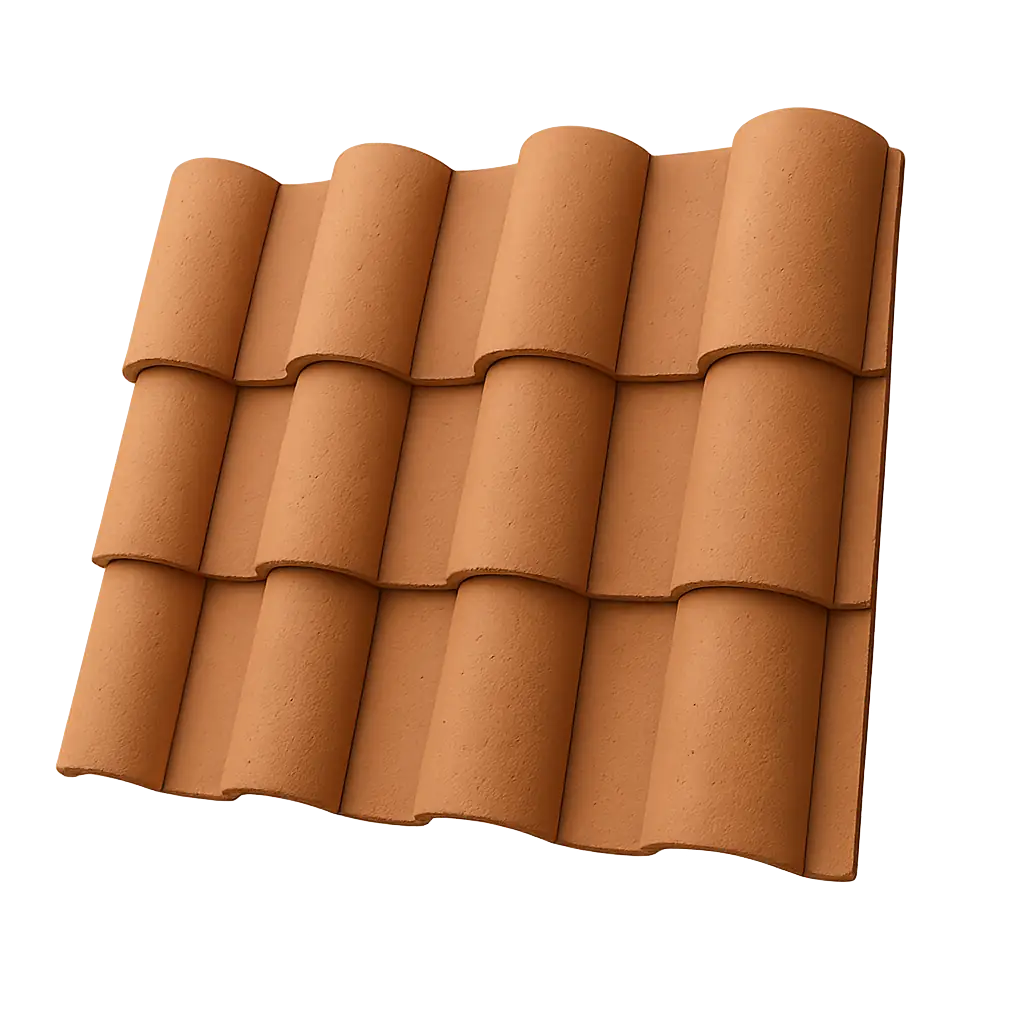
Mediterranean beauty, natural fire resistance.
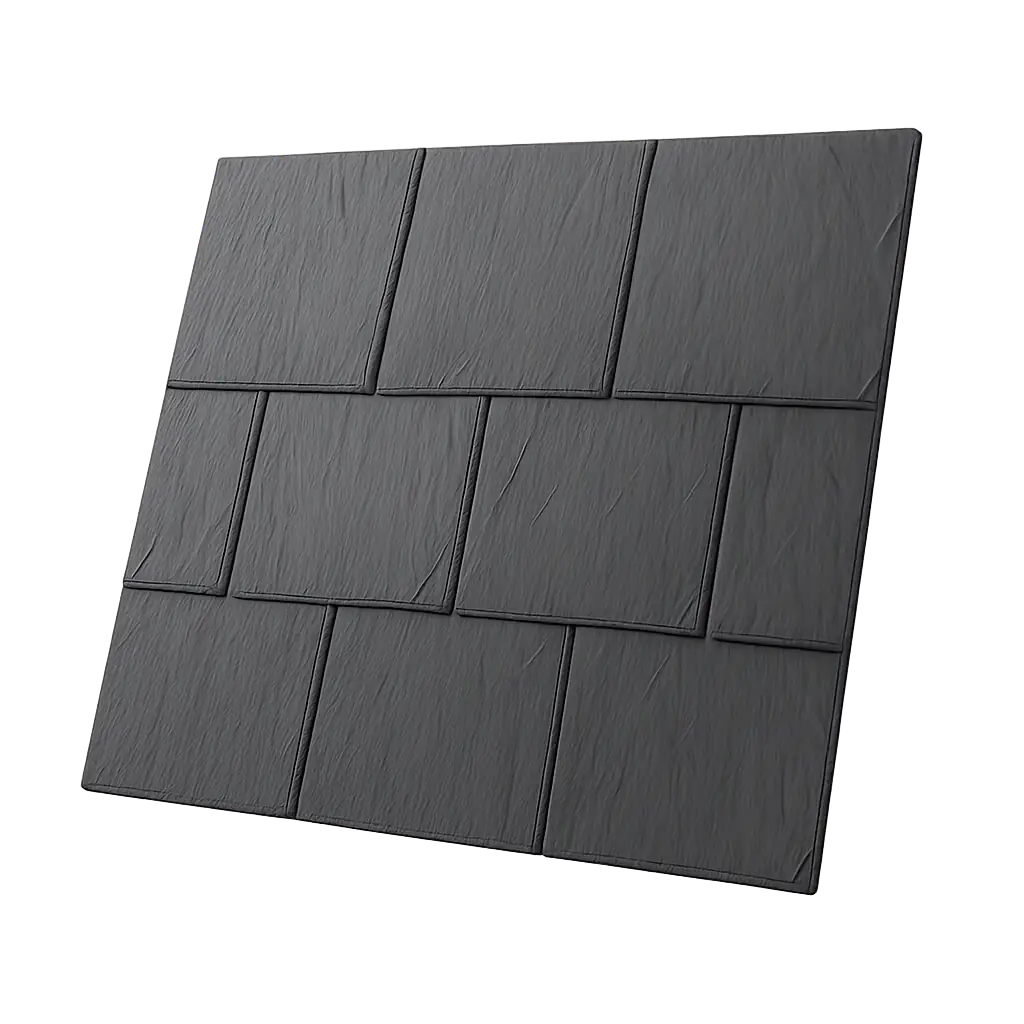
Lightweight durability with classic charm.
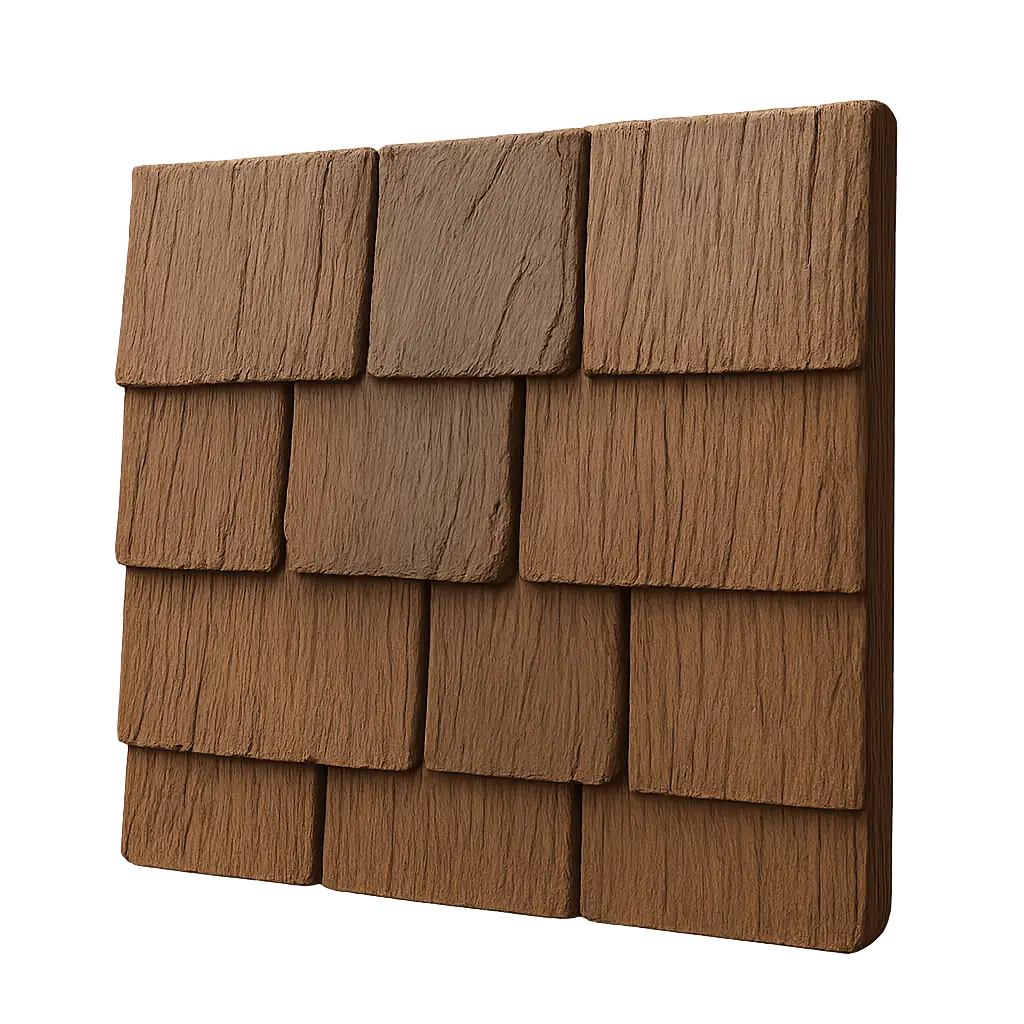
Wood shake appearance, no rot or warping.

The gold standard for low-slope protection.

Eco-friendly composites with authentic detail

Classic layered look, durable protection.
Share

If your home has a natural slate roof, you own one of the most durable roofing systems ever developed. Slate roofs installed a century ago are still performing on homes across the country. The material itself can outlast the building it sits on.
But “the material lasts forever” doesn’t mean “the roof system never needs work.” Slate roofs are assemblies of multiple components: the tiles, the flashing, the underlayment, the fasteners, the valleys, and the ridge. Each of those components ages differently, and some will fail long before the slate itself.
The question you’re facing isn’t simple: Do you need a full replacement, or can this roof be restored? The answer depends on what’s actually failing.
Slate roof restoration is not a patch job. It’s a systematic process of evaluating the roof system, identifying the components that have failed or are approaching failure, and replacing them while preserving the viable slate tiles.
A proper restoration typically includes some or all of the following:
Individual slate replacement. Cracked, broken, or missing slates are removed and replaced with matching tiles. The challenge is sourcing slate that matches the original in size, thickness, color, and texture. If the original quarry is still active, this is straightforward. If not, it requires knowledge of which quarries produce compatible stone.
Flashing replacement. The copper or lead flashing around chimneys, valleys, sidewalls, and penetrations has a finite lifespan even when the slate doesn’t. On a 75-year-old slate roof, the flashing may be on its second or third generation. Replacing deteriorated flashing is one of the most common restoration tasks.
Fastener repair. Slate tiles are held by nails driven into the roof deck. Over decades, those nails can corrode, especially in areas exposed to moisture. When a nail fails, the slate it holds slips out of position or falls. Refastening displaced tiles with copper or stainless steel nails is a standard restoration step.
Ridge and hip cap repair. The ridge caps and hip tiles on a slate roof are typically bedded in mortar or fixed with clips. Mortar deteriorates over time, and caps can loosen or fall. Re-bedding or re-clipping these elements is part of most restoration projects.
Valley rebuilding. Open valleys (the V-shaped channels where two roof planes meet) are lined with metal, usually copper. A valley relining replaces the worn metal while leaving the surrounding slate intact.
Full replacement means stripping the entire roof system down to the deck (or in some cases, to the rafters), inspecting and repairing the structure, and installing a completely new roof.
For a slate roof, replacement is a major project. It involves removing every tile, the underlayment, and all flashing. The deck is inspected and repaired or replaced as needed. New underlayment goes down, followed by new flashing and new slate (or an alternative material if the homeowner chooses to change).
The cost of a full slate replacement is among the highest of any residential roofing project due to material cost, weight considerations, and the specialized labor required.
The most important assessment is the condition of the slate tiles themselves. Slate varies enormously in quality and expected lifespan depending on its geological origin. Some quarries produce slate rated for 75 years. Others produce stone rated for 150 years or more.
Here’s how a qualified inspector evaluates slate condition:
Tap test. A skilled slate roofer can tap individual tiles and listen for the sound. Solid slate produces a clear, resonant ring. Slate that has begun to delaminate (a process called “spalling” where the stone separates into layers) produces a dull thud. If a significant percentage of tiles produce a dull sound, the slate itself is approaching the end of its functional life.
Visual inspection. Surface flaking, visible layer separation at the edges, and a powdery or chalite texture on the surface are signs of advanced weathering. A few weathered tiles in isolation can be replaced. Widespread surface deterioration across the roof indicates systemic material failure.
Thickness measurement. As slate weathers, it loses thickness. Original tiles that were 3/8-inch thick may have worn to 1/4-inch or less over decades. Thinning slate is weaker, more prone to cracking, and less effective as a weather barrier.
Breakage percentage. Count the broken, cracked, and missing tiles relative to the total roof. If fewer than 15 to 20 percent of tiles are damaged and the remaining tiles pass the tap test, restoration is usually viable. If 30 percent or more are damaged or the sound test reveals widespread delamination, replacement becomes the more practical path.
Even if the slate is sound, the supporting components may not be:
Flashing condition. Corroded, cracked, or missing flashing causes leaks that damage the deck and interior. Flashing replacement is a restoration task if the slate around it is sound. If the flashing failure has been ongoing long enough to damage the deck extensively, the scope may expand toward replacement.
Deck condition. The roof deck beneath the slate may be original lumber or plywood installed during a previous restoration. If the deck has rotted from prolonged leaks, the scope of work increases significantly. Localized deck repair is part of restoration. Widespread deck failure may tip the project into full replacement territory.
Fastener condition. Systematic nail failure (visible as multiple slipped or displaced tiles across the roof, not just in isolated spots) suggests that the fasteners have reached the end of their useful life. Re-nailing an entire slate roof is technically restoration, but the labor cost approaches replacement levels.
Restoration costs vary widely based on the scope of work. A restoration that involves replacing 20 tiles, relining two valleys, and re-flashing a chimney is a fraction of the cost of full replacement. A restoration that involves replacing 200 tiles, rebuilding all flashings, repairing extensive deck damage, and re-nailing loose sections can approach two-thirds the cost of replacement.
The decision framework:
If restoration cost is less than half of replacement cost and the remaining slate is structurally sound: Restore. You’re extending the life of a roof system that has decades of remaining service in the tiles themselves.
If restoration cost exceeds 60 to 70 percent of replacement cost: The math shifts toward replacement, especially if the tap test suggests the slate is in its final decades. Spending 70 percent of the replacement cost to get 15 more years is a different investment than spending 30 percent to get 40 more years.
If the homeowner plans to change materials: This applies to homeowners who want to move from natural slate to synthetic slate for weight, cost, or maintenance reasons. In this case, restoration isn’t relevant. The project is a material conversion regardless of the existing slate’s condition.
Slate roofing is a specialty. The majority of roofing companies in the Chicago suburbs have limited or no experience working with natural slate. Installing a new asphalt shingle roof and restoring a 90-year-old slate roof are fundamentally different skill sets.
When evaluating a contractor for slate restoration, ask:
How many slate restoration projects have they completed in the past five years? Not slate-related projects. Slate restorations specifically.
Can they identify the type of slate on your roof? A contractor who works with slate regularly can look at a tile and tell you the likely quarry of origin, the expected lifespan rating, and the current condition relative to that rating.
Do they have a source for matching replacement slate? This is a practical test. If a contractor says they can restore your roof but can’t tell you where the replacement tiles will come from, they haven’t done enough of this work to have established the supply chain relationships that matter.
Will they provide a condition assessment before proposing a scope of work? A thorough assessment is the foundation of any restoration decision. A contractor who proposes a scope of work without completing an on-roof inspection of every slope, valley, and flashing detail is guessing.
A slate roof in sound condition with failed flashing, a few dozen broken tiles, and some displaced slates is a restoration candidate. A slate roof with widespread delamination, systemic nail failure, and extensive deck damage is a replacement candidate.
The only way to know which category your roof falls into is a professional assessment by someone who works with slate regularly. Not a drive-by estimate. Not a drone photo. An on-roof, hands-on inspection with a tap test.
If you have a slate roof and want to understand what it needs, schedule an inspection. We’ll assess the slate condition, evaluate the system components, and give you a clear recommendation with the reasoning behind it.
Timeless elegance and unmatched longevity.
Rustic warmth with natural insulation.
Slate & shake looks, modern performance.
Architectural shingles with slate-like appeal.
Energy-efficient, modern, and long-lasting.
Mediterranean beauty, natural fire resistance.
Lightweight durability with classic charm.
Wood shake appearance, no rot or warping.
The gold standard for low-slope protection.
Eco-friendly composites with authentic detail
Classic layered look, durable protection.