Natural Slate
Timeless elegance and unmatched longevity.
 Skip to content
Timeless elegance and unmatched longevity.

Rustic warmth with natural insulation.
Slate & shake looks, modern performance.
Architectural shingles with slate-like appeal.
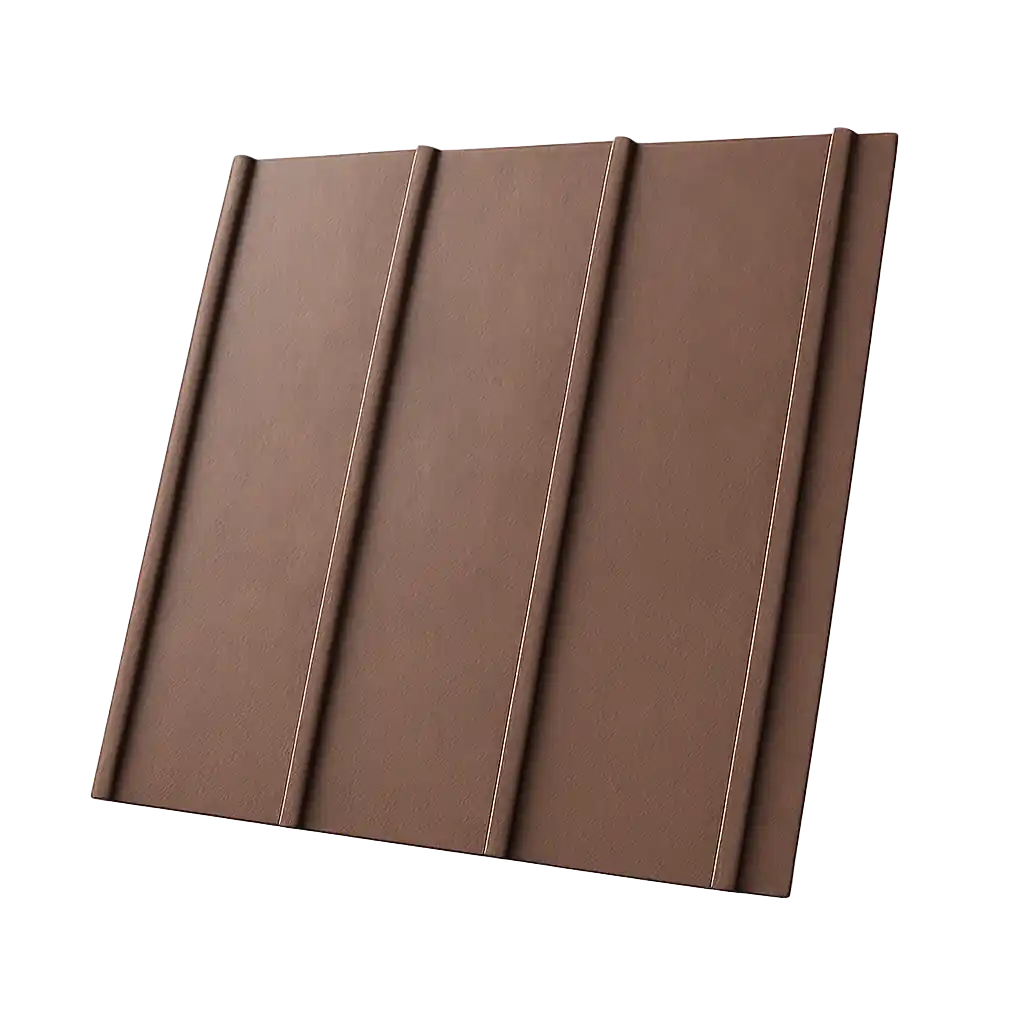
Energy-efficient, modern, and long-lasting.
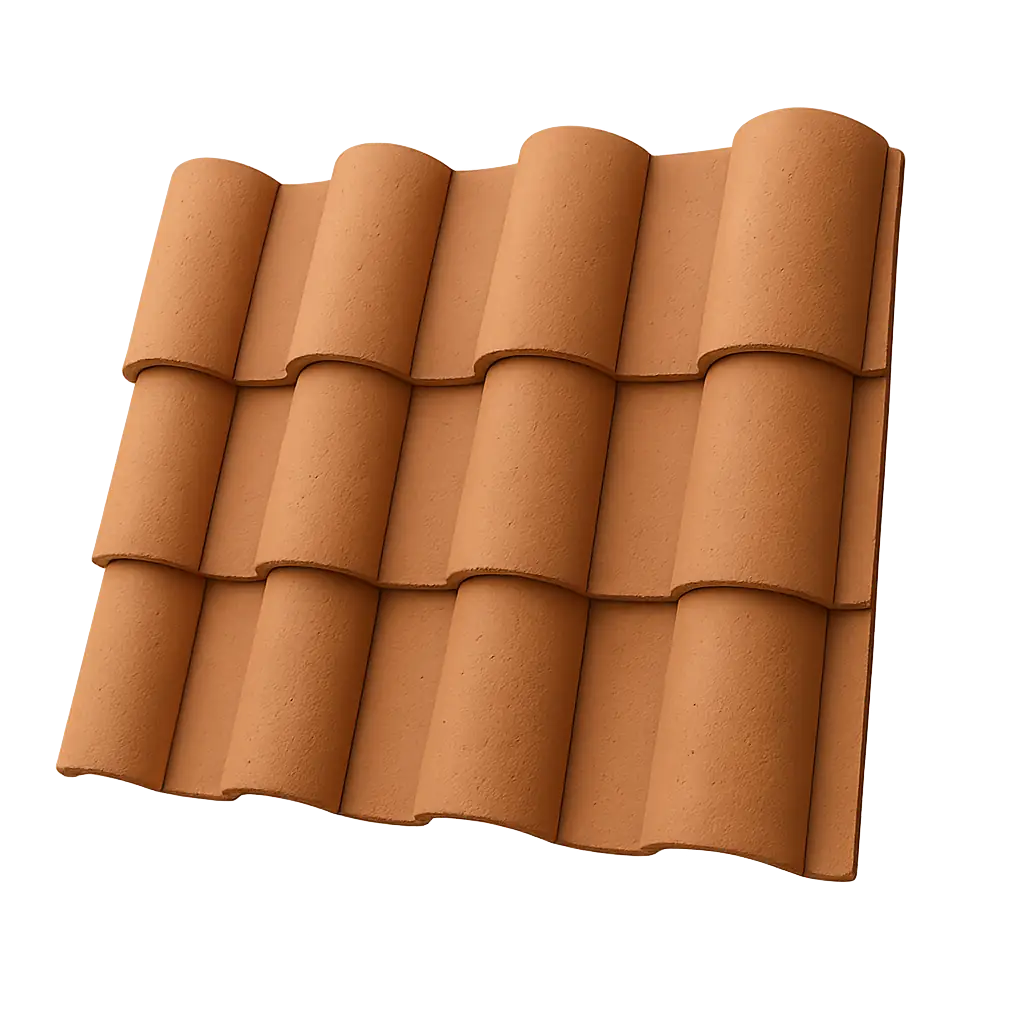
Mediterranean beauty, natural fire resistance.
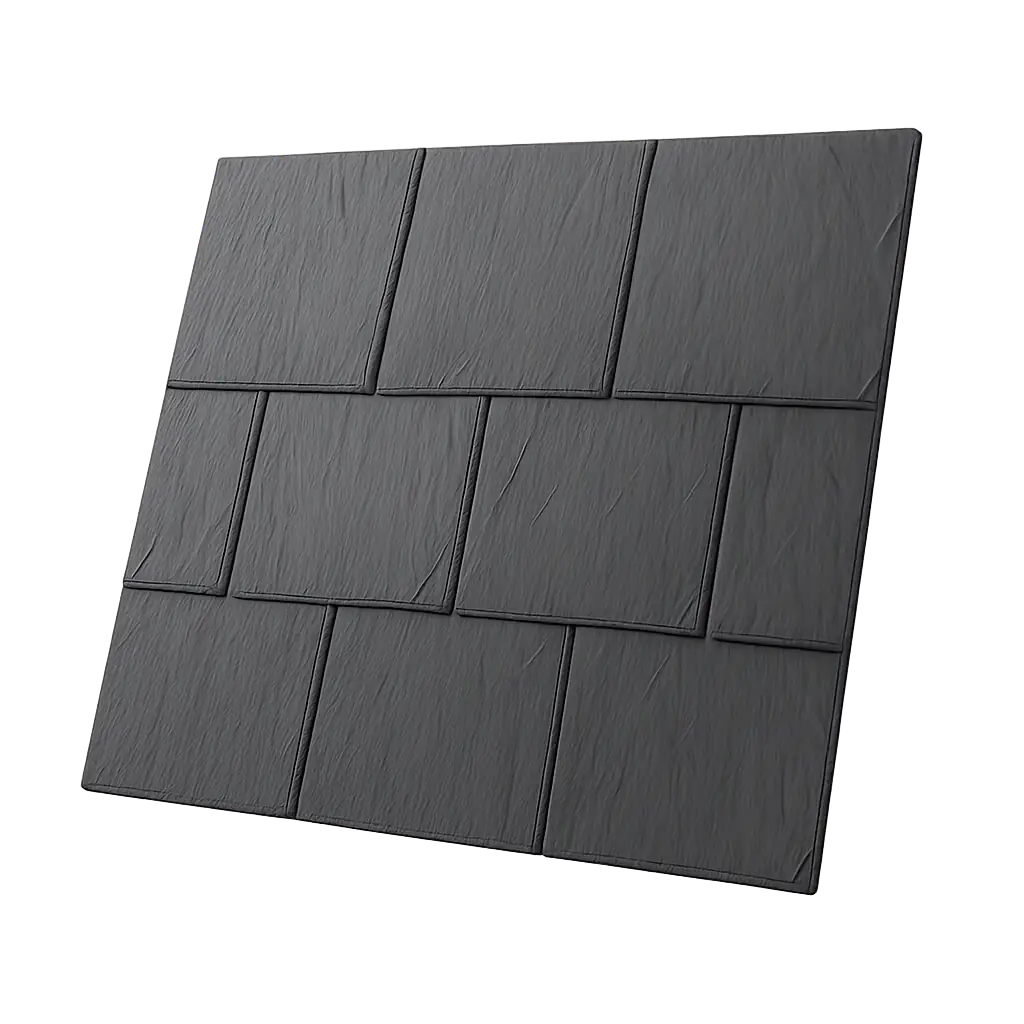
Lightweight durability with classic charm.
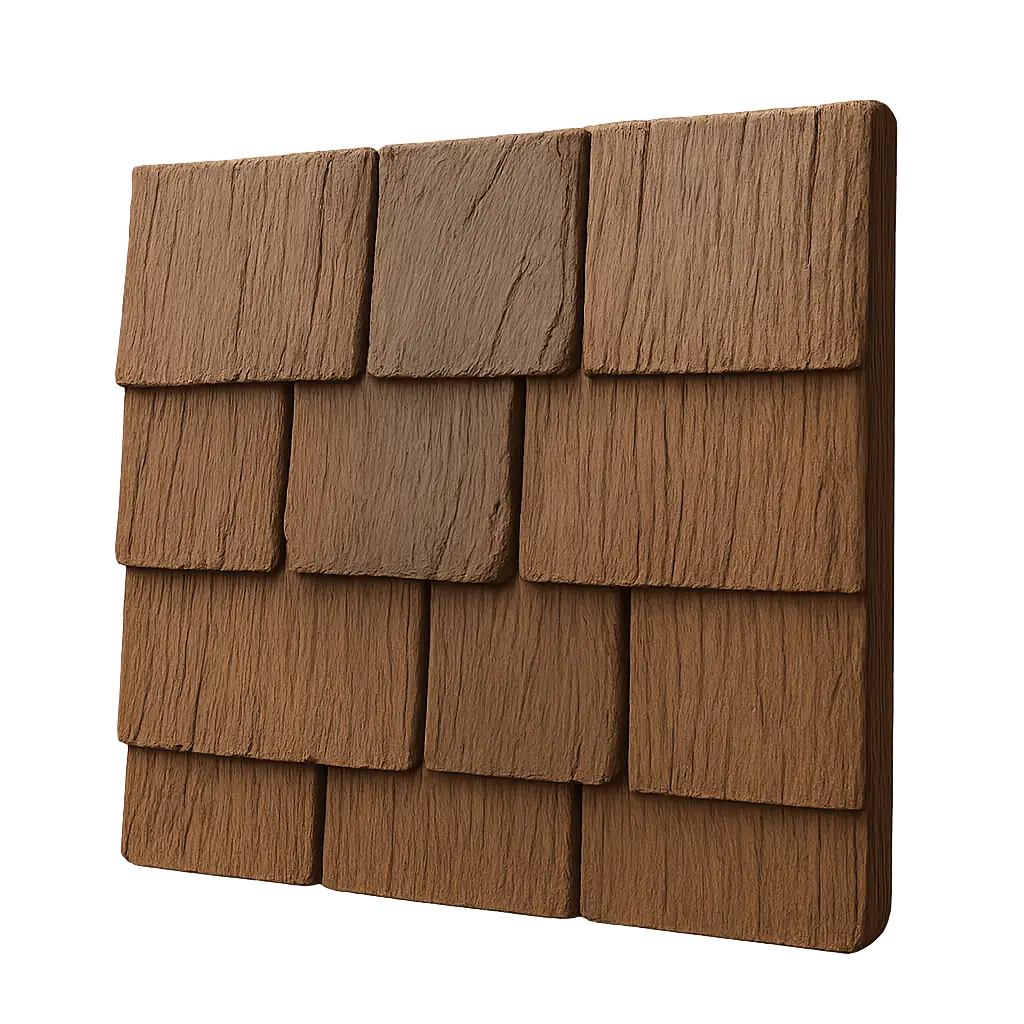
Wood shake appearance, no rot or warping.

The gold standard for low-slope protection.

Eco-friendly composites with authentic detail

Classic layered look, durable protection.
Share

Mention metal roofing to a homeowner considering a roof replacement and you’ll get one of three objections almost immediately:
“Won’t it be loud when it rains?”
“What about snow sliding off and hitting someone?”
“Doesn’t metal attract lightning?”
These three concerns have kept homeowners away from standing seam metal roofing for years. All three deserve a serious answer, because the reality is more nuanced than either the myths or the dismissive responses suggest.
This one has roots in reality, just not modern residential reality. If you’ve ever stood inside a barn, a warehouse, or an agricultural building with a metal roof and no insulation, you know exactly what rain sounds like on bare metal. It’s loud. That experience is real, and it’s memorable.
The difference between a barn roof and a residential metal roof is everything that sits between the metal and the living space.
A residential standing seam metal roof is installed over solid roof decking (plywood or OSB sheathing), underlayment, and typically sits above an insulated attic space. Those layers of material absorb and dampen sound before it reaches the interior of the home.
Research from the Acoustic Group at the University of Luleå in Sweden (a country where metal roofing is standard on residential buildings) has measured interior sound levels during rainfall on metal roofs compared to other materials. With standard insulation and solid decking, the difference in interior noise between a metal roof and an asphalt shingle roof is negligible during normal rainfall.
During heavy downpours, some homeowners report a subtle increase in ambient sound that they describe as white noise rather than disruptive drumming. Whether that’s bothersome or pleasant is subjective. But the image of rain pounding on a metal surface while you try to sleep is a barn problem, not a residential problem.
The exception: homes with vaulted ceilings or cathedral ceiling designs where there is no attic space between the roof deck and the living area. In these configurations, the sound path is shorter and there’s less insulation to absorb it. If your home has vaulted ceilings and you’re considering metal roofing, adding acoustic underlayment during installation is a straightforward solution that addresses the issue at minimal additional cost.
Metal is a low-friction surface. Snow does release from metal roofs more readily than from textured materials like asphalt shingles or wood shake. In regions with heavy snowfall, accumulated snow can slide off a metal roof in sheets, potentially landing on walkways, entries, landscaping, or vehicles parked below the eave line.
This one isn’t a myth. It’s a real characteristic of the material. The question is whether it’s a problem or a manageable feature.
In the Chicago climate, snow accumulation is a regular winter occurrence. On a metal roof, snow may slide once enough has accumulated to overcome the static friction between the snow pack and the metal surface. When it releases, it can come down as a large sheet rather than gradually melting, which is what happens on rougher-textured materials.
This matters primarily above entries, walkways, and areas where people stand or park. It does not matter on roof planes that drain over open yard, landscaping, or areas with no foot traffic.
Snow guards are the standard solution. These are small metal or polycarbonate devices mounted to the roof surface that break up sliding snow into smaller, less dangerous pieces. On a standing seam system, snow guards clamp directly to the seam without penetrating the roof surface.
Proper snow guard placement is part of the design process for any metal roof in a cold climate. The installer should identify which roof planes drain over critical areas (doorways, sidewalks, decks, driveways) and design the snow guard layout accordingly.
On planes that drain over open areas where sliding snow isn’t a safety concern, snow guards may not be needed, which keeps cost and visual clutter to a minimum.
The takeaway: snow management on a metal roof is a design consideration, not a flaw. A contractor who installs metal roofing in Chicago and doesn’t discuss snow guard placement with you is either inexperienced with the material or cutting a corner.
Metal conducts electricity. Lightning seeks conductive paths to ground. Therefore, a metal roof attracts lightning. The logic sounds airtight. It’s also wrong.
Lightning doesn’t strike based on what a surface is made of. It strikes based on height, pointedness, and isolation, which is why tall trees, church steeples, and radio towers get hit more often than the surrounding structures. The roofing material on a residential home plays essentially no role in whether that home is struck.
The Metal Construction Association and the Lightning Protection Institute have both published statements confirming that metal roofing does not increase the risk of a lightning strike. A metal-roofed home is no more likely to be struck than an identical home with asphalt, slate, wood, or tile roofing.
This is where metal roofing actually has an advantage. If lightning strikes a metal roof, the metal is non-combustible. It won’t ignite. Compare that to a wood shake roof, where a lightning strike can start a fire, or asphalt shingles, which can melt or ignite at the point of strike.
Metal roofing carries a Class A fire rating (the highest available) in part because of this property. In a lightning scenario, a metal roof is safer than most alternatives, not more dangerous.
If lightning protection is a specific concern for your property (perhaps due to location, elevation, or past strikes), a lightning protection system can be installed on any roof, including metal. The system provides a controlled path to ground that protects the structure regardless of the roofing material.
When homeowners raise noise, snow, and lightning as reasons to avoid metal roofing, they’re often expressing a broader uncertainty: “Is this material really appropriate for a residential home?”
The answer depends on the home. Standing seam metal roofing works exceptionally well on certain architectural styles (modern, contemporary, farmhouse, transitional) and can feel out of place on others (Colonial, Tudor, Mediterranean). The functional performance of the material is strong in the Chicago climate, with a Class A fire rating, Class 4 impact resistance, and a lifespan that exceeds most alternatives.
But performance and aesthetics both need to align with the home. If you’re considering metal for a property that architecturally suits it, the noise, snow, and lightning concerns shouldn’t be the deciding factors. They’re manageable characteristics, not disqualifying flaws.
If you’re weighing metal roofing against other premium options and want to discuss how it would perform on your specific home, schedule a consultation. We’ll walk through the design considerations, including snow guard placement and sound management, for your roof’s geometry.
Timeless elegance and unmatched longevity.
Rustic warmth with natural insulation.
Slate & shake looks, modern performance.
Architectural shingles with slate-like appeal.
Energy-efficient, modern, and long-lasting.
Mediterranean beauty, natural fire resistance.
Lightweight durability with classic charm.
Wood shake appearance, no rot or warping.
The gold standard for low-slope protection.
Eco-friendly composites with authentic detail
Classic layered look, durable protection.