Natural Slate
Timeless elegance and unmatched longevity.
 Skip to content
Timeless elegance and unmatched longevity.

Rustic warmth with natural insulation.
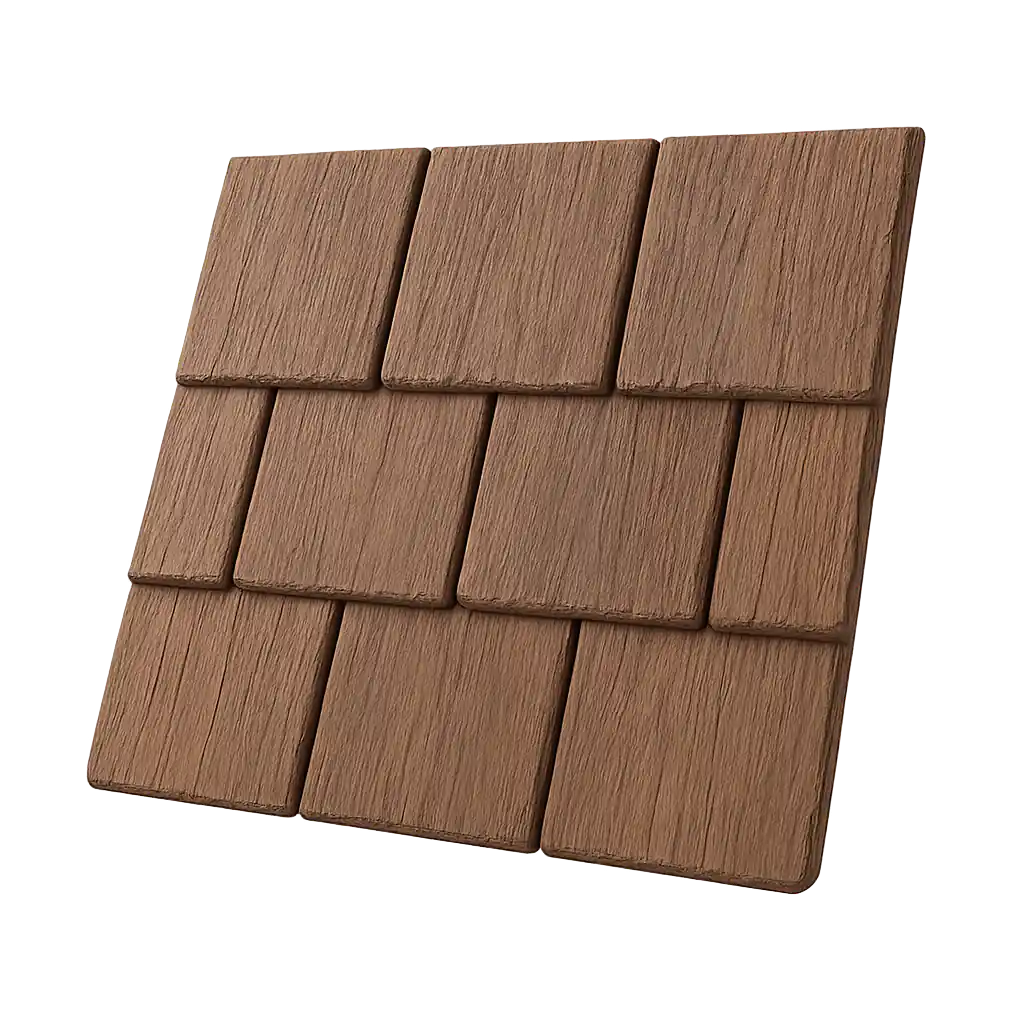
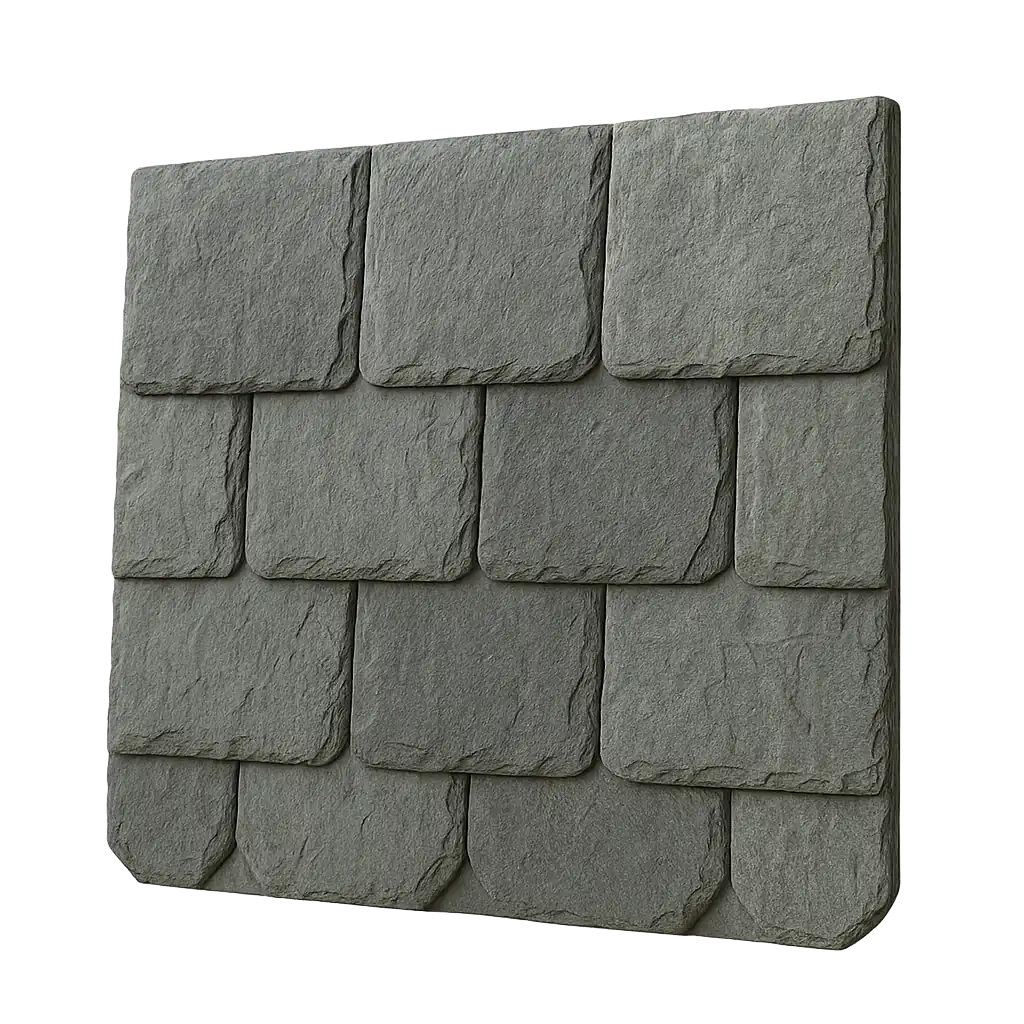
Slate & shake looks, modern performance.
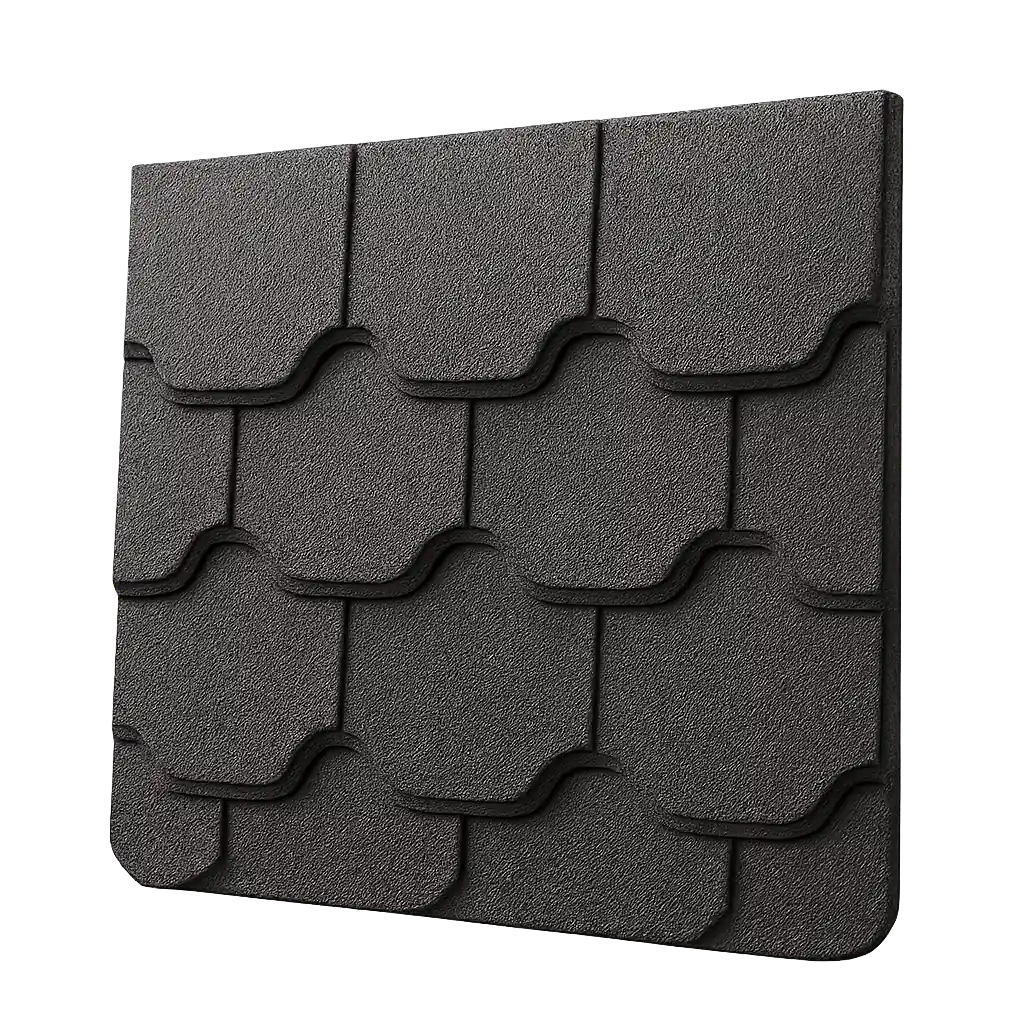
Architectural shingles with slate-like appeal.
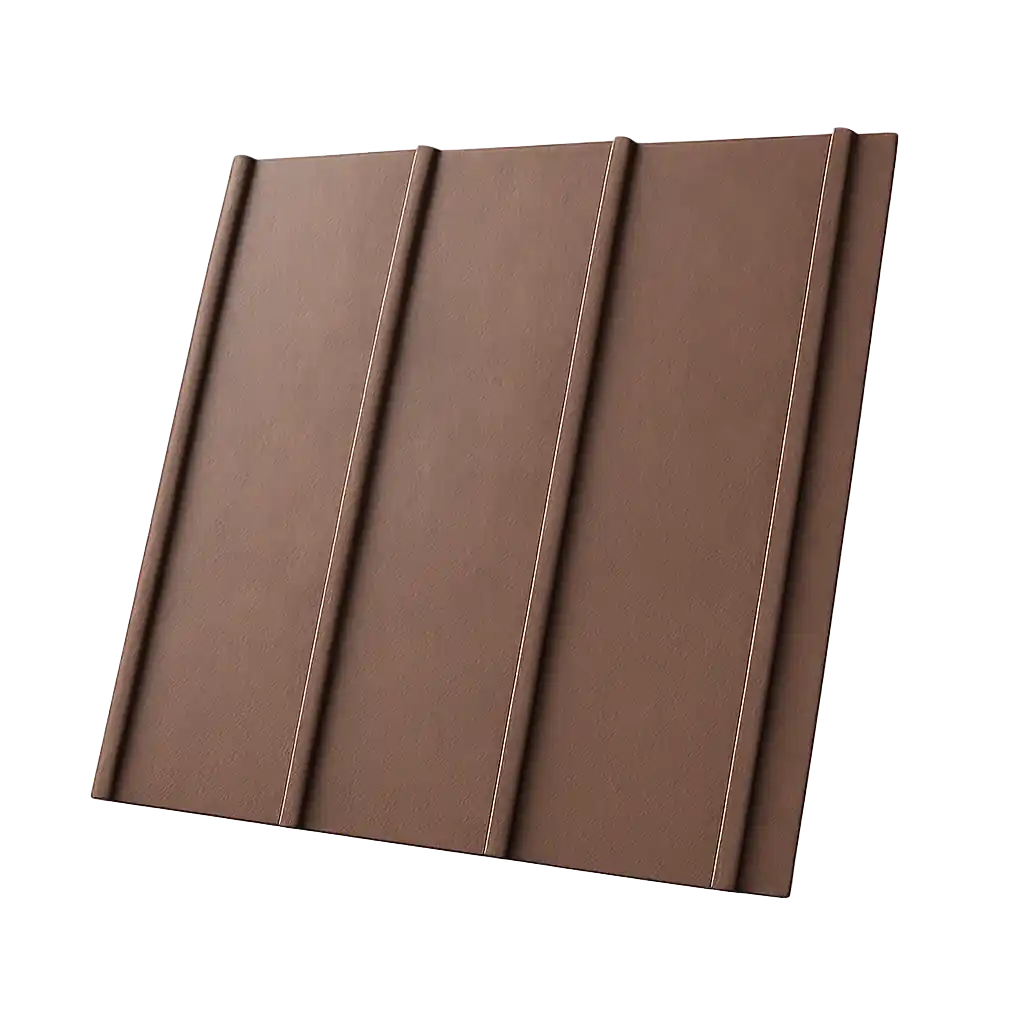
Energy-efficient, modern, and long-lasting.
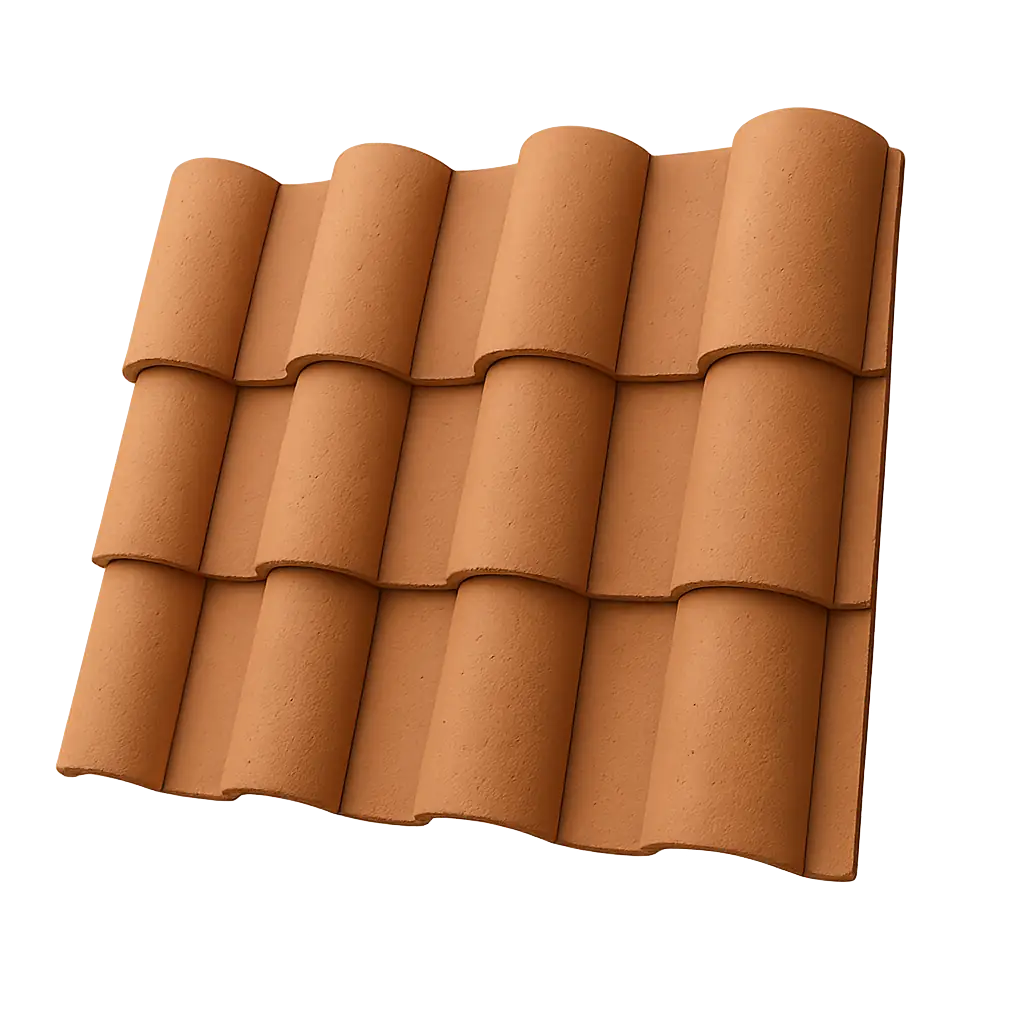
Mediterranean beauty, natural fire resistance.
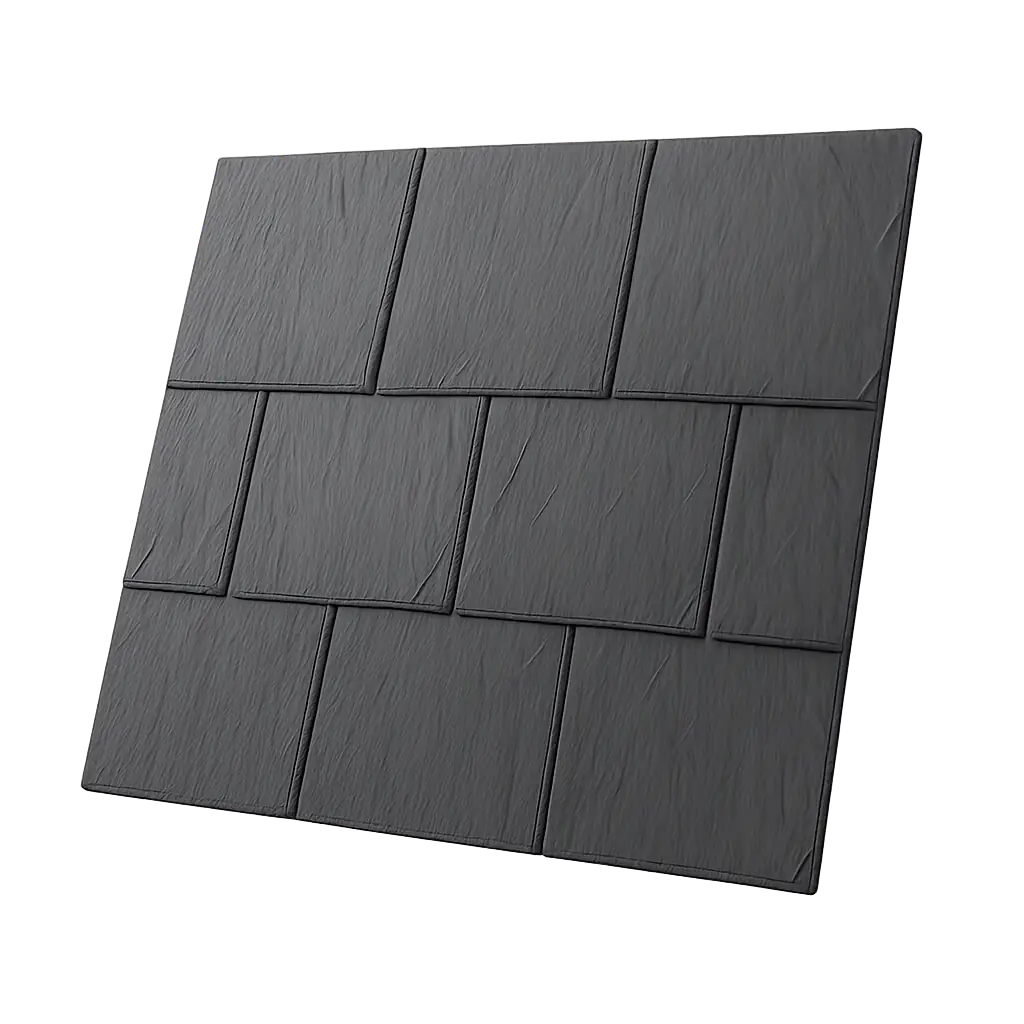
Lightweight durability with classic charm.
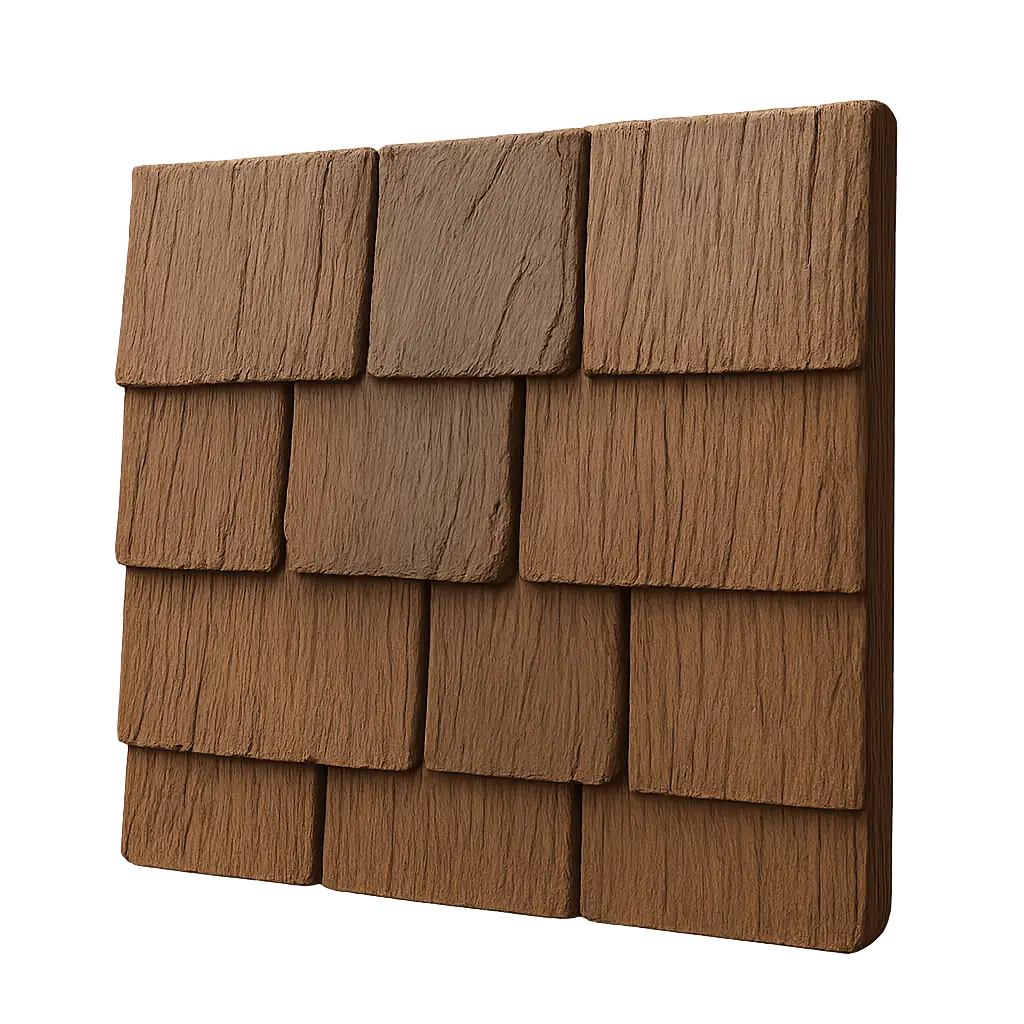
Wood shake appearance, no rot or warping.

The gold standard for low-slope protection.

Eco-friendly composites with authentic detail

Classic layered look, durable protection.
Share

Every spring and summer, the same pattern repeats across Chicago’s suburbs. A line of severe thunderstorms rolls through. Hail falls. Insurance adjusters fan out across neighborhoods. And thousands of homeowners discover what their roofing material can and cannot handle.
Chicago sits within what meteorologists call the hail belt, a corridor stretching from Texas through the upper Midwest where hailstorms are most frequent and most severe. Cook County, Lake County, DuPage County, and the collar counties all fall squarely within this zone.
If you’re choosing a roofing material for a home in this area, hail performance should be part of the conversation. Here’s how it factors into your decision.
Hail doesn’t damage all roofing materials the same way. The type of damage depends on the material, the size of the hailstone, the angle of impact, and the age of the roof.
Asphalt shingles sustain damage primarily through granule loss and bruising. A hailstone strikes the surface, displaces the protective granules, and compresses the asphalt mat underneath. The bruise may not be visible from the ground, but it weakens the shingle at the impact point, accelerating deterioration over time. On older shingles that have already lost granule adhesion through normal weathering, hail damage is more severe.
Cedar shake can crack or split on impact. Wood is a rigid material with a grain structure that creates natural fracture lines. A large hailstone hitting a cedar shake at the right angle can split it along the grain, creating a direct path for water entry.
Natural slate is also vulnerable to impact cracking. Slate is strong in compression but brittle under point impact. A hailstone large enough to crack slate will leave a clean break that’s obvious on inspection. The good news: only unusually large hail (2 inches or more) typically damages quality slate.
Standing seam metal dents rather than cracks. Hail leaves cosmetic dings on the panel surface. These dents don’t usually affect the roof’s waterproofing performance, but they do affect appearance. On a standing seam metal roof where aesthetics matter, cosmetic denting is a legitimate concern.
Synthetic shake and slate products from manufacturers like DaVinci and Brava are engineered for impact resistance. Their polymer compositions flex on impact rather than cracking or denting. Both brands carry Class 4 impact ratings, which is the highest available designation.
The UL 2218 impact resistance test simulates hail by dropping steel balls of increasing size onto roofing samples. The ratings work on a four-tier scale:
Class 1: Withstands a 1.25-inch steel ball dropped from 12 feet. Class 2: Withstands a 1.5-inch steel ball dropped from 15 feet. Class 3: Withstands a 1.75-inch steel ball dropped from 17 feet. Class 4: Withstands a 2-inch steel ball dropped from 20 feet.
A Class 4 rating means the material showed no cracking, splitting, or fracture after the impact. It does not mean the material is indestructible. Hailstones larger than 2 inches, falling from storm-level heights with wind-driven velocity, can exceed the test parameters.
But for the hail events that are statistically most common in the Chicago area (1-to-2-inch stones), a Class 4 rated material provides meaningful protection.
Insurance carriers pay attention to hail exposure data by zip code. If you live in a high-frequency hail area (and most of the Chicago suburbs qualify), your roofing material choice directly affects your insurance costs in two ways.
Many carriers offer a discount on homeowner’s insurance premiums for homes with Class 4 impact-rated roofing materials. The discount varies by carrier and by state, but in Illinois it can be meaningful over the life of the roof.
Not all carriers offer the same discount, and some require specific documentation (a paid invoice from a certified installer specifying the product and its impact rating). Before choosing a material based partly on insurance savings, call your carrier and ask: What discount do you offer for Class 4 impact-rated roofing? What documentation do you need? Does the discount apply at renewal or do I need to request it?
Beyond the premium discount, your roofing material affects your claim history. A roof that sustains hail damage triggers a claim. Multiple claims over a coverage period can increase your premium or affect your ability to renew.
A roof that withstands hail without damage doesn’t generate claims. Over a 20-to-30-year period in the Chicago hail belt, the difference between a material that requires a claim every few years and one that weathers storms without damage adds up in ways that go beyond the per-year premium discount.
If you’re selecting a roofing material for a home in Barrington Hills, Hoffman Estates, Naperville, or anywhere in the Chicago collar counties, here’s how the major material categories line up on hail performance:
Best hail performers: Synthetic shake and synthetic slate (DaVinci, Brava) with Class 4 ratings. These materials absorb impact through flex rather than fracture. They represent the best combination of hail resistance and aesthetic quality.
Strong performers with caveats: Architectural asphalt shingles with Class 4 impact ratings (specific product lines, not all architectural shingles). These perform well in testing but degrade in impact resistance as they age and lose granule adhesion.
Conditional performers: Standing seam metal resists structural damage from hail but dents cosmetically. Natural slate resists moderate hail but can crack under severe impacts. Both are strong materials that handle most hail events but have specific vulnerabilities.
Most vulnerable: Cedar shake has no formal impact rating and is susceptible to splitting. Aging cedar with existing cracks and deterioration is particularly vulnerable.
Hail performance shouldn’t be the only factor in your roofing material decision. Aesthetics, longevity, maintenance requirements, and budget all matter. But in the Chicago hail belt, ignoring impact resistance is ignoring a weather pattern that will test your roof repeatedly over its lifespan.
The practical approach: once you’ve narrowed your material choices based on aesthetics and budget, check the impact rating of each option. If you’re choosing between two materials that look equally good on your home, the one with the higher impact rating will cost you less in insurance and repairs over 25 years.
If you want to understand how different materials would perform on your specific roof, including roof inspection of your current system’s hail exposure points, schedule a consultation. We’ll walk through the options with your home’s geometry, exposure, and insurance situation in mind.
Timeless elegance and unmatched longevity.
Rustic warmth with natural insulation.
Slate & shake looks, modern performance.
Architectural shingles with slate-like appeal.
Energy-efficient, modern, and long-lasting.
Mediterranean beauty, natural fire resistance.
Lightweight durability with classic charm.
Wood shake appearance, no rot or warping.
The gold standard for low-slope protection.
Eco-friendly composites with authentic detail
Classic layered look, durable protection.